Cafes and coffee shops · Loyalty programmes
Turn the tenth coffee into a habit, not just a free one.
A loyalty programme for a cafe is a simple, visible way to reward repeat visits, whether a stamp card or a digital points system. It gives a regular a reason to choose this cafe over the one next door. GullySales designs and runs this so it is actually used at the counter.
Scope, fee, reporting and term are agreed in writing after we have read your brief and spoken to you.
What loyalty programmes means
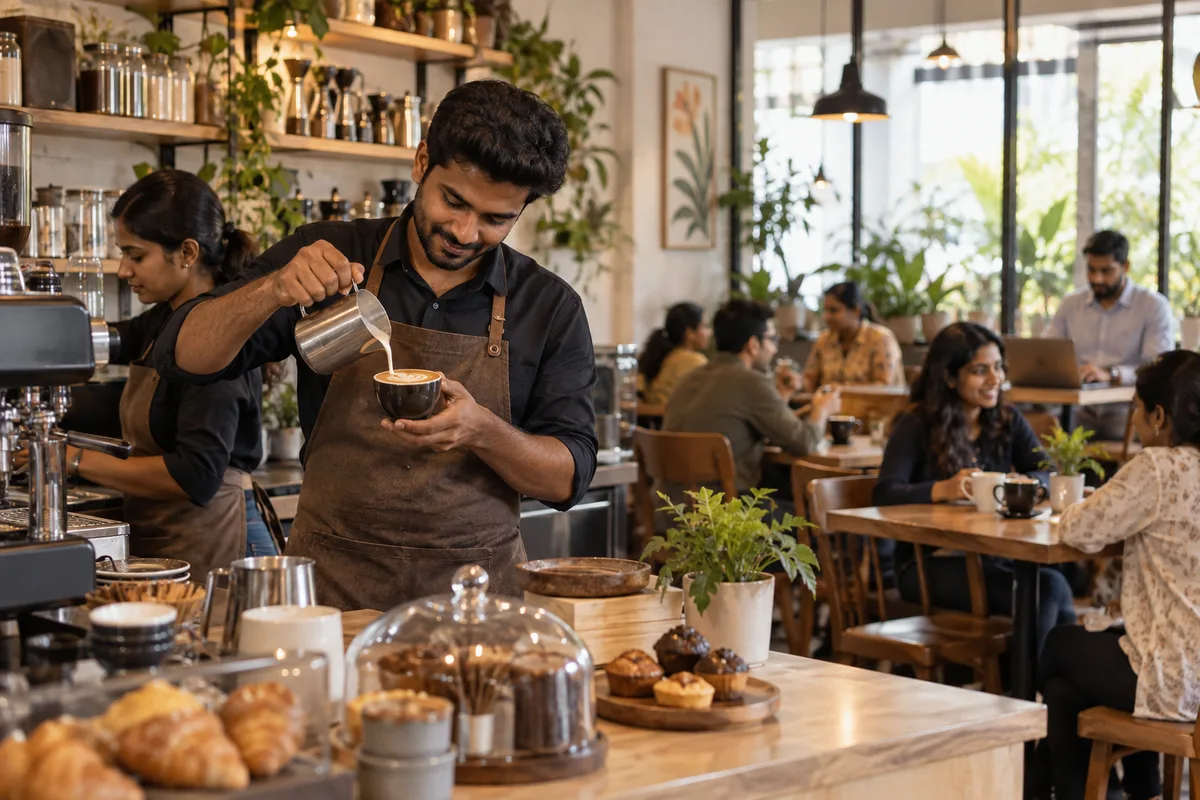
A loyalty programme is a structured reward, such as points or a discount tier, given to a customer for buying repeatedly. It differs from general retention because it is a specific scheme rather than an ad hoc check-in. GullySales designs the reward structure and the message that reminds customers it exists.
Also for cafes and coffee shops
- Customer retention for cafes and coffee shops
- Referral marketing for cafes and coffee shops
- Referral and loyalty campaign creative design for cafes and coffee shops
- Branding for cafes and coffee shops
- Buyer journey for cafes and coffee shops
- Buyer personas for cafes and coffee shops
- Content marketing for cafes and coffee shops
- Digital marketing for cafes and coffee shops
Sales and marketing for cafes and coffee shops, the overview.
Last updated 14 Nov 2026. Rules for this trade differ by state and professional body, and they change. We describe restrictions in general terms, so check the current position with your own council or adviser before you publish anything.
For cafes and coffee shops
Where it usually goes wrong, and what we would do.
“A physical stamp card still works for a neighbourhood cafe”
A simple card at the counter, no app required, suits a cafe whose regulars are local and visit often enough to notice the count.
“Digital loyalty pays off for multi-outlet cafes”
A cafe with more than one branch benefits from a shared digital record so a regular is recognised at either location.
“The reward has to be reachable, not distant”
A free coffee after fifteen visits feels far away. A smaller reward at visit five keeps the habit alive long enough to reach the bigger one.
What we do
What we deliver for cafes and coffee shops.
The work available for this need. We agree the deliverables and responsibilities for your engagement in writing.
Stamp card or digital loyalty design
A physical stamp card or a simple digital points system built around how your regulars actually visit.
Result: A regular has a reason to keep choosing this cafe over the one next door.
A reachable reward structure
Smaller rewards placed along the way, not just one distant free coffee, so the habit stays worth keeping.
Result: A customer stays in the programme long enough to reach the bigger reward.
Counter sign-up script for staff
A short line for staff to offer every customer at the till, timed to the moment of payment.
Result: More customers actually enrol instead of the programme going unmentioned.
Multi-outlet loyalty sync
A shared record so a regular is recognised and can redeem a reward at any of your branches.
Result: A regular feels known at whichever outlet they visit.
How the result is measured
- Members enrolled
- Redemption rate
- Repeat spend by members versus non-members
Recorded as a baseline before work starts, so every later report has an honest comparison.
Which mechanic fits
The loyalty mechanics that suit a neighbourhood cafe, and when to skip them.
- Paper stamp card
- Cheapest to start and nothing to install. Print it with the cafe name and a stamp that is hard to copy. The risk is staff stamping for friends, so give one person the stamp at the till.
- Phone-number points
- The cashier types the customer's mobile number at billing and the system counts visits. Needs a billing app that supports it. It also gives you a list for the slow-hours offer, if the customer agreed to receive messages.
- Weekday-only bonus stamp
- Give a double stamp for a visit in the slow afternoon window. It costs you a free coffee only on a day when the table was empty anyway, and it moves regulars off the weekend rush.
- Prepaid coffee pass
- Sell a set number of coffees in advance to the laptop crowd and the people who work nearby. It brings the cash in first. The risk is the owner who changes the menu, so write down what the pass covers.
- Bring-a-friend coffee
- A regular gets a free cup when a friend's first visit is recorded on the card. Works for student areas and co-working spaces. Keep it to one reward per friend so it cannot be farmed.
- When not to run one
- If you are a tourist or highway stop where nobody returns, a card is wasted printing. Spend the time on reviews and your Maps listing, and give the regular who does come a simple hello instead.
Who it is for
This is written for these cafes and coffee shops.
- Independent single-outlet cafes
- Specialty coffee roasters with a cafe
- Cafes inside co-working spaces
- Bakery cafes
- Cafe chains opening new outlets
- Cloud kitchen and delivery-only cafes
- Cafes attached to bookstores or art spaces
- Late-night and student-area cafes
Before you decide
When this may not be the right fit.
- The cafe has too few regulars to reward, and the first step is to give people a reason to return.
- Staff do not offer the card at the till now, and a better scheme would sit in the drawer too.
- Margins on the drinks are too thin to give away the tenth coffee without a plan.
Before you decide
Agree the work. Know how to judge it.
Loyalty programmes for cafes and coffee shops: use these checks to prepare, choose the scope, and review what changes.
Bring the right evidence
Review repeat orders, inactive customers, and reasons for leaving. Separate a normal buying interval from a customer who stopped because of an unresolved problem.
Make the scope clear
Choose the customer group and the reason to contact them. Agree how complaints, renewal decisions, and additional offers are handled, including when a sales message is inappropriate.
Check the work in use
Track the response through to a retained or repeat order, with discounts and service costs visible. Record why the customer returned rather than crediting every repeat purchase to the campaign.
Know when to change course
If customers leave because delivery is unreliable, fix that before offering a loyalty reward. Repeated promotions can hide the cause without improving the experience.
These are discussion points, not a fixed package. GullySales confirms the deliverables, responsibilities, fee, and term in writing after reading your brief and speaking with you.
Before we start
What to have ready before the work starts.
The records, access and decisions this work needs from cafes and coffee shops. Anything missing is noted in the written scope, with who will supply it.
- Cost of one reward item
- Work out the ingredient and packaging cost of the drink or pastry you would give free, with your barista's help. We cannot set a reward without it. If the cost is unknown, we propose a small reward and flag that the margin has not been checked against your costs.
- A sense of the visit pattern
- Estimate how many times a regular visits in a typical week, from till knowledge or from staff. This sets how many stamps are reasonable before the reward. If no one can say, we start with a short card and adjust after the first redemptions come in.
- The printer's card specifications
- Ask the printer for the card size, paper and number of colours, and the notice they need. The design must fit those limits. Without these details we design in general terms and revise after the printer replies, which adds a round to the work.
- A rule for staff and friends
- Decide in writing whether staff may stamp cards for friends, who may give a free coffee and who approves exceptions. Otherwise the scheme leaks. If the owner leaves it undecided, we set a strict default and mark it for your review after the first weeks.
- Which counters honour the card
- If you have more than one counter, say whether a stamp earned at one is valid at the other. A digital system is needed for that. If the answer is unclear, we plan a single-outlet card first and note the later change.
How it works
How the loyalty programmes work runs
The work itself, in order. How an engagement starts, from your brief to a written scope, is set out on our method page.
- 1
Read the till for repeat visits
We look at what the till and your memory tell us about who comes back, how frequently and what they order. You help us tell regulars from first-time visitors by name. This gives a plain picture of whether the cafe has a repeat habit worth rewarding or only a trickle of one-off customers.
- 2
Decide what the reward costs you
We sit with you and work out what a free coffee or pastry costs in ingredients and in the table time it takes. You choose the reward you are comfortable giving, because the margin is yours to set. The step ends with one reward that a customer can reach in a reasonable number of visits.
- 3
Write the card rules in plain words
We draft how many stamps are needed, which items count, whether stamps expire and what staff do when a card is lost. You approve each rule. The short rules go on the card itself, and the rest on a sheet kept at the till for the barista to check during a rush.
- 4
Print the card and brief the counter
We design the stamp card or the digital sign-up and give staff a counter line for introducing it. You send the file to your printer. The barista says the line to the next ten customers while we watch, and we adjust the wording until it sounds like the person saying it.
- 5
Invite the regulars first
Before announcing anything publicly, you personally offer the programme to the customers staff already know by name. We provide a short message for those you reach by WhatsApp. This gives the scheme early users who can tell others what it is like, and it shows staff the questions they will be asked.
- 6
Count redemptions against purchases
At the start we note the visits you already record. Later we compare card sign-ups, stamps given and rewards redeemed with that earlier tally. You decide whether to continue, adjust the reward or stop, judging from your own till and not from a promise made at the outset.
Where this fits
Three pieces of sales work, in this order.
This work sits inside sales process design, at stage 7, after the sale. The audit comes before it, and sales management keeps it running.
Step 1
Sales audit
Find where deals are being lost and what to fix first.
Start here if you cannot say where orders are lost.
Step 2 · you are here
Sales process design
One written way to sell, from first enquiry to repeat order.
Start here if every salesperson sells differently.
Step 3
Sales management
A target, a review routine and someone who owns the number.
Start here if the team has targets and no routine.
FAQ
Questions owners ask before they call.
Not here? More answers, or ask on WhatsApp.
Does a loyalty programme cost much to run?
How do we get customers to actually join?
Who pays for the free coffee, and does it eat our margin?
Should stamps expire?
How do we stop staff giving free coffees to friends?
Should the programme reward spend or visits?
How long is the contract?
How soon will we see results?
Who will actually do the work?
What do you need from us?
From the blog
Further reading for cafes and coffee shops.
 6 min read · 8 Jul 2026Email marketing tips for cafes and baristasEmail tips for baristas and cafe owners: where a small cafe list comes from, what is worth sending to it, and what to leave out.
 6 min read · 25 Jun 2026How to increase cafe sales: fill the quiet hours and raise the billCafe sales grow four ways: regulars visiting more, a higher bill per table, busier quiet hours and new customers from Maps. Work in that order.
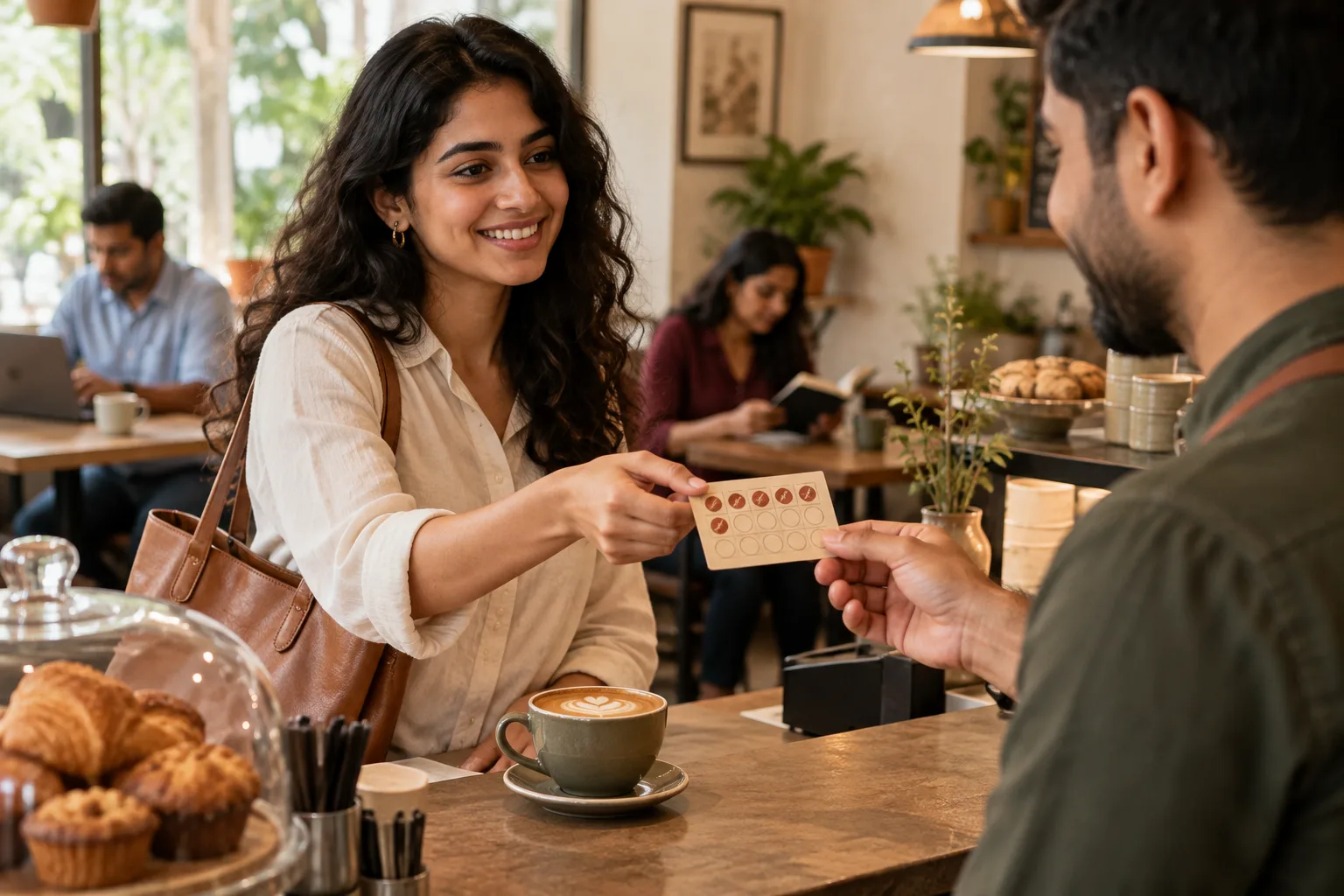 7 min read · 21 May 2026Loyalty ideas for coffee shops that regulars actually useLoyalty ideas for coffee shops work at the counter and need no app: a stamp card, the usual remembered, a weekday reason to come in.
More for cafes and coffee shops
Related work to consider.
Closest to this: customers after the sale
Also for cafes and coffee shops
Or start from the overview: sales and marketing for cafes and coffee shops.
Your next practical step
Tell us what you are trying to grow, and we will read it before we call.
Eight short steps, mostly taps. Skip anything you would rather answer on the call.