Pet training services · Follow up systems
Keep the owner practising after the session, and the enquiry warm before it.
A follow-up system for a pet trainer is the set of messages and calls that move an enquiry to an assessment and a package owner to the last session. GullySales works on the sequence, the wording of each note and who sends it.
Scope, fee, reporting and term are agreed in writing after we have read your brief and spoken to you.
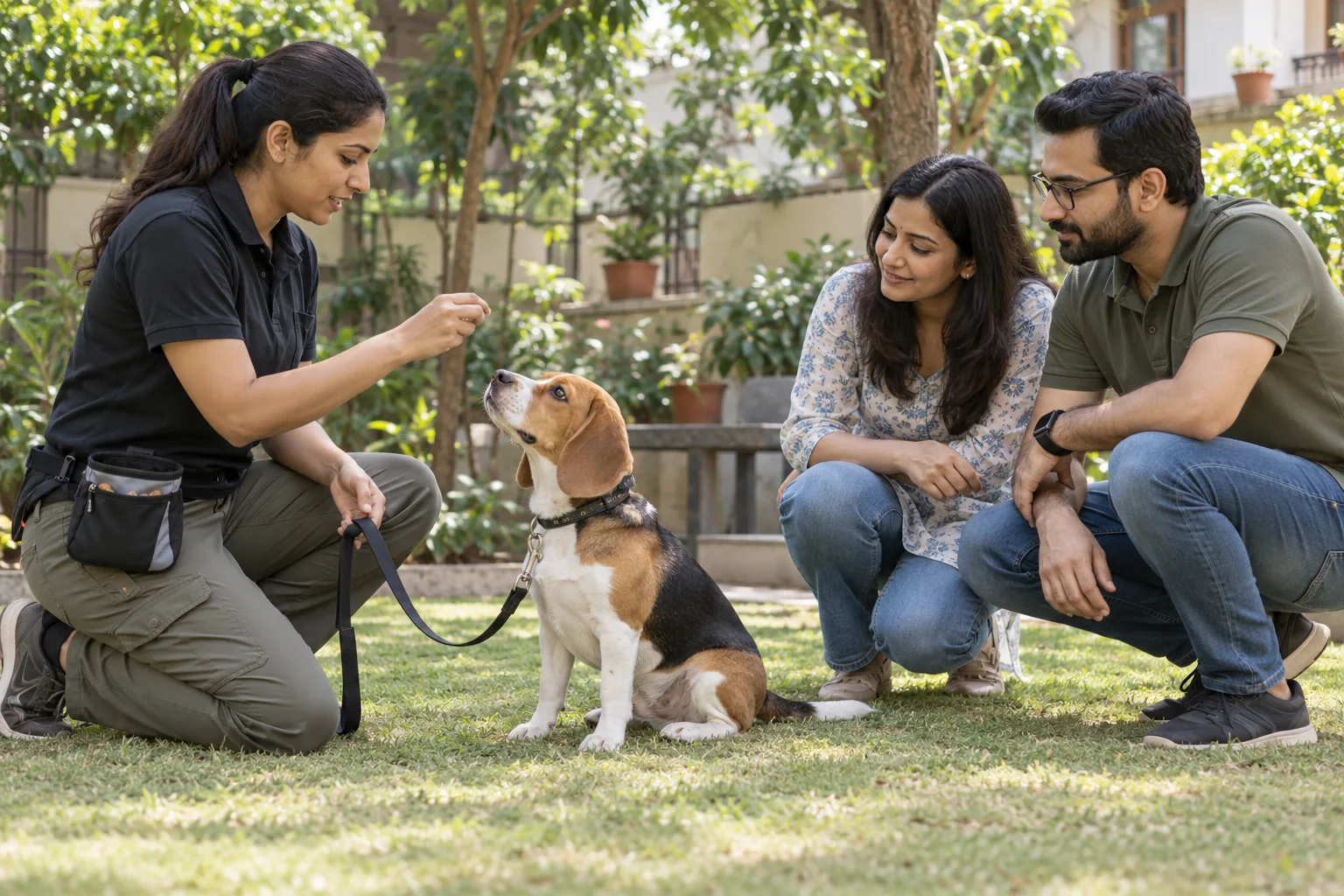
What follow up systems means
A follow-up system is the set routine for calling, messaging or emailing an enquiry more than once, since most buyers do not decide on the first conversation. GullySales sets the number and timing of follow-ups so an undecided buyer keeps hearing from you until they decide either way.
Last updated 14 Nov 2026.
For pet training services
Where it usually goes wrong, and what we would do.
“The enquiry that got a rate and went silent”
The owner called, heard the price and said they would think. Without a follow-up, the decision is made in the apartment group, where another trainer is named.
“Practice is where training is won or lost”
The dog is good in the session and slides back at home. A note that names one task, sent after each class, is what keeps the owner doing the work.
“A missed week looks like a quit”
The owner skips a class for a wedding and feels awkward returning. A gentle check-in that makes it easy to rebook saves the package.
“Finished owners are a referral source that goes cold”
Someone whose Beagle now settles alone would recommend you, if asked. Left alone, the goodwill fades and the next owner in the lane finds another name.
What we do
What we deliver for pet training services.
The work available for this need. We agree the deliverables and responsibilities for your engagement in writing.
An after-call message
A note sent after the first call that thanks the owner, confirms the assessment slot or leaves an easy way to book.
Result: No enquiry ends without a written next step.
A practice note after each class
One task for the week ahead, in the owner's language, with a line on what to do if it goes wrong.
Result: The owner has a single task they can reopen on the sofa.
A missed-class check-in
A short, warm message that makes rebooking one reply away.
Result: A missed class leads to a rebooking request.
An end-of-package conversation
What has changed, what still needs practice and what the next step could be.
Result: The last session closes with a clear choice.
A referral ask for finished owners
A short note asking whether a neighbour or friend has a dog that needs help, with no reward attached.
Result: Owners who finished are asked once, politely.
How the result is measured
- Follow-up completion rate
- Average number of follow-ups before close
- Enquiries closed after repeat follow-up
Recorded as a baseline before work starts, so every later report has an honest comparison.
What to capture or send
Each stage of an owner's journey has one message worth sending.
- After the first call
- A short message summarising what the owner said and offering an assessment slot, sent while the problem is on their mind.
- Practice note after a session
- A few lines on what was taught and what to practise, sent the same day so the homework is written down.
- Check-in after a missed class
- A calm message asking if the week went wrong and offering a new slot, since a missed week looks like quitting.
- End-of-package conversation
- A message inviting the owner to discuss what the dog has learnt and whether more sessions are worth it.
- Referral ask to a finished owner
- A single polite ask to owners who finished the package, with no payment or reward attached.
- To an owner who went quiet
- One last message after a gap, recorded as closed, that leaves the door open without chasing.
Who it is for
This is written for these pet training services.
- Puppy socialisation and basic obedience classes
- Behaviour trainers for aggression, anxiety and fear
- Home-visit trainers working one to one
- Board and train programmes at a kennel
- Training for Indie and rescue dogs
- Guard and protection dog trainers
- Agility and sport training clubs
- Trainers who work with society and apartment dog-owner groups
Before you decide
When this may not be the right fit.
- You have no record of who enquired, so a follow-up message would go to a list you cannot trust
- Nobody is free to reply to owners who answer, and a message that invites a conversation needs someone to continue it
- The owner has asked not to be contacted, and further messages would breach what they agreed
Before you decide
Agree the work. Know how to judge it.
Follow-up systems for pet trainers: use these checks to prepare, choose the scope, and review what changes.
Bring the right evidence
Trace recent enquiries from arrival to the last recorded action. Include a won enquiry, an unsuitable one, and one that went quiet, with personal details removed for the initial discussion.
Make the scope clear
Agree who accepts each enquiry, what makes it qualified, and how ownership changes. Include a rule for missed replies and a clear reason for closing an enquiry.
Check the work in use
Pick an enquiry at random and ask the team to find its owner, latest conversation, and next action. Check that the record agrees with what actually happened.
Know when to change course
If no one has capacity to respond, assign that responsibility before buying more leads. Automation can support the owner, but it cannot replace an unresolved handover.
These are discussion points, not a fixed package. GullySales confirms the deliverables, responsibilities, fee, and term in writing after reading your brief and speaking with you.
Before we start
What to have ready before the work starts.
The records, access and decisions this work needs from pet training services. Anything missing is noted in the written scope, with who will supply it.
- The last season's chats, including quiet ones
- We need the threads where an owner stopped replying, not only the successful ones. Names can be covered. Without the quiet ones we only see what worked, and the follow-up will not reach the owners who need it.
- Your rule for ending a conversation
- Decide when you stop writing to an enquiry or a paused owner, even as a rough number of messages. A short note is enough. Without it, sequences either go on until owners are irritated or stop before they help. If you have already told some owners that you will check on them after a set number of classes, list those promises too, so the sequence keeps them.
- Your practice instructions for each class
- Write the homework you give after a lesson, however brief. The practice note is built from it. If it is not written down, the note cannot say what to practise, and the owner receives general encouragement.
- A list of finished owners to ask
- Pick owners who completed a package and were happy, to test the referral request on. Only those who agreed to hear from you should be on it. Without a list, the referral step stays in draft.
- A phone number reserved for client messages
- Messages should come from a number owners recognise and that stays with the business. If staff use personal phones, the thread leaves with them. Set aside one number, or tell us why you cannot.
How it works
How the follow up systems work runs
The work itself, in order. How an engagement starts, from your brief to a written scope, is set out on our method page.
- 1
Read what happened after the last rate
We go through your chats from the past season and mark where a conversation stopped: after a fee was quoted, after a missed class, after the package ended. You tell us what you did in each case. The gaps in your own record show where a message is needed and which owner stalls.
- 2
Decide when an enquiry is closed
We agree with you what counts as a lost enquiry, a paused package and a finished owner. This matters because a follow-up that never stops becomes a nuisance. You set the point at which you stop writing, and we write that rule down for whoever answers. We also note which owners asked you to stop contacting them, so that no sequence reaches them again.
- 3
Write the notes in your own words
We draft each message: the after-call note, the practice note after a class, the check-in when a session is missed and the closing conversation. Edit every line until it sounds like your own voice. An owner who has trained with you for weeks will notice a template.
- 4
Hand a few messages to the team
We decide who sends which message and set up reminders for the person responsible. We test the sequence with a few live owners and a stalled enquiry. You tell us where wording sounded pushy, and we adjust it before it is used on everyone.
- 5
Walk through the last-class conversation
We script the final conversation of a package with you: what the owner has learned, what to keep practising, whether a refresher makes sense and when to ask for a recommendation. You adjust it to how you actually close a course. The note after that conversation is the one finished owners are more likely to pass on.
- 6
Compare silence, finishing and referrals
After the sequence has run, we compare the count of stalled enquiries, missed classes and finished packages with the figures from before we began. You see which message brought owners back and which did not. We report the record and make no promise about a figure. We also read the missed-class notes, because the owners who came back after one are the clearest sign of which wording worked.
Where this fits
Three pieces of sales work, in this order.
This work sits inside sales process design, at stage 2, qualification. The audit comes before it, and sales management keeps it running.
Step 1
Sales audit
Find where deals are being lost and what to fix first.
Start here if you cannot say where orders are lost.
Step 2 · you are here
Sales process design
One written way to sell, from first enquiry to repeat order.
Start here if every salesperson sells differently.
Step 3
Sales management
A target, a review routine and someone who owns the number.
Start here if the team has targets and no routine.
FAQ
Questions owners ask before they call.
Not here? More answers, or ask on WhatsApp.
How many follow-ups is too many?
What if an owner stops replying?
What if an owner stops practising?
Can we ask finished owners for referrals?
Should the follow-up come from me or from the school?
Can I send a follow-up to an owner who said no?
How much does it cost?
How long is the contract?
How soon will we see results?
Who will actually do the work?
More for pet training services
Related work to consider.
Closest to this: leads and follow-up
Also for pet training services
Or start from the overview: sales and marketing for pet training services.
Your next practical step
Tell us what you are trying to grow, and we will read it before we call.
Eight short steps, mostly taps. Skip anything you would rather answer on the call.