Industries · E-commerce
Your carts fill every evening and nobody messages the shoppers who left.
For example, a saree seller in Surat finds her carts full every evening while nobody messages the people who left. Her next ad rupee buys less than one reply would. Many online sellers are not short of traffic either. They pay for visits that browse and leave, answer WhatsApp questions that never turn into orders, and wait for a second purchase that does not come, so the first job is to find the leak that costs most and close it.
Scope, fee, reporting and term are agreed in writing after we have read your brief and spoken to you.
78 categories and 436 types of product, each with its own page.
In one paragraph
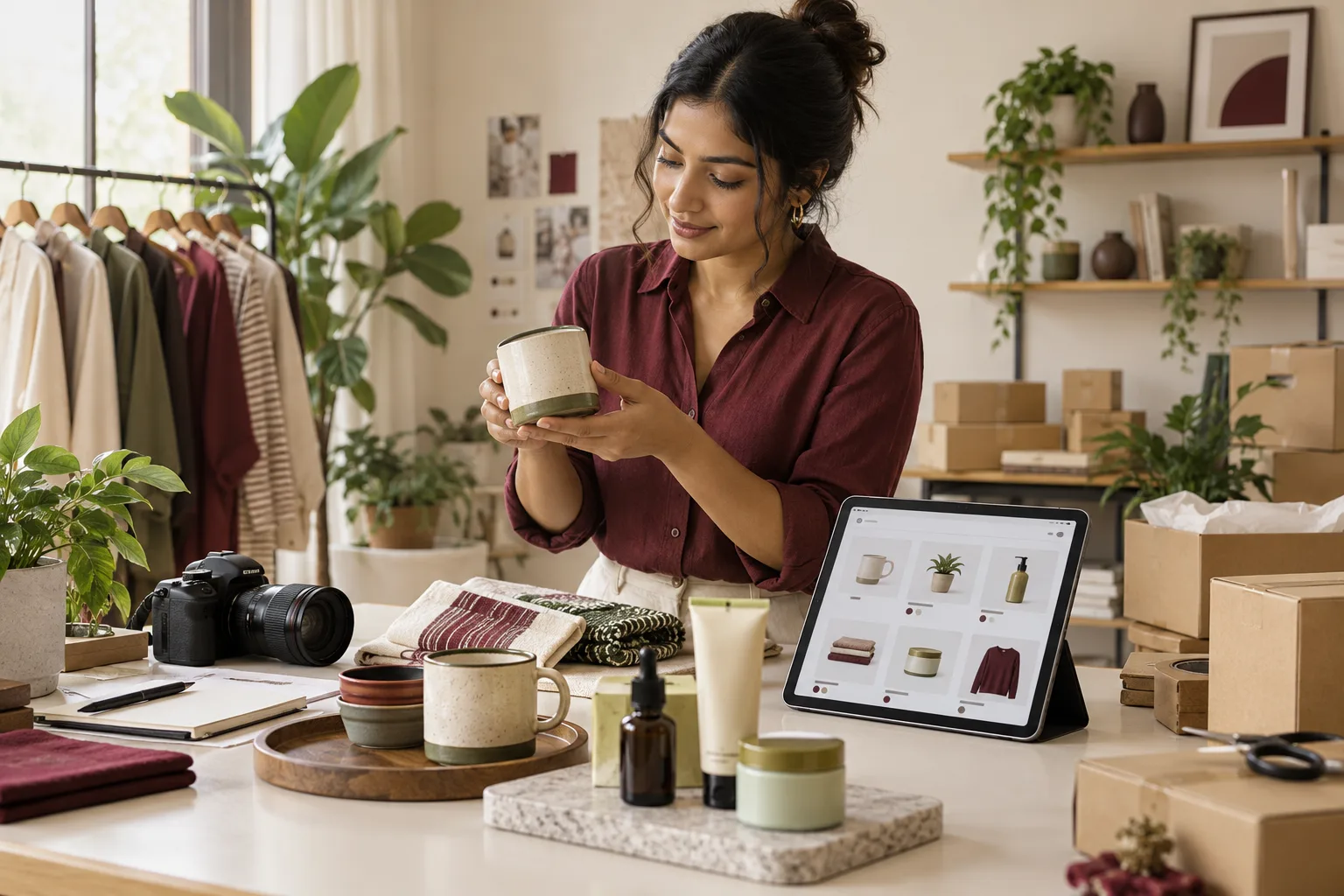
E-commerce marketing and sales is the work of bringing the right shoppers or trade buyers to your online store, marketplace listing or catalogue, and then turning their interest into orders and repeat orders. GullySales does both halves for brands, retailers, manufacturers and suppliers who sell online from India or to other countries, and it starts with a brief from you.
This section has a page for every kind of product sold online, from clothing and jewellery to industrial equipment and online courses, and a page for each type inside it. Sizes, authenticity, compatibility, delivery and returns decide the sale in different ways for each, so each page starts from how that product is actually bought.
Last updated 7 Oct 2026. Product, labelling and advertising rules for some categories, such as food, cosmetics, health products and electrical goods, differ and change. Those pages describe them in general terms, so check the current position with your own adviser or the regulator.
Find your product
Start with what you sell.
Search for a product or choose a group to see its categories. Every category lists its own types of product, 436 in all.
78 categories across the categories below
Fashion and accessories
5- Fashion and accessories
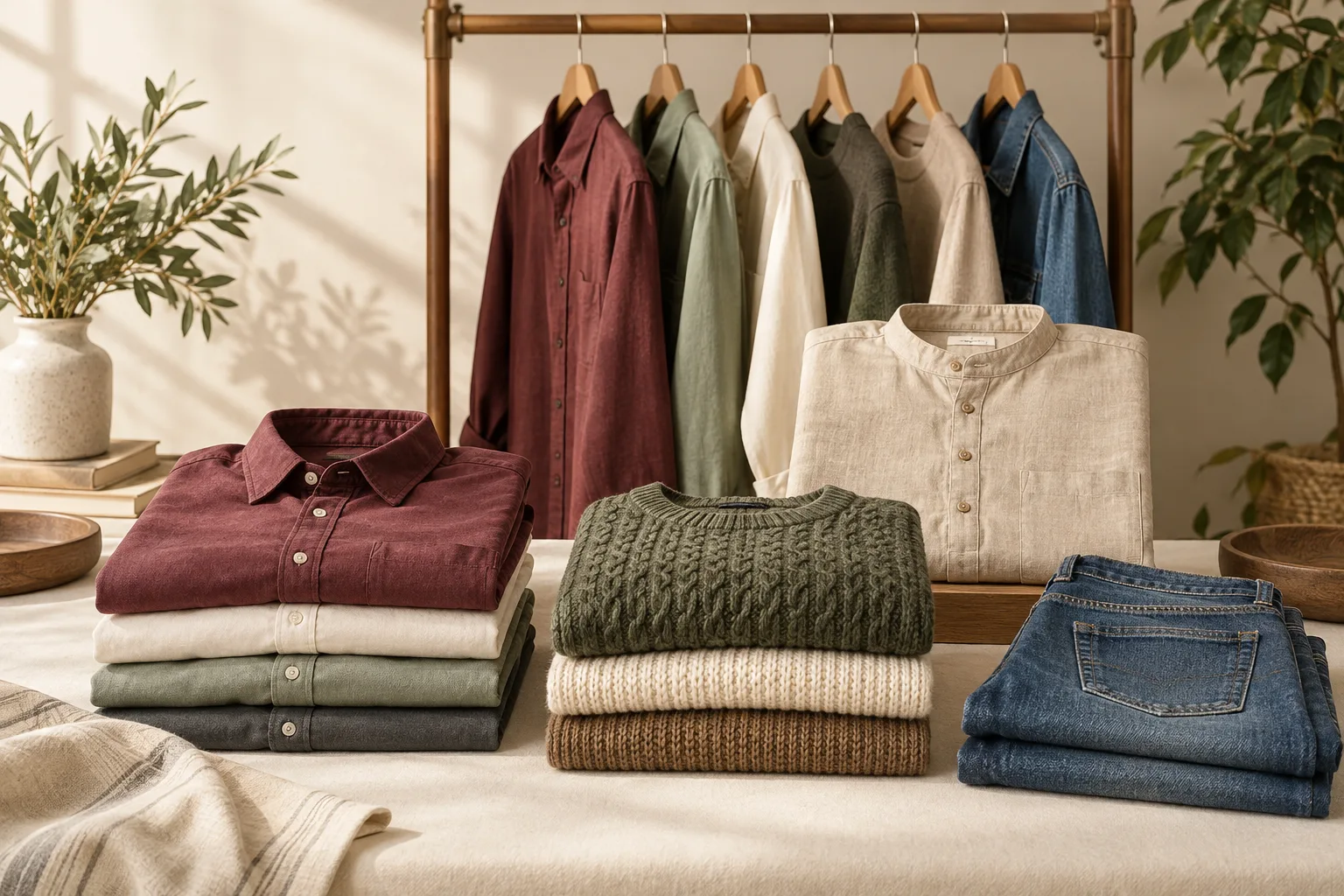
Clothing & Apparel
Shoppers love the photographs and then return the size they ordered.
8 types of product - Fashion and accessories
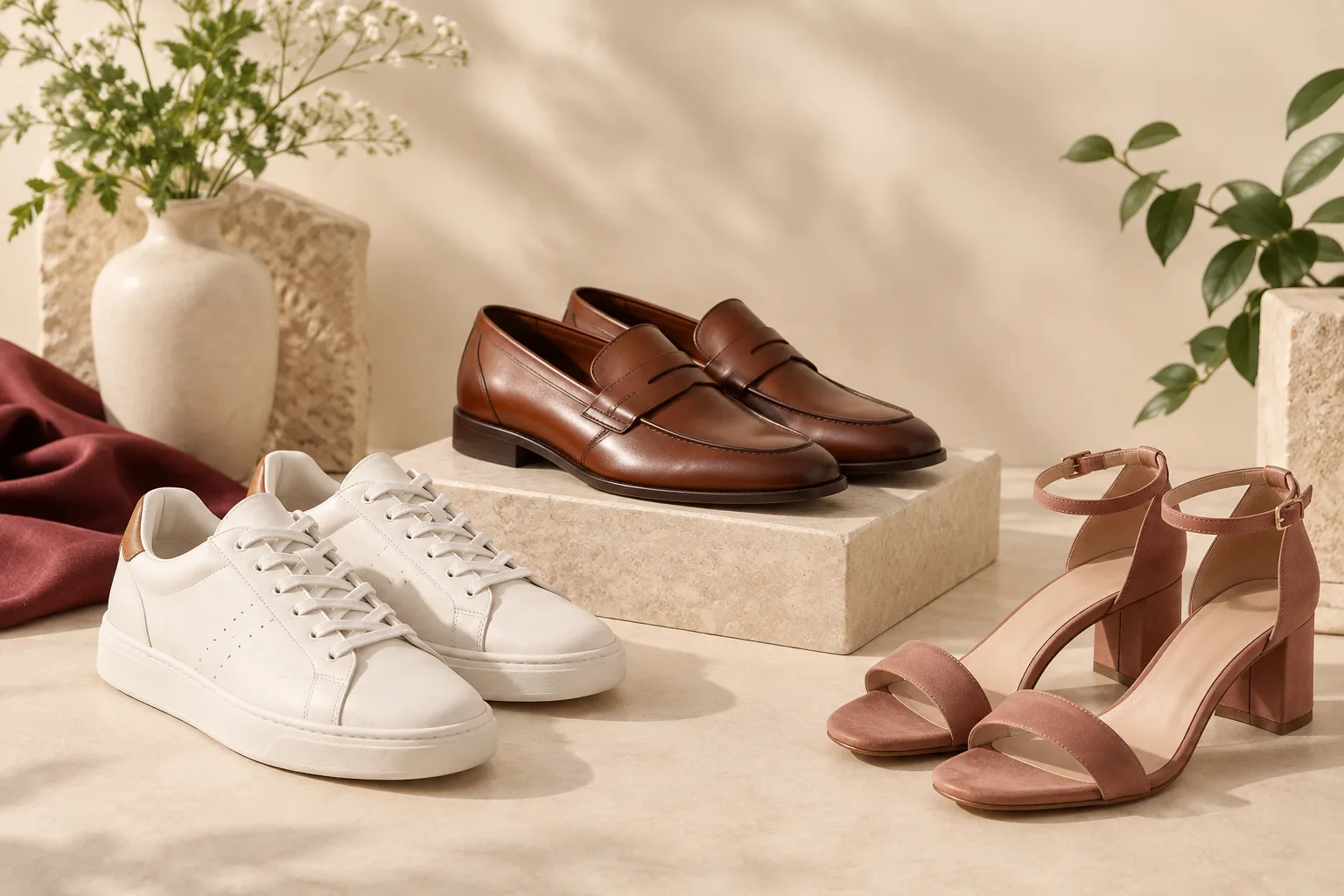
Footwear
Nobody can feel a shoe through a screen, so they order a second pair to be safe.
7 types of product - Fashion and accessories
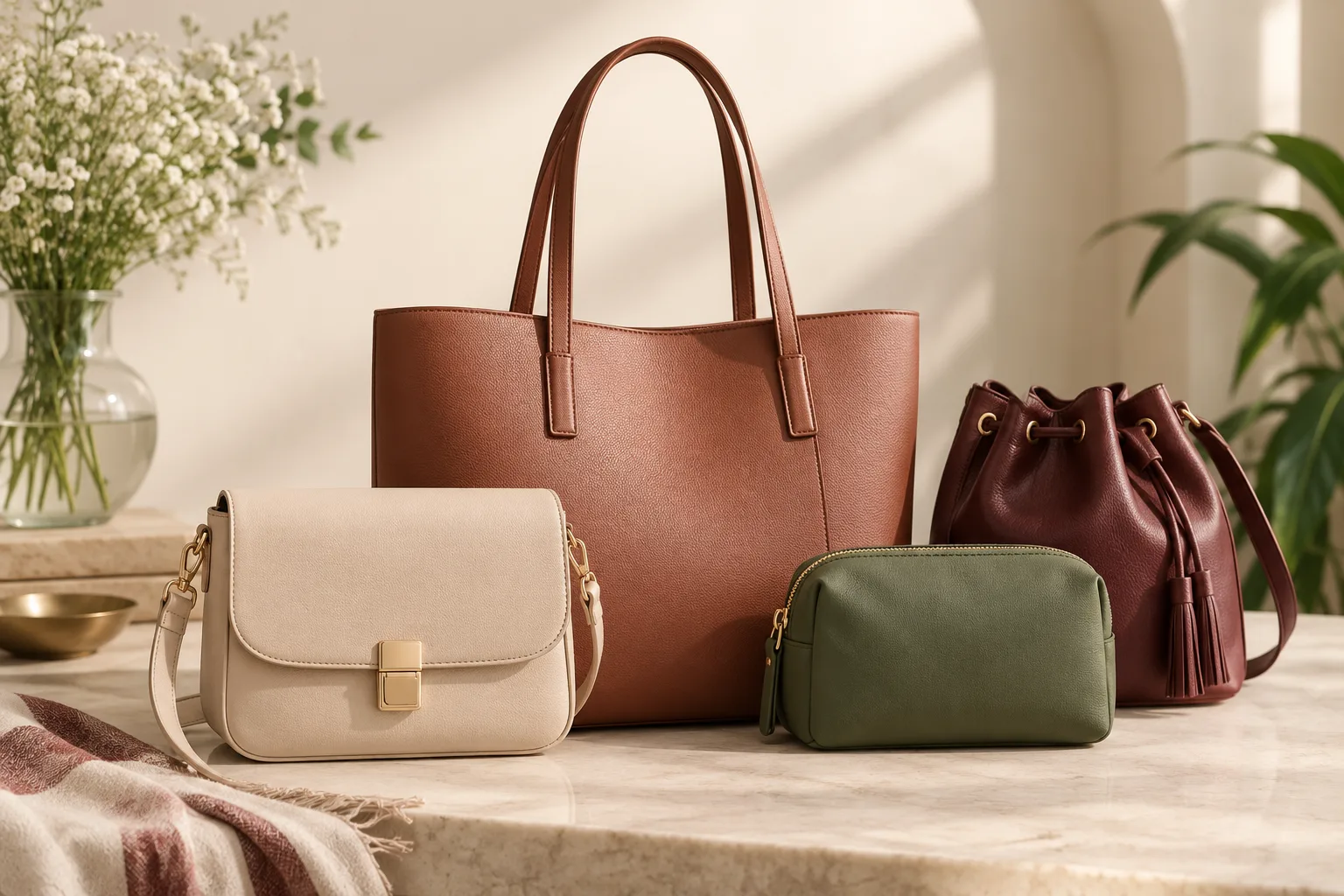
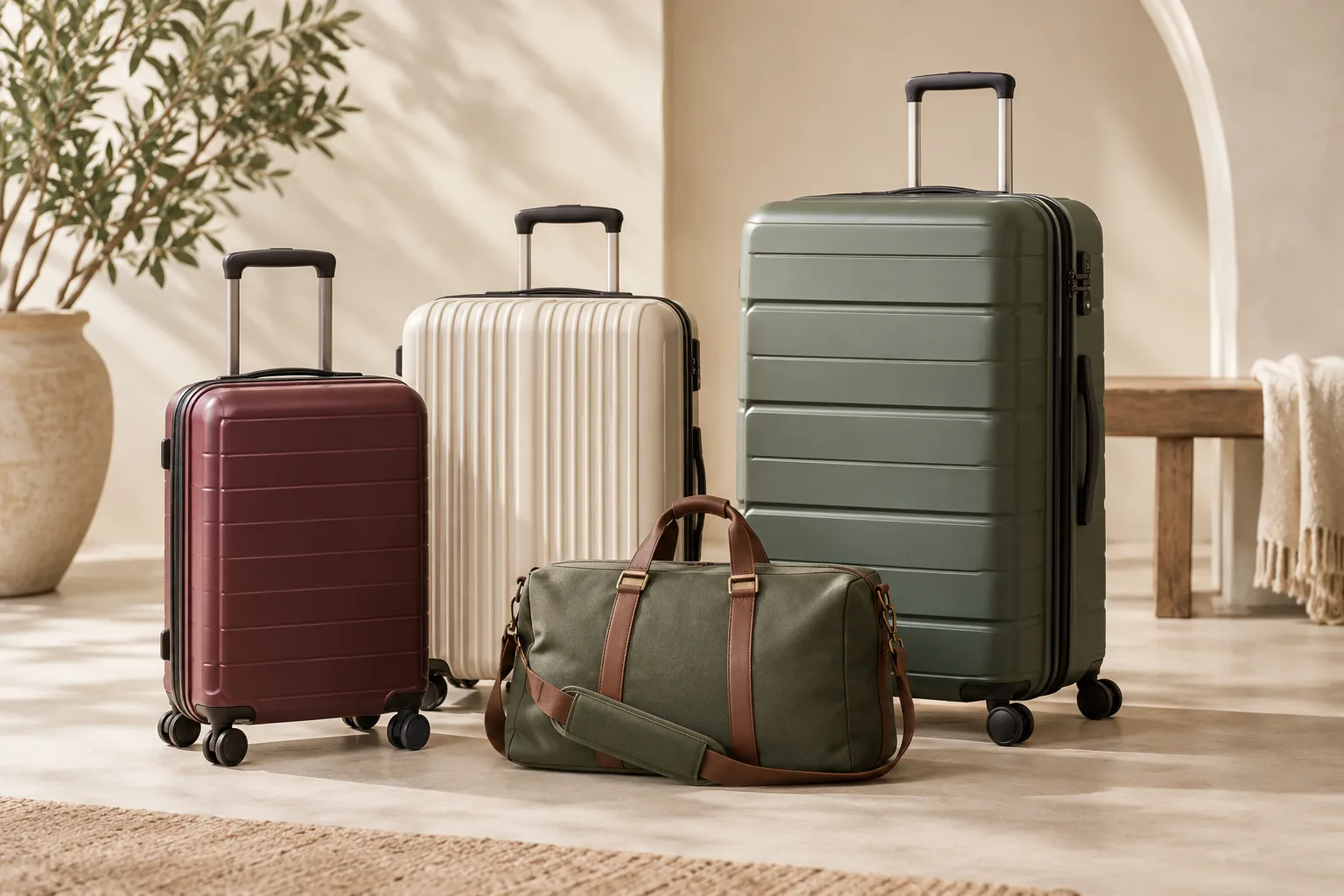
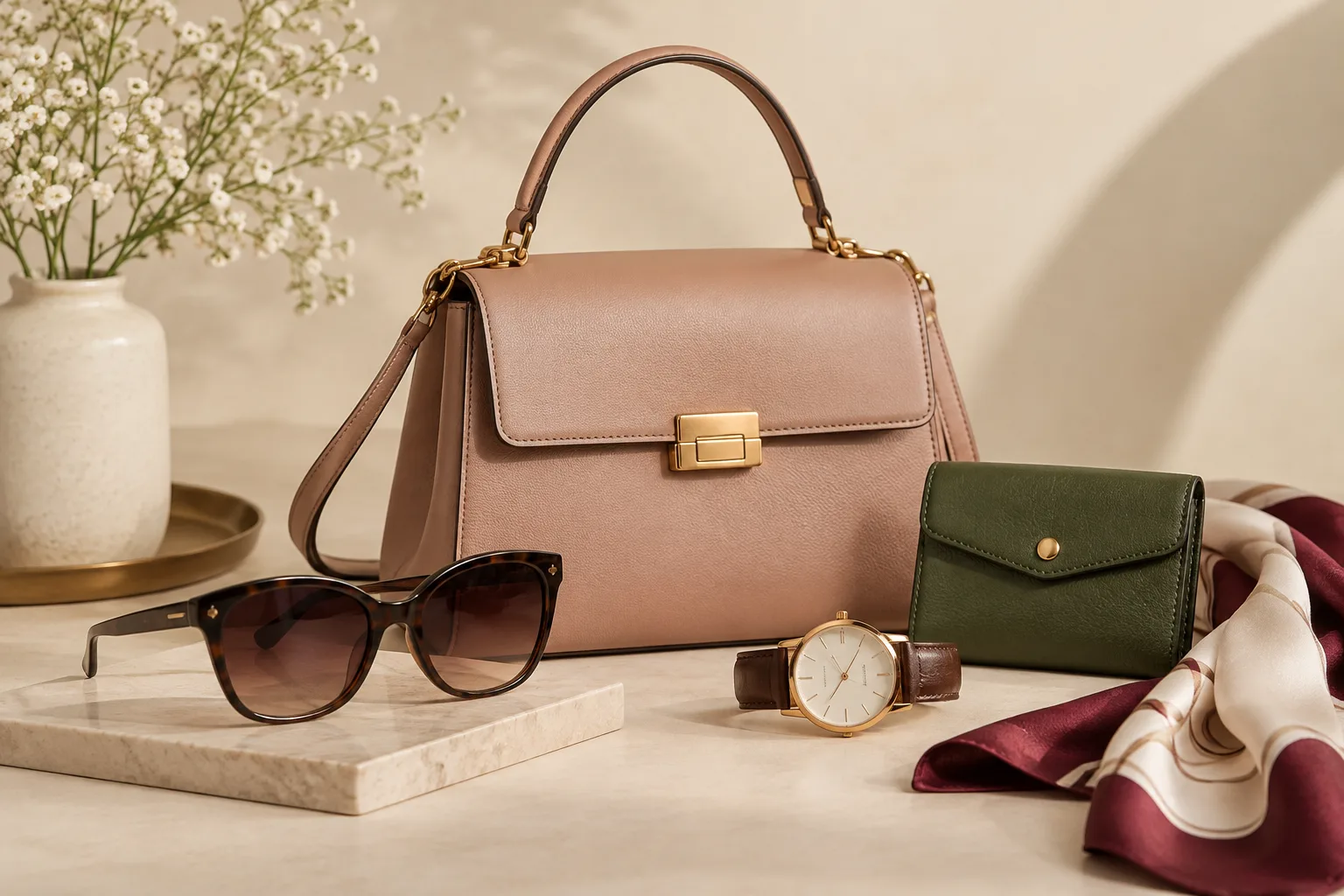
Bags
A bag is bought for what goes inside it, and the product photograph never shows that.
6 types of product
Eyewear, jewellery and watches
3- Eyewear, jewellery and watches

Eyewear
Buyers will not order glasses online until they believe the frame will fit their face.
5 types of product - Eyewear, jewellery and watches
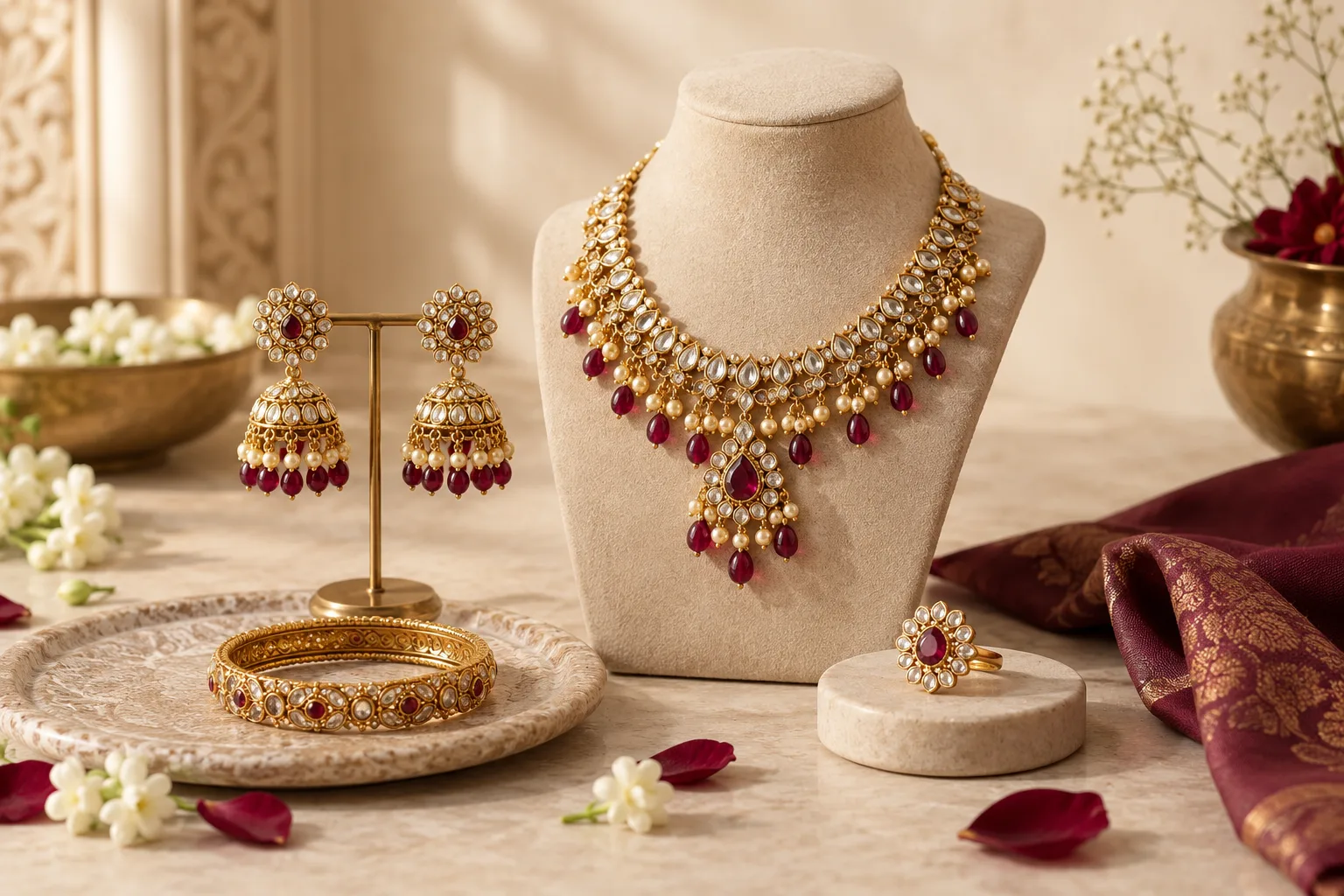
Jewellery
People save our designs online and then buy from a jeweller they already trust.
7 types of product - Eyewear, jewellery and watches
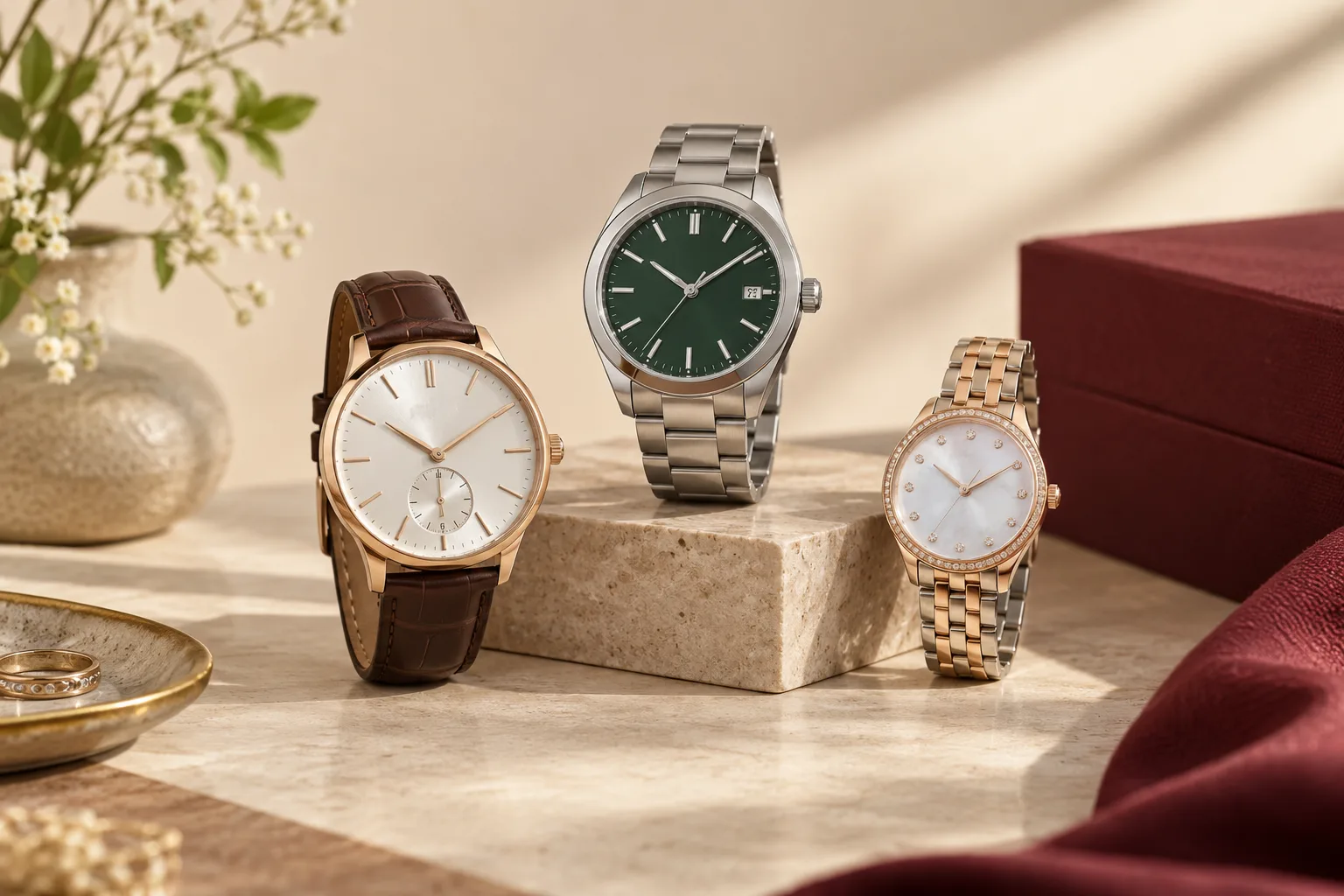
Watches
Watch buyers have already found the model and are only deciding whom to buy it from.
6 types of product
Electronics and technology
7- Electronics and technology
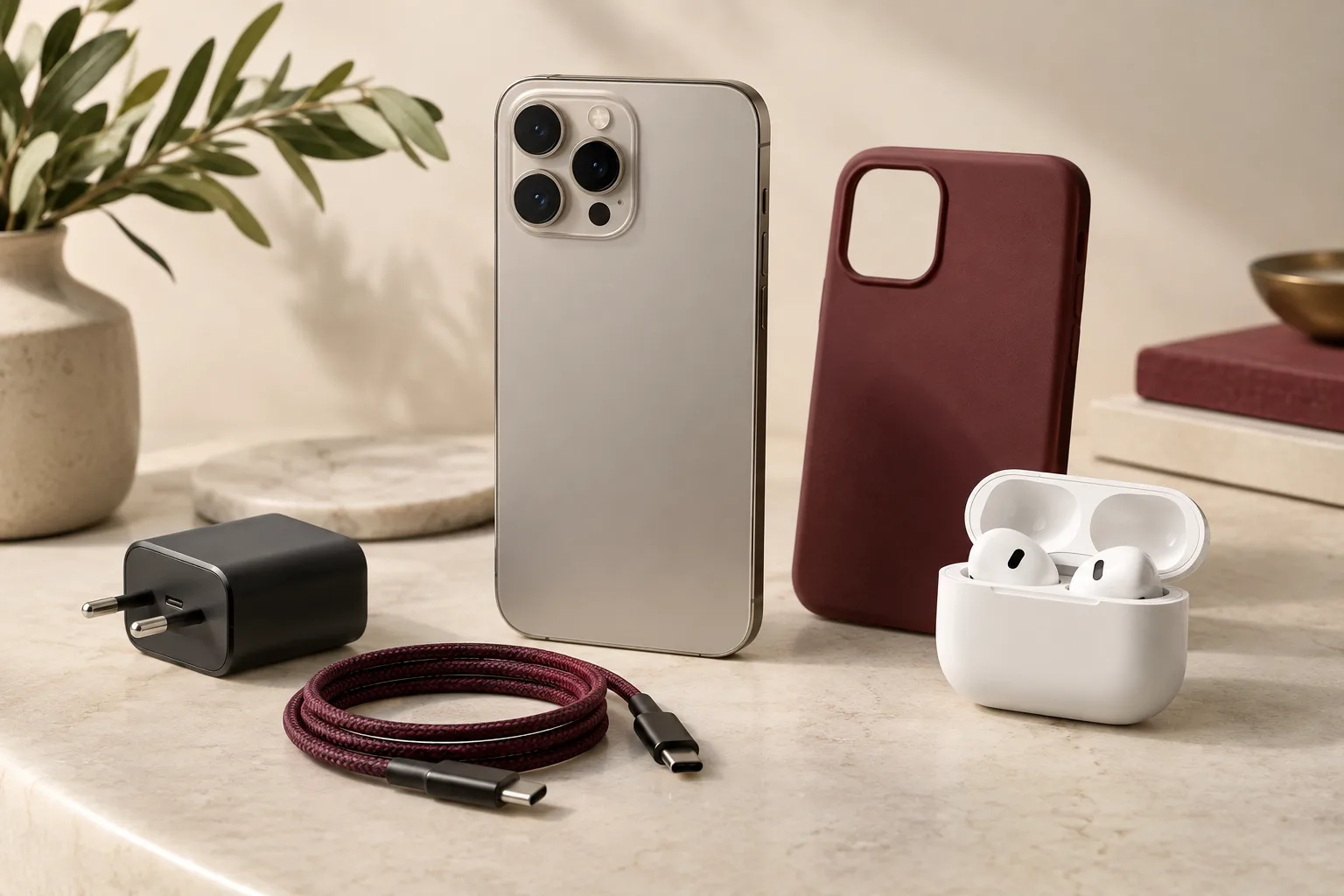
Mobile Phones & Accessories
The phone is the same on every site, so the buyer picks whoever looks safest and delivers first.
6 types of product - Electronics and technology

Computers & Accessories
Buyers open five tabs for your laptop and buy it from whoever answers their spec question.
7 types of product - Electronics and technology
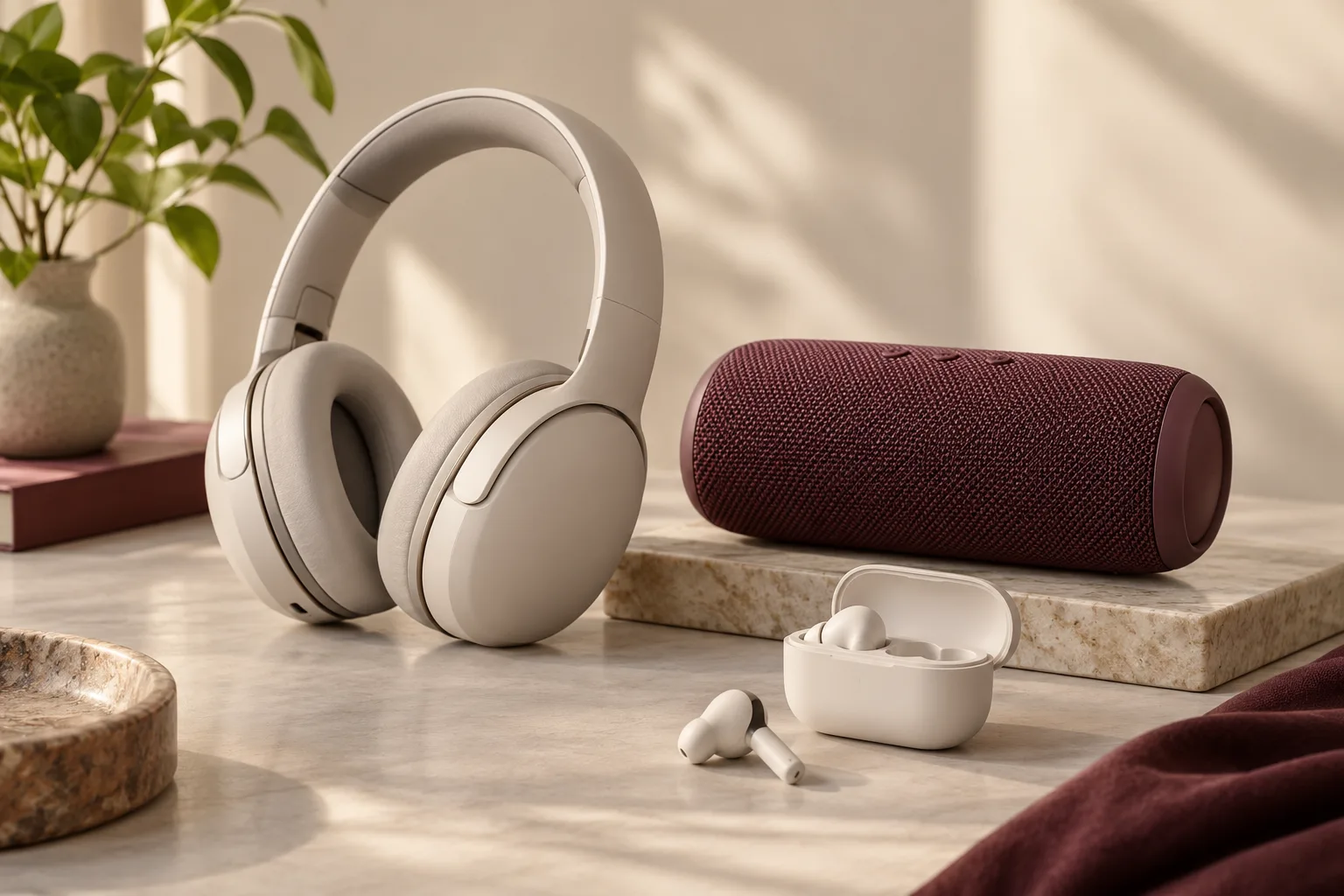
Audio Products
Everyone says their sound is the best, so buyers go looking for who actually tested it.
6 types of product
- Electronics and technology
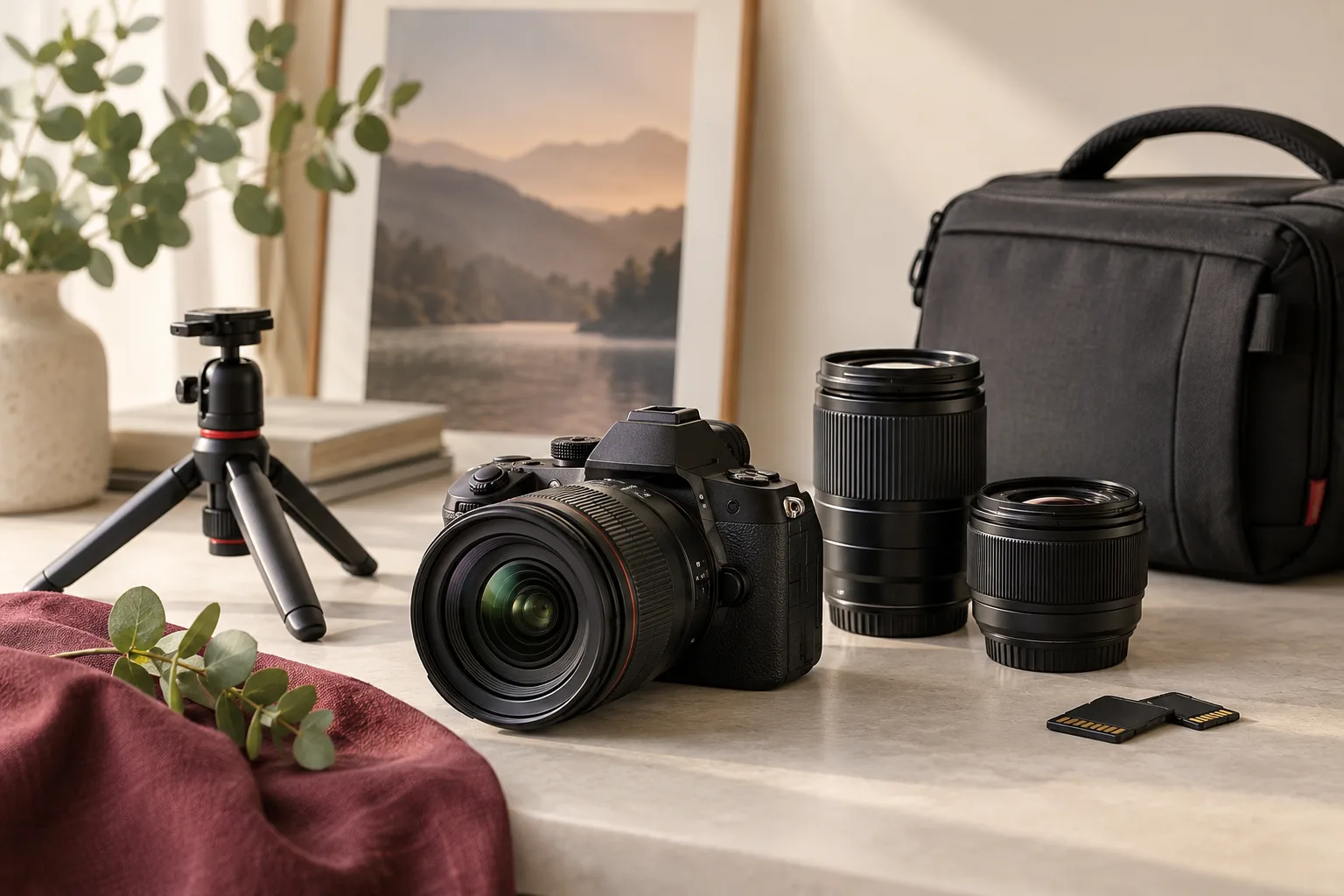
Cameras & Photography
Photographers buy a camera body once and spend on everything else for years.
6 types of product - Electronics and technology

Gaming
Gamers have already watched three reviews, so the seller they pick is the one who knows the game.
5 types of product - Electronics and technology

Wearable Technology
Everyone searches for the watch by its spec sheet and buys the one with the better reviews.
4 types of product - Electronics and technology
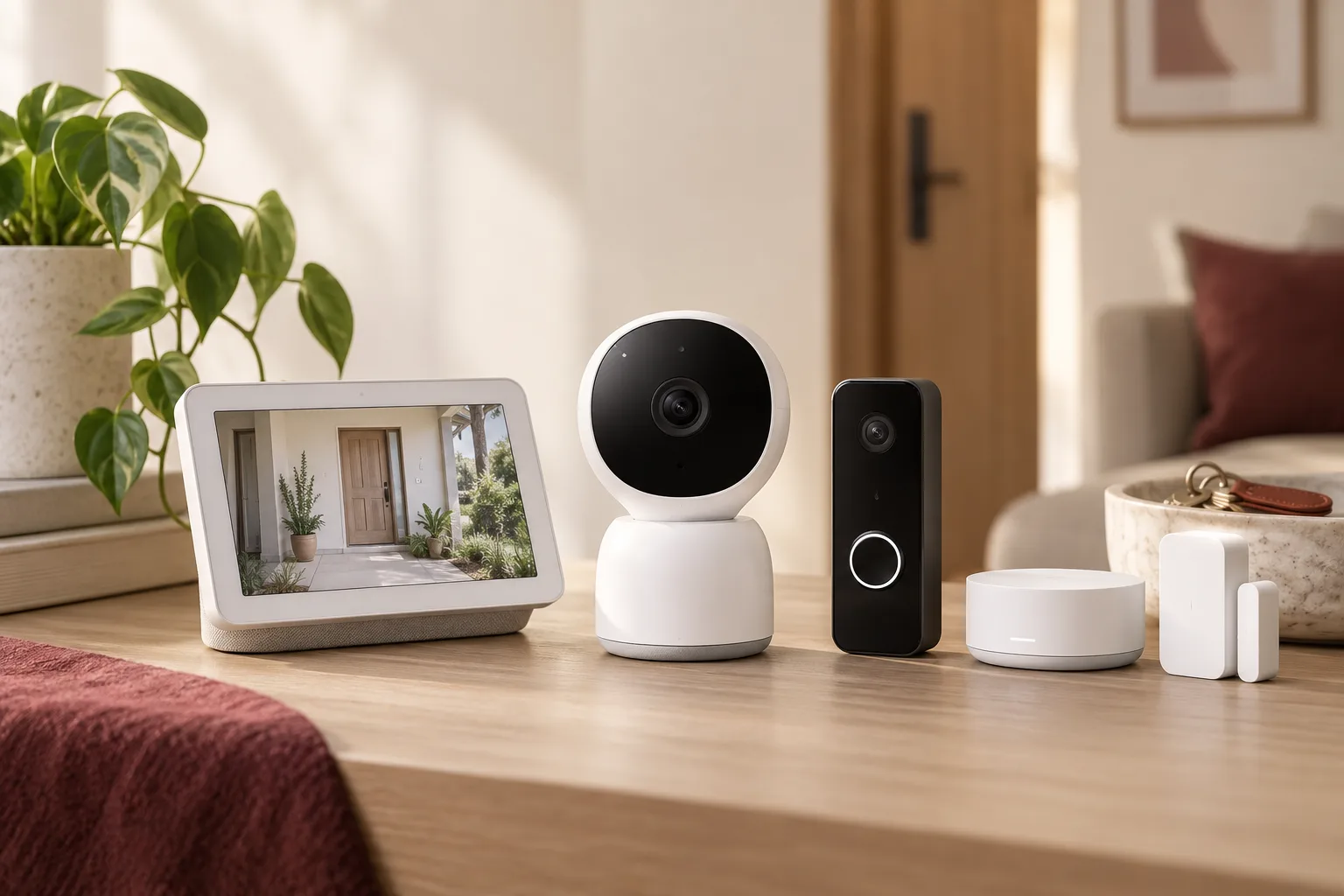
Smart Home & Security
People like the idea of a smart home and are afraid of the part where it stops working.
6 types of product
Beauty and personal care
5- Beauty and personal care

Beauty & Makeup
My shade is the one thing the website cannot show, and it is why people do not order.
5 types of product - Beauty and personal care

Skincare
Buyers read the ingredient list twice and then ask a friend which one they use.
6 types of product - Beauty and personal care

Haircare
Our shampoo gets compared with ten others before anyone adds it to the cart.
7 types of product


Furniture, home and living
8- Furniture, home and living

Furniture
People look at our sofas for weeks and then buy from the showroom they could walk into.
6 types of product - Furniture, home and living
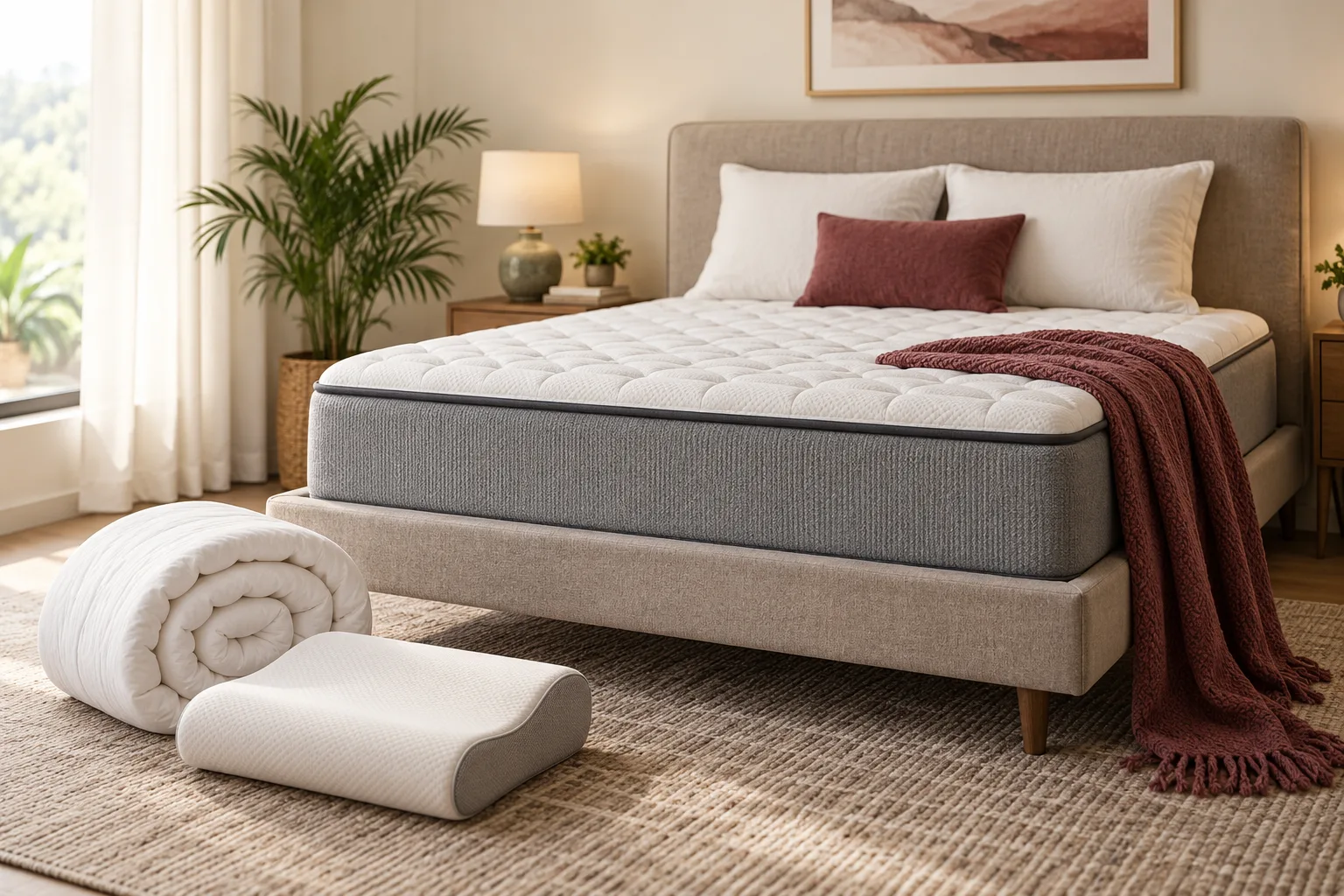
Mattresses & Sleep Products
Nobody lies on your mattress before paying, so your page has to do that job.
5 types of product - Furniture, home and living
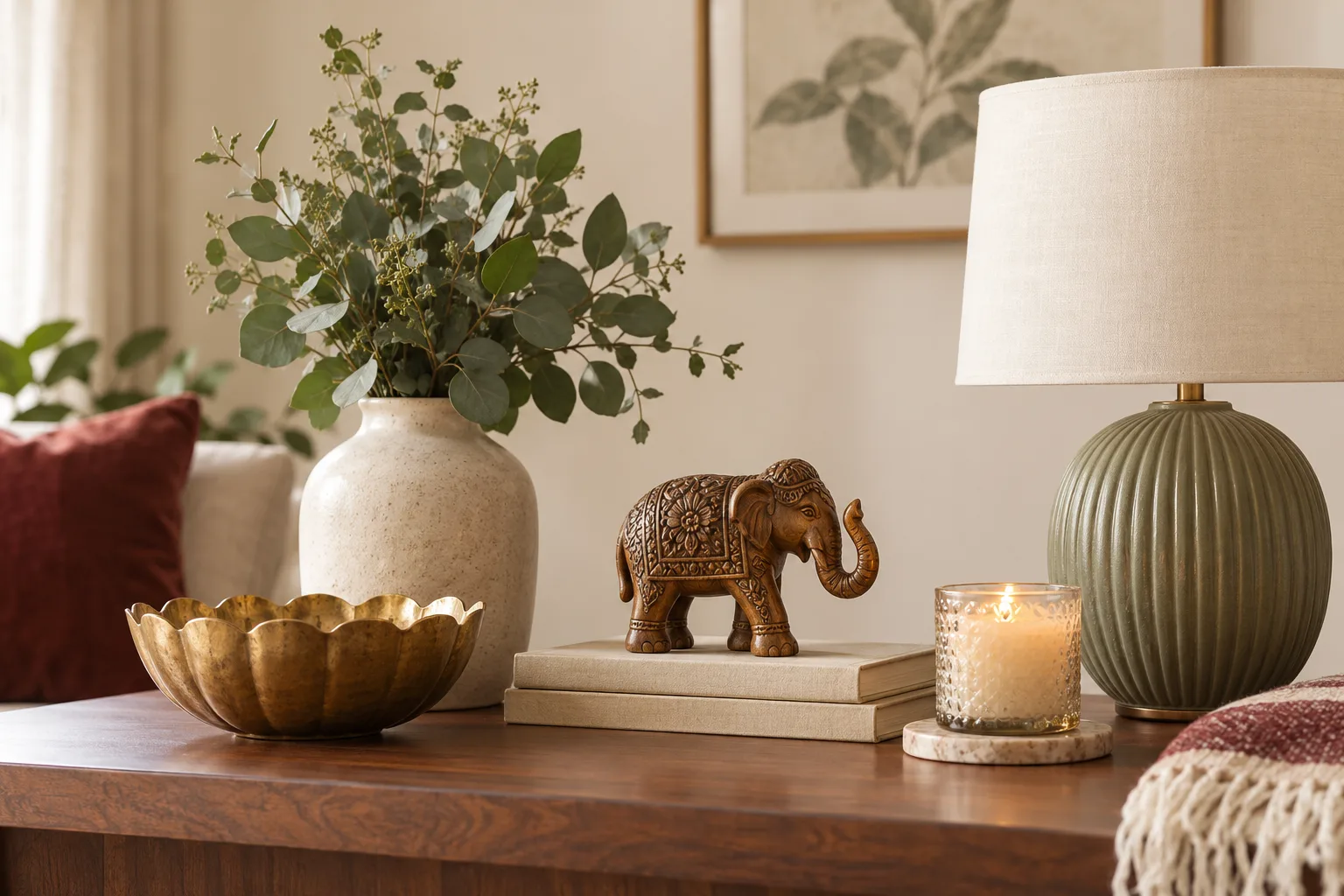
Home Décor
People like your pieces in the photograph and are afraid of how they will look at home.
6 types of product
- Furniture, home and living

Lighting
A light looks lovely on the page and is wrong for the room it was bought for.
6 types of product - Furniture, home and living
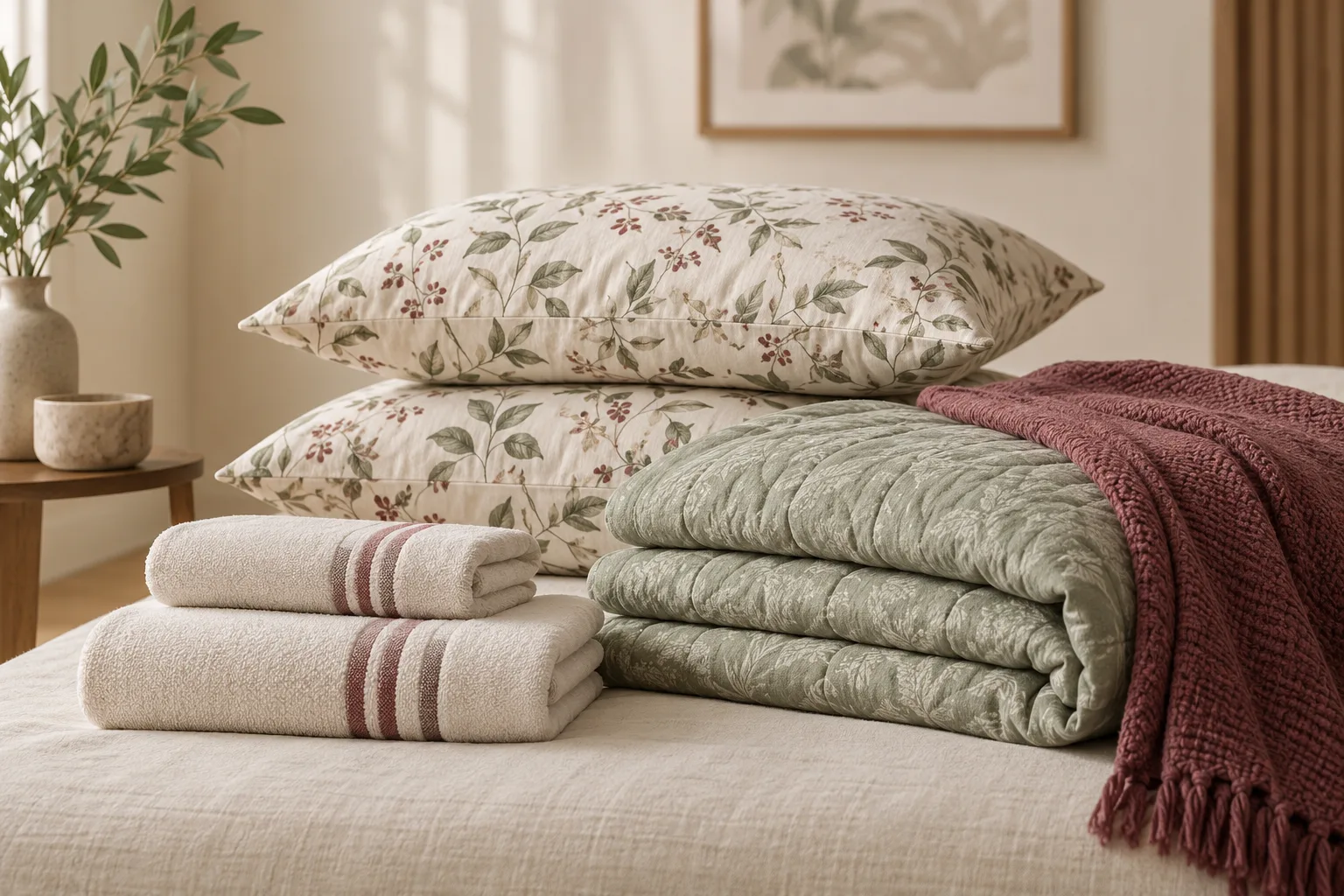
Home Textiles
Buyers cannot feel the fabric, so they believe the numbers and the reviews.
6 types of product - Furniture, home and living
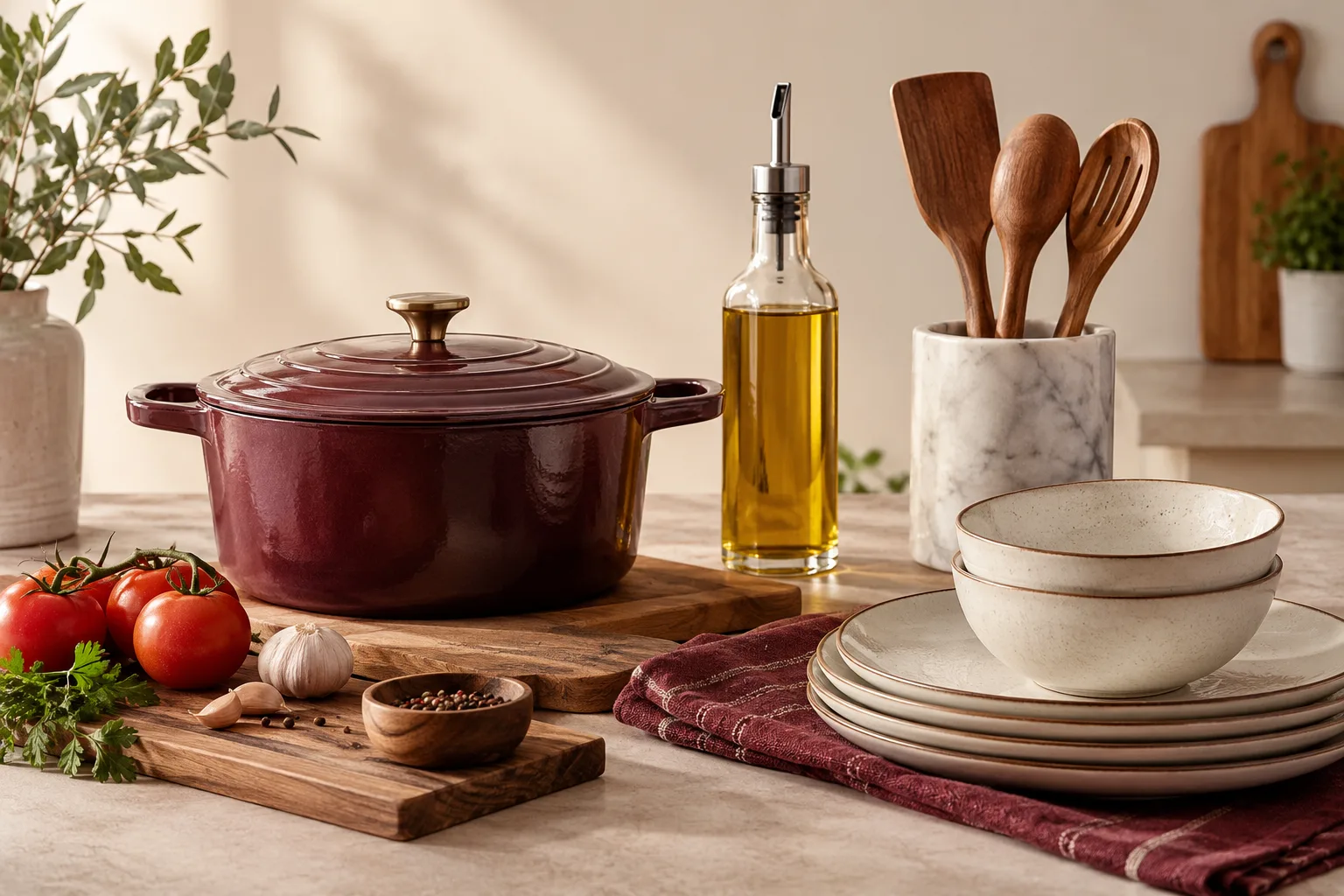
Kitchen & Dining
Buyers add your pan to the wishlist and then buy the one with more reviews.
7 types of product - Furniture, home and living
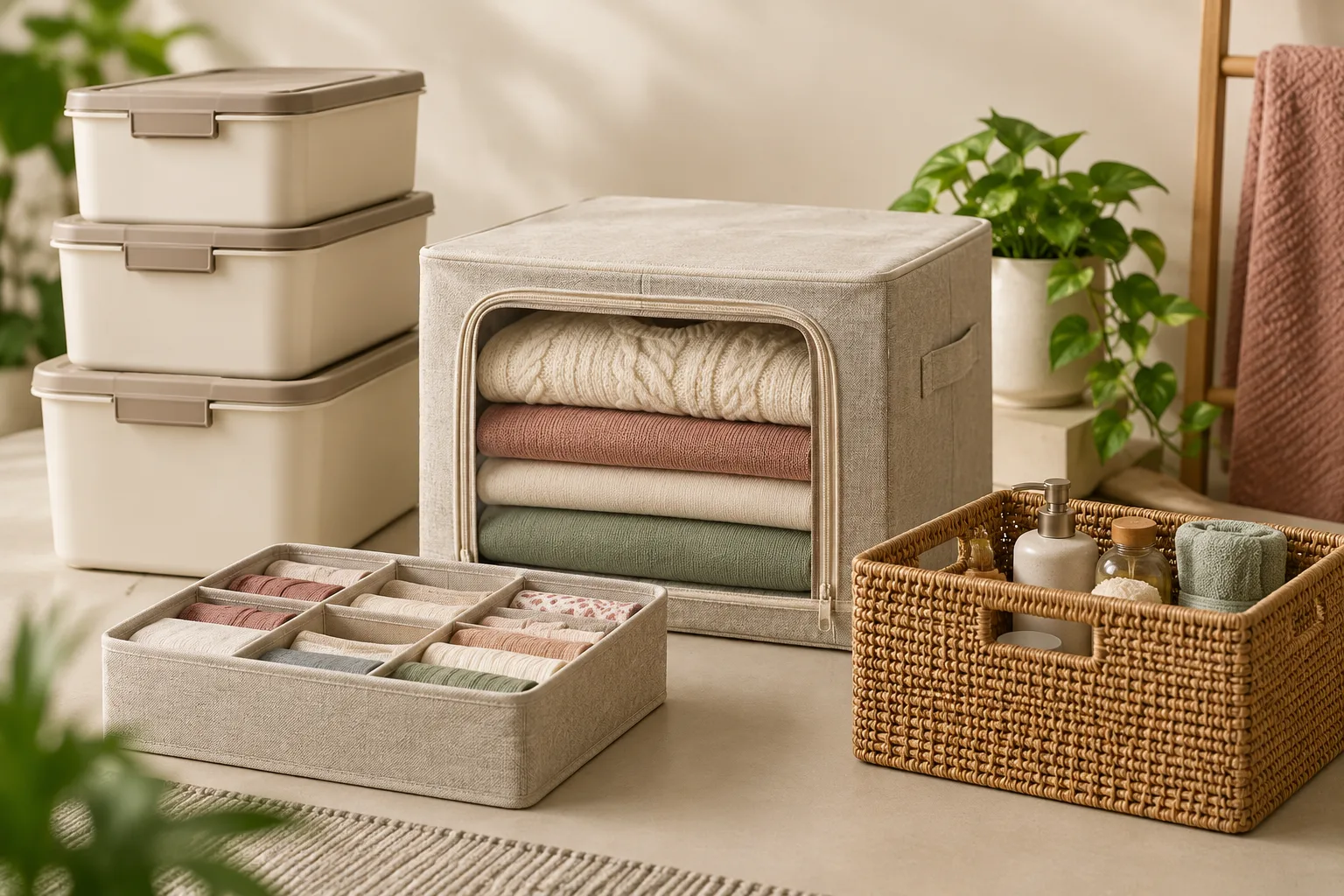
Home Storage & Organisation
Nobody buys a shelf without measuring the wall first, and your listing has no measurements.
5 types of product - Furniture, home and living
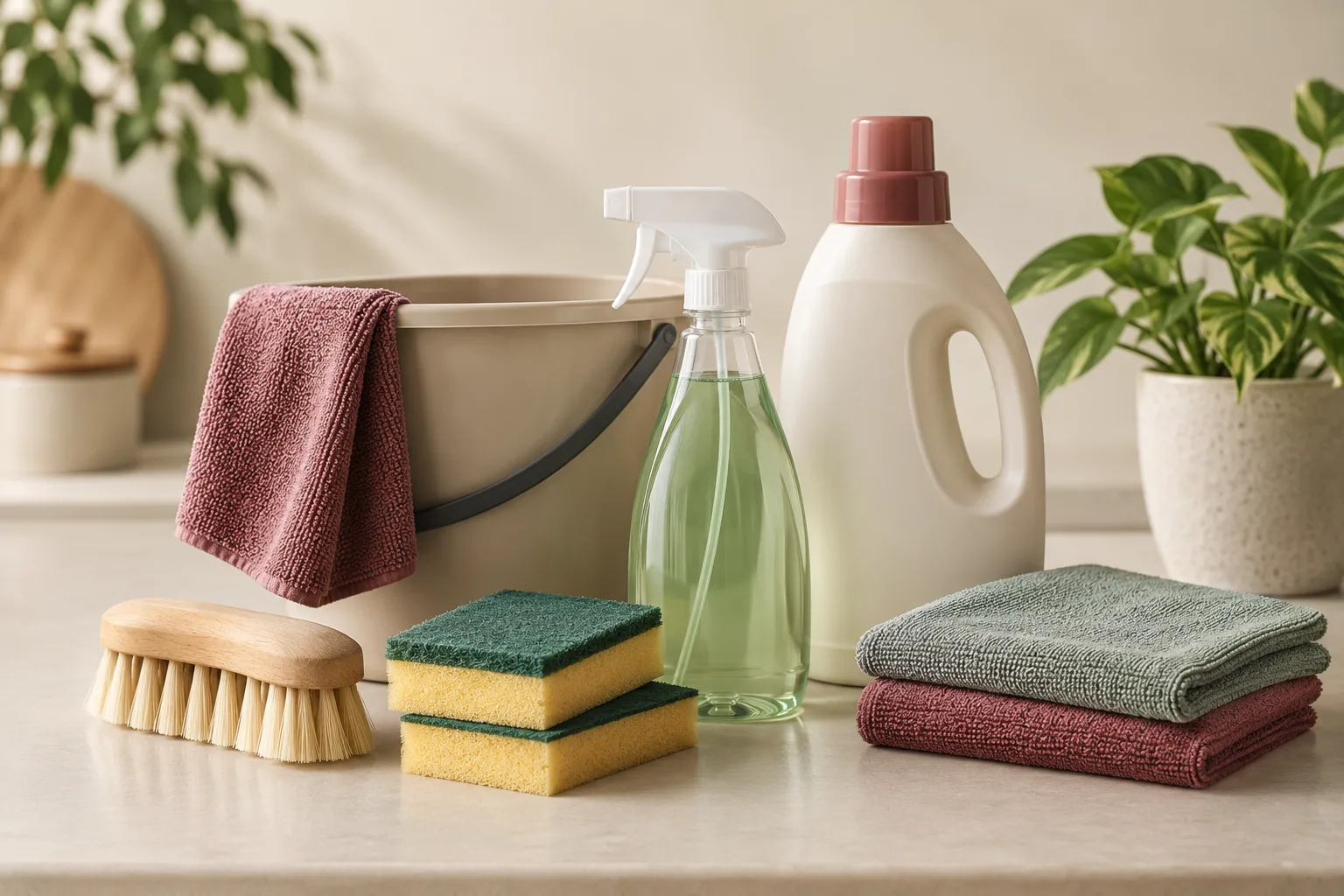
Cleaning & Household Supplies
Cleaning products are bought again and again, and few sellers ask for the second.
5 types of product
Appliances and home comfort
4- Appliances and home comfort
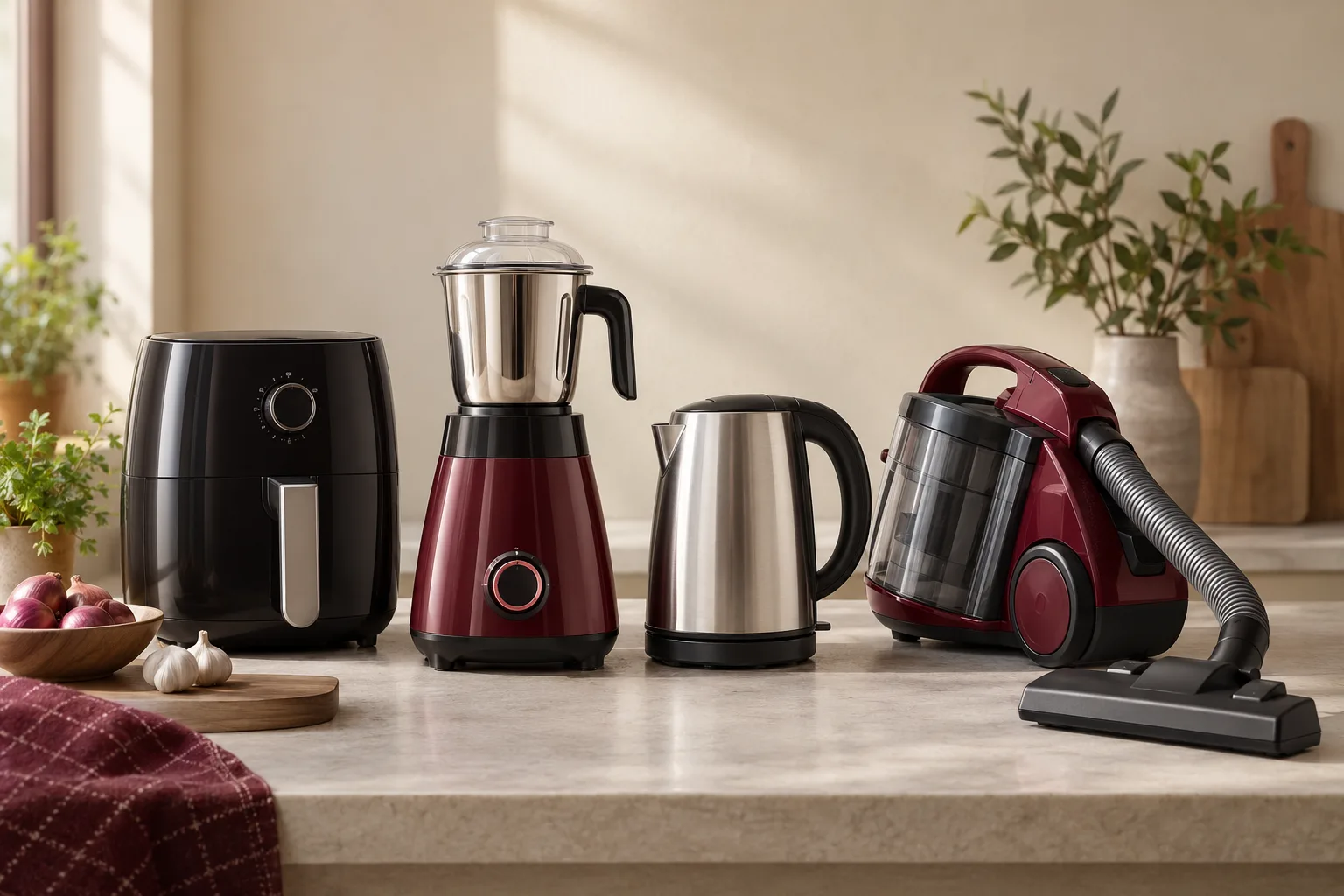
Home Appliances
A refrigerator is a ten-year decision, and the buyer wants an answer before delivery day.
5 types of product - Appliances and home comfort
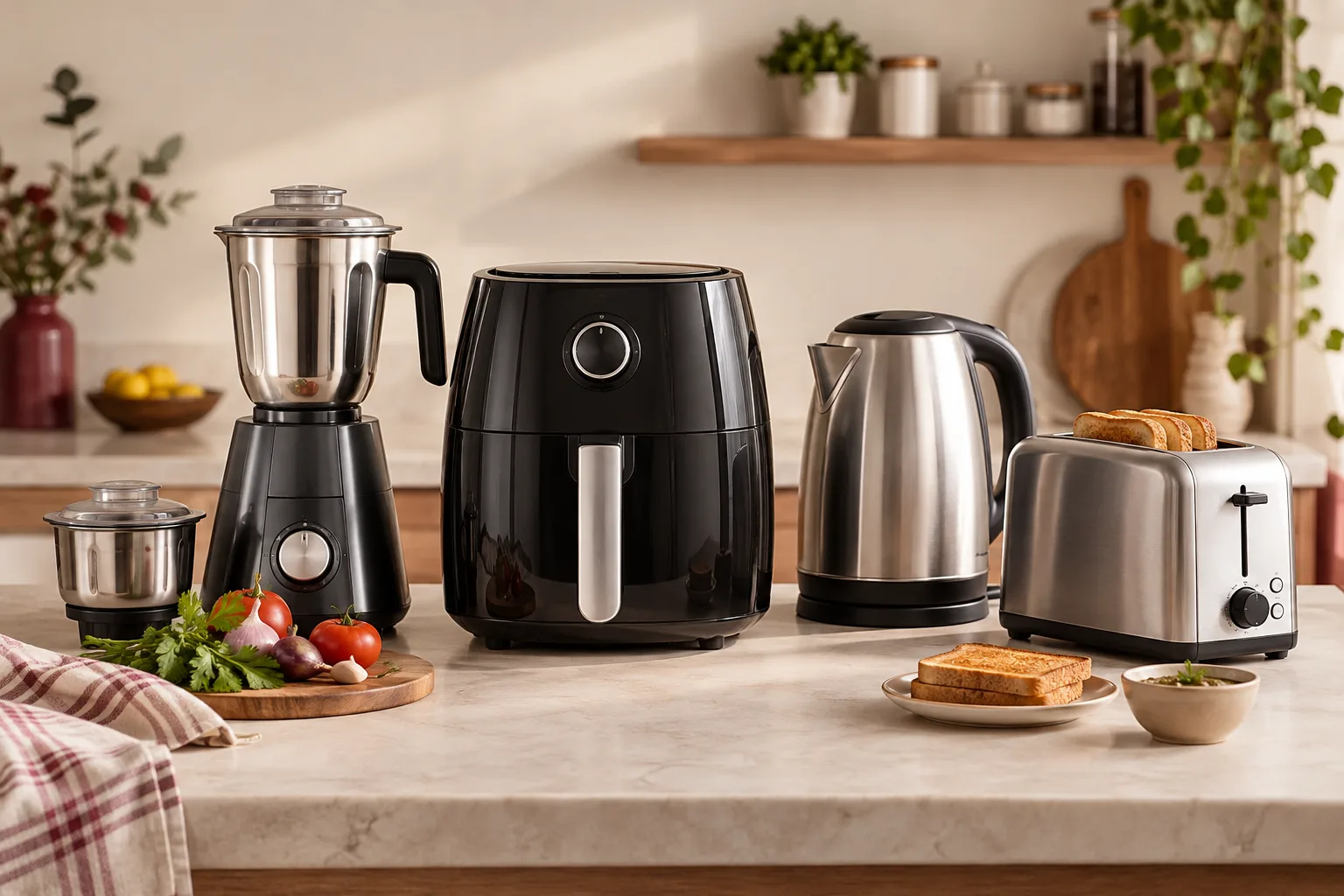
Kitchen Appliances
Buyers compare your mixer on a price tab and then ask who will repair it.
8 types of product - Appliances and home comfort
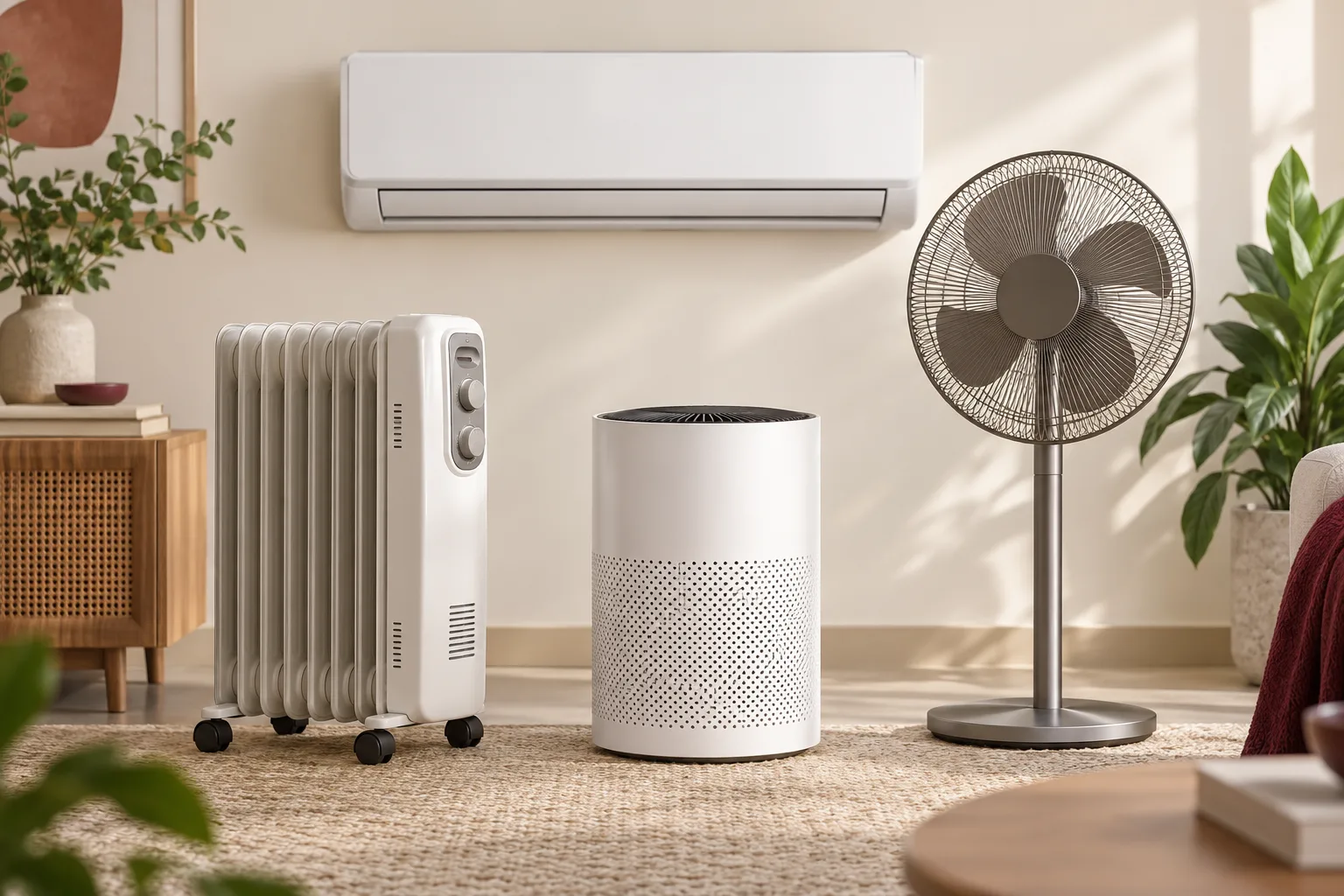
Heating, Cooling & Air Quality
Nobody buys an air conditioner in January, and by May every seller is shouting.
6 types of product
Food and drink
5- Food and drink

Grocery & Pantry
A kilo of rice is the same kilo until the buyer reads the word polished on a rival's pack.
6 types of product - Food and drink

Fresh & Frozen Food
The first order arrived fine, so why did the customer not order again?
7 types of product - Food and drink
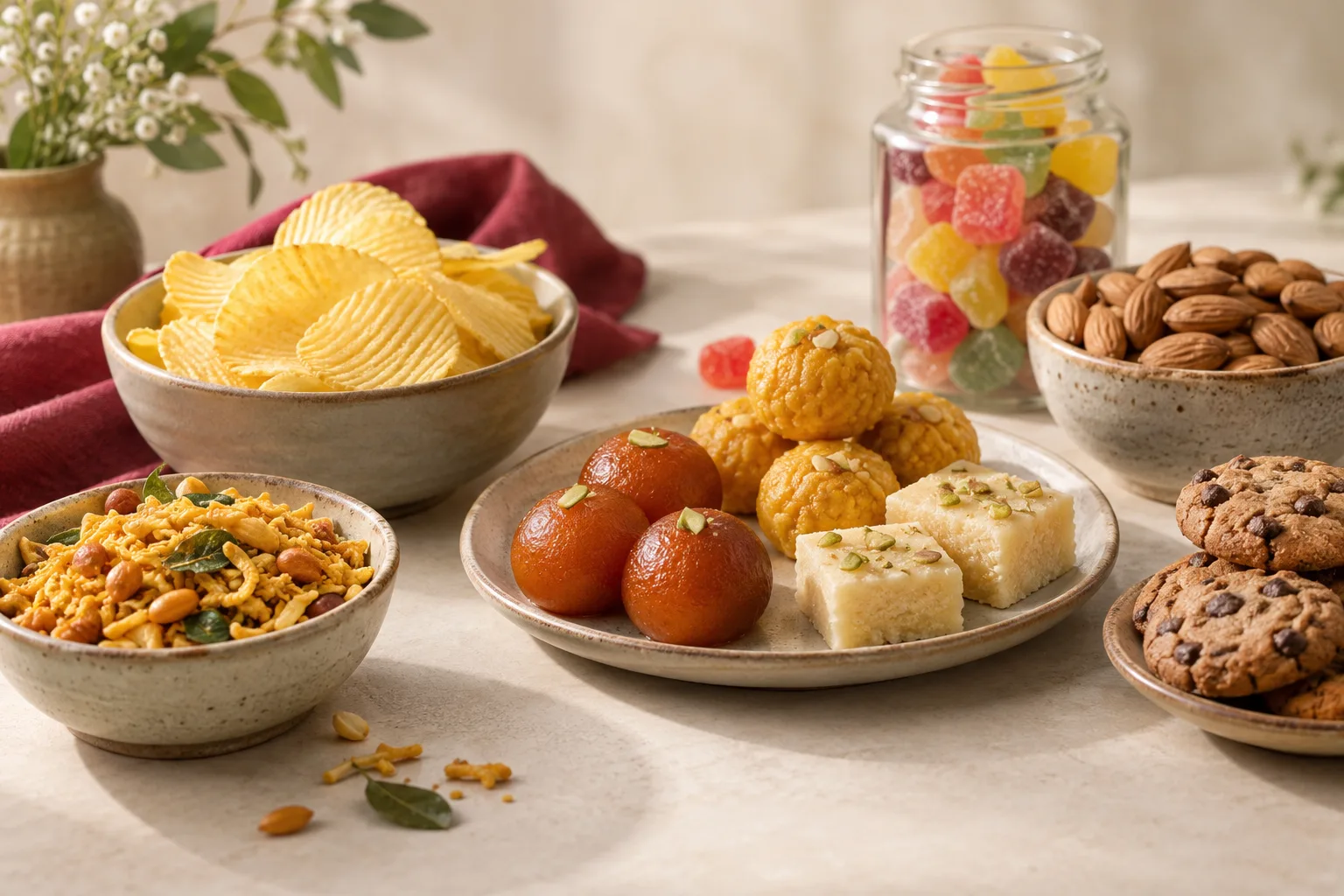
Snacks & Confectionery
Everyone loves our namkeen, but nobody orders it from a website.
6 types of product


Health and nutrition
2- Health and nutrition

Supplements & Nutrition
Buyers read your label before they read your page, and then they check you against the next seller.
5 types of product - Health and nutrition
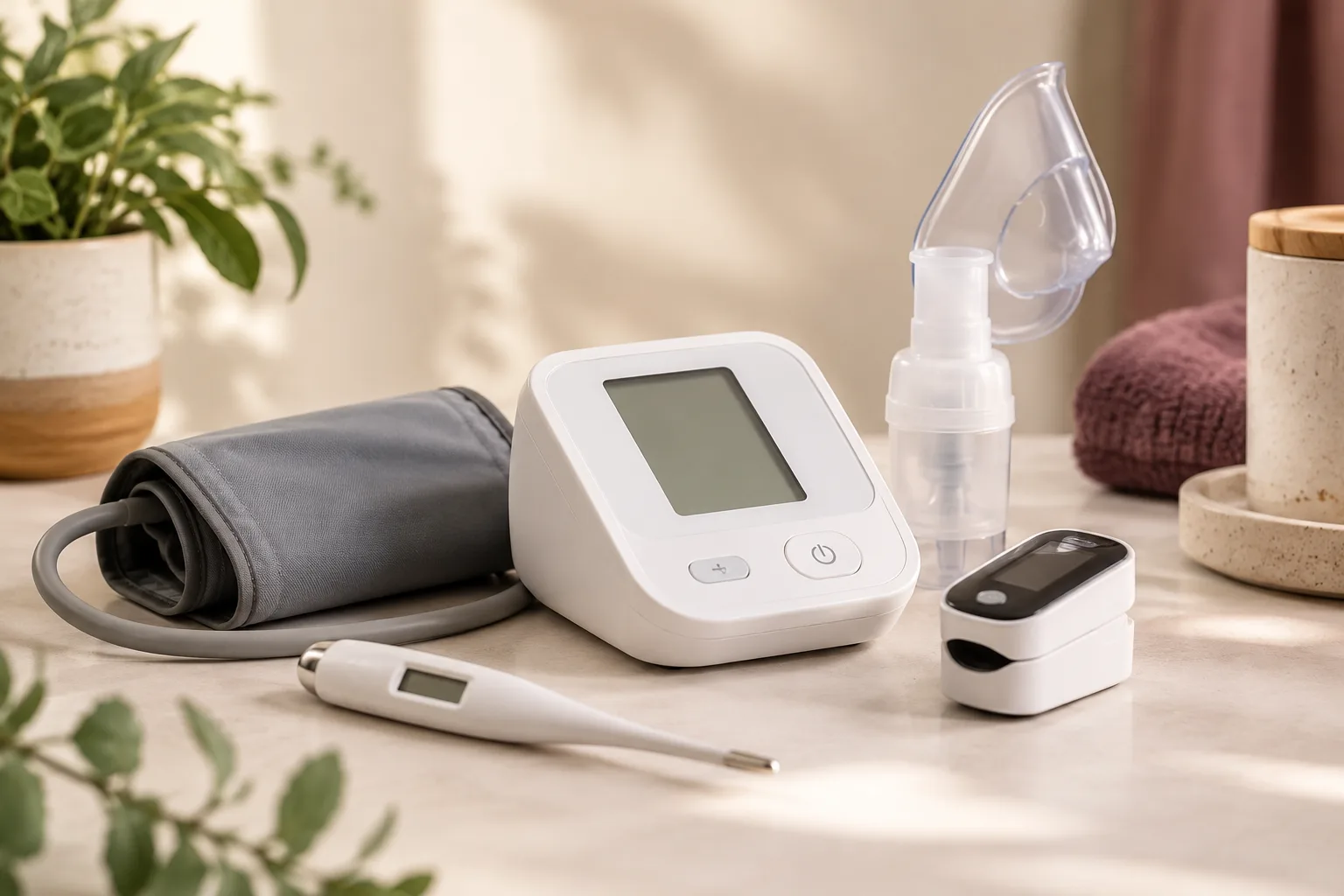
Health Devices & Supplies
Families buy these at a worried moment, so the page has to be calm, clear and easy to check.
5 types of product
Baby, kids, toys and games
4- Baby, kids, toys and games
Baby Products
New parents read every review twice, and they do not forgive a product that failed another family.
7 types of product - Baby, kids, toys and games

Maternity Products
A woman who is pregnant shops for a body that changes every month, so one size on the page is never enough.
4 types of product - Baby, kids, toys and games
Toys
The child asks for the toy but a parent decides whether it goes in the basket.
7 types of product

Sports, fitness and outdoors
5- Sports, fitness and outdoors

Sports Equipment
Players buy the kit their coach or their favourite player recommends, and your page has to be in that conversation.
8 types of product - Sports, fitness and outdoors

Fitness & Yoga
People buy fitness gear in January and use it in February, and the sale you want is the second one.
6 types of product - Sports, fitness and outdoors

Cycling
Riders read the reviews, compare us with the shop down the road and then ask where to test the bike.
5 types of product

Pets, garden and patio
3- Pets, garden and patio

Pet Supplies
Pet owners buy for an animal they love and will not risk it on a seller they do not trust.
5 types of product - Pets, garden and patio

Garden Supplies
Your plants leave the nursery healthy and some arrive looking dead.
6 types of product - Pets, garden and patio

Patio & Outdoor Living
Customers dream of the terrace and then ask whether it will survive the monsoon.
5 types of product
Automotive and motorcycle
4- Automotive and motorcycle
Automotive Parts
The part is in stock, but the buyer cannot tell whether it fits.
5 types of product - Automotive and motorcycle
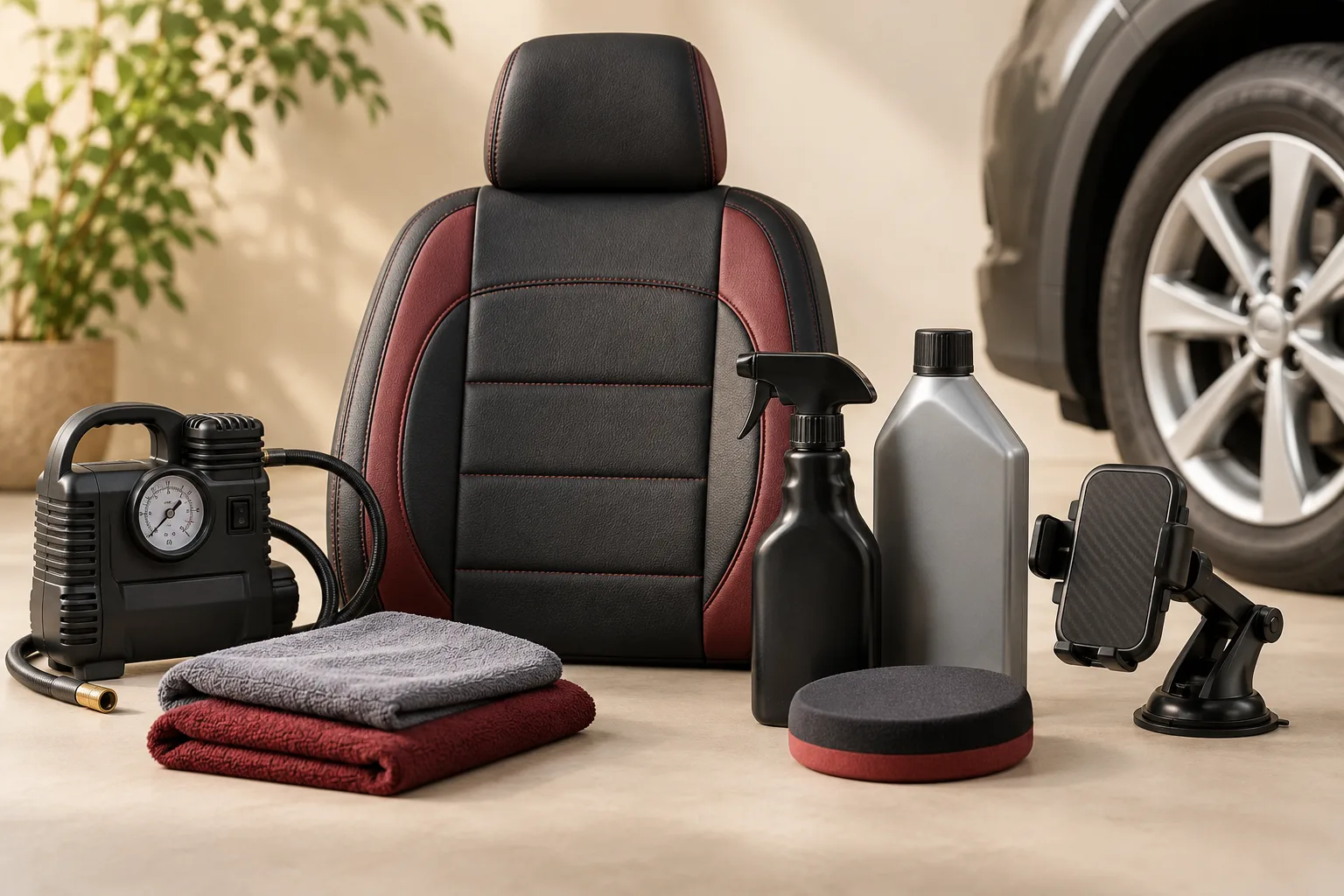
Automotive Accessories & Care
People love their car, but they will not buy a mat that is cut for the wrong one.
5 types of product - Automotive and motorcycle
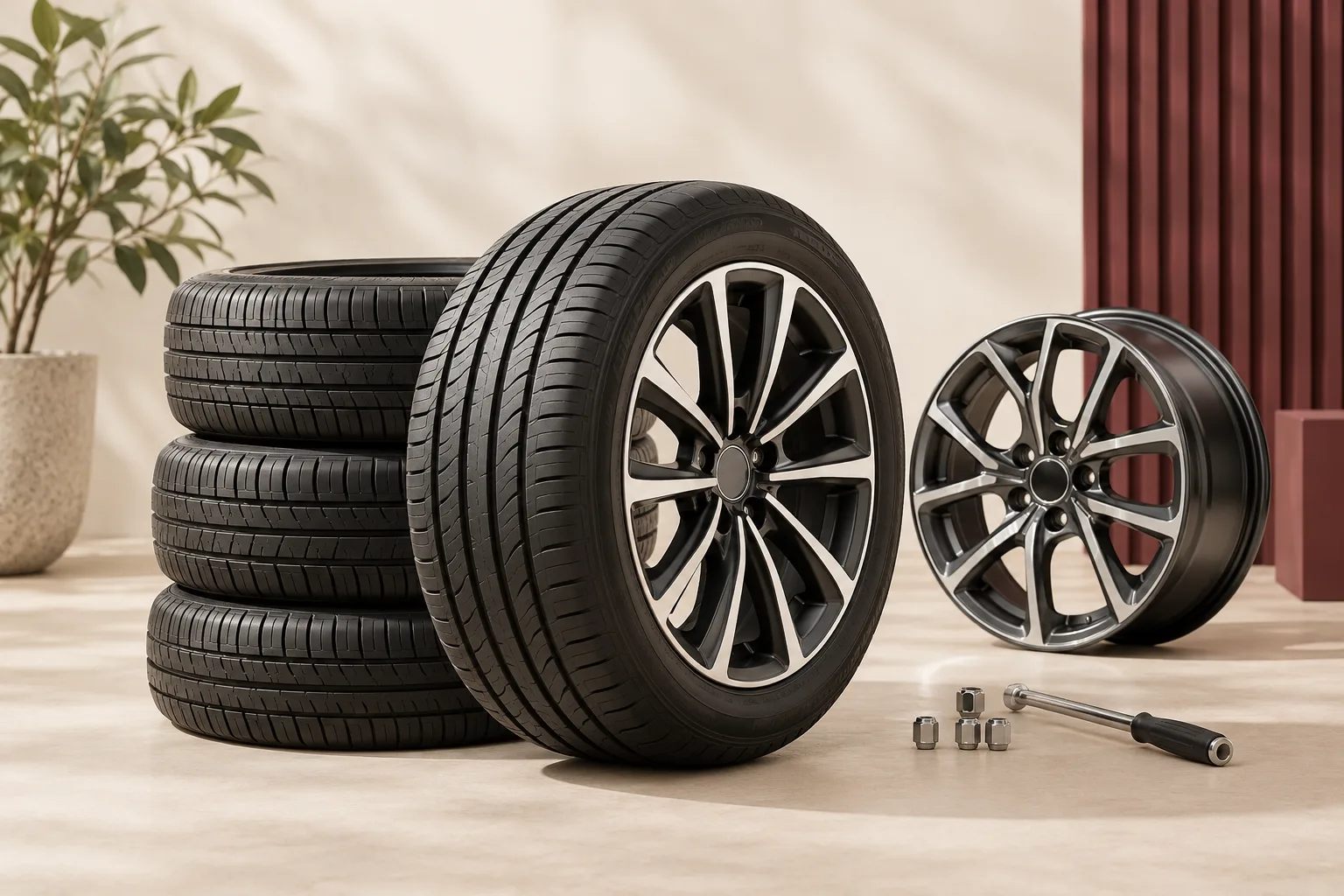
Tyres & Wheels
The buyer has the tyre size in hand, but nobody near them will fit it.
5 types of product
Tools, hardware and building
5- Tools, hardware and building
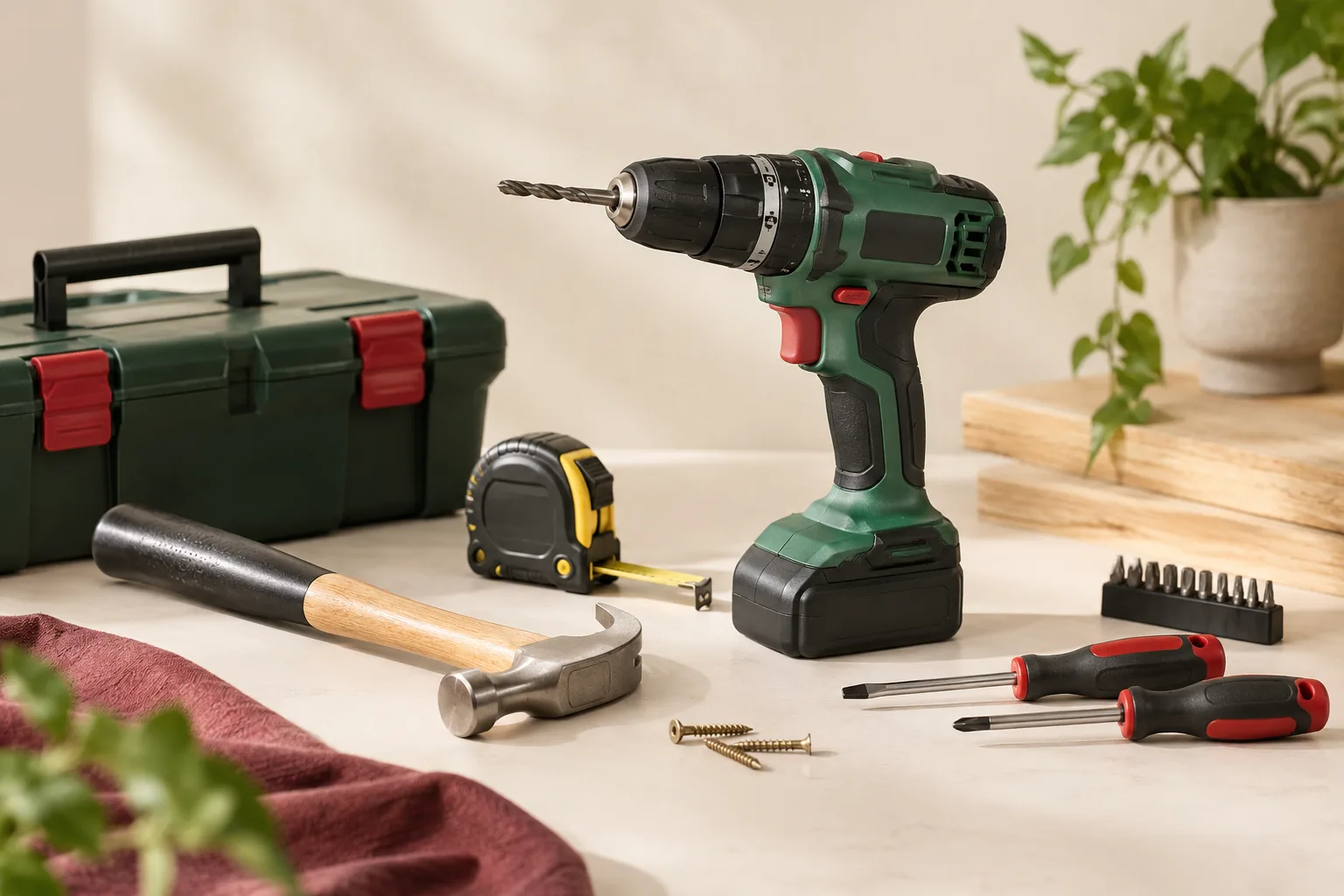
Tools
A homeowner wants one drill and a mechanic wants twelve spanners, and both land on your page.
5 types of product - Tools, hardware and building
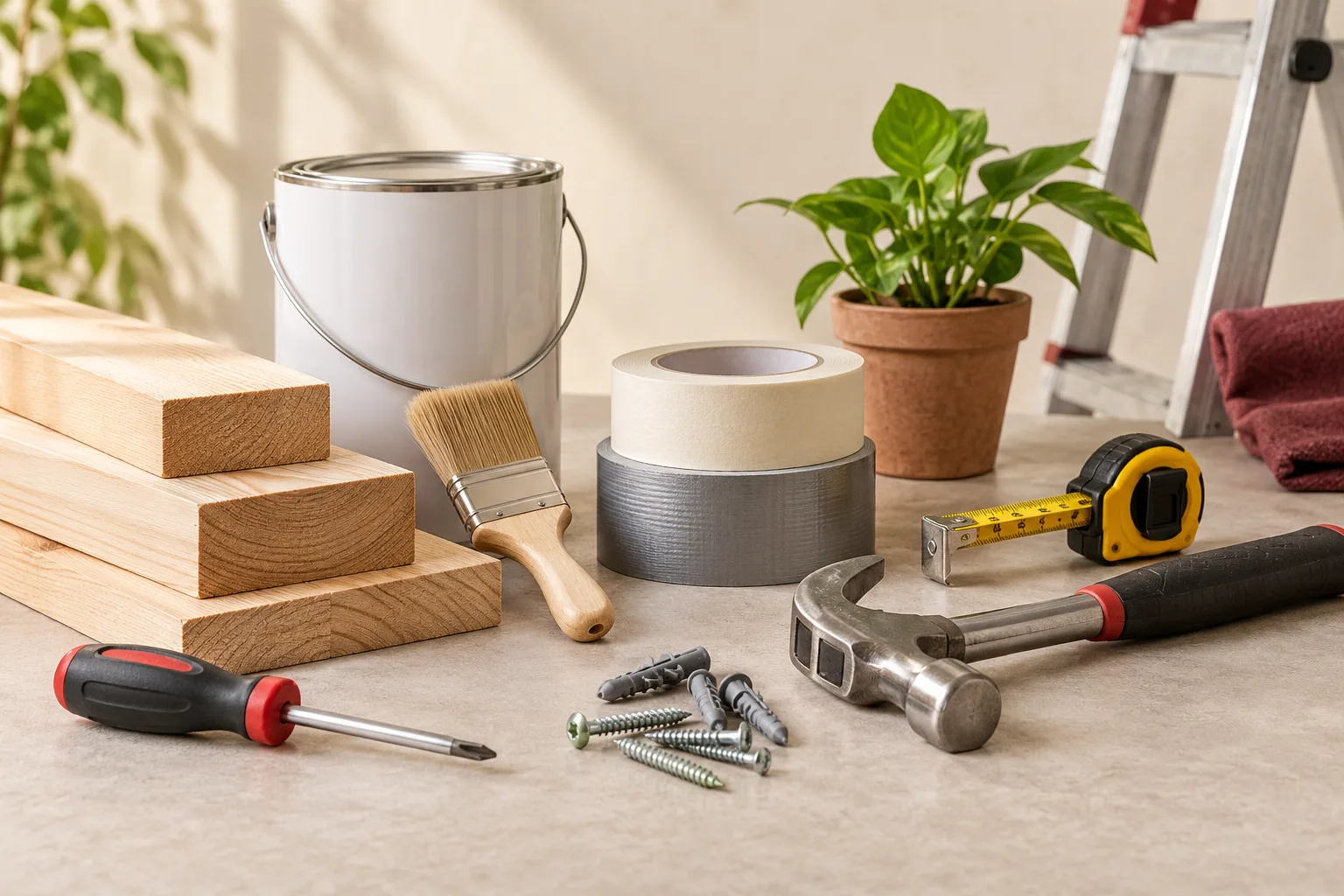
Hardware & Building Supplies
The site has a thousand products and the contractor still phones to ask whether you have the size.
5 types of product - Tools, hardware and building
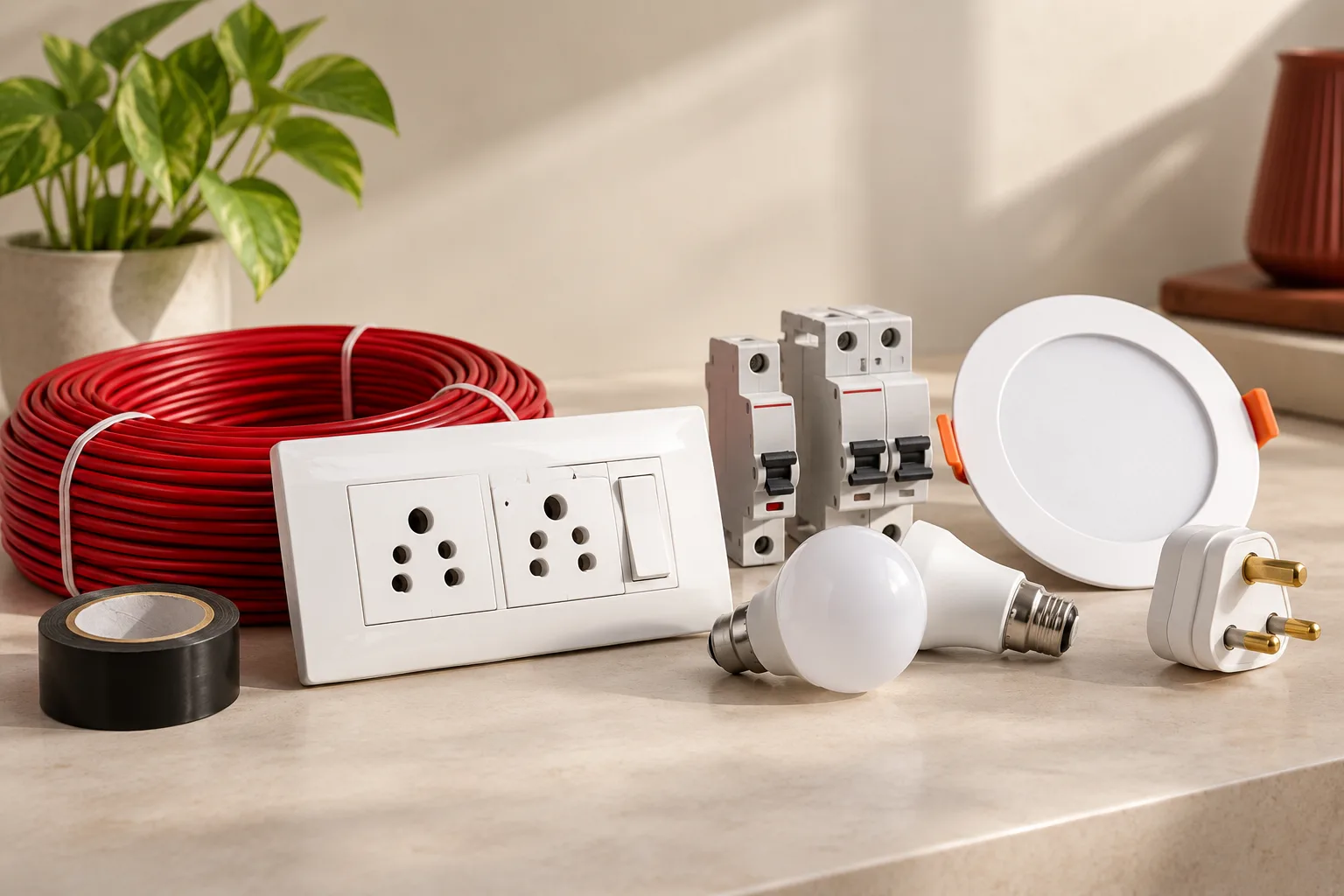
Electrical Supplies
The homeowner asks which wire, the electrician says which wire, and they are both on your page.
4 types of product
- Tools, hardware and building
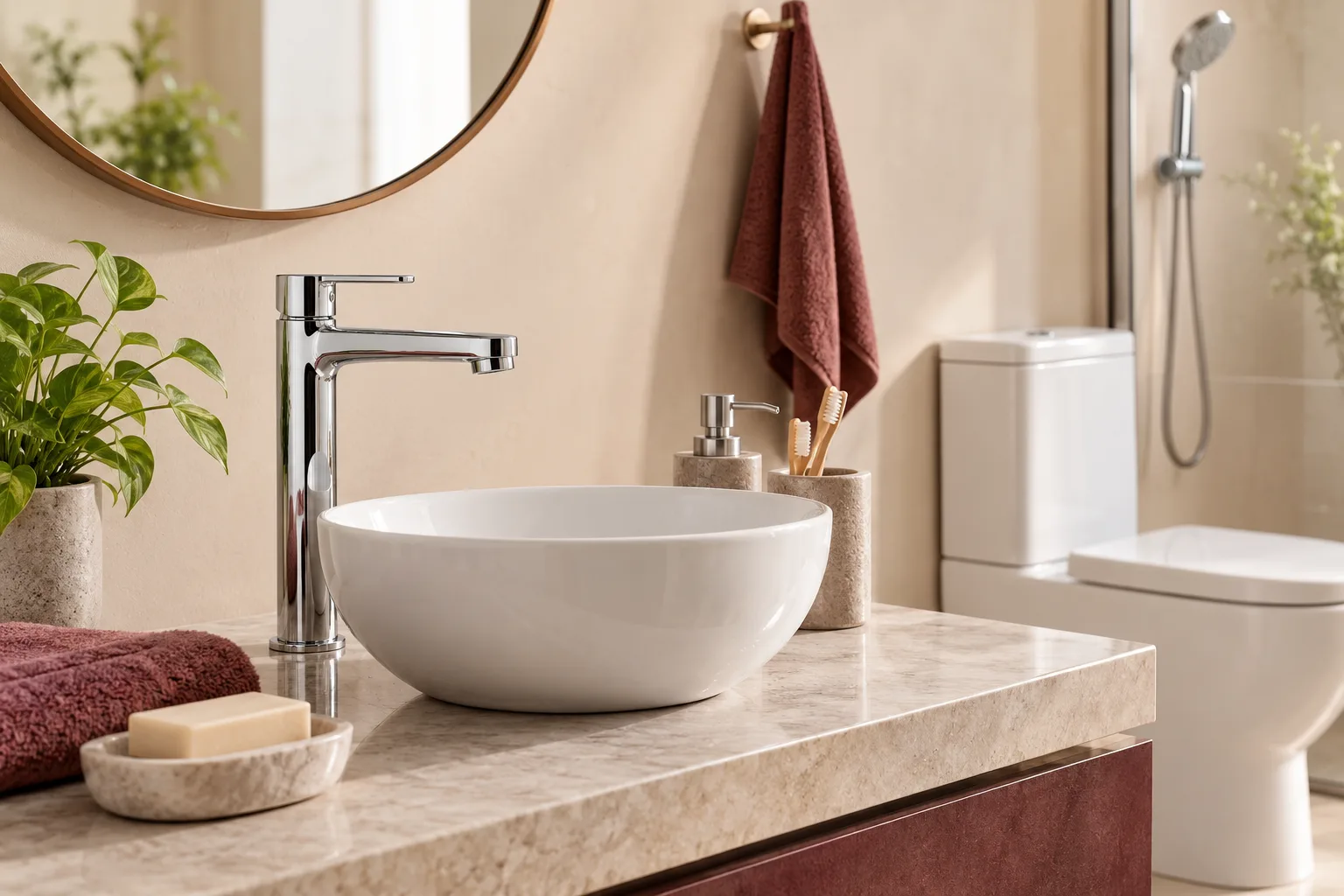
Plumbing & Bathroom Products
The bathroom is chosen by the family and fitted by the plumber, and the plumber has the last word.
5 types of product - Tools, hardware and building
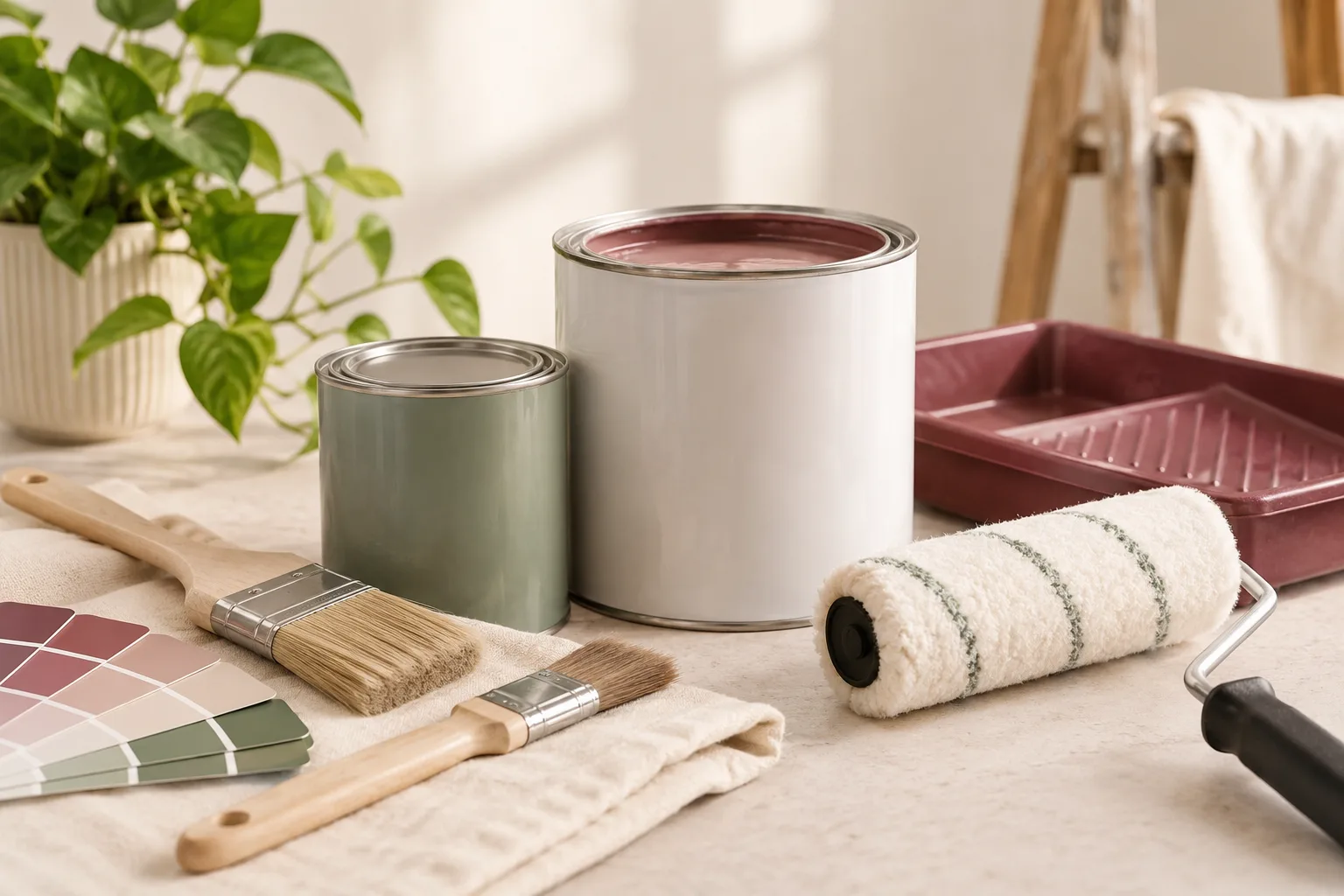
Paints & Painting Supplies
Customers love the shade on screen and then ask whether it will look the same on the wall.
5 types of product
Books, office, art and hobbies
7- Books, office, art and hobbies

Books
Readers know the title they want and still buy it from someone else.
6 types of product - Books, office, art and hobbies

Stationery
Everyone likes our notebooks, but nobody pays more than the shop down the road.
5 types of product - Books, office, art and hobbies

Office Supplies & Equipment
Offices reorder from the person who answers first, and that is rarely us.
6 types of product
- Books, office, art and hobbies

Art Supplies
Artists will pay for the paint they trust and nothing else.
6 types of product - Books, office, art and hobbies
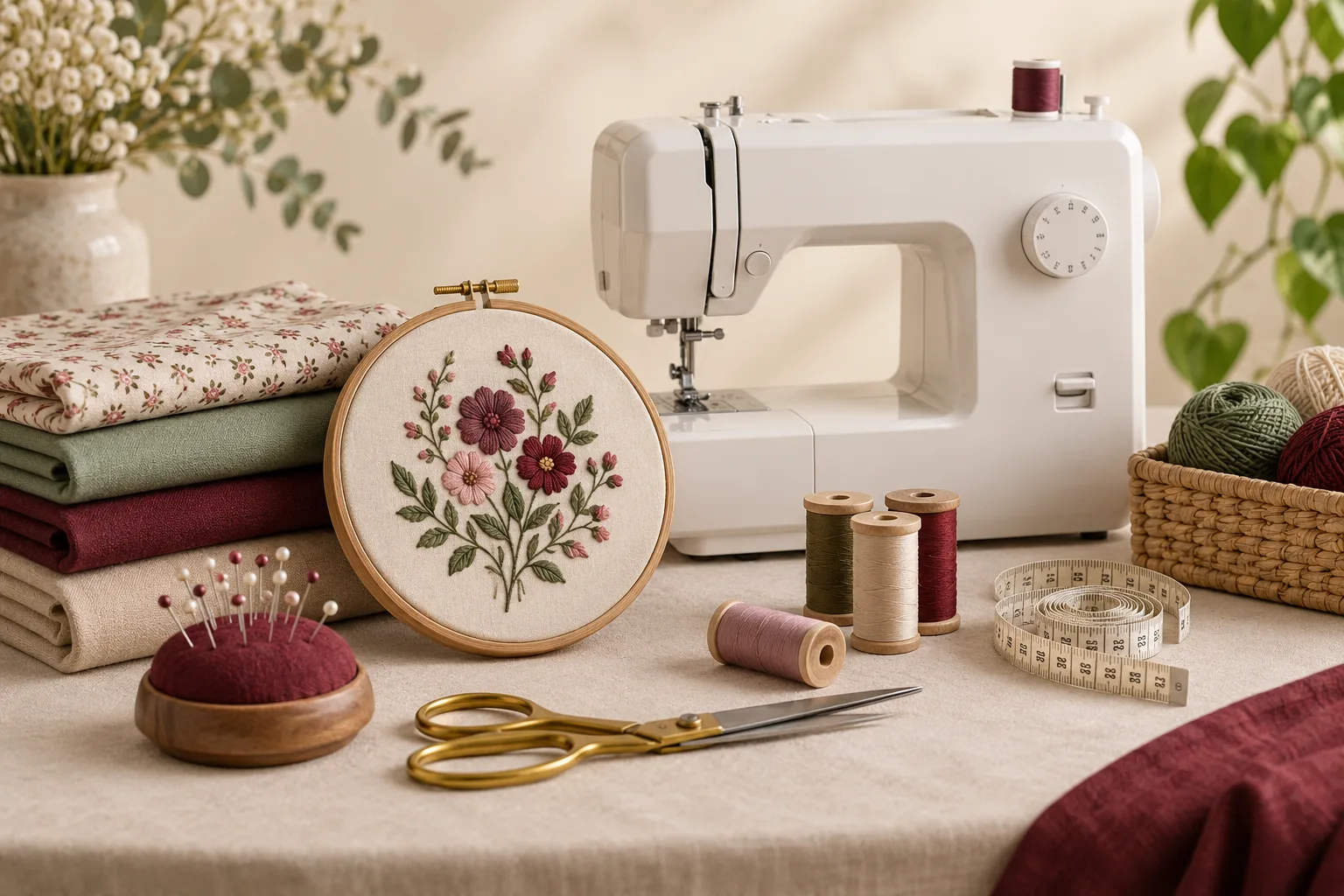
Crafts & Sewing
Crafters buy materials for a project, and one missing item means no sale.
6 types of product - Books, office, art and hobbies
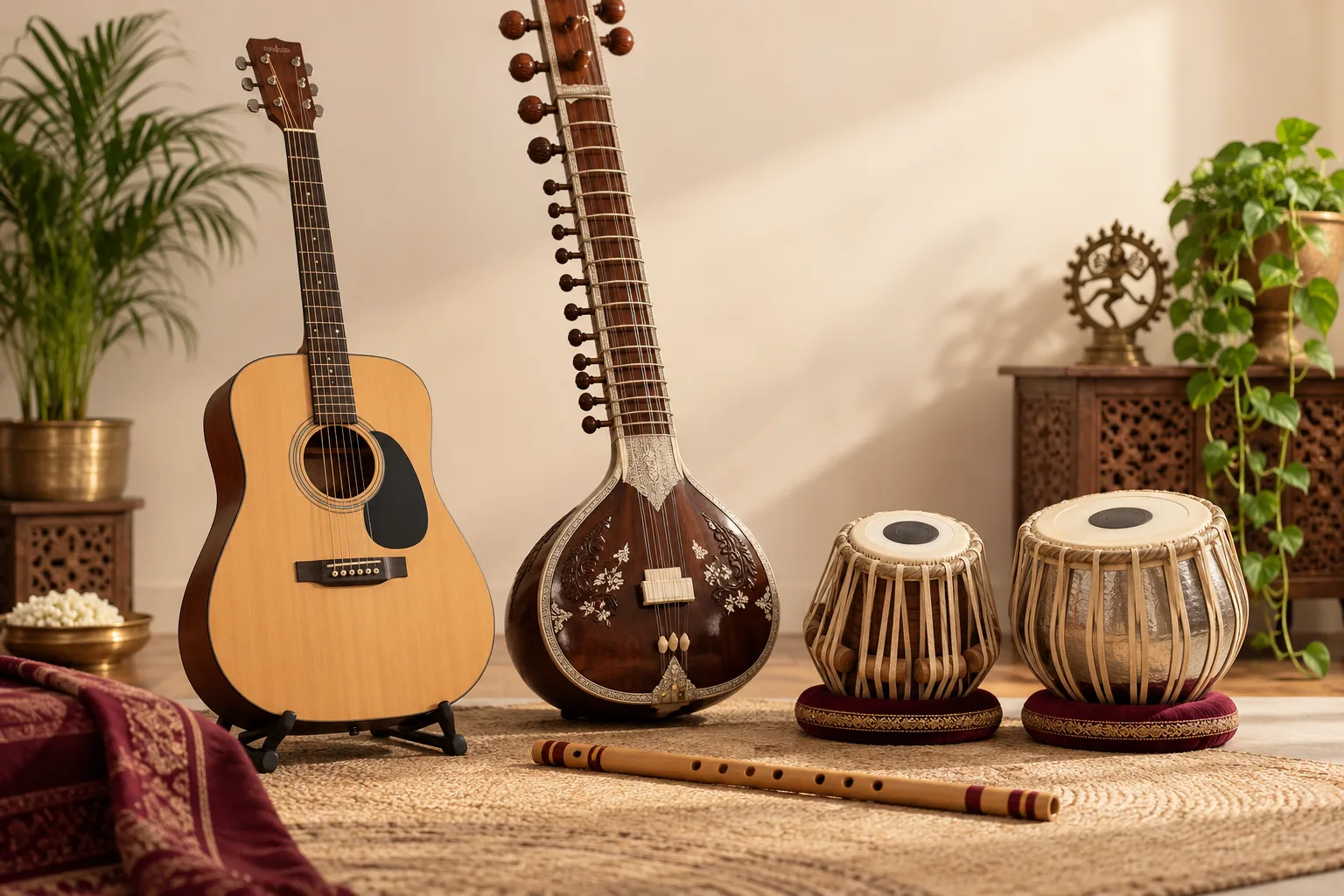
Musical Instruments
Customers watch our demo videos and then go and strum the instrument in a shop.
6 types of product - Books, office, art and hobbies
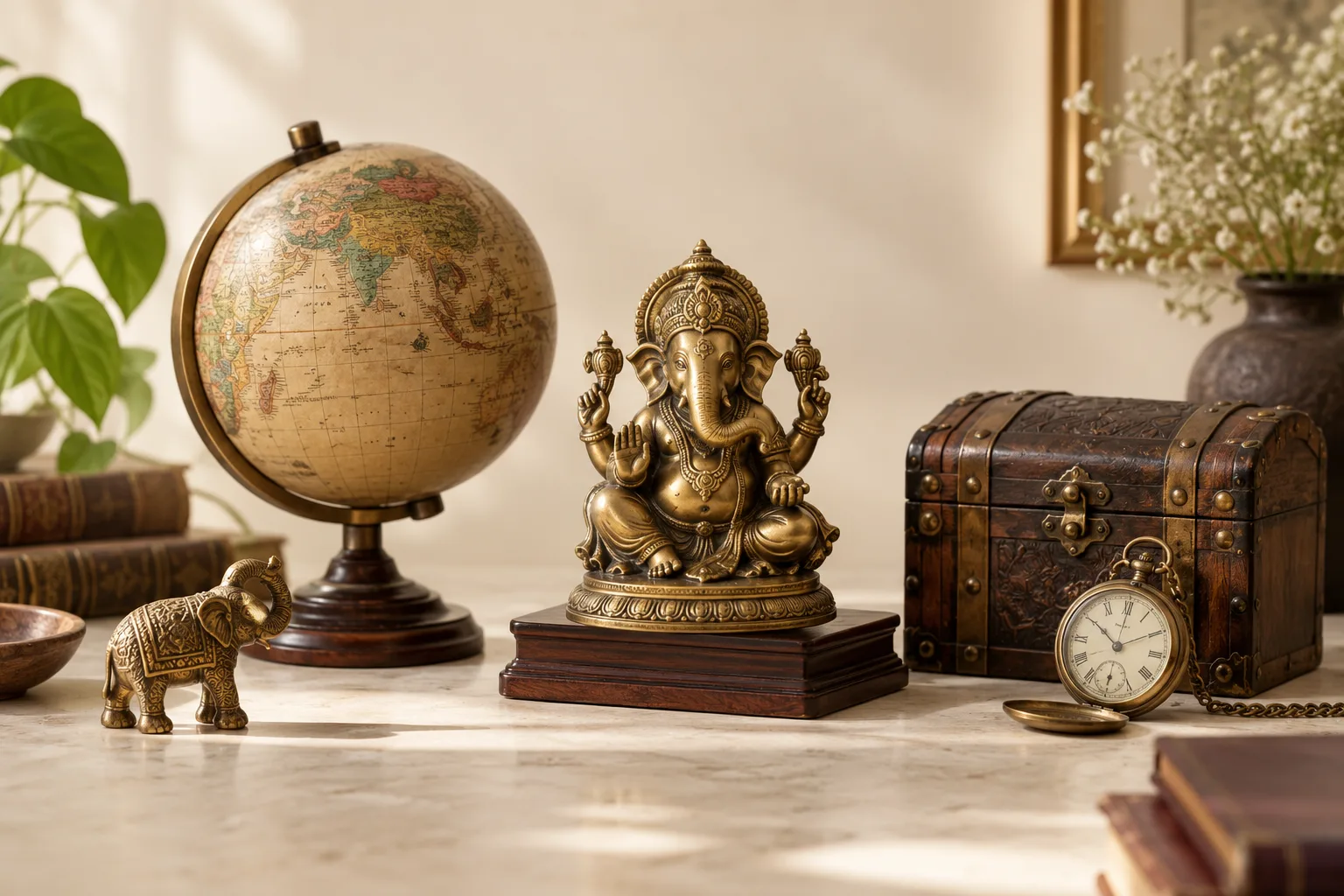
Collectibles
Collectors ask if it is genuine, and a nice photograph does not answer that.
6 types of product
Gifts and celebrations
2

Software and digital products
3- Software and digital products

Software
People download your trial and never open it a second time.
5 types of product - Software and digital products

Digital Downloads
You make the file once and sell it again and again, but only if people can find it.
6 types of product - Software and digital products

Online Courses
Plenty of people watch your free class and only a few ever pay for the course.
5 types of product
Business, industrial and safety supplies
6- Business, industrial and safety supplies
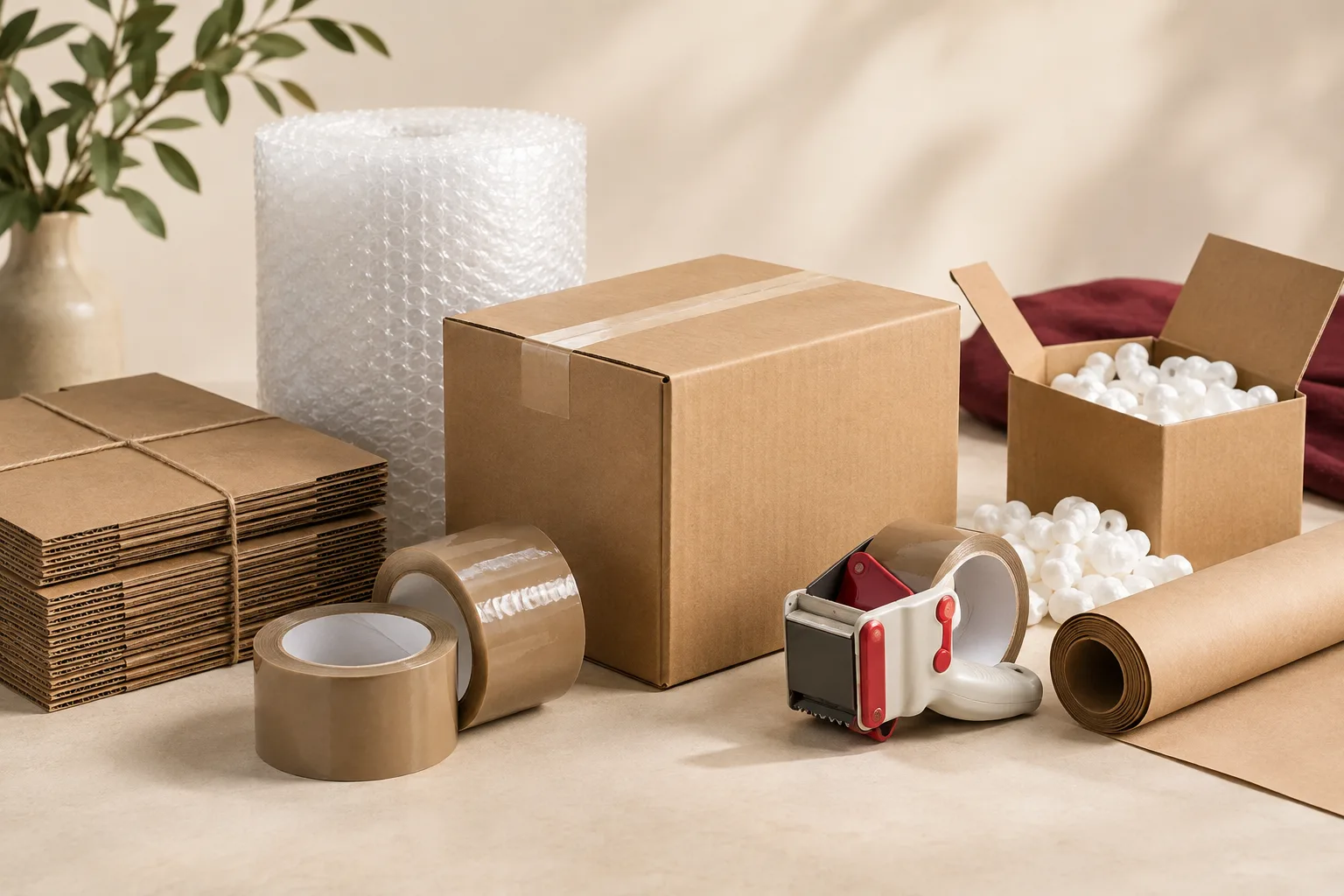
Packaging Supplies
A buyer wants fifty boxes today, and your site only has a photograph and a phone number.
6 types of product - Business, industrial and safety supplies
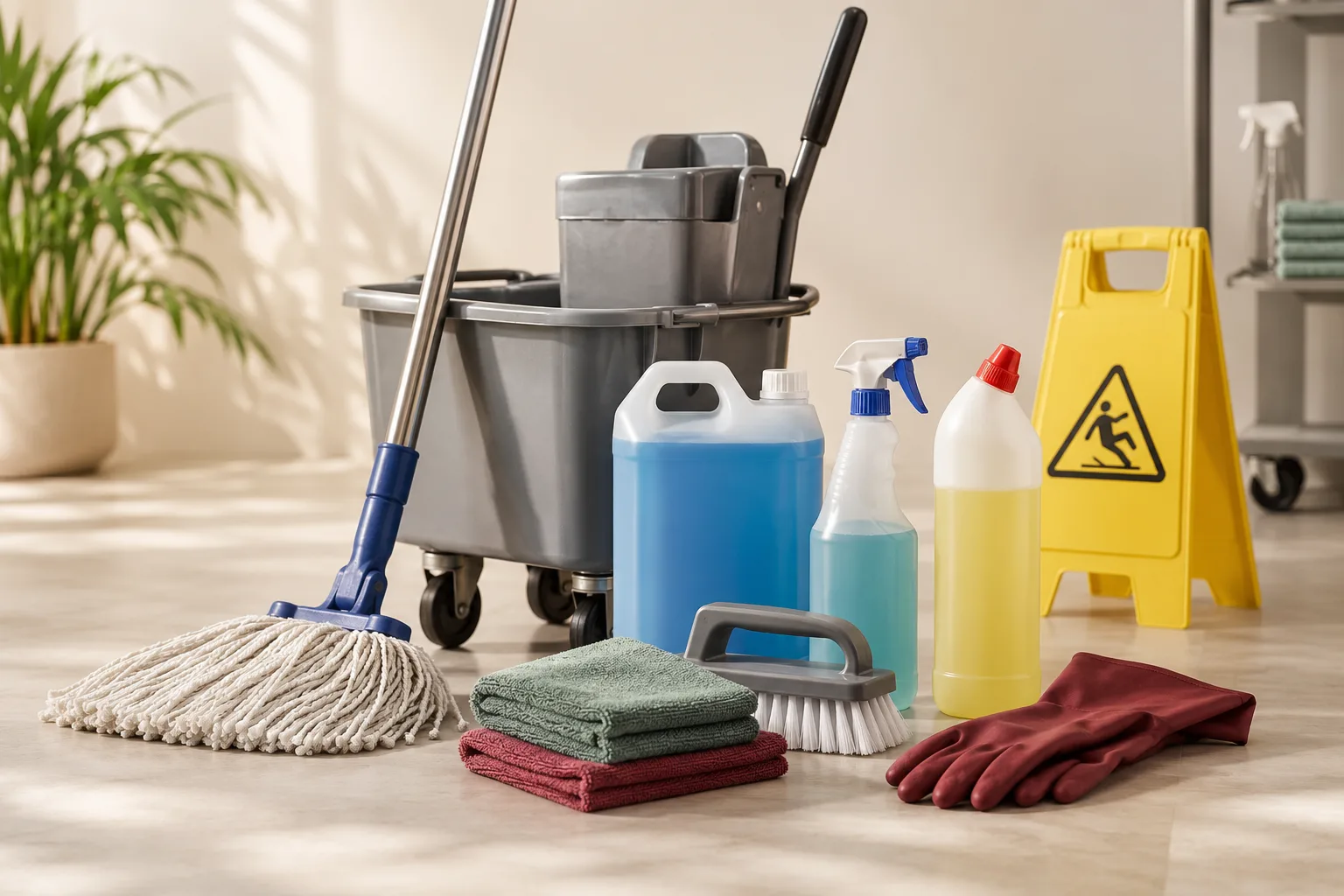
Commercial Cleaning Supplies
The housekeeping contractor orders from whoever picks up the phone first.
4 types of product - Business, industrial and safety supplies
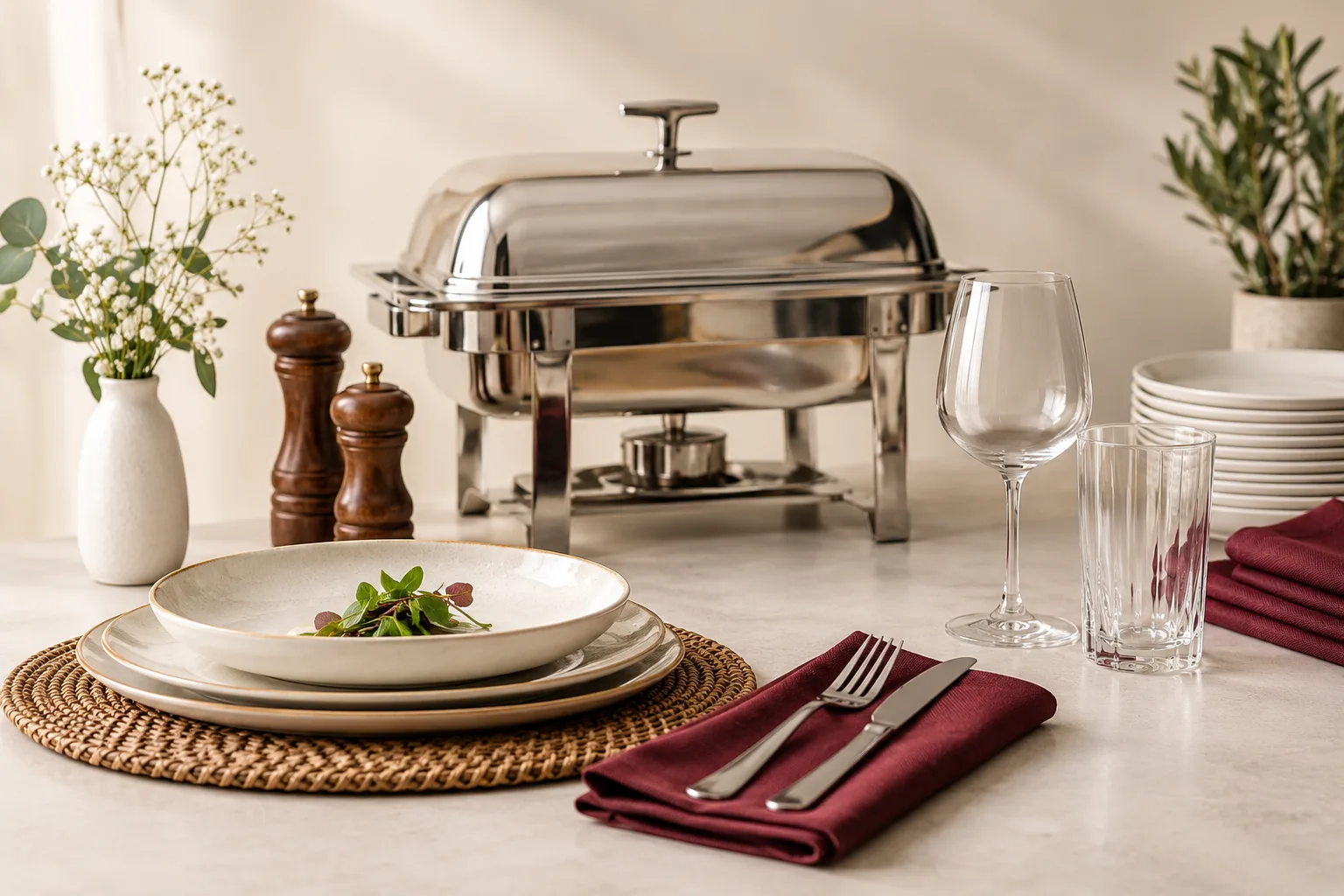
Restaurant & Hospitality Supplies
The restaurant opens in six weeks and the owner has not ordered the kitchen yet.
4 types of product
- Business, industrial and safety supplies
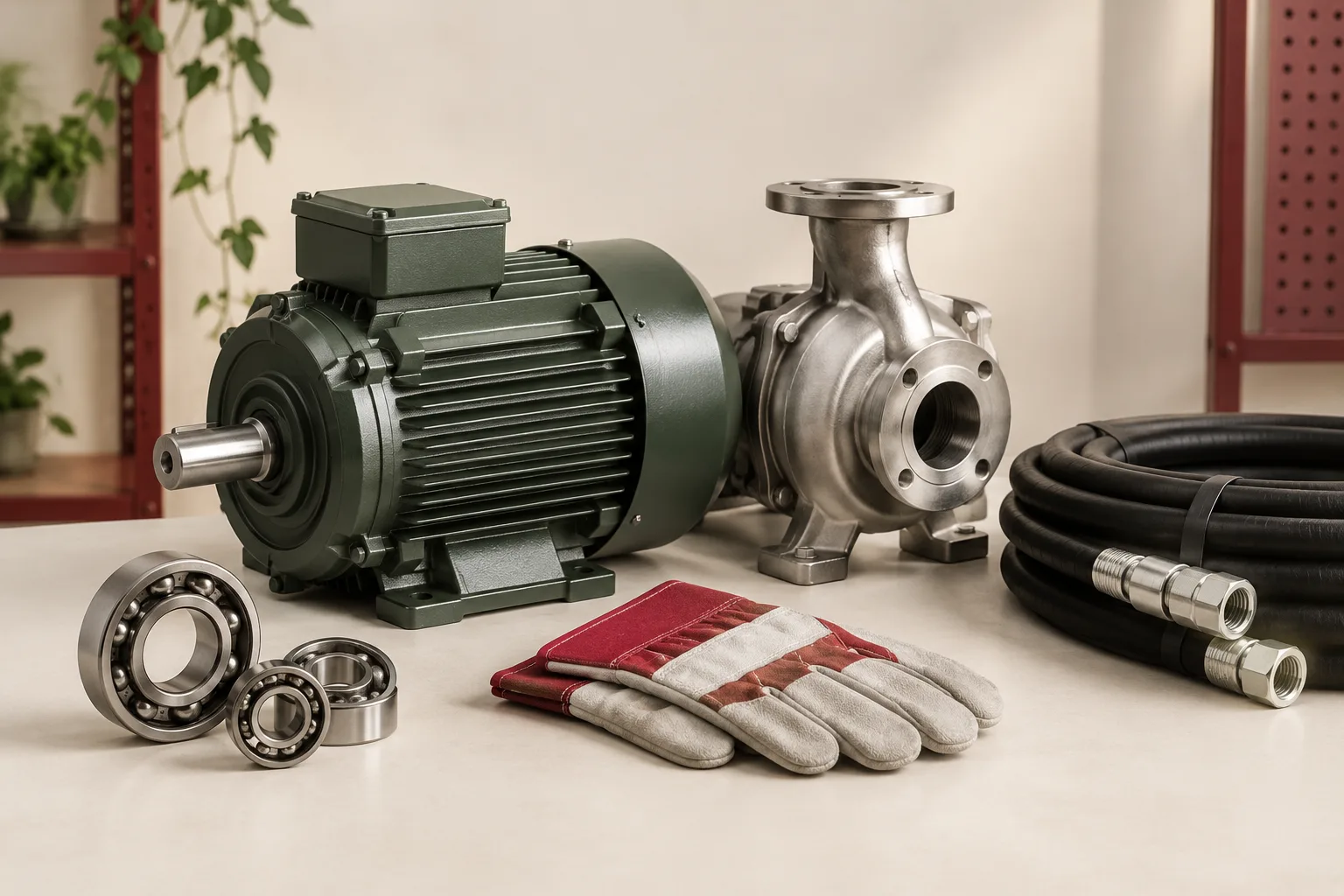
Industrial Equipment & Supplies
Our catalogue is online, but the buyer still phones for a quotation.
4 types of product - Business, industrial and safety supplies

Safety & PPE
The safety officer will not approve a glove until someone shows what it is made for.
6 types of product - Business, industrial and safety supplies

Laboratory & Scientific Supplies
The lab head has a catalogue number to match, a budget to spend and three suppliers to ask.
4 types of product
Who we support
Who this section is written for.
Brand owners and D2C founders
You make the product and sell it on your own store. Your ad bill keeps rising, and you want to know what a customer really costs and what they are worth by the second order.
Online retailers
You sell other brands' products or your own range across a store and one or two marketplaces. The catalogue is large, margins are thin, and every rupee of ad spend has to be explained.
Manufacturers selling online
You started with dealers and distributors and now sell direct as well. Prices, minimum quantities and channel conflict make the online side harder than it looks.
B2B suppliers
Your buyers send an enquiry, ask for a quotation and reorder. The catalogue and the follow-up decide the sale far more than the cart does.
Digital product and course sellers
You sell software, downloads or courses, and trials, renewals and cancellations matter more than the first click.
Where online sales are lost
What usually goes wrong for online sellers.
What sellers tell us, in their own words.
“I pay for traffic that never buys”
Visits come from ads and search, but the product page does not answer the one question the buyer came with: will it fit, is it genuine, when does it arrive, what if I return it.
“People add to cart and vanish”
The cart is where delivery charges, payment options and trust all show up at once. Nobody follows up with the people who left, so the order is lost for good.
“Enquiries on WhatsApp go cold”
Buyers ask about size, stock or a bulk price on a message, and the reply comes the next morning. By then they have bought from someone who answered in minutes.
“Customers buy once and disappear”
There is no reason to come back, no reminder when the product runs out and no offer that fits what they bought. Every order costs as much as the first.
“A marketplace owns my customer”
Most of the sales come through a platform whose rules, fees and rankings change. You cannot message these buyers, so you cannot bring them to your own store.
Marketing and sales
Where marketing ends and selling begins.
They are one chain, and the sale is lost at the joins.
- 1
The ad ends at the product page
A Meta or Google ad, a marketplace listing or an Instagram post gets one click. We count qualified visits to the page for that product, not reach, so a saree ad lands on the saree, not on the home page.
- 2
The page answers the buyer's one doubt
Will it fit, is it genuine, will cash on delivery be accepted, and what if I return it. This is where marketing stops and selling starts, and where most stores lose the sale.
- 3
Someone owns the people who left
A cart left at the payment step, a WhatsApp question about stock, a quotation nobody chased. Each gets a named person and a written follow-up, because these are the nearly-made sales.
- 4
The second order is counted
Reorders, referrals and reviews lower what each new customer costs. We track the second order, not only the first.
India and abroad
Selling from India to other countries.
We work from Bengaluru and have no overseas office. What follows is how we would plan an international sale, not a claim of experience in every market.
Start from where overseas orders already come from
Look at where your foreign orders already come from before you pick a country or a channel. Your own order data says more than any market report, and one country done properly beats five done thinly.
Shipping from India sets the trust problem
A buyer abroad wants the delivery date, the duty they will pay and how a return works before they pay, and sending a parcel back to India is a cost the buyer will weigh. Say it on the page, and say plainly that we have no overseas office.
Sizes and calendars follow the buyer's country
Diwali and the wedding season are not what a buyer in the UK is planning for, and shoe sizes, plug types and units differ. A page that gets this wrong sends the product back.
How to talk to us
How to start the conversation.
- 1
Tell us what you sell and where
The category and sub-category pages below are the quickest way to say it. Open the one closest to your product and tell us what you need from there.
- 2
Share what you have
Your store link, a marketplace listing, last season's sales and ad spend, and a sample of recent customer questions. It does not have to be tidy.
- 3
We look before we propose
We read your brief and talk to you first. We look at where orders are lost and what to fix first before we propose anything.
- 4
Scope and fee come in writing
If you want our help, the scope, the fee and the term are put in writing after we have read your brief and spoken to you. Anything that depends on a platform or tool we have not used with you is marked as proposed until we confirm it.
FAQ
Questions online sellers ask before they call.
Not here? More answers, or ask on WhatsApp.
Do you work with sellers outside India?
Do you run my store or my marketplace account?
I sell my product in many sub-categories. Which page should I read?
Do you sell on Amazon, Flipkart or other marketplaces for me?
Can you promise more sales or a ranking?
What does it cost?
How long is the contract?
How soon will we see results?
Who will actually do the work?
What do you need from us?
Why us
Why owners pick GullySales over an agency.
Marketing and sales, as one job
Most agencies stop at the enquiry. We also fix what happens after it: the reply, the follow-up, the quote and the CRM.
The person on the first call does the work
No account managers in between. You are never handed to someone you have not met.
A baseline before anything starts
Your numbers are written down on day one, so every later report compares against something honest.
The fee in writing, split three ways
Our time, your media spend and production on separate lines. You always see what goes to us.
No guarantees we cannot keep
The term is agreed in writing and never a default twelve months. We never promise a ranking or a lead count, because nobody controls those.
One office, and we say so
Nagarbhavi, Bengaluru. We work across India by call and WhatsApp and travel when a session needs to be in person.
#257, 3rd floor, Sri Nanjundeshwara Complex, Nagarbhavi 8th Block, Outer Ring Road. How we work.
Your brief
Tell us what you need, and we will read it before we call.
Eight short steps about your business, what you want and who decides. Most questions are a tap, and you can skip any you would rather answer on the call.
Your next practical step
Tell us what you are trying to grow, and we will read it before we call.
Eight short steps, mostly taps. Skip anything you would rather answer on the call.