E-commerce · Books, office, art and hobbies
Artists will pay for the paint they trust and nothing else.
Art supplies buyers are loyal and exact. A painter who works in acrylic knows the pigment they want and will not accept a substitute because it was cheaper. A parent buying for a school project wants none of that, and wants a box that says what it is.
Scope, fee, reporting and term are agreed in writing after we have read your brief and spoken to you.

In one paragraph
Art supplies e-commerce is the online sale of paints, brushes, canvases, drawing materials, art paper and tools, to students, hobbyists and working artists who choose by pigment, paper surface and the brands they have learned on. GullySales works on how your listings answer a serious buyer's technical questions, how a beginner is guided to a first set, and how artists who run out of colour are brought back to you.
A seller who treats both buyers the same loses both. The expert needs data and a full range, and the beginner needs someone to say what to buy first.
Last updated 7 Oct 2026.
6 types of product
Each kind of art supplies sells differently, so each has its own page.
Open the one that matches what you sell. It covers who buys it, where the sale is lost and what we would do.
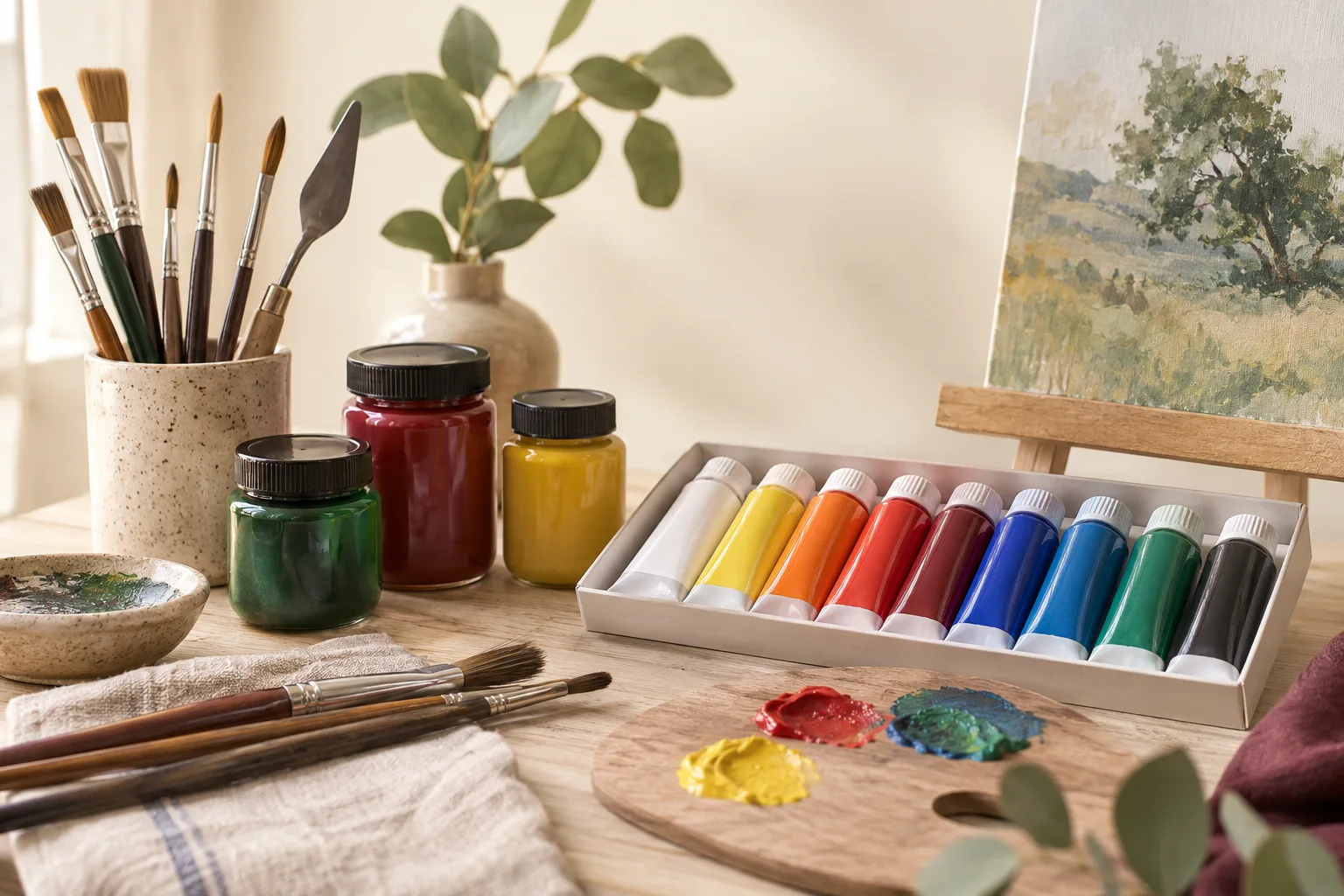 PaintsThe colour on screen is never the colour that dries on the canvas.
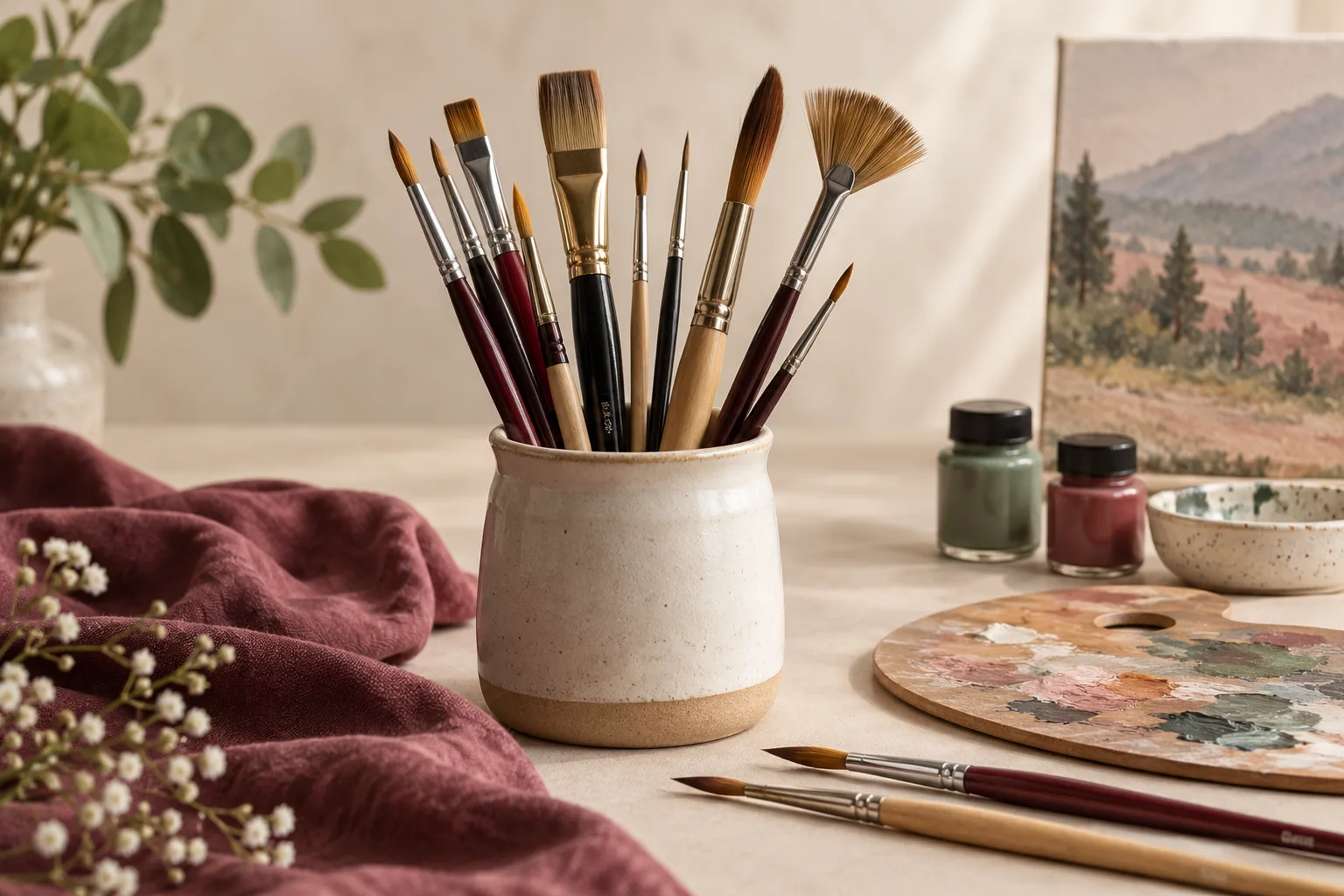 BrushesA brush looks the same in every photograph, and behaves differently in every hand.
 CanvasesA canvas is cheap to make and expensive to ship without a dent.
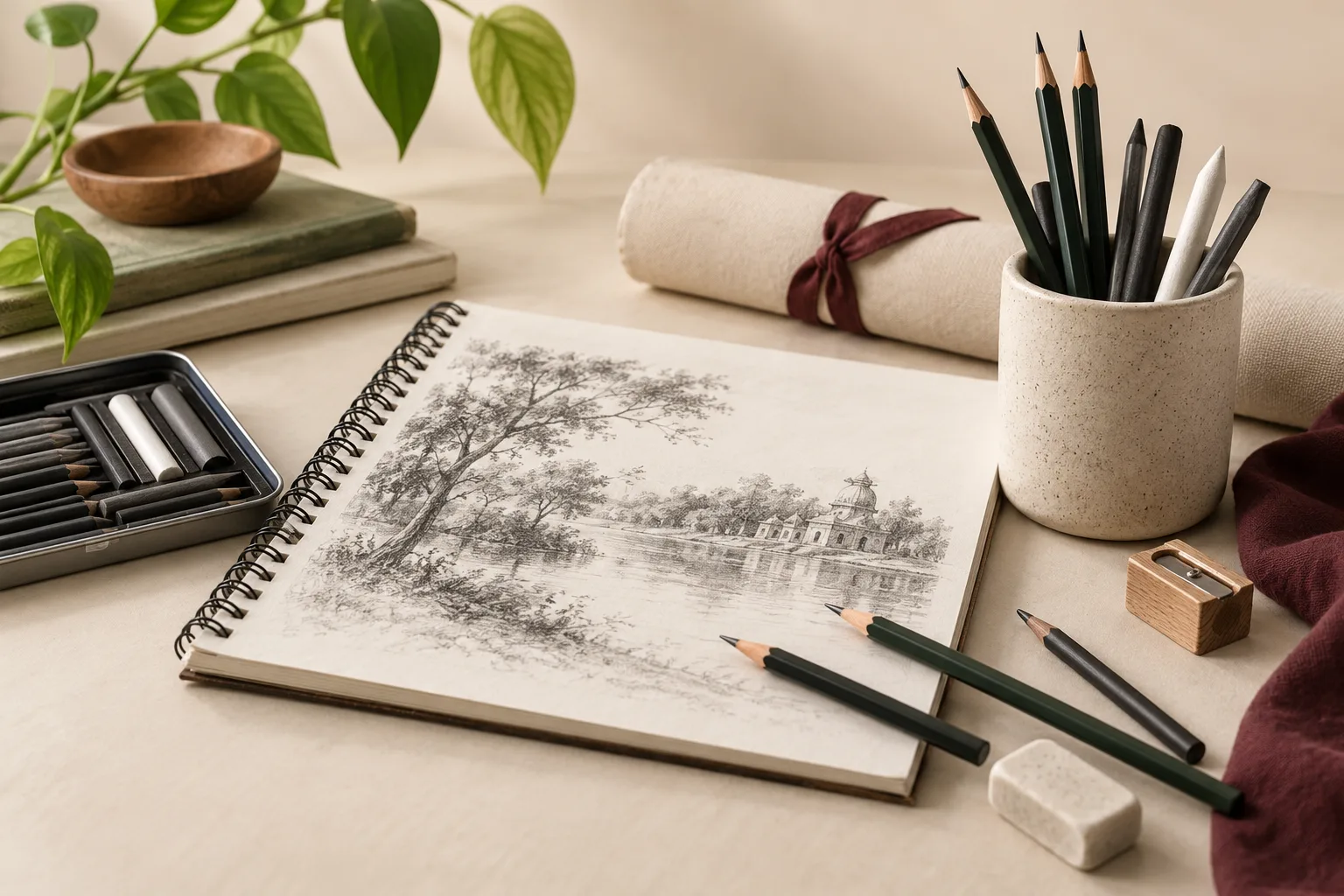 Drawing MaterialsStudents buy a pencil set by the grade on the tin, and artists by how it smudges.
 Art PaperThe paper decides the painting, and the customer only learns that after buying the wrong one.
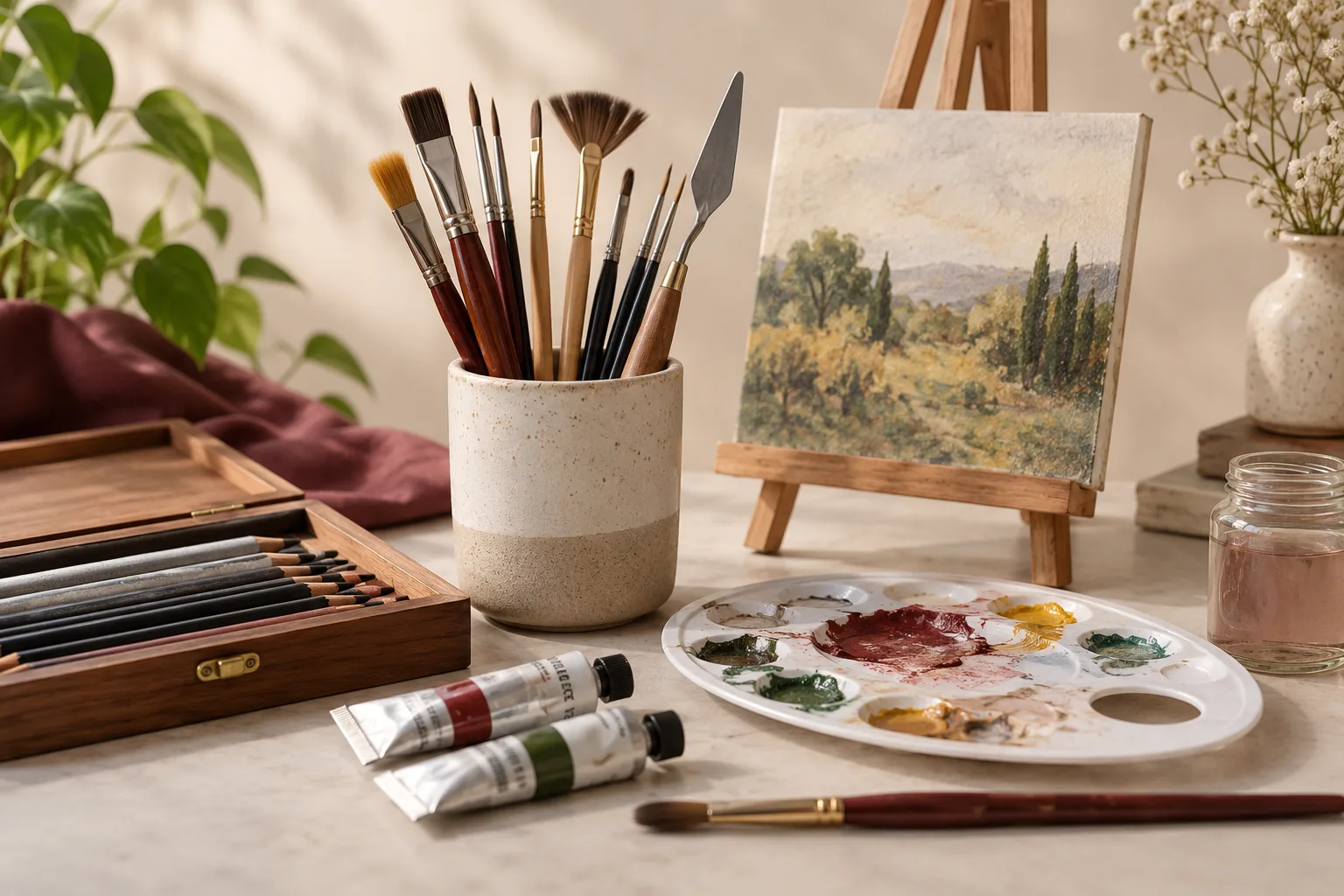 Art ToolsThe tool sells once, and the artist who owns it never thinks of you again.
Who it is for
This is written for you if you sell art supplies online.
- Art material dealers selling paints, brushes, canvases and paper across brands
- Makers of student-grade and artist-grade colours and sketching sets
- Sellers of canvases, easels and framing supplies for painters and studios
- Hobby and craft brands selling to Instagram art communities
- Dealers who supply schools, colleges and art institutes
Not for
It is not the right fit if.
- A seller who cannot say which grade, pigment or paper weight a product is
- A store that stocks one student-grade set and wants to be taken as a professional supplier
How buyers choose
What decides who wins in art supplies.
Grade and pigment
Student grade or artist grade, what the pigment is, how lightfast it is. A working painter will not buy colour they cannot read about.
Medium and what goes with it
Watercolour, acrylic, oil, gouache, pastels, ink. Each has its own paper, brushes and thinners, and a buyer new to one medium needs the whole kit.
Brand and the range
Artists buy the same brand again and want the full set of shades and sizes in stock, or at least the one they use.
Reviews by artists
A video of someone painting on the surface, a swatch chart, a note on how the paint dries. These count for more than a star rating.
Where sales are lost
What usually goes wrong when you sell art supplies online.
In the words sellers use on the first call.
“Artists compare us to the big brand's listing and leave”
A buyer who knows the product reads the page for its technical detail. If ours is thinner than the maker's own, they buy from the maker.
“Beginners buy the wrong things together”
Watercolour paint on a drawing pad and a brush for oils. The review says the supplies were bad.
“Fragile and heavy goods keep getting damaged”
Canvases bend, glass bottles break, tubes leak. Each broken order costs the sale, the repeat and the review.
The scope
The work we would propose for art supplies.
Measured on purchases, conversion rate, cost to win a customer, average order value and repeat purchases. Anything here that needs a platform or tool we have not used with you is confirmed with you before it goes in the scope.
- Technical detail on each productPigment, grade, lightfastness, surface and size in the first screen, with a swatch or test image beside the price.
- Starter sets by mediumBeginner kits that put paint, brush and the right surface together, so the first order is complete and works.
- Search by medium and questionPages for what artists type: canvas for acrylic, watercolour paper for beginners, brush set for oils, built from the products you stock.
- Artists and teachers on videoDemonstrations on YouTube and Instagram that use your stock, from artists who paint in the medium.
- Refill reminders for working artistsA message to buyers of a colour or a canvas size, offering the same again when they are likely to be running low.
What we do
What you get for art supplies.
Each deliverable and what it is there to change.
A technical sheet for every colour range
Pigment, lightfastness and opacity in a consistent format, so a working painter finds what they need on the page.
Swatch images and test paintings
Photographs of the colours painted on real paper and canvas, in daylight.
Starter kits by medium
A complete first order for watercolour, acrylic, oil, pencil sketching and calligraphy.
A packing standard for fragile items
A short checklist for boxing canvases, glass and paper, written from your own breakages.
How the result is measured
- Purchases
- Conversion rate
- Customer acquisition cost
- Average order value
- Repeat purchase rate
- Return rate
Recorded as a baseline before work starts, so every later report has an honest comparison.
How it works
What the work involves for art supplies
The work itself, in order. How an engagement starts, from your brief to a written scope, is set out on our method page.
- 1
Look at the artist's buying path
At the start we follow a painter's search for a specific colour or canvas on your store and compare it with a beginner's search, to see where each leaves.
- 2
Fix the product detail
Pigment, grade, surface, swatch images and compatible items added to the pages that already get visitors.
- 3
Build kits and guides
Starter sets by medium and short written and video guides that answer what beginners ask first.
- 4
Bring buyers back
Reorder messages for colours and canvases, set up after a baseline of purchases and returns is recorded.
- 5
Measure
We report against that baseline on a schedule fixed in writing after we have read your brief and spoken to you, and plan the next range from the colours and surfaces that sold.
What we need from you
What to have ready before we talk.
None of it has to be tidy. We read what you have.
- Your range by medium and brand
- Best-selling products and their reorder pattern
- Damage and return reasons from the last year
- Questions beginners and artists ask you
- Your store, marketplace and Instagram links
Selling in India and abroad
Selling art supplies beyond your own market.
Where you sell decides sizes, units, seasons and returns. We work from Bengaluru and have no overseas office, so for a new country we start from your own sales and the platforms you already use.
Brands and rules on shipping materials
Some oil-based paints, solvents and aerosols are restricted in post and air freight, and what a courier accepts differs. Check what can be shipped before listing.
Indian-made art goods
Handmade paper, miniature painting supplies and natural pigments interest collectors and teachers abroad. Etsy and your own store are the usual places. Begin with the countries where orders already come from.
FAQ
Questions about selling art supplies online.
Not here? More answers, or ask on WhatsApp.
How do I sell art supplies to serious artists online?
What should be in a beginner's kit?
How can I cut damage in transit?
How much does it cost?
How long is the contract?
How soon will we see results?
Who will actually do the work?
What do you need from us?
What if we are not happy with the work?
Sellers of art supplies also need
Also selling from a shop, a workshop or a warehouse? See the page for stationery and office supply dealers.
This page is part of the e-commerce section. The D2C brands page covers the arithmetic of acquisition cost and the second order for any brand.
Why us
Why owners pick GullySales over an agency.
Marketing and sales, as one job
Most agencies stop at the enquiry. We also fix what happens after it: the reply, the follow-up, the quote and the CRM.
The person on the first call does the work
No account managers in between. You are never handed to someone you have not met.
A baseline before anything starts
Your numbers are written down on day one, so every later report compares against something honest.
The fee in writing, split three ways
Our time, your media spend and production on separate lines. You always see what goes to us.
No guarantees we cannot keep
The term is agreed in writing and never a default twelve months. We never promise a ranking or a lead count, because nobody controls those.
One office, and we say so
Nagarbhavi, Bengaluru. We work across India by call and WhatsApp and travel when a session needs to be in person.
#257, 3rd floor, Sri Nanjundeshwara Complex, Nagarbhavi 8th Block, Outer Ring Road. How we work.
Engagement options
Ways to work with us.
Pick the size of commitment that fits. Every option starts with your brief and a conversation.
Option 1
The conversation on its own
A call after you send your brief. It says honestly whether you need outside help, and many fixes are ones your own team can make.
Option 2
One fix, scoped
Start with the fix that matters most, such as reply time or follow-up. The fee is in writing before anything starts.
Option 3
An ongoing programme
We run the work, report against the baseline, and you renew on the numbers. The term and the reporting are agreed in writing first.
Option 4
Guidance for your own team or agency
We plan, brief and check the work of your in-house team or current agency, instead of replacing them.
Your brief
Tell us what you need, and we will read it before we call.
Eight short steps about your business, what you want and who decides. Most questions are a tap, and you can skip any you would rather answer on the call.
Your next practical step
Tell us what you are trying to grow, and we will read it before we call.
Eight short steps, mostly taps. Skip anything you would rather answer on the call.