E-commerce · Electronics and technology
Gamers have already watched three reviews, so the seller they pick is the one who knows the game.
A gaming customer arrives informed. They know the console's specifications, the date of the next release and which edition has the bonus. They follow a creator who has tested the product and a group where someone will call out a seller who ships late. What they want from a shop is stock, the right edition and the date it will arrive.
Scope, fee, reporting and term are agreed in writing after we have read your brief and spoken to you.
In one paragraph
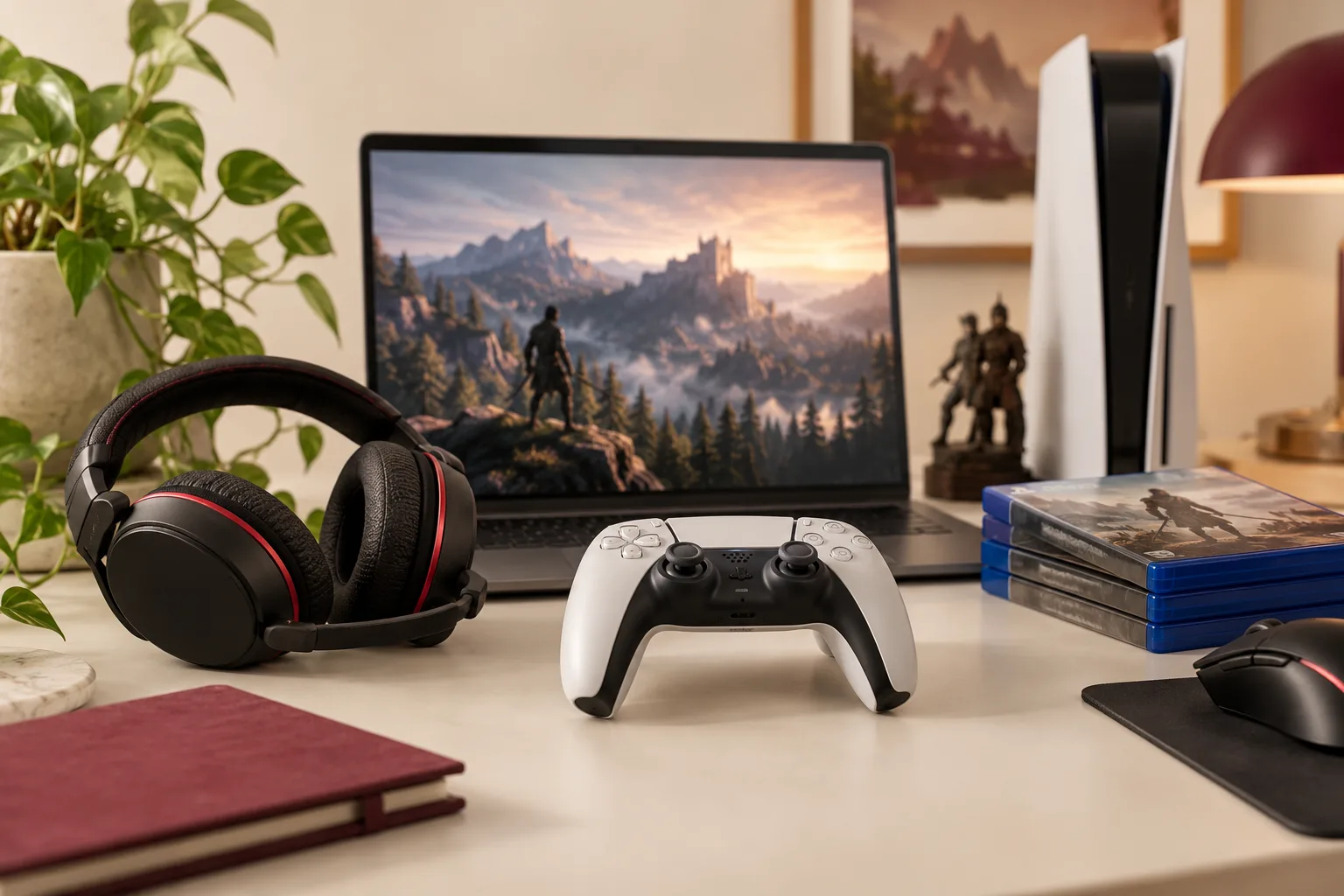
Gaming e-commerce is the online sale of consoles, video games, controllers, headsets, chairs, desks and VR headsets, to players who research a purchase in videos and communities before they order. GullySales works on how your listings handle platform, region and edition, how stock and pre-orders are communicated, and how your shop earns a place in the community where gamers actually decide.
Price is public and moves fast. So the shops that hold their customers do it by being reliable on release day, clear about the region and edition, and present where gamers talk.
Last updated 7 Oct 2026.
5 types of product
Each kind of gaming sells differently, so each has its own page.
Open the one that matches what you sell. It covers who buys it, where the sale is lost and what we would do.
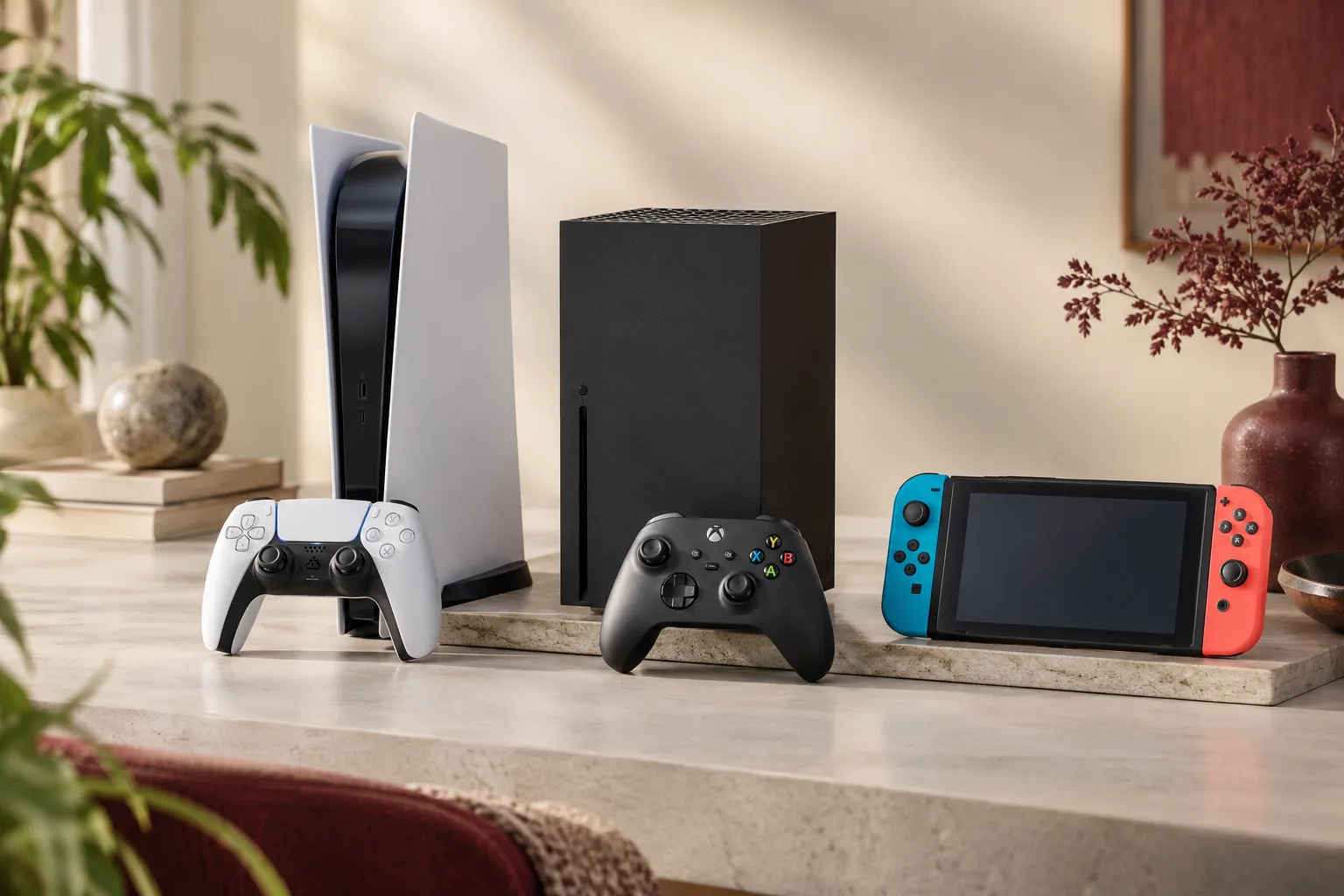 Gaming ConsolesEvery shop sells the console at the same price, so the bundle and the date decide.
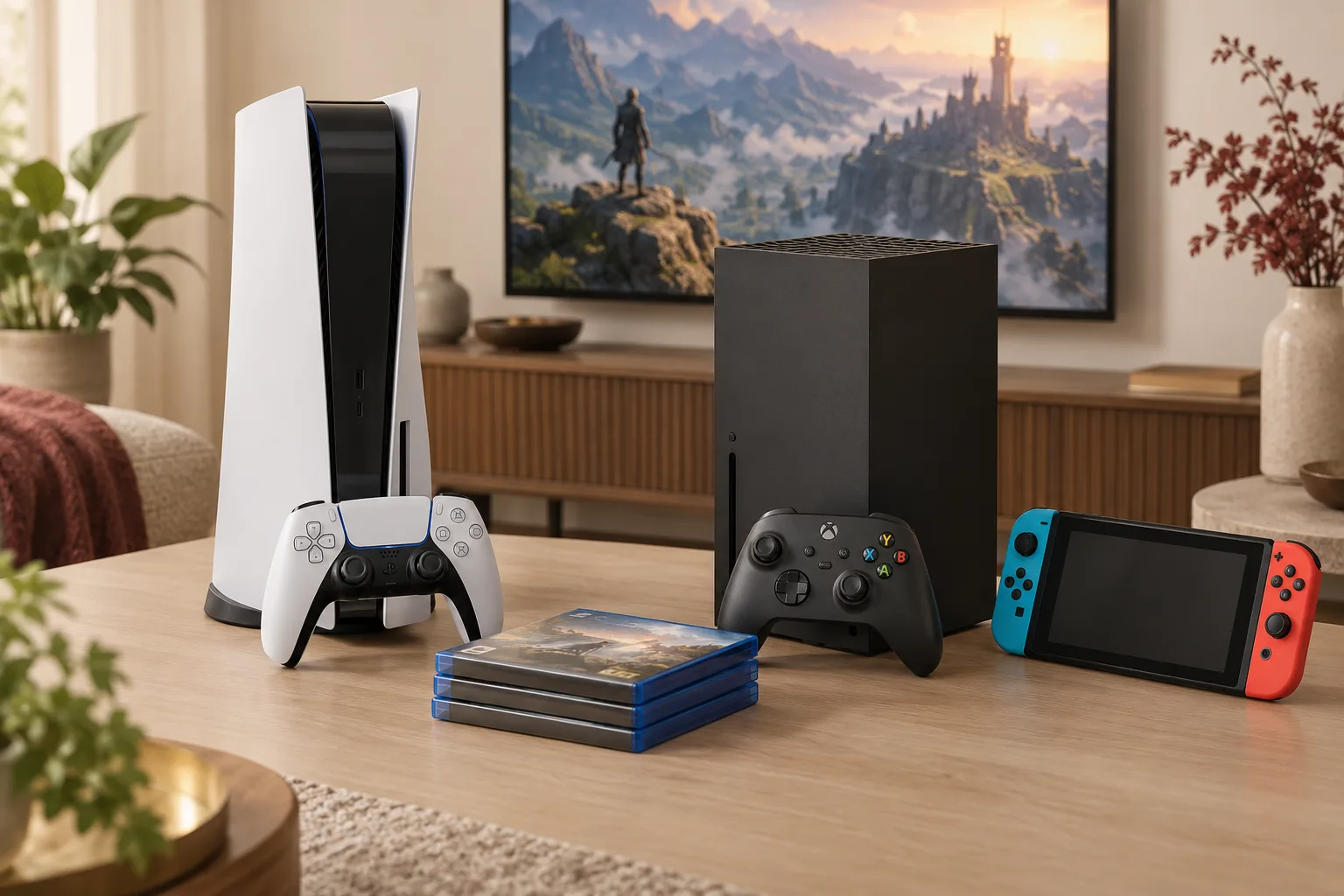 Video GamesA game bought for the wrong platform is the one return nobody forgives.
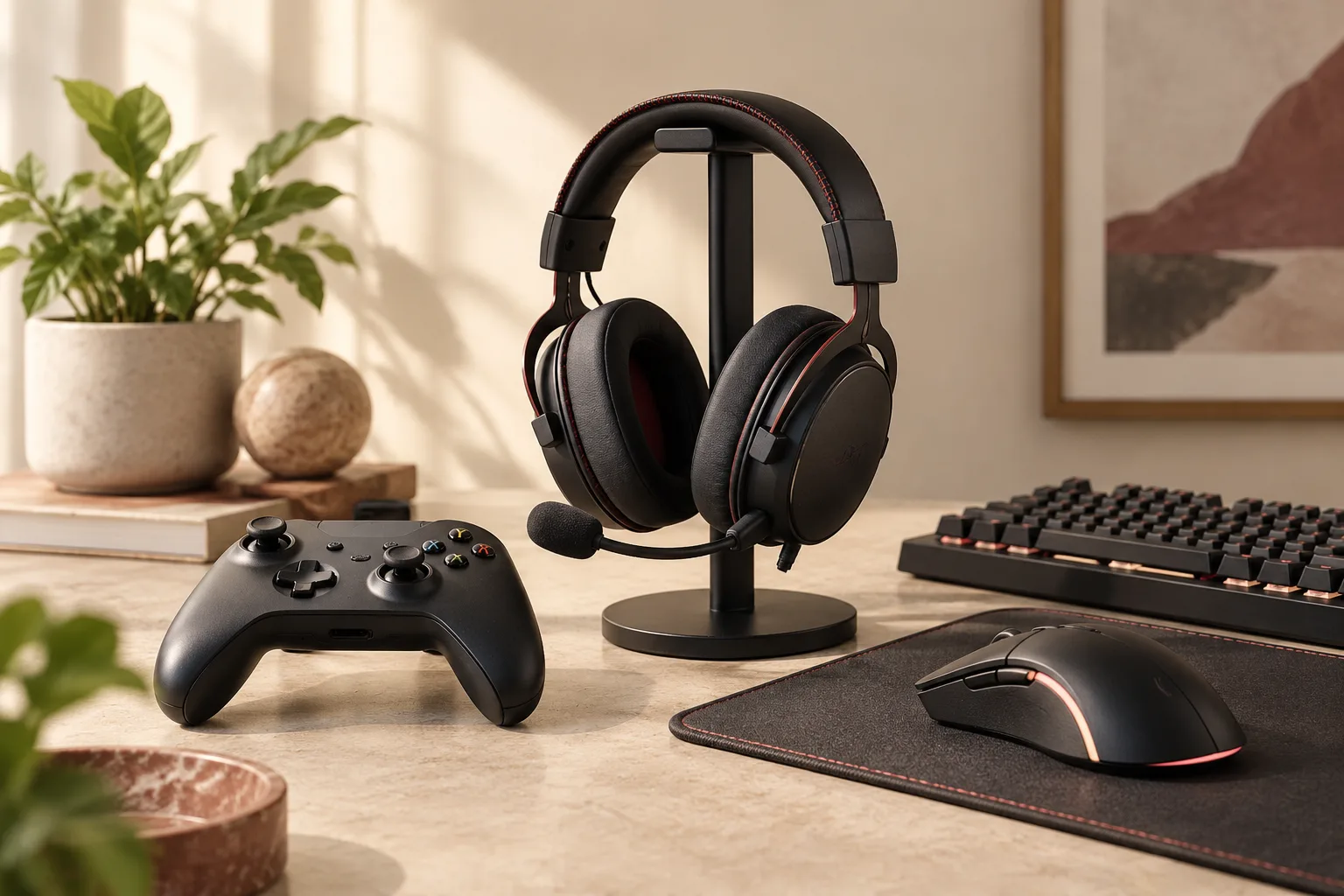 Gaming AccessoriesA controller, a headset and a charging dock each fit one console, and the buyer checks which.
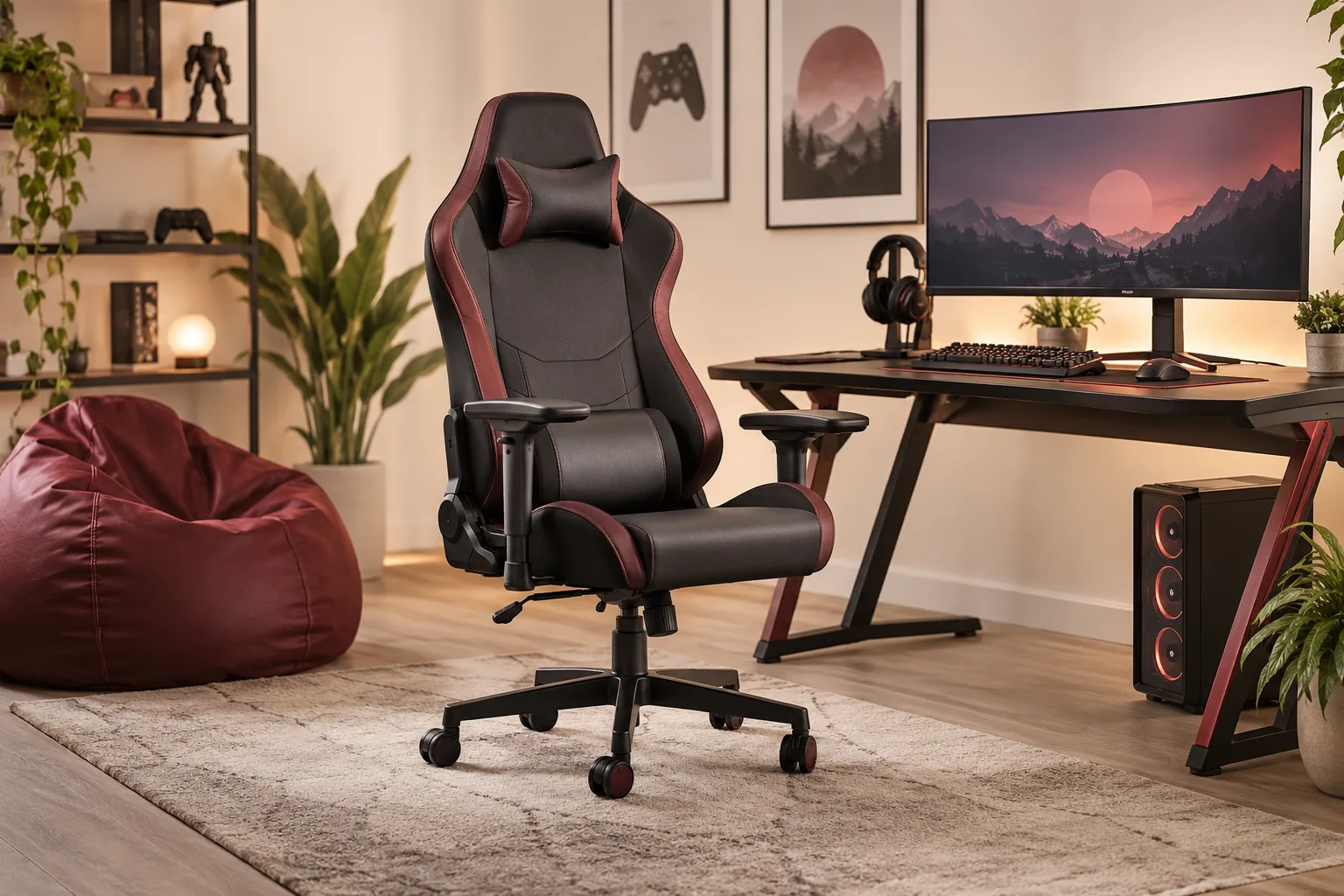 Gaming FurnitureA gaming chair is bought for the back, and the buyer wants to know about their height and weight.
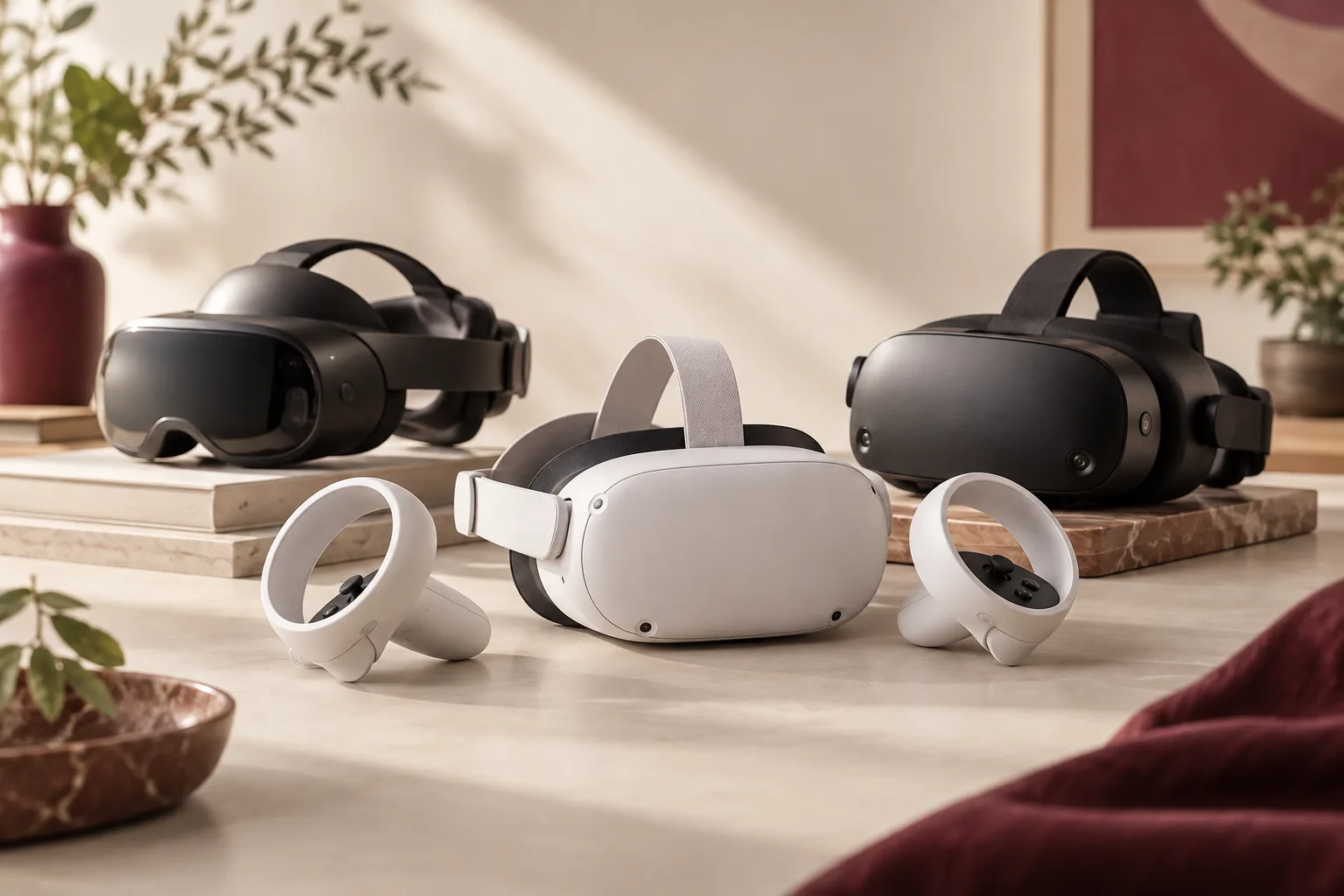 VR HeadsetsNobody buys a VR headset without trying it, and a website cannot let them.
Who it is for
This is written for you if you sell gaming online.
- Console and game retailers selling online and in a store
- Sellers of controllers, headsets and other accessories on marketplaces
- Gaming furniture sellers who ship large, heavy products
- Sellers of VR headsets, with demonstrations as part of the sale
- Gaming cafes and shops moving into online sales
Not for
It is not the right fit if.
- You take payment before you know the region, edition and stock. Better marketing only sends more people into a cancelled order, and the group hears about it.
- Your keys or accounts come from a source you cannot explain. Gamers learn to avoid such shops quickly, and no page can fix that.
- Your main aim is to undercut a bigger store on a console. The price is the same everywhere, so a lower margin buys little loyalty.
How buyers choose
What decides who wins in gaming.
Platform, region and edition
A game for one console family will not run on another, and some discs are region-locked. Editions with bonus content, a steelbook or a season pass change both price and appeal.
Release day and stock
Pre-orders, a promised delivery date and what happens if it slips. Buyers remember the seller who delivered on launch morning.
Reviews and creators
A video from a creator whose taste they trust. Buyers look for the product name in comments and groups.
Warranty and genuine stock
Whether it is an official India unit, how a controller fault is handled and who repairs a console. Grey imports are widely discussed.
Where sales are lost
What usually goes wrong when you sell gaming online.
In the words sellers use on the first call.
“Customers ask if the game works on their console and then leave”
The title carried the game and not the platform. The buyer was cautious and the question went unanswered for a day.
“Every sale is a price match against a bigger store”
A console has the same price everywhere. The sale goes to the seller with the right edition in stock and a clear delivery date.
“Release day orders go wrong and the group knows”
A game that arrives late or a pre-order that is cancelled spreads in the community, and it stays there. For example, a shop in Hyderabad takes pre-orders for a big release on a Monday, and on the Thursday before launch its distributor says the stock will land late. Posting the new date in the group that day, with a choice of waiting or a refund, and messaging each pre-order buyer on WhatsApp, keeps the thread from turning into complaints.
The scope
The work we would propose for gaming.
Measured on purchases, conversion rate, cost to win a customer, average order value and repeat purchases. Anything here that needs a platform or tool we have not used with you is confirmed with you before it goes in the scope.
- Platform and edition on every titleTitles, filters and product pages that show platform, region, edition and what is in the box first, with stock status current.
- Release calendar and pre-order handlingPre-order pages with a stated date, and an alert by email and WhatsApp to buyers who asked to hear when a game you will stock goes on sale.
- Creator and community presenceA place in the Discord servers, groups and channels where your buyers talk, with honest answers rather than ads.
- Search by title and genrePages for upcoming releases, for games by genre and for accessories by console, kept current as stock changes.
- Repeat gamersA programme that rewards the buyer who returns for each release, designed around your margin and confirmed after we have read your brief and spoken to you.
What we do
What you get for gaming.
Each deliverable and what it is there to change.
A listing checklist signed off before a title goes live
One page your team ticks through for each new title: is the platform named, is the region stated, is the edition and the box content clear, is the stock count real.
A sheet for each release
The date you promised, the units your supplier has confirmed, the units sold, and the message that goes to pre-order buyers if the date moves.
A community answer sheet
A plain set of answers on delivery, edition and returns for use in groups and comments, in the shop's own voice.
A genuine-stock statement
Where you source, how warranty works and what happens to a faulty unit.
How the result is measured
- Purchases
- Questions about platform, region or edition left unanswered
- Pre-orders taken and pre-orders cancelled
- Buyers who return for the next release
- Orders that came from a community or creator
- Pre-orders fulfilled on the stated date
Recorded as a baseline before work starts, so every later report has an honest comparison.
How it works
What the work involves for gaming
The work itself, in order. How an engagement starts, from your brief to a written scope, is set out on our method page.
- 1
Look at how your buyers decide
After the first conversation we read where your buyers talk and compare, trace orders from first visit to payment, and note where questions on edition or stock go unanswered.
- 2
Fix platform, region and stock on the page
Titles, filters and stock status are corrected on the listings that already get visitors, before any new spend.
- 3
Set up releases and community
A release calendar with pre-order handling, and a presence in the communities your buyers use, with a baseline of purchases and repeat orders recorded first.
- 4
Advertise around launches
Search, Shopping and social campaigns timed to releases and to the products where you hold stock.
- 5
Measure against the baseline
Results are reported against that baseline, at intervals agreed in writing after the first conversation, and the next launch is planned from what sold.
What we need from you
What to have ready before we talk.
None of it has to be tidy. We read what you have.
- Your website, marketplace and social links
- The consoles and titles you sell, and how you source them
- Past release days and how they went
- Complaints or messages about editions, regions and delays
- Community groups and channels you already use
- Recent ad spend and what it sold
Selling in India and abroad
Selling gaming beyond your own market.
Where you sell decides sizes, units, seasons and returns. We work from Bengaluru and have no overseas office, so for a new country we start from your own sales and the platforms you already use.
Region locks and language
Console regions, game editions and voice languages differ by market. State what the buyer abroad will receive and whether it works on their console.
Power, plugs and shipping
Consoles ship with a power supply for a market and are heavy and valuable. Duty and delivery rules differ by destination and change.
FAQ
Questions about selling gaming online.
Not here? More answers, or ask on WhatsApp.
How do I compete when every shop sells the same console at the same price?
How should I handle pre-orders?
Is it worth selling used games and consoles?
How do I list grey imports, region-locked discs or keys without losing the buyer?
How soon will we see results?
Who will actually do the work?
What do you need from us?
What if we are not happy with the work?
Sellers of gaming also need
Also selling from a shop, a workshop or a warehouse? See the page for electronics and appliance stores.
This page is part of the e-commerce section. The D2C brands page covers the arithmetic of acquisition cost and the second order for any brand.
Why us
Why owners pick GullySales over an agency.
Marketing and sales, as one job
Most agencies stop at the enquiry. We also fix what happens after it: the reply, the follow-up, the quote and the CRM.
The person on the first call does the work
No account managers in between. You are never handed to someone you have not met.
A baseline before anything starts
Your numbers are written down on day one, so every later report compares against something honest.
The fee in writing, split three ways
Our time, your media spend and production on separate lines. You always see what goes to us.
No guarantees we cannot keep
The term is agreed in writing and never a default twelve months. We never promise a ranking or a lead count, because nobody controls those.
One office, and we say so
Nagarbhavi, Bengaluru. We work across India by call and WhatsApp and travel when a session needs to be in person.
#257, 3rd floor, Sri Nanjundeshwara Complex, Nagarbhavi 8th Block, Outer Ring Road. How we work.
Engagement options
Ways to work with us.
Pick the size of commitment that fits. Every option starts with your brief and a conversation.
Option 1
The conversation on its own
A call after you send your brief. It says honestly whether you need outside help, and many fixes are ones your own team can make.
Option 2
One fix, scoped
Start with the fix that matters most, such as reply time or follow-up. The fee is in writing before anything starts.
Option 3
An ongoing programme
We run the work, report against the baseline, and you renew on the numbers. The term and the reporting are agreed in writing first.
Option 4
Guidance for your own team or agency
We plan, brief and check the work of your in-house team or current agency, instead of replacing them.
Your brief
Tell us what you need, and we will read it before we call.
Eight short steps about your business, what you want and who decides. Most questions are a tap, and you can skip any you would rather answer on the call.
Your next practical step
Tell us what you are trying to grow, and we will read it before we call.
Eight short steps, mostly taps. Skip anything you would rather answer on the call.