E-commerce · Electronics and technology
Everyone searches for the watch by its spec sheet and buys the one with the better reviews.
A wearable is bought twice: once on a spec sheet and once on a wrist. Online, the buyer only gets the first. They compare the display, the battery claim, whether it pairs with their phone and what the app looks like, usually across three tabs, and the cheaper listing with more reviews tends to win the comparison.
Scope, fee, reporting and term are agreed in writing after we have read your brief and spoken to you.
In one paragraph
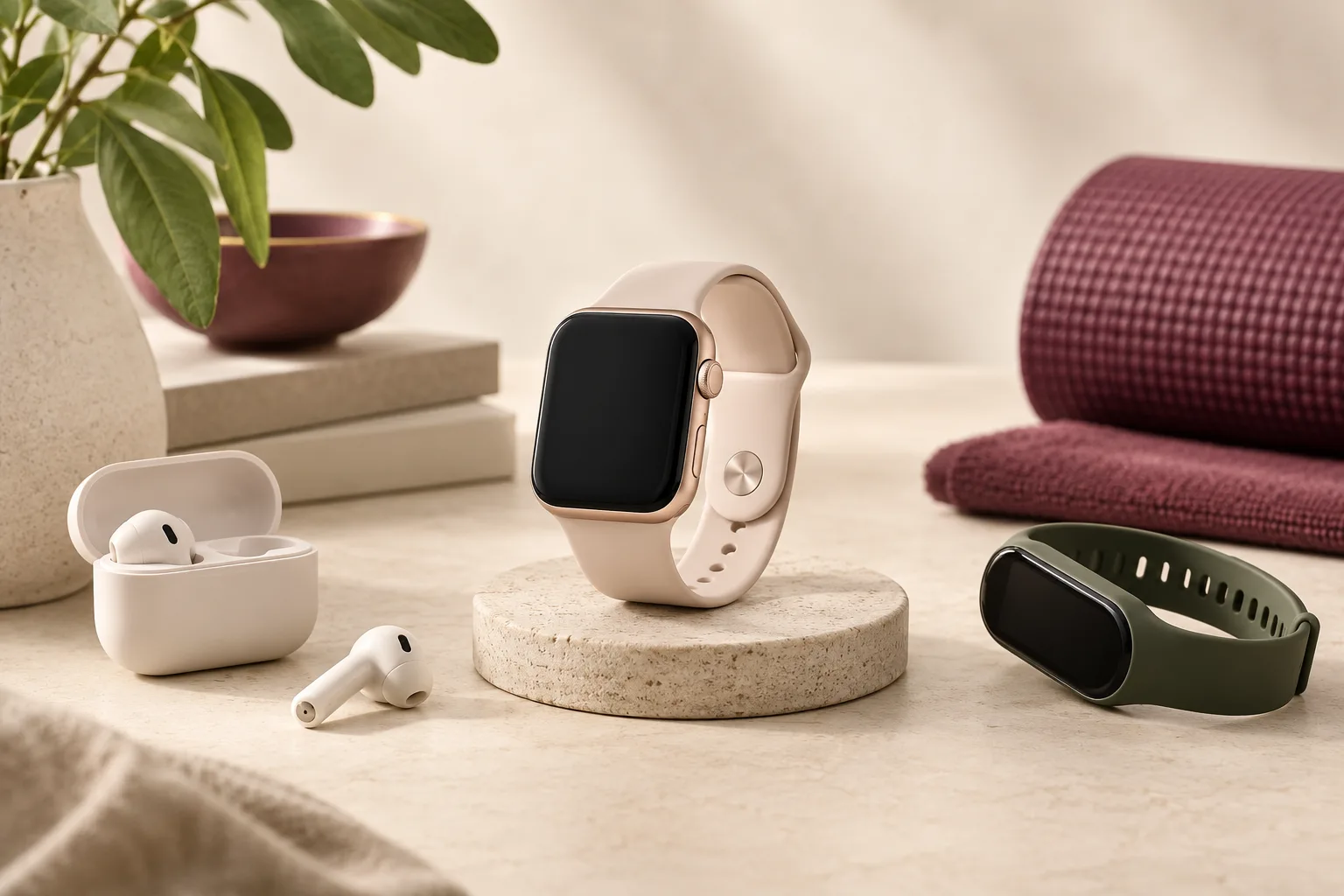
Wearable technology e-commerce is the sale of smartwatches, fitness bands, smart rings and the straps, chargers and cases that go with them, through your own store, marketplaces and Instagram. GullySales works on how buyers find your range, whether the page answers the phone-compatibility and battery questions before they ask, and how a first buyer turns into someone who returns for a strap, a charger or the next model.
The segment moves fast. New models arrive, old ones get marked down, and a brand with a good product can still sit on page four of a marketplace. The sale is decided by how clearly you show what the thing does, which phone it works with and what happens if the strap or the screen goes wrong.
Last updated 7 Oct 2026.
4 types of product
Each kind of wearable technology sells differently, so each has its own page.
Open the one that matches what you sell. It covers who buys it, where the sale is lost and what we would do.
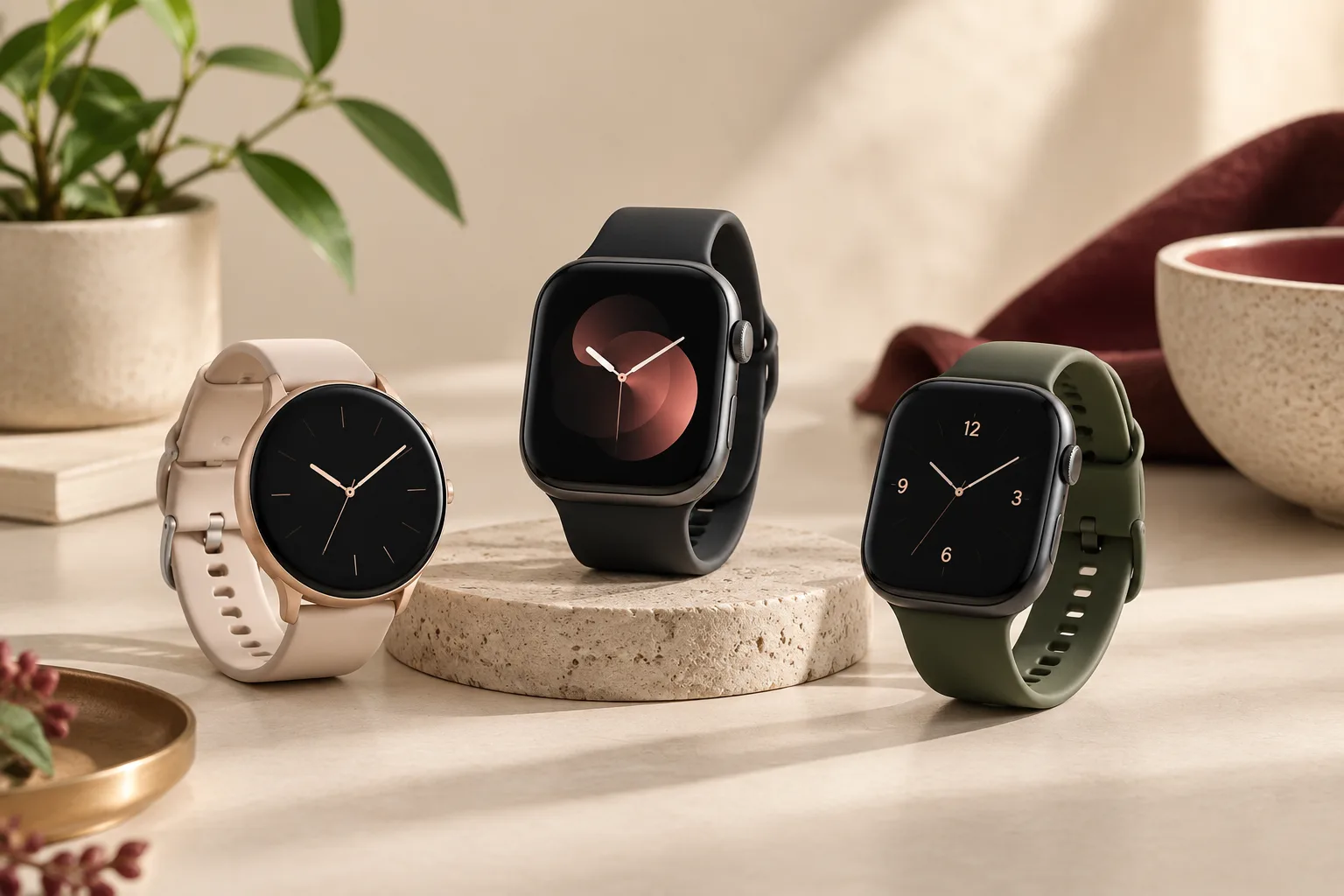 SmartwatchesThe watch looks good in the photo and then the buyer wonders if it will show their calls.
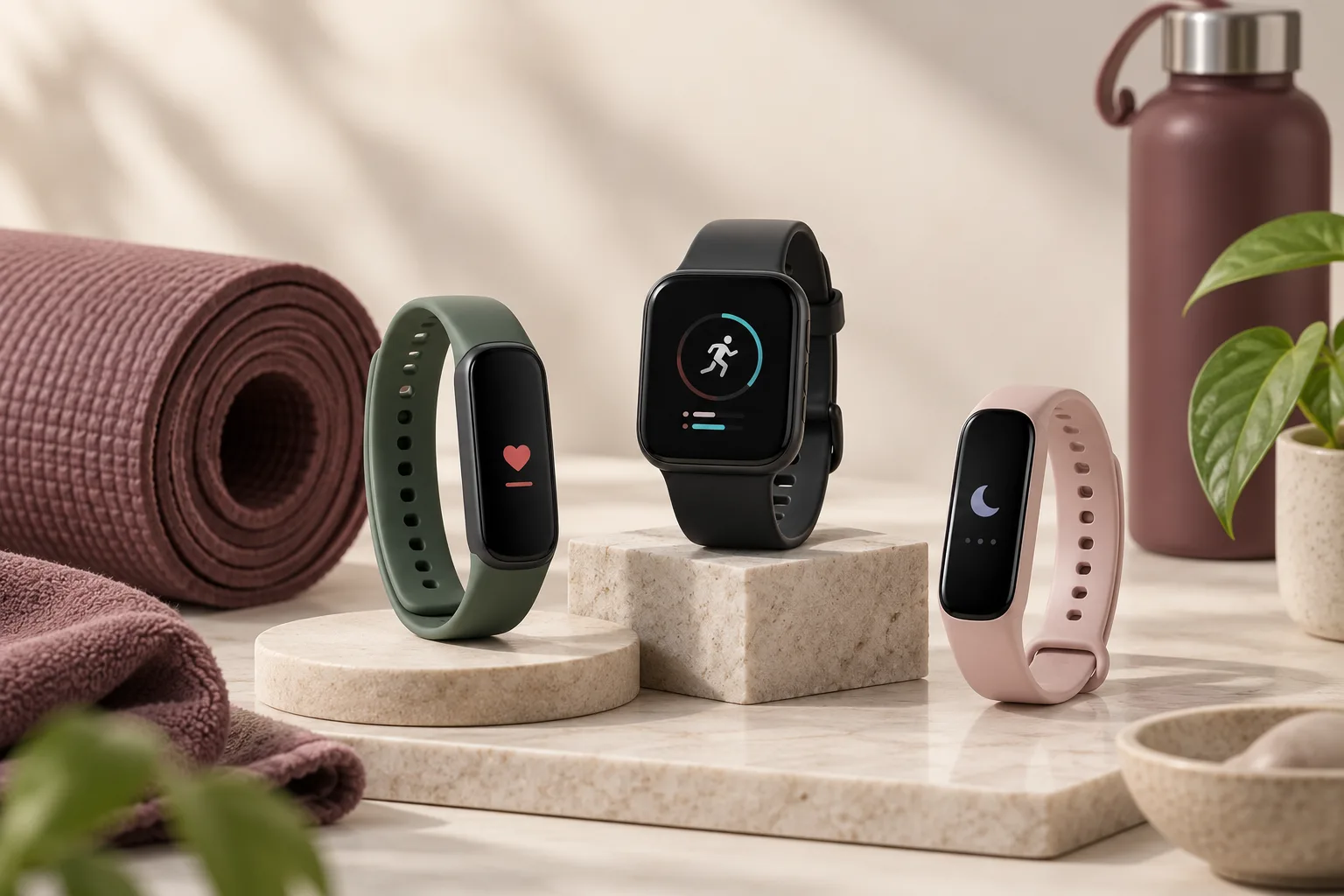 Fitness TrackersMost of our buyers want a band that counts steps and lasts, and they will not pay for a watch.
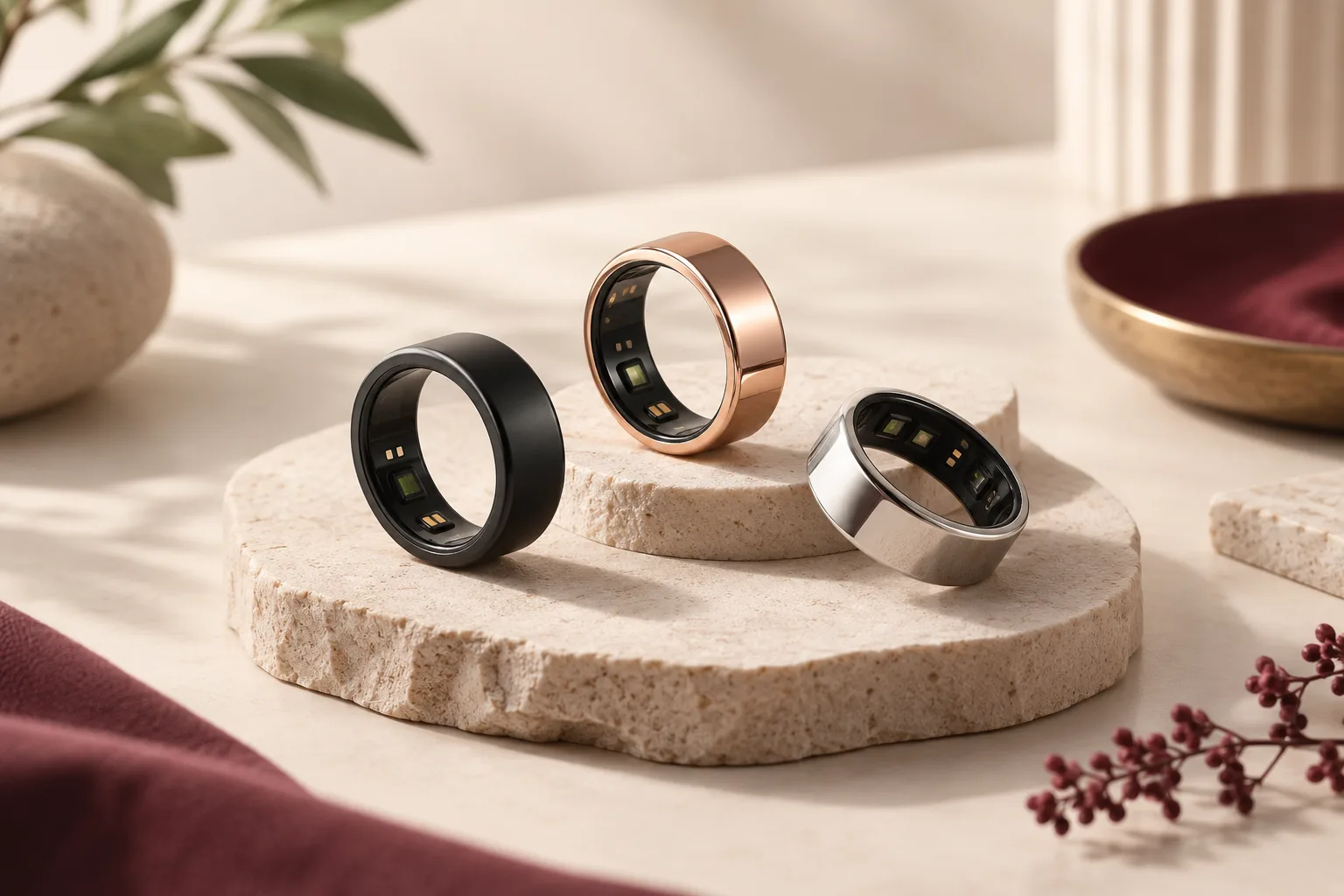 Smart RingsNobody in India has seen one on a finger, so the first question is whether it is real.
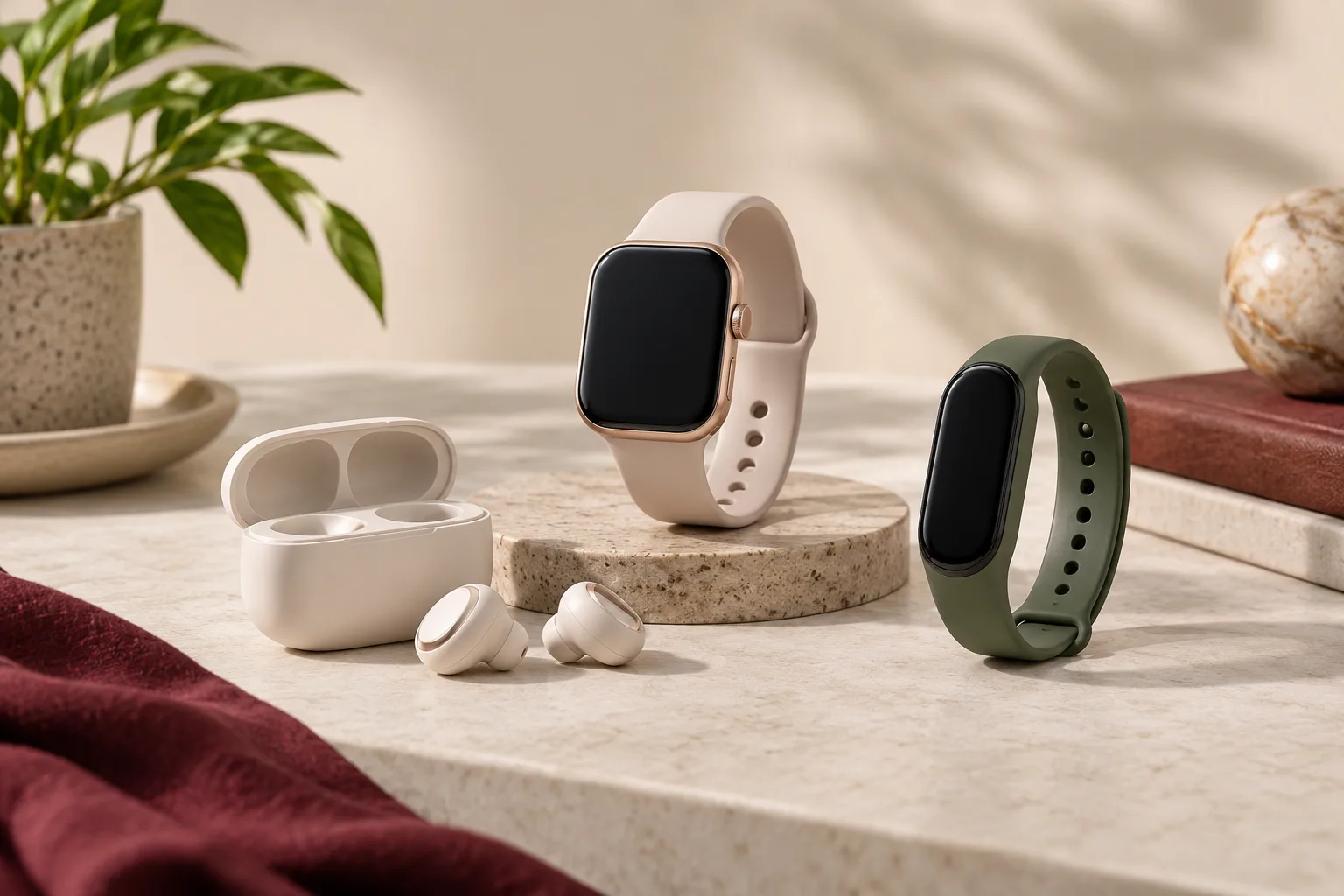 Wearable AccessoriesThe buyer knows the exact model of their watch and wants to know if our strap fits it.
Who it is for
This is written for you if you sell wearable technology online.
- Indian smartwatch and fitness band brands selling on Amazon, Flipkart and their own store
- Importers and resellers of smart rings and niche wearables with no brand recognition yet
- Accessory sellers making straps, chargers, screen guards and cases for popular models
- Brands whose products sell well on a marketplace and who want a direct customer base
- Retailers with a shop who now take wearable orders on a website or Instagram
Not for
It is not the right fit if.
- A seller who cannot say which phones a product pairs with or what the battery does in ordinary use
- Anyone who wants us to describe a device as measuring health or treating a condition
- A brand with no service route for a dead charger or a faulty unit, because the reviews will say so
How buyers choose
What decides who wins in wearable technology.
Phone compatibility
The first question is whether it works with the buyer's phone, Android or iPhone, and with which app version. A line buried in the description does not answer it.
The spec comparison across tabs
Display type and size, battery life as the brand states it, water resistance rating, calling from the wrist and the strap material are compared line by line against two or three rivals.
Reviews that mention the wrist
Buyers read the reviews that talk about strap comfort, how long the battery really lasted and whether the app kept disconnecting. A four-star average with those complaints loses to a quieter listing.
Warranty, service and the box
A device is a bigger risk than a shirt. The buyer looks for the warranty period, how to claim it, what is in the box and whether an invoice with GST comes with it.
Where sales are lost
What usually goes wrong when you sell wearable technology online.
In the words sellers use on the first call.
“We are on page five of the marketplace”
The listing with a hundred reviews takes the click even when your device is the better one. Without a reason to choose you, the buyer sorts by price.
“People ask if it works with their phone and then do not order”
That question comes through chat, WhatsApp and Instagram DMs all day. A slow or vague answer sends the buyer to the listing that says it plainly.
“Returns come back as complaints about the app”
The watch is fine. The buyer could not pair it, did not know where to download the app or never got notifications. The product page never explained setup.
“Nobody buys a second thing from us”
A buyer who purchased a band six months ago needs a strap, a charger or a new model one day. Nothing from you reaches them when that day comes.
The scope
The work we would propose for wearable technology.
Measured on purchases, conversion rate, cost to win a customer, average order value and repeat purchases. Anything here that needs a platform or tool we have not used with you is confirmed with you before it goes in the scope.
- Marketplace and store listingsTitles, images and comparison tables on Amazon and Flipkart rewritten around phone compatibility, battery and the questions in your reviews, with your own store carrying the fuller story.
- Search for models and usesPages for what people type: a calling smartwatch for Android, a fitness band for a small wrist, a strap for a named model, a charger that fits a particular watch.
- Paid campaigns by modelGoogle Shopping and Meta campaigns set up per model, with spend held back on models where the marketplace price leaves no margin.
- Reviews and creatorsCreators who show the device on a real wrist for a week, plus a way of asking buyers for reviews that mention fit and battery.
- Setup and accessories after the saleA first-week message that helps with pairing, then offers for straps and chargers matched to the model the person already owns.
Setup help content
Short videos and a page for each model on pairing, the app, updating and resetting, so that a setup problem is solved before it becomes a return.
What we do
What you get for wearable technology.
Each deliverable and what it is there to change.
A compatibility box for every listing
Which phones and operating systems the device works with, which features need the app, and what is not supported, placed near the price.
A comparison table against two or three rivals
Your specification set against the models buyers are really comparing you with, so the choice is made on your page and not three tabs away.
A setup guide for each model
Steps with screenshots for pairing and the first update, linked from the box insert and the confirmation message, aimed at the return reason that costs you most.
A review request that asks the right question
A message sent after delivery that prompts for comments on fit, battery and app, which are the things the next buyer reads for.
An accessory cross-sell plan
Which straps, chargers and screen guards are offered to owners of which model, and at what point after the first order.
How the result is measured
- Purchases
- Conversion rate
- Customer acquisition cost
- Repeat purchase rate
- Return rate
- Returns by reason: setup, app or fault
Recorded as a baseline before work starts, so every later report has an honest comparison.
How it works
What the work involves for wearable technology
The work itself, in order. How an engagement starts, from your brief to a written scope, is set out on our method page.
- 1
Follow one model from search to wrist
In the first conversation we take your best-selling device from the search that finds it to the checkout, and read its reviews and return reasons alongside.
- 2
Answer the compatibility and setup questions on the page
Phone support, the app, battery in ordinary use and the warranty go onto the listings that already get visitors, before anything is spent on ads.
- 3
Build search and paid campaigns by model
Pages and Shopping campaigns follow the models, starting with the one that has the clearest gap against rivals, with a baseline of purchases and returns recorded first.
- 4
Add reviews and creators
A review request and a small creator programme go in once the page can carry the traffic.
- 5
Sell the second thing
Strap, charger and replacement offers go to existing owners by model, and results are reported against the baseline at intervals agreed in writing after the first conversation.
What we need from you
What to have ready before we talk.
None of it has to be tidy. We read what you have.
- Links to your marketplace listings and your own store
- Your best-selling models and which ones carry the most returns
- The last fifty return reasons and the questions customers ask before buying
- Your warranty terms and how a claim works in practice
- Recent ad spend by platform and the price at which each model sells
Selling in India and abroad
Selling wearable technology beyond your own market.
Where you sell decides sizes, units, seasons and returns. We work from Bengaluru and have no overseas office, so for a new country we start from your own sales and the platforms you already use.
Which countries and which standards
Chargers, plug types, radio approvals and battery shipping rules differ by country, and the claims you can make on a listing differ too. Confirm each with your adviser before you list a device for another market.
Marketplace abroad or your own site
Amazon and eBay put you in front of buyers who already shop for wearables there. Your own store suits a brand with something to say. Start from the countries that already order from you.
Language of the app and the box
A buyer abroad needs the app in a language they read, a manual they can follow and a service address they can reach. If those are not ready, the listing is not either.
FAQ
Questions about selling wearable technology online.
Not here? More answers, or ask on WhatsApp.
How do I get my smartwatch ahead of the big brands on Amazon?
Do I need my own website if I sell on Amazon and Flipkart?
Can you say our band tracks sleep and heart rate?
Is it worth selling straps and chargers for models I do not make?
How long is the contract?
How soon will we see results?
Who will actually do the work?
What do you need from us?
What if we are not happy with the work?
Sellers of wearable technology also need
Also selling from a shop, a workshop or a warehouse? See the page for electronics and appliance stores.
This page is part of the e-commerce section. The D2C brands page covers the arithmetic of acquisition cost and the second order for any brand.
Why us
Why owners pick GullySales over an agency.
Marketing and sales, as one job
Most agencies stop at the enquiry. We also fix what happens after it: the reply, the follow-up, the quote and the CRM.
The person on the first call does the work
No account managers in between. You are never handed to someone you have not met.
A baseline before anything starts
Your numbers are written down on day one, so every later report compares against something honest.
The fee in writing, split three ways
Our time, your media spend and production on separate lines. You always see what goes to us.
No guarantees we cannot keep
The term is agreed in writing and never a default twelve months. We never promise a ranking or a lead count, because nobody controls those.
One office, and we say so
Nagarbhavi, Bengaluru. We work across India by call and WhatsApp and travel when a session needs to be in person.
#257, 3rd floor, Sri Nanjundeshwara Complex, Nagarbhavi 8th Block, Outer Ring Road. How we work.
Engagement options
Ways to work with us.
Pick the size of commitment that fits. Every option starts with your brief and a conversation.
Option 1
The conversation on its own
A call after you send your brief. It says honestly whether you need outside help, and many fixes are ones your own team can make.
Option 2
One fix, scoped
Start with the fix that matters most, such as reply time or follow-up. The fee is in writing before anything starts.
Option 3
An ongoing programme
We run the work, report against the baseline, and you renew on the numbers. The term and the reporting are agreed in writing first.
Option 4
Guidance for your own team or agency
We plan, brief and check the work of your in-house team or current agency, instead of replacing them.
Your brief
Tell us what you need, and we will read it before we call.
Eight short steps about your business, what you want and who decides. Most questions are a tap, and you can skip any you would rather answer on the call.
Your next practical step
Tell us what you are trying to grow, and we will read it before we call.
Eight short steps, mostly taps. Skip anything you would rather answer on the call.