E-commerce · Beauty and personal care
Our shampoo gets compared with ten others before anyone adds it to the cart.
A haircare buyer starts with a problem in their own words: frizz in the monsoon, an itchy scalp, thin hair at the parting, colour that fades in three washes. They search that sentence, open five listings, and read the reviews from people whose hair sounds like theirs. If your listing talks about a formula and not about their hair, they move on.
Scope, fee, reporting and term are agreed in writing after we have read your brief and spoken to you.

In one paragraph
Haircare e-commerce is the online sale of shampoos, conditioners, oils, treatments, colour, styling products and styling tools to buyers who choose by hair type, scalp, ingredients and what other people with the same hair say. GullySales works on how your listings speak to a hair type, how your reviews and photographs answer the doubt, and how a first-time buyer becomes someone who reorders.
The segment is a mix of very different sales. A shampoo is a bottle that runs out and gets bought again. A hair dryer is bought once, after a comparison of wattage and warranty. Hair colour is a decision made in front of a mirror, with a fear of the wrong shade.
Last updated 7 Oct 2026. Product, labelling and advertising rules for haircare differ by product and change. We describe them in general terms, so check the current position with your own adviser or the regulator before you publish a claim.
7 types of product
Each kind of haircare sells differently, so each has its own page.
Open the one that matches what you sell. It covers who buys it, where the sale is lost and what we would do.
 ShampoosBuyers search for dandruff or frizz, not for our brand name.
 ConditionersHalf our buyers wash with conditioner and the other half skip it altogether.
 Hair OilsBuyers trust the oil their grandmother used and doubt the one with a new name.
 Hair TreatmentsBuyers with damaged hair want a salon result at home and are afraid of making it worse.
 Hair ColourBuyers are scared of the wrong shade and nobody is there to ask.
 Styling ProductsA gel that works on one head is a bad review on the next.
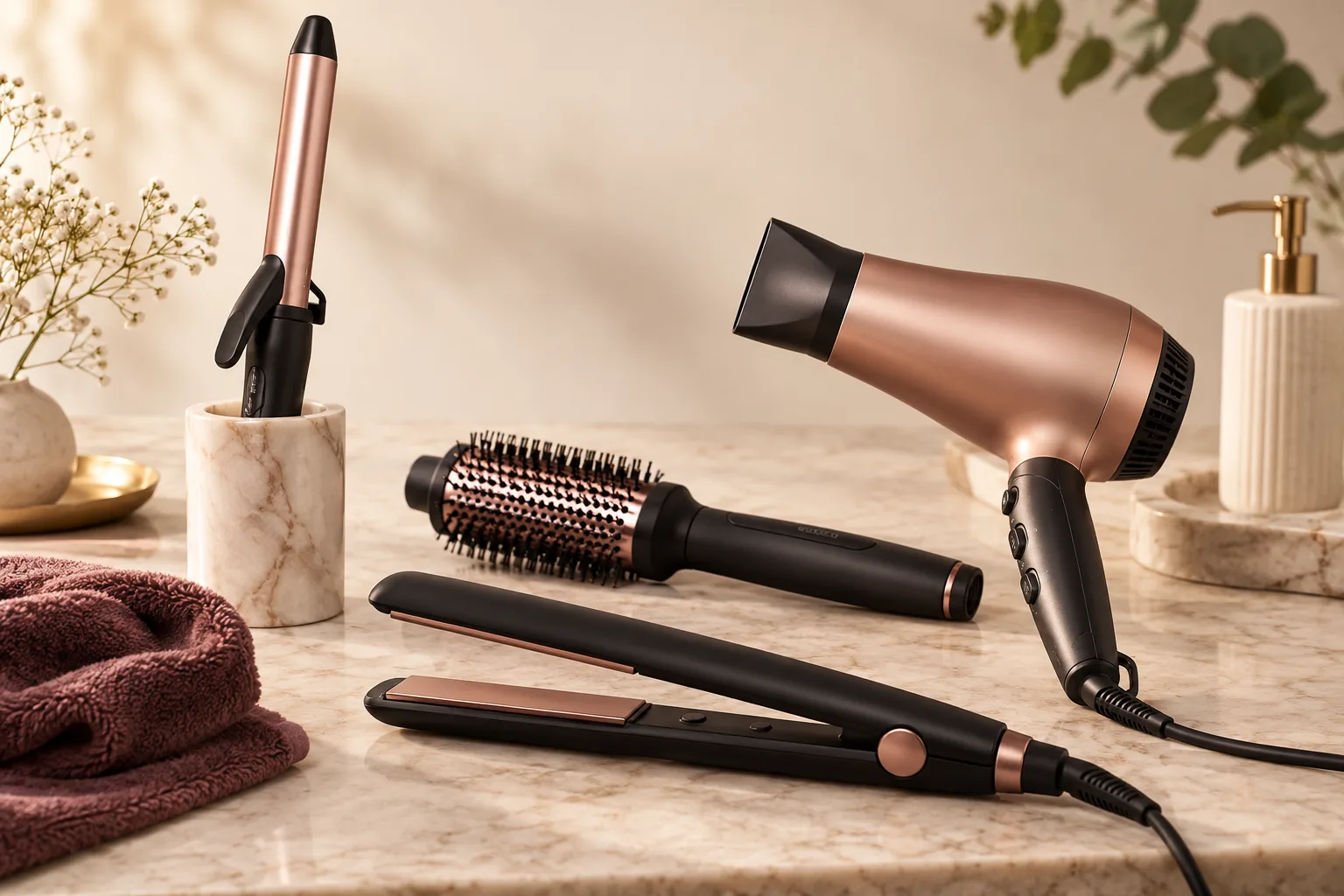 Styling ToolsBuyers compare watts and warranty on three tabs before they pay for a hair dryer.
Who it is for
This is written for you if you sell haircare online.
- Haircare brands selling on their own store, Nykaa, Amazon and Flipkart
- Makers of oils, serums and hair masks who sell through Instagram and WhatsApp
- Importers and sellers of hair dryers, straighteners and curling tools
- Salon-linked brands that now ship colour and treatment products to customers
- Ayurvedic and herbal hair brands with a loyal base in one region
Not for
It is not the right fit if.
- A brand that wants to promise hair growth or a cure for a scalp condition in its ads, because we will not write those claims
- A seller who changes the formula or the pack and keeps the old reviews, hoping nobody reads them
How buyers choose
What decides who wins in haircare.
Hair type and scalp
Buyers filter by dry, oily, curly, coloured, thinning or dandruff-prone, in their own words. A listing that never names the hair it is made for does not appear when they search.
The ingredient list and what is left out
Many buyers read the back of the bottle on the listing, looking for sulphates, silicones, parabens or an oil they know suits them. The claim on the front has to match the list.
Reviews from similar hair
A review that says wavy hair, hard water and a Bengaluru monsoon carries more weight than a star rating. Buyers sort by those reviews and read the critical ones first.
Pack size and price per millilitre
Shampoo and oil are compared by what the bottle costs for the volume. A small trial pack decides whether a buyer risks the big one.
Where sales are lost
What usually goes wrong when you sell haircare online.
In the words sellers use on the first call.
“People try it once and do not reorder”
A shampoo or oil sells on the second and third bottle. Without a reminder close to the day it runs out, the buyer picks whatever is on offer when they next search.
“Reviews say it did not suit my hair”
The shampoo was sold to the wrong hair type. Listings that call a product good for all hair types invite the buyer it does not suit.
“Our ads cannot say what the product does”
Platforms and regulators watch haircare claims. Ads that avoid hair growth and treatment language still need to say something a buyer will click on.
The scope
The work we would propose for haircare.
Measured on purchases, conversion rate, cost to win a customer, average order value and repeat purchases. Anything here that needs a platform or tool we have not used with you is confirmed with you before it goes in the scope.
- Listings built around hair typeTitles, bullet points and images rewritten so each product says which hair and which problem it is for, and which it is not for.
- Search pages for how hair problems are describedGuides and collection pages for searches such as shampoo for hard water, oil for dry scalp in winter, or colour that lasts on grey hair, each leading to products you stock.
- A way to gather useful reviewsPost-delivery messages that ask for hair type and use period along with the star rating, so the next buyer finds a review from hair like theirs.
- Reorder remindersWhatsApp and email reminders timed to the pack size, plus a refill or combo offer when the bottle is nearly empty.
- Creators who show the routineCreators with the hair type you sell to, shown using the product in a real wash routine, with claims checked against your approved wording.
What we do
What you get for haircare.
Each deliverable and what it is there to change.
A hair-type map of your range
A single sheet that says which product suits which hair and scalp, used on listings, ads and in WhatsApp replies so recommendations agree.
A claims sheet for your ads and listings
What you say about each product, in wording your adviser has approved, so a creator or an agency does not write a promise you cannot keep.
A review request sequence
Messages sent after delivery that ask the questions future buyers want answered: hair type, how long, and what changed in the wash.
A reorder calendar by pack size
When each buyer is contacted, based on how long a bottle lasts at normal use, so the reminder lands before they search elsewhere.
How the result is measured
- Purchases
- Conversion rate
- Customer acquisition cost
- Repeat purchase rate
- Return rate
- Reviews that name a hair type
Recorded as a baseline before work starts, so every later report has an honest comparison.
How it works
What the work involves for haircare
The work itself, in order. How an engagement starts, from your brief to a written scope, is set out on our method page.
- 1
Trace one product to a reorder
Early in the work we follow a best-selling product from search to first order to second bottle, and read the reviews that mention a return.
- 2
Say who each product is for
Hair type, scalp and ingredient information go onto the listings that already get visitors, in wording your adviser has checked.
- 3
Fix the reviews and the reorder
Review requests that gather hair type, then reminders by pack size, with a baseline of purchases and repeat purchases recorded first.
- 4
Add search, creators and ads
Hair-problem search pages, creator work and paid campaigns are added where the baseline shows they will have buyers to meet.
- 5
Measure against the baseline
Reports compare each product with the starting numbers, and how often you receive them is agreed in writing.
What we need from you
What to have ready before we talk.
None of it has to be tidy. We read what you have.
- Your store, marketplace and Instagram links
- Your best-selling products and the reviews that mention a return or a bad reaction
- Ingredient lists and the claims currently on your packs and pages
- Repeat purchase data by product, if you have it
- What you spend on shampoo and oil ads and which products they sold
Selling in India and abroad
Selling haircare beyond your own market.
Where you sell decides sizes, units, seasons and returns. We work from Bengaluru and have no overseas office, so for a new country we start from your own sales and the platforms you already use.
Which hair, which market
Indian haircare travels well to buyers of Indian origin and to those who want oils and herbal products by name. Start with the overseas orders already in your data, then look at one market and its language.
Labels, carriers and local rules
Ingredient names, label language and which products can be posted vary by country, and aerosols and liquids are restricted by many carriers. These are checked with your adviser and carrier before listing.
FAQ
Questions about selling haircare online.
Not here? More answers, or ask on WhatsApp.
How do I sell shampoo online when there are hundreds of brands?
Can I say my hair oil reduces hair fall?
Should I sell on Nykaa and Amazon or on my own store?
How do I get reviews from people with my customer's hair type?
How much does it cost?
How long is the contract?
How soon will we see results?
Who will actually do the work?
What do you need from us?
What if we are not happy with the work?
Sellers of haircare also need
Also selling from a shop, a workshop or a warehouse? See the page for personal care brands and salons and beauty studios.
This page is part of the e-commerce section. The D2C brands page covers the arithmetic of acquisition cost and the second order for any brand.
Why us
Why owners pick GullySales over an agency.
Marketing and sales, as one job
Most agencies stop at the enquiry. We also fix what happens after it: the reply, the follow-up, the quote and the CRM.
The person on the first call does the work
No account managers in between. You are never handed to someone you have not met.
A baseline before anything starts
Your numbers are written down on day one, so every later report compares against something honest.
The fee in writing, split three ways
Our time, your media spend and production on separate lines. You always see what goes to us.
No guarantees we cannot keep
The term is agreed in writing and never a default twelve months. We never promise a ranking or a lead count, because nobody controls those.
One office, and we say so
Nagarbhavi, Bengaluru. We work across India by call and WhatsApp and travel when a session needs to be in person.
#257, 3rd floor, Sri Nanjundeshwara Complex, Nagarbhavi 8th Block, Outer Ring Road. How we work.
Engagement options
Ways to work with us.
Pick the size of commitment that fits. Every option starts with your brief and a conversation.
Option 1
The conversation on its own
A call after you send your brief. It says honestly whether you need outside help, and many fixes are ones your own team can make.
Option 2
One fix, scoped
Start with the fix that matters most, such as reply time or follow-up. The fee is in writing before anything starts.
Option 3
An ongoing programme
We run the work, report against the baseline, and you renew on the numbers. The term and the reporting are agreed in writing first.
Option 4
Guidance for your own team or agency
We plan, brief and check the work of your in-house team or current agency, instead of replacing them.
Your brief
Tell us what you need, and we will read it before we call.
Eight short steps about your business, what you want and who decides. Most questions are a tap, and you can skip any you would rather answer on the call.
Your next practical step
Tell us what you are trying to grow, and we will read it before we call.
Eight short steps, mostly taps. Skip anything you would rather answer on the call.