E-commerce · Fashion and accessories
Shoppers love the photographs and then return the size they ordered.
Clothing and apparel is bought twice: once to try and once to keep. The shopper cannot feel the fabric or see the fit on their own body, so they read the size chart, look for a review from someone their height, and order two sizes to be safe. One of the two comes back, and the courier bills you both ways.
Scope, fee, reporting and term are agreed in writing after we have read your brief and spoken to you.
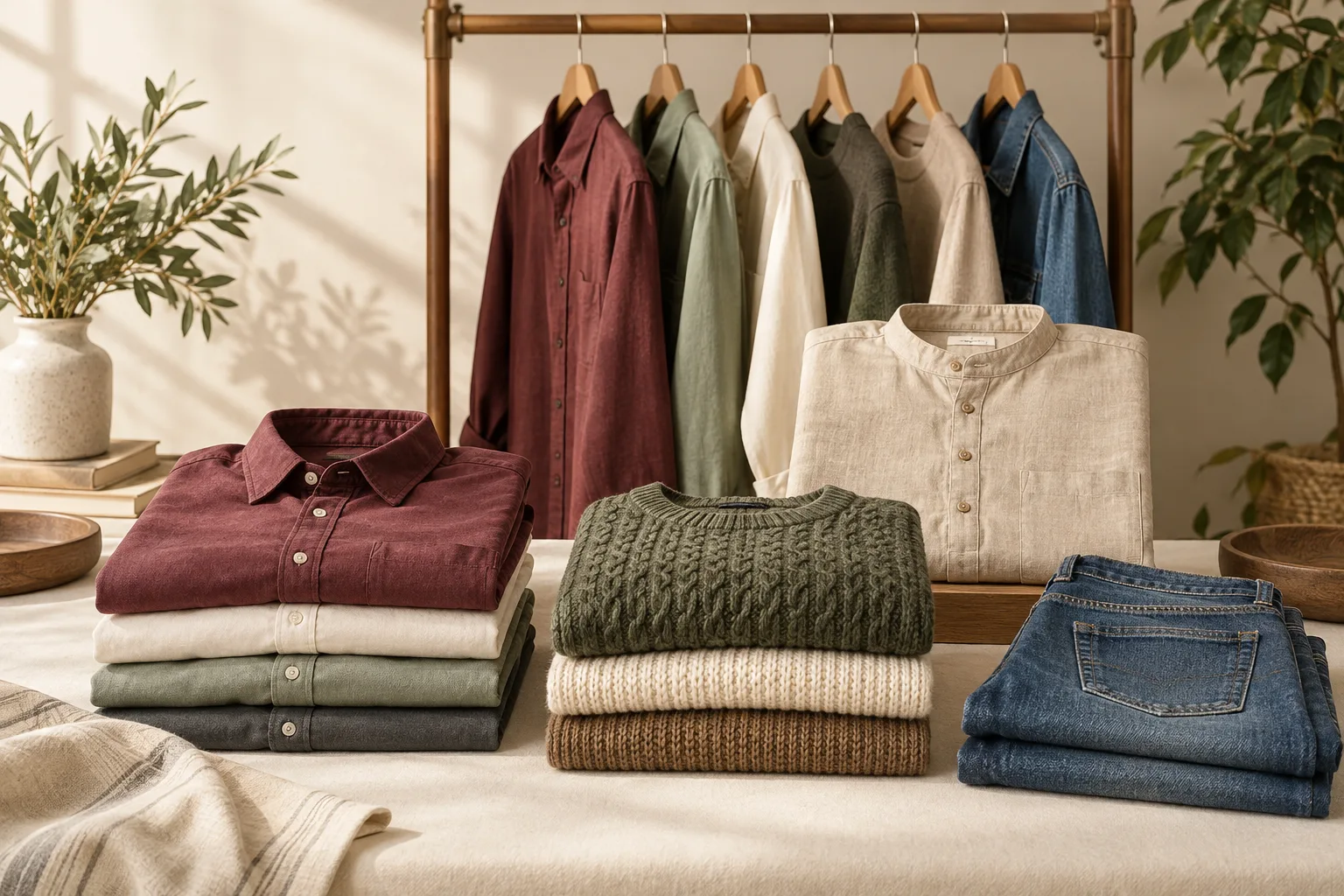
In one paragraph
Clothing and apparel e-commerce is the online sale of garments for women, men and children, from everyday wear to ethnic, active, swim and winter clothing, through your own store, marketplaces and Instagram. GullySales works on how shoppers find your styles, how your size and fit information settles the doubt before checkout, and how first-time buyers become people who order again.
So the work here is less about getting more visitors and more about helping the right person choose the right size the first time. Photographs, model details, fabric descriptions, the exchange policy and the speed of a WhatsApp answer decide more than the discount banner does.
Each kind of clothing worries the buyer about something different. A saree buyer asks about the blouse piece, a swimwear buyer about coverage, a school-uniform parent about growth. The pages below treat them separately.
Last updated 7 Oct 2026.
8 types of product
Each kind of clothing & apparel sells differently, so each has its own page.
Open the one that matches what you sell. It covers who buys it, where the sale is lost and what we would do.
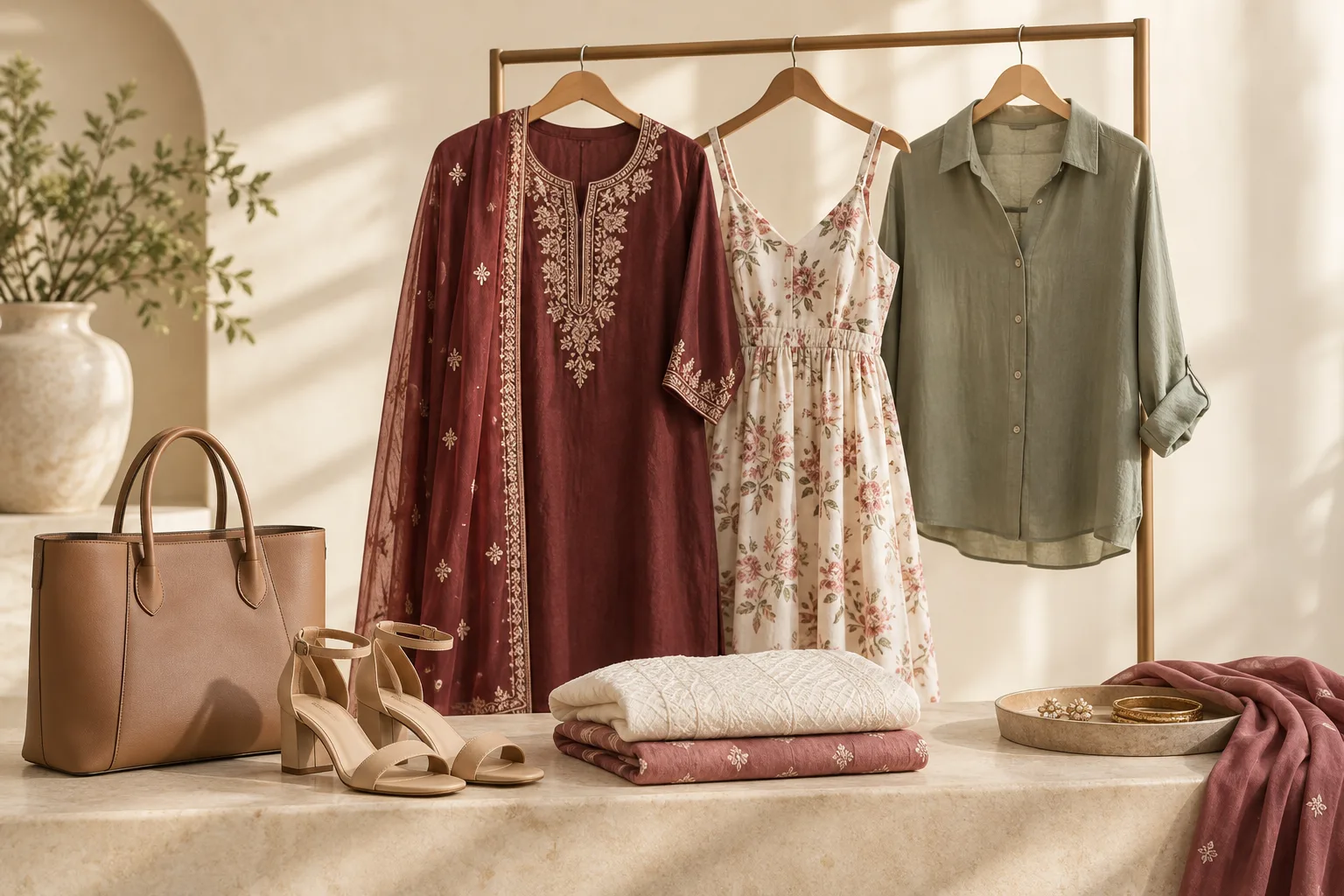 Women’s ClothingThe dress is liked, but not enough to guess the size and wait for a return.
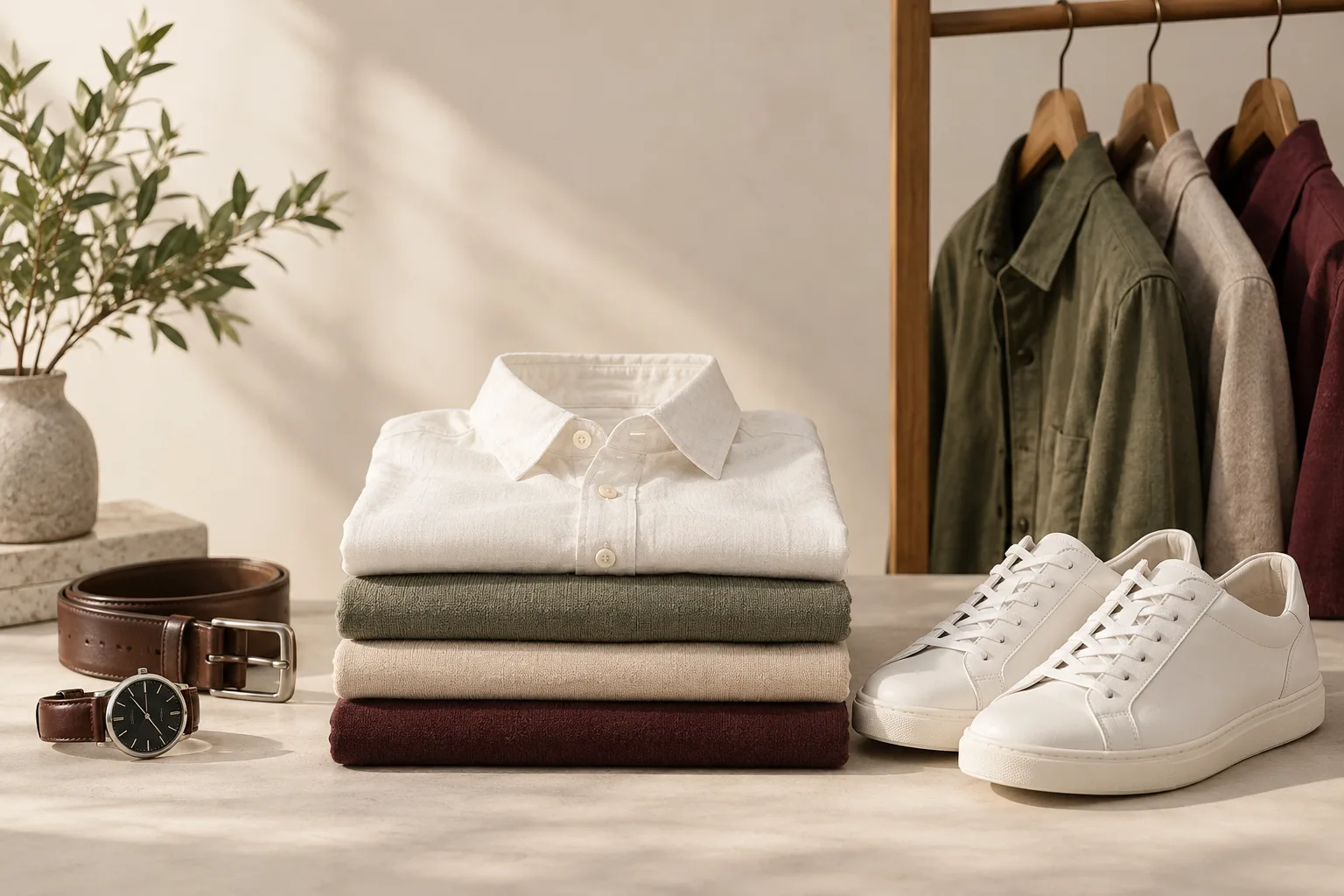 Men’s ClothingA shirt that fitted once is expected to fit the same way on every reorder.
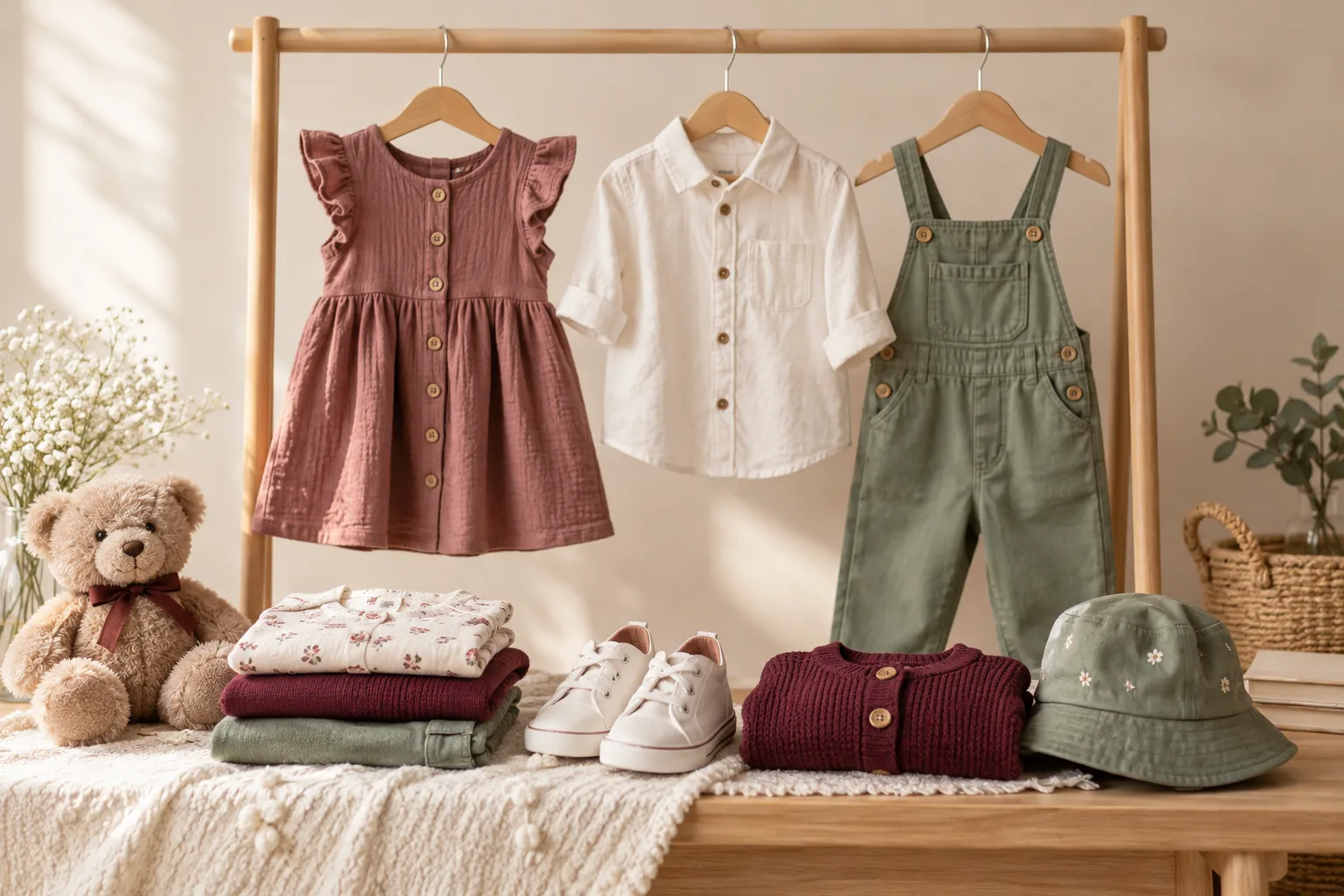 Children’s ClothingBy the time the parcel arrives, the child has already grown out of it.
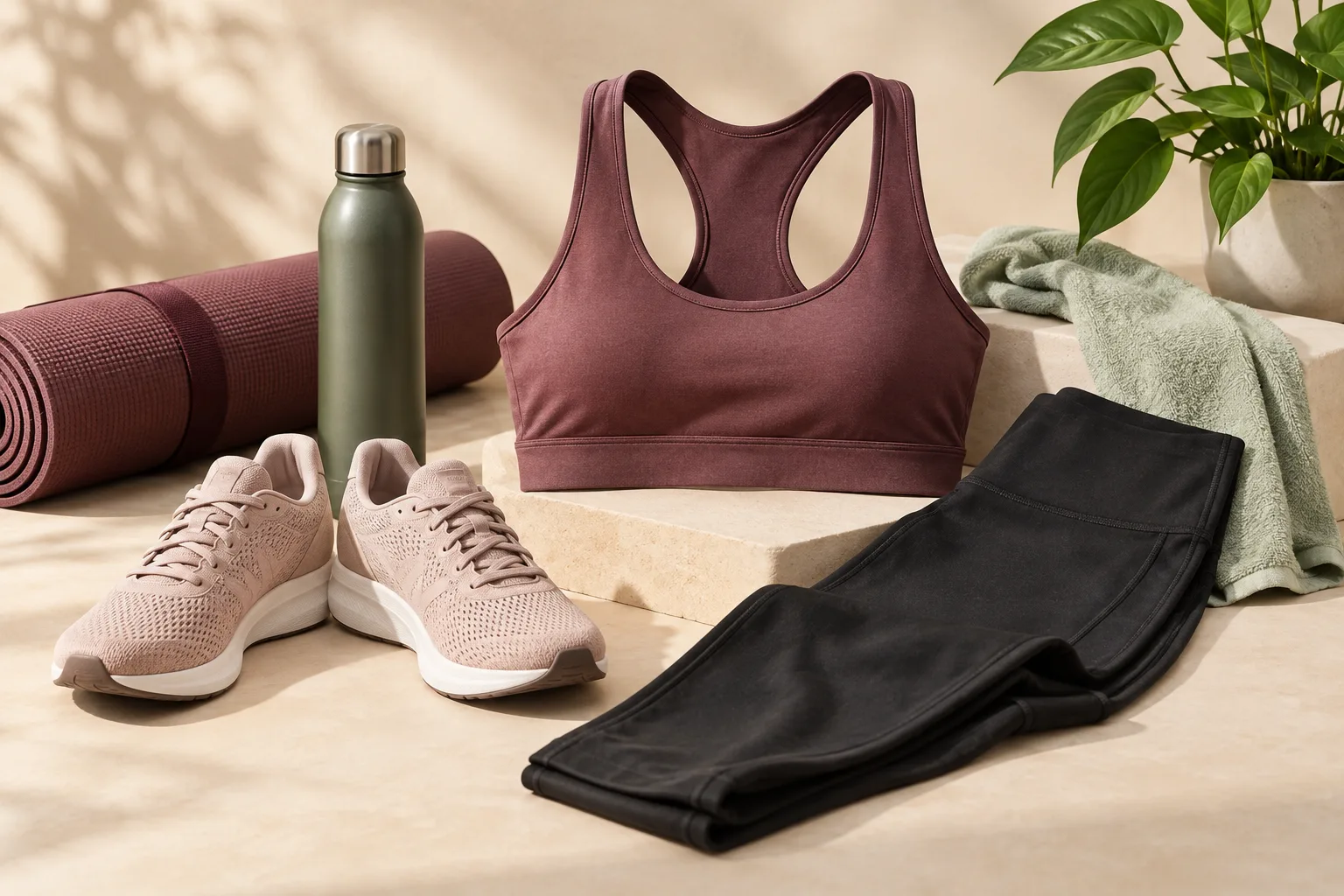 ActivewearNobody knows if the leggings are squat-proof until they have bent over in them.
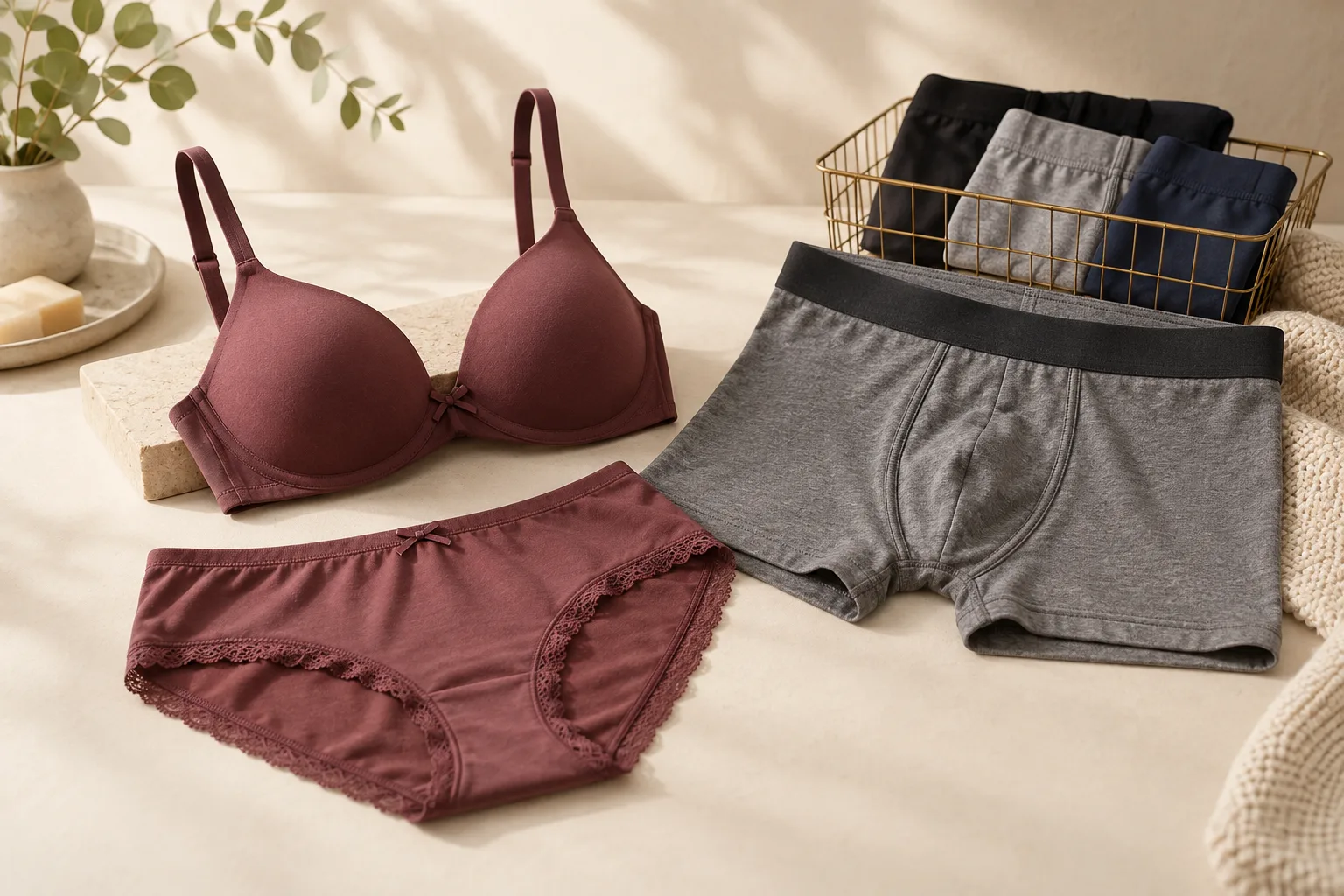 UnderwearA wrong-size bra cannot go back, so the sale is lost and so is the customer.
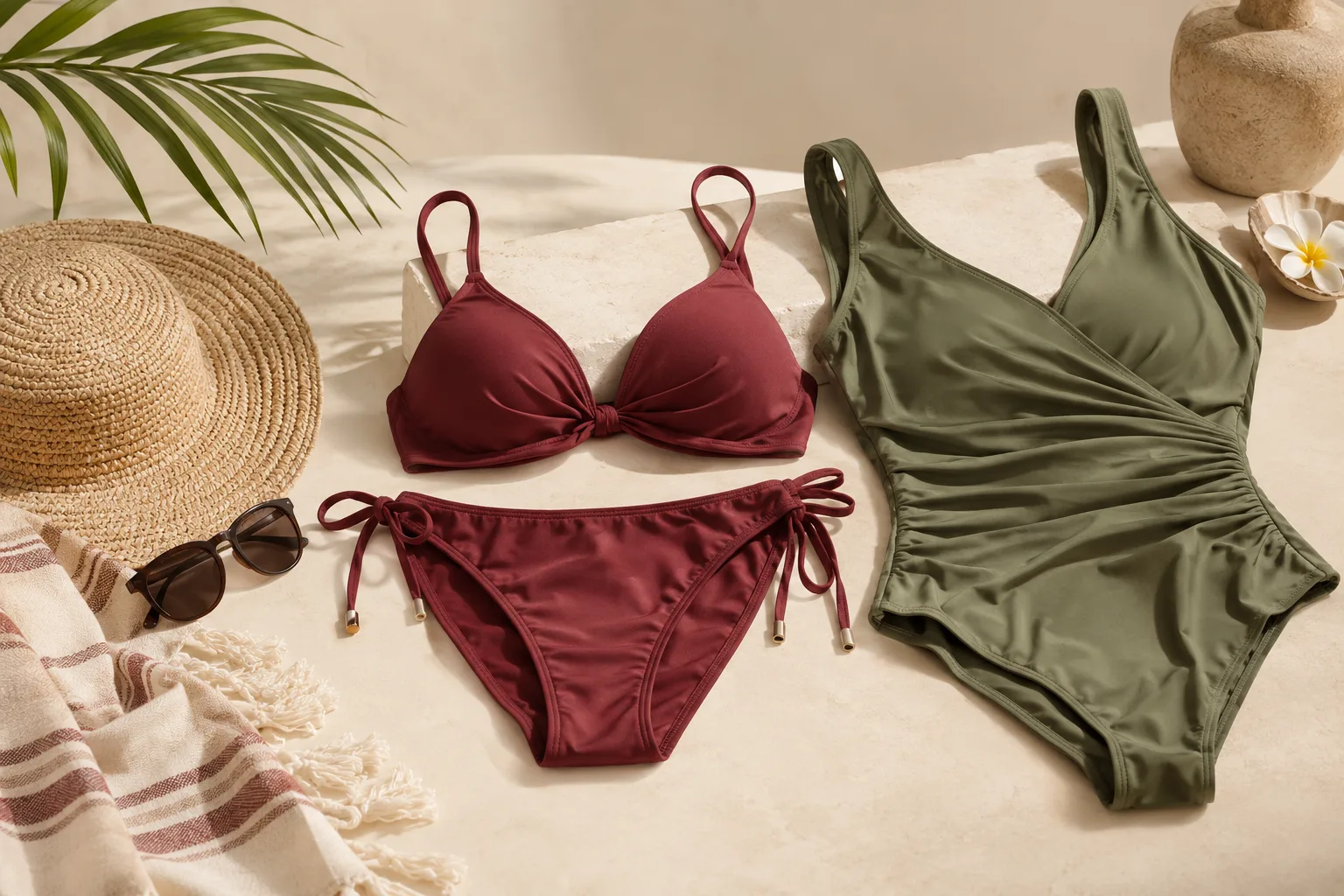 SwimwearThe swimsuit is bought for one holiday, so it has to arrive before the flight.
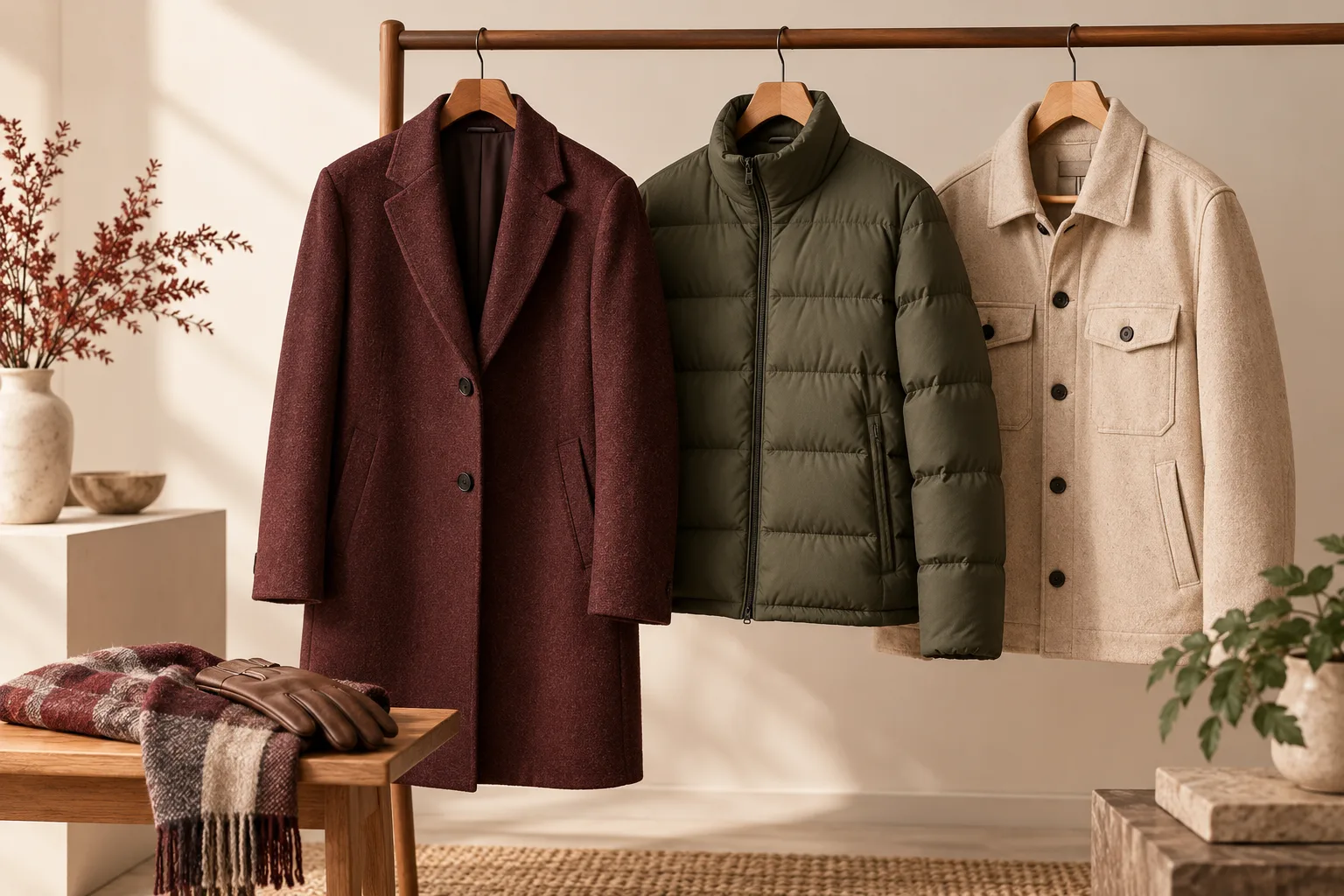 OuterwearA jacket is a bigger decision than a shirt, and it only sells in the cold months.
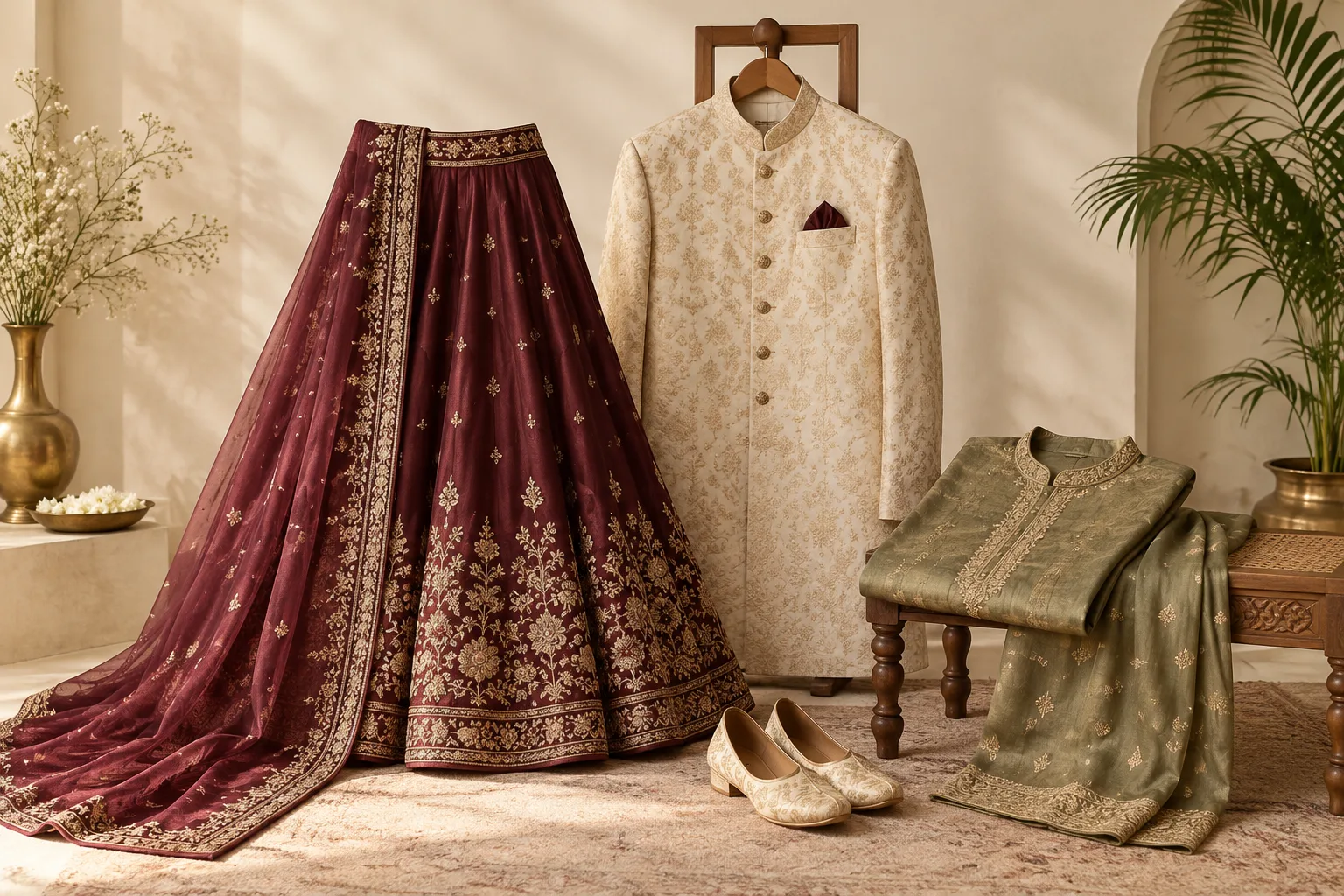 Ethnic WearA saree is chosen for a date, a family and a fabric, and the photograph is only the start.
Who it is for
This is written for you if you sell clothing & apparel online.
- Brands that design and sell their own garments through a Shopify or WooCommerce store
- Boutique owners who have a following on Instagram and take orders over WhatsApp
- Manufacturers and exporters who have started selling to consumers under their own label
- Marketplace sellers on Myntra, Amazon, Flipkart or Meesho who want repeat buyers they own
- Retail shops adding an online range alongside the counter
Not for
It is not the right fit if.
- A store that will not publish measurements, fabric details or an exchange policy
- Anyone who expects advertising to fix a pattern, stitching or fabric complaint that customers keep writing about
- Sellers who want only a discount-led sale and have no plan for the buyer's second order
How buyers choose
What decides who wins in clothing & apparel.
The size chart and the garment measurement
Buyers compare their own measurements with the chest, waist and length given for the garment, not just S, M and L. A chart that lists body measurements for one brand and garment measurements for another sends people to the wrong size.
Fabric, weight and care
Cotton, linen, rayon, polyester blends and knits feel and wear differently. The buyer looks for the composition, the weight, whether it shrinks, and whether it needs dry cleaning.
Reviews that mention fit
A star rating tells the shopper little. A review that says the buyer is 5 feet 4 inches and the medium ran long tells them what to order.
The exchange and return terms
Before ordering a second size, the buyer checks whether you take back worn or washed pieces, who pays for pickup, and whether an exchange is faster than a refund.
Where sales are lost
What usually goes wrong when you sell clothing & apparel online.
In the words sellers use on the first call.
“We get orders for two sizes and half of them come back”
The shopper is using your home page as a fitting room. The fix sits in the size chart, the model details and a reply on WhatsApp, not in the courier contract.
“Our photographs look better than the cloth”
Studio light hides creases, shows colour that a phone screen cannot match, and the buyer opens the parcel to a shade they did not expect. The reason for the return is written as wrong colour.
“Ads bring people to the home page and they leave”
A shopper who saw one kurta in an Instagram reel lands on the full catalogue. They wanted that one style in their size and could not find it in a few seconds.
“Nobody buys again after the first order”
A buyer who found their size with you has done the hard part. Nothing reaches them when the next season arrives, so they start over on a marketplace.
The scope
The work we would propose for clothing & apparel.
Measured on purchases, conversion rate, cost to win a customer, average order value and repeat purchases. Anything here that needs a platform or tool we have not used with you is confirmed with you before it goes in the scope.
- Product pages that settle the size questionSize chart, garment measurements, model height and size worn, fabric and care, placed next to the size selector on each page, and the questions buyers still ask turned into page content.
- Search by garment and occasionCollection pages written for what people type, such as cotton kurtas for office wear, oversized t-shirts, linen shirts for summer, rather than one page called new arrivals.
- Ads that send people to the style they clickedInstagram and Facebook campaigns where each ad lands on the product or collection it showed, with catalogue and Google Shopping feeds checked for size and colour data. Setup depends on your platform and is confirmed after we have read your brief and spoken to you.
- Marketplace listings and returnsTitles, size information and images on Myntra, Amazon, Flipkart or Meesho, plus a read of the return reasons the marketplace shows you.
- The second orderA plan for buyers whose first order stuck: their size remembered, new drops from the same fit, and a message when the season turns.
- Fit questions on WhatsAppReady answers for size, fabric and exchange questions, and a hand-over to a person when the buyer is between two sizes.
What we do
What you get for clothing & apparel.
Each deliverable and what it is there to change.
A size and fit guide for each style
Garment measurements, body measurements, model details and a note on whether it runs small or large, shown beside the size picker so fewer shoppers order two.
A return-reason sheet
Your returns sorted into size, colour, fabric, damage and changed mind, so the next change is made to the page or the product that caused them.
A photography brief for each category
Daylight shots, close-ups of fabric and stitching, a colour reference and the model's size, so the picture matches the parcel.
A collection calendar
When each season, festival and sale needs its pages, photographs and campaigns, working back from the date stock reaches you.
A repeat-buyer message plan
What goes to a customer after delivery, after the first wear and when a new drop matches what they bought.
How the result is measured
- Purchases
- Conversion rate
- Customer acquisition cost
- Repeat purchase rate
- Return rate
- Returns by reason: size, colour, fabric
Recorded as a baseline before work starts, so every later report has an honest comparison.
How it works
What the work involves for clothing & apparel
The work itself, in order. How an engagement starts, from your brief to a written scope, is set out on our method page.
- 1
Trace a style from click to return
In the first conversation we follow one best-selling style from the ad or search through the size picker to payment, then look at why it comes back.
- 2
Fix the size and fabric information
Size guides, garment measurements and fabric notes go onto the pages that already have visitors, before more is spent on traffic.
- 3
Sort out how people find the styles
Collection pages, product titles and marketplace listings are rewritten around what shoppers type, and ad landing pages are matched to the style shown.
- 4
Set up replies and repeat buying
WhatsApp answers for fit questions, a message plan for the second order, and a baseline of purchases and returns recorded first.
- 5
Measure against the baseline
Results are reported against that baseline at intervals agreed in writing, and the next season's plan starts from what sold and what came back.
What we need from you
What to have ready before we talk.
None of it has to be tidy. We read what you have.
- Your store, marketplace and Instagram links
- Your ten best-selling styles and the five most returned
- Return and exchange reasons from the last season
- A sample of customer questions from WhatsApp and Instagram messages
- What you spent on ads last season, by platform, and the orders each one brought
Selling in India and abroad
Selling clothing & apparel beyond your own market.
Where you sell decides sizes, units, seasons and returns. We work from Bengaluru and have no overseas office, so for a new country we start from your own sales and the platforms you already use.
Sizes and measurements change by country
US, UK and EU sizing do not match Indian charts, and customers abroad read inches and centimetres differently. A second size chart for each market, built from your own garment measurements, avoids the first batch of returns.
Seasons run the other way
A buyer in Australia wants winter wear when India is in summer. Indian festival wear sells to families in the Gulf, the UK and North America before Diwali, Eid and wedding season, and the order has to arrive in time.
Delivery, duty and returns
A return across a border is expensive enough that many sellers decline it. Whether to sell through your own store, a marketplace abroad or neither is decided from the overseas orders you already receive, with duty and shipping confirmed with your logistics partner.
Proof
Where we have worked on something close.
These are published case studies of real clients. Each shows only the results that were recorded, and none of them is a promise about your store.
France Fox
- Situation
- Eco claims are common enough in menswear that buyers discount them on sight. France Fox had a real production story and nowhere to set it out, which is the wrong way round.
- What we did
- A website built for a launch
- Social designs and captions
- Print for the launch
- One tone at every touchpoint
- Result
- No numbers were recorded for this engagement. The work is described in full in the case study.
Also worked with
Chord Road Hospital · Curtain Label · Difesa Security Services · Felicity Inn · Hands On CSR · Implevista · Kambar Group · Kalessi · Kerur Pain Clinic · LL Trust · Lucky Deals · Natural Gases · NavaShakthi Souhardha · NewCom Logistics · Proton Technical Services · SB Engineering · Shakthi Foundation · Shakthi Group · Urbanest · Insyde Studio · Venkateshwara Laser Tech · Vivara Studios
FAQ
Questions about selling clothing & apparel online.
Not here? More answers, or ask on WhatsApp.
How do I reduce size returns on my clothing store?
Should I sell clothes on Myntra and Amazon or on my own website?
Do Instagram reels sell clothes?
How do I handle fashion trends and seasonal stock?
How much does it cost?
How long is the contract?
How soon will we see results?
Who will actually do the work?
What do you need from us?
What if we are not happy with the work?
Sellers of clothing & apparel also need
Also selling from a shop, a workshop or a warehouse? See the page for clothing stores and boutiques, garment manufacturers and fabric shops and retailers.
This page is part of the e-commerce section. The D2C brands page covers the arithmetic of acquisition cost and the second order for any brand.
Why us
Why owners pick GullySales over an agency.
Marketing and sales, as one job
Most agencies stop at the enquiry. We also fix what happens after it: the reply, the follow-up, the quote and the CRM.
The person on the first call does the work
No account managers in between. You are never handed to someone you have not met.
A baseline before anything starts
Your numbers are written down on day one, so every later report compares against something honest.
The fee in writing, split three ways
Our time, your media spend and production on separate lines. You always see what goes to us.
No guarantees we cannot keep
The term is agreed in writing and never a default twelve months. We never promise a ranking or a lead count, because nobody controls those.
One office, and we say so
Nagarbhavi, Bengaluru. We work across India by call and WhatsApp and travel when a session needs to be in person.
#257, 3rd floor, Sri Nanjundeshwara Complex, Nagarbhavi 8th Block, Outer Ring Road. How we work.
Engagement options
Ways to work with us.
Pick the size of commitment that fits. Every option starts with your brief and a conversation.
Option 1
The conversation on its own
A call after you send your brief. It says honestly whether you need outside help, and many fixes are ones your own team can make.
Option 2
One fix, scoped
Start with the fix that matters most, such as reply time or follow-up. The fee is in writing before anything starts.
Option 3
An ongoing programme
We run the work, report against the baseline, and you renew on the numbers. The term and the reporting are agreed in writing first.
Option 4
Guidance for your own team or agency
We plan, brief and check the work of your in-house team or current agency, instead of replacing them.
Your brief
Tell us what you need, and we will read it before we call.
Eight short steps about your business, what you want and who decides. Most questions are a tap, and you can skip any you would rather answer on the call.
Your next practical step
Tell us what you are trying to grow, and we will read it before we call.
Eight short steps, mostly taps. Skip anything you would rather answer on the call.