E-commerce · Fashion and accessories
A bag is bought for what goes inside it, and the product photograph never shows that.
A shopper looks at a bag in a photograph and has to guess its size, its weight and whether their laptop, water bottle or lunch will fit. The model carries it at the hip, which tells them nothing about how deep it is. Material is the second guess: is it real leather, will the zip last, will the strap hold when it is full.
Scope, fee, reporting and term are agreed in writing after we have read your brief and spoken to you.
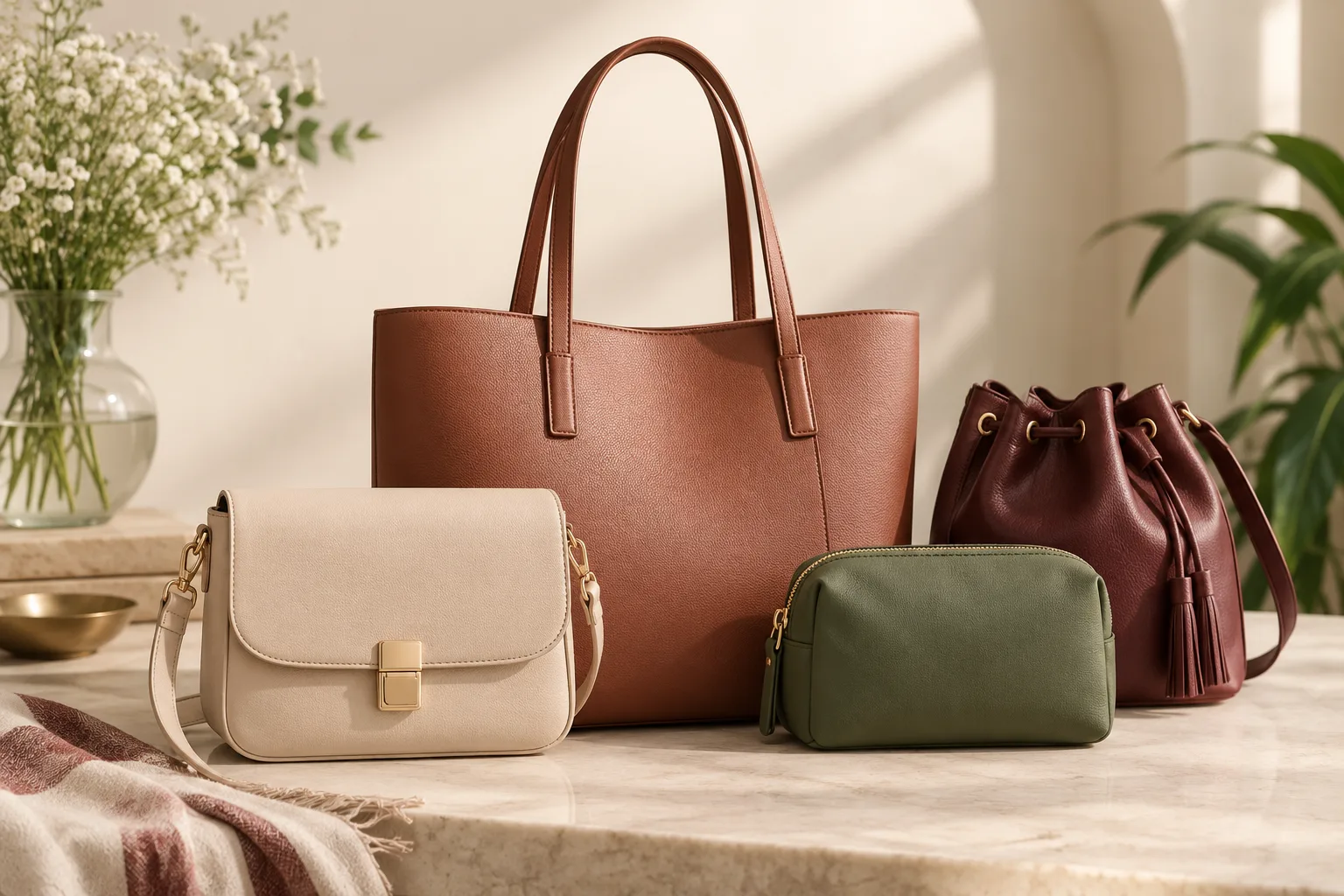
In one paragraph
Bags e-commerce is the online sale of handbags, backpacks, laptop bags, travel bags, tote bags and wallets in leather, canvas, nylon and other materials, bought for use, look and durability. GullySales works on how your pages show size and capacity, how material and build are proved, and how each kind of bag is found by the person who will carry it.
Each kind of bag carries a different worry. A handbag is judged on look and finish, a backpack on comfort under load, a laptop bag on the fit of a specific machine, and a wallet on what it holds and how it is built. The pages below keep them apart.
Last updated 7 Oct 2026.
6 types of product
Each kind of bags sells differently, so each has its own page.
Open the one that matches what you sell. It covers who buys it, where the sale is lost and what we would do.
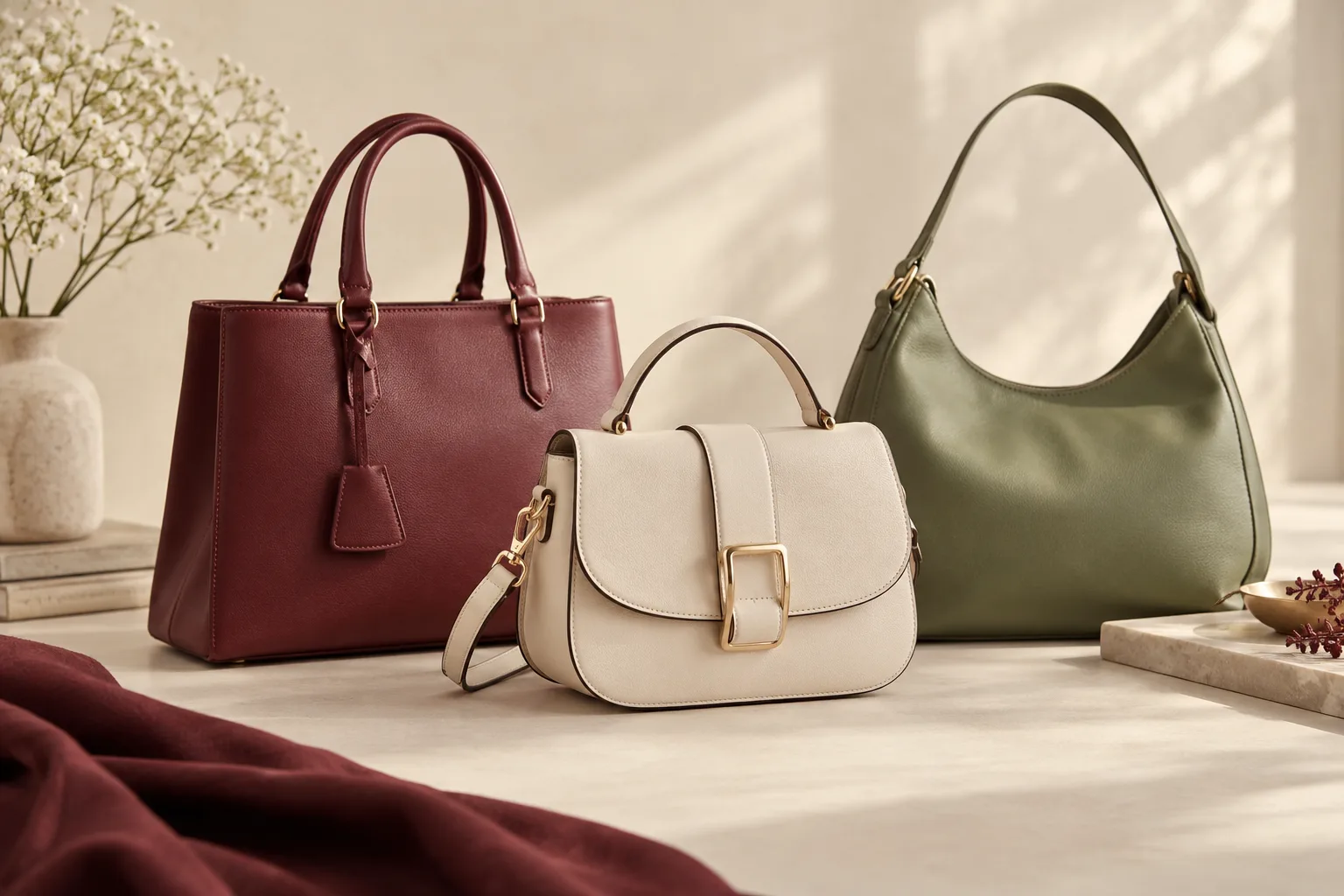 HandbagsThe handbag is bought for how it looks and returned for how it is made.
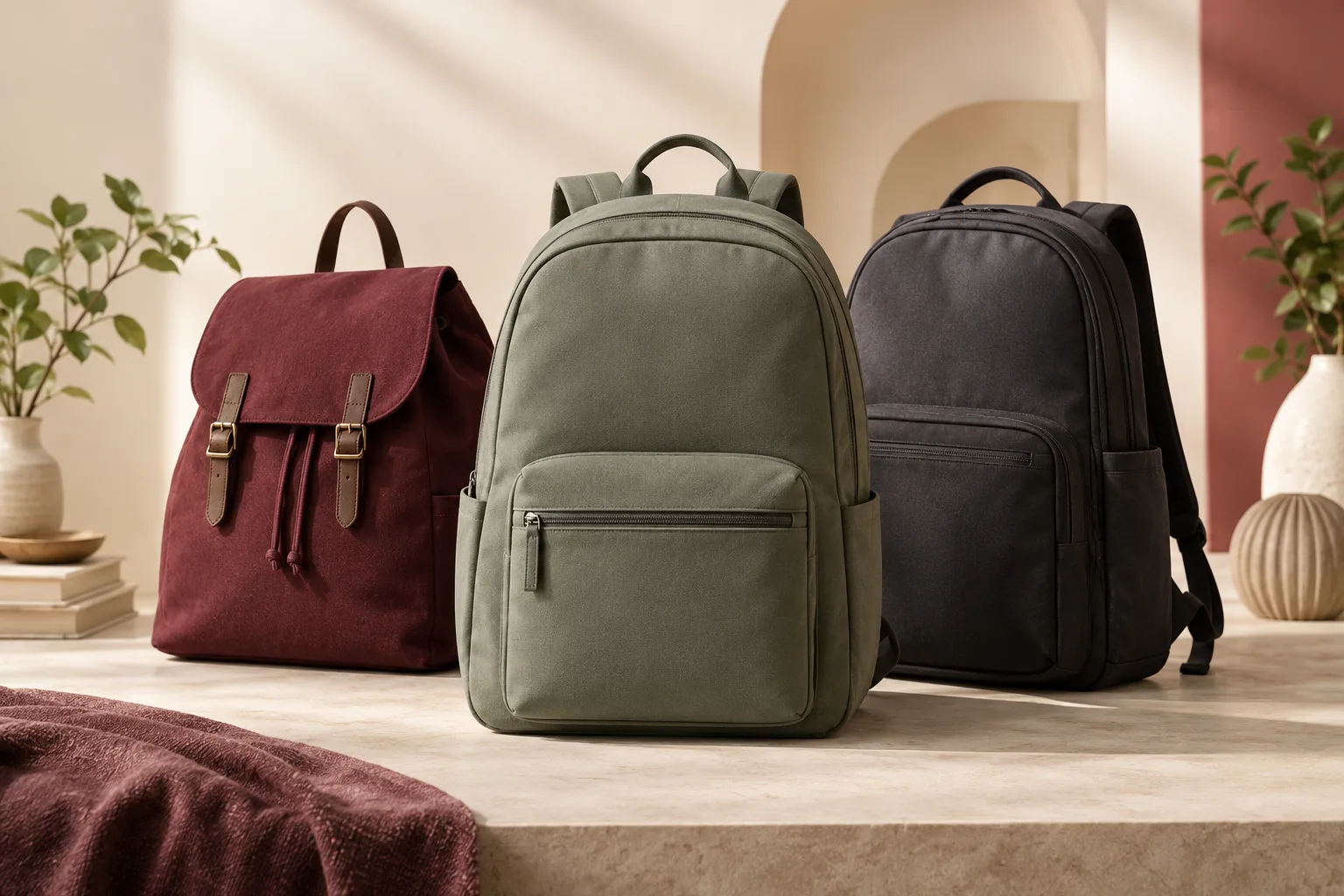 BackpacksA backpack is judged on the shoulders after an hour, not in the photograph.
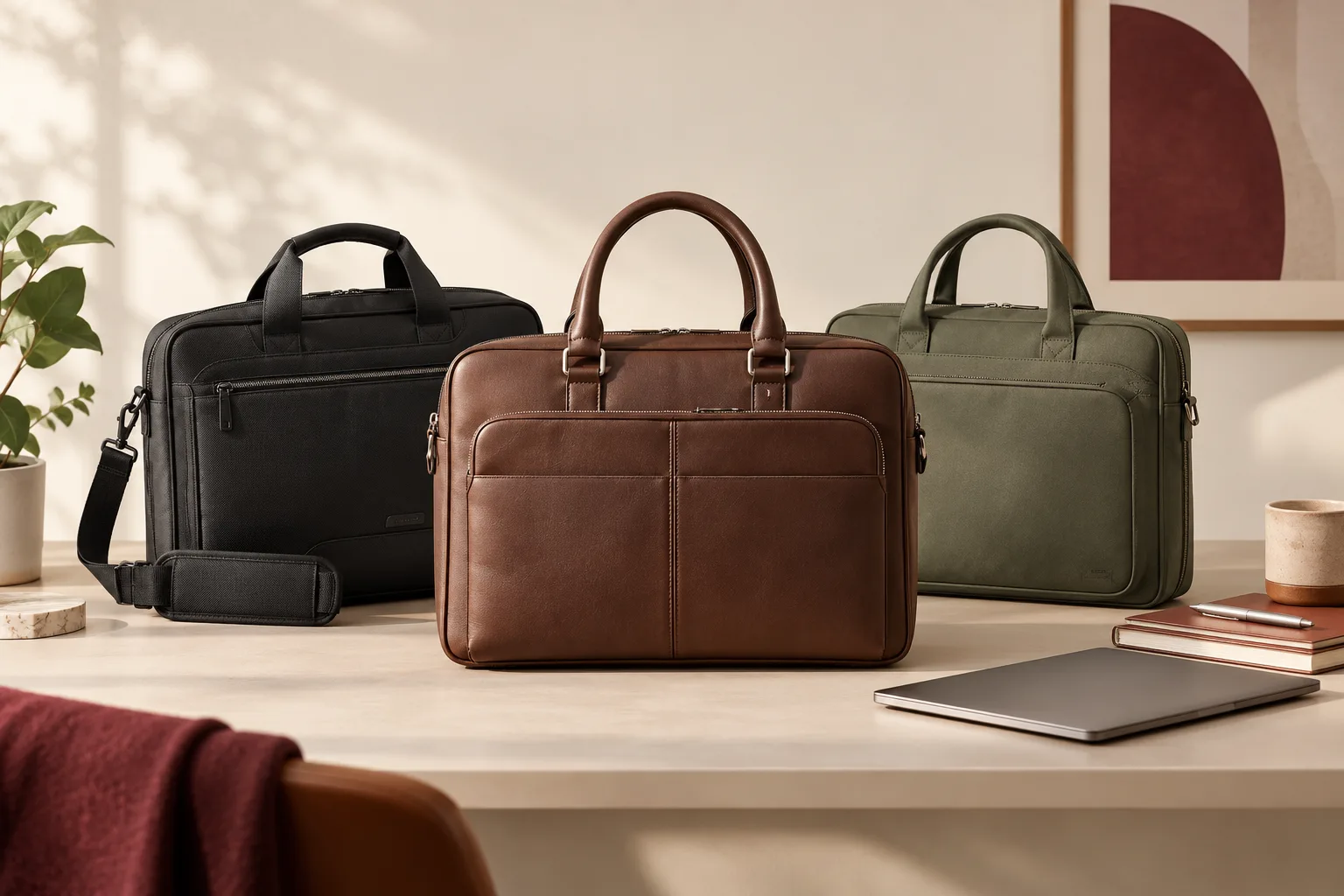 Laptop BagsThe bag is only right if the exact laptop slides in and out of it.
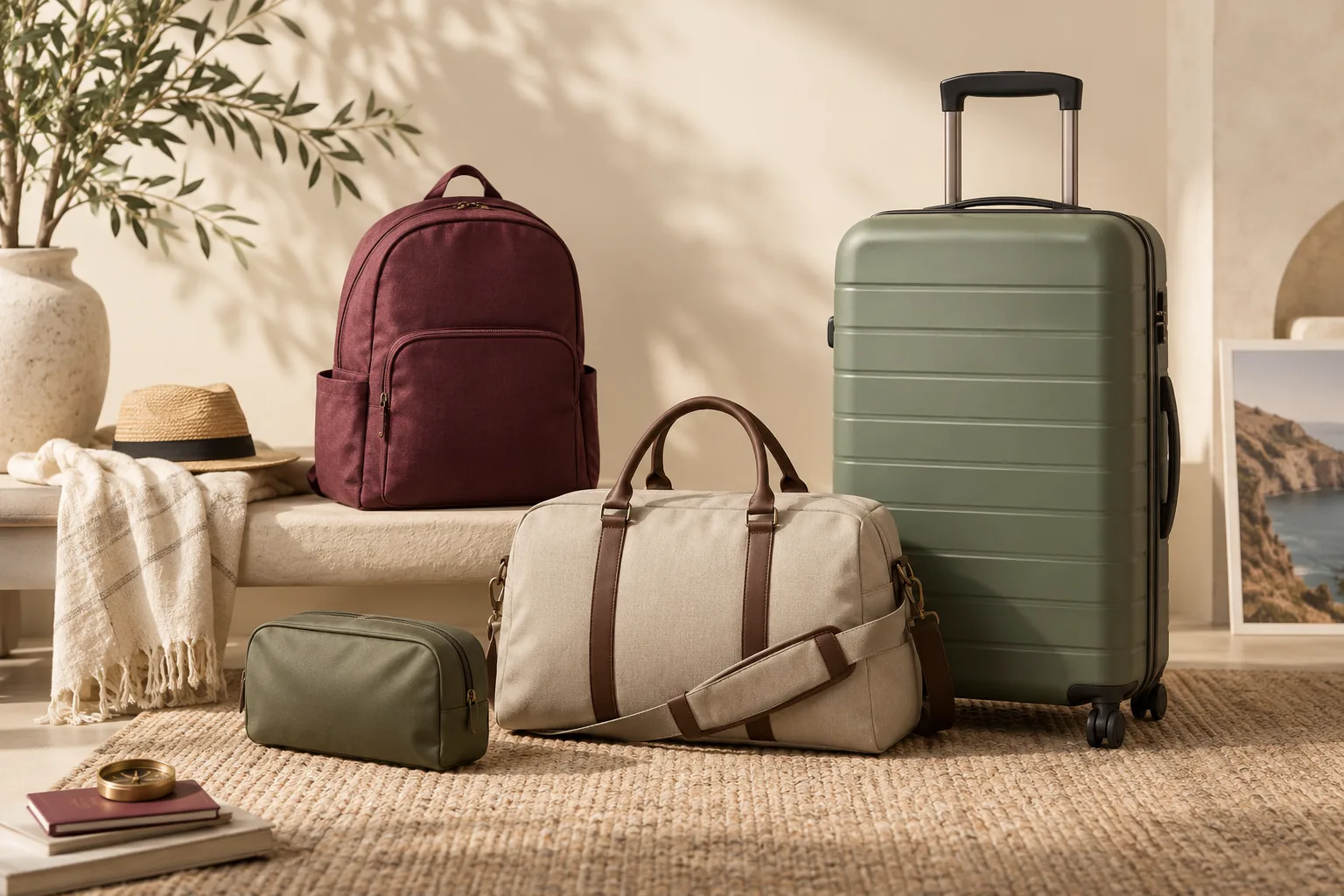 Travel BagsThe traveller wants to know how much fits and whether it survives the flight.
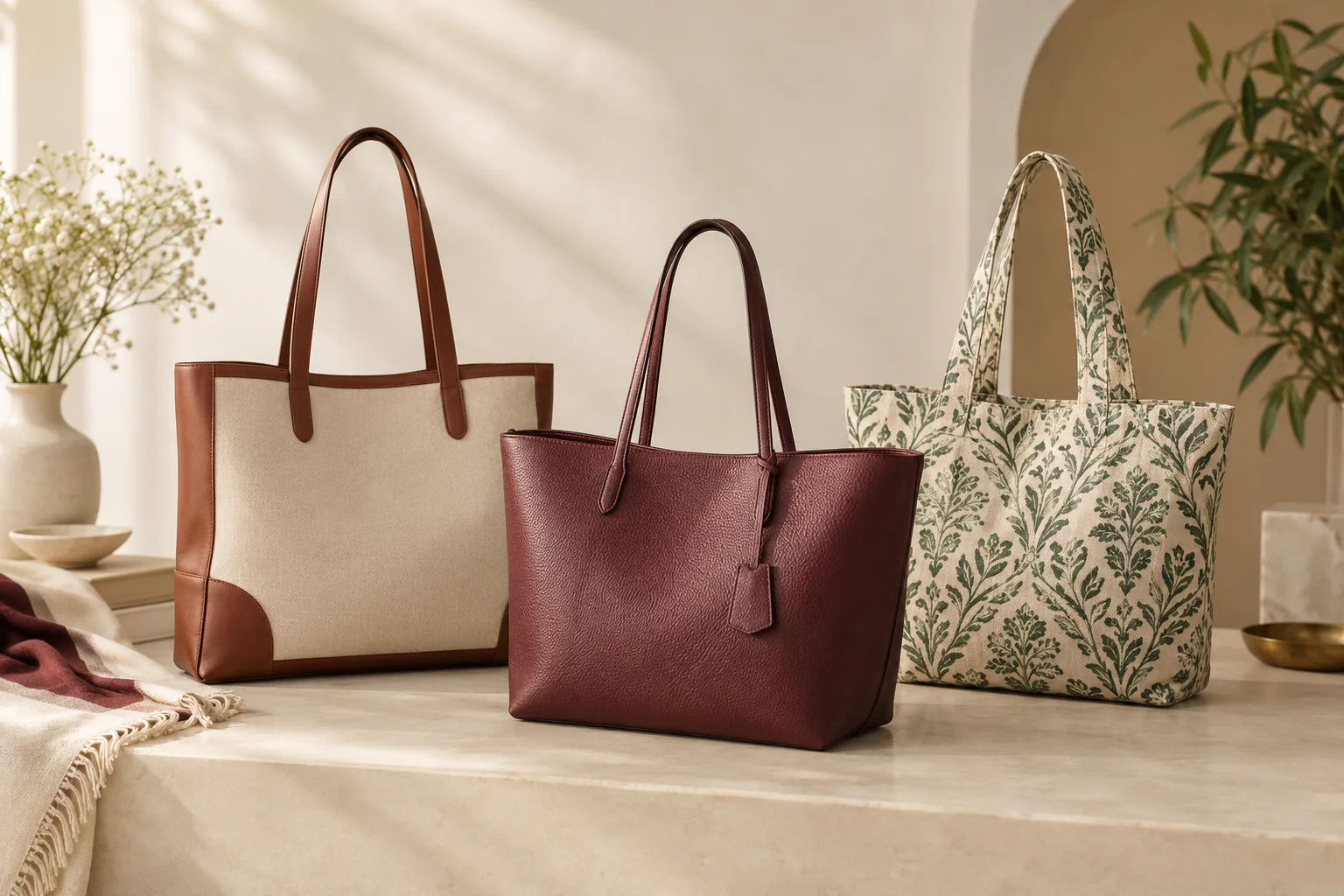 Tote BagsA tote is a cheap bag, so the order is only worth it if the buyer takes ten.
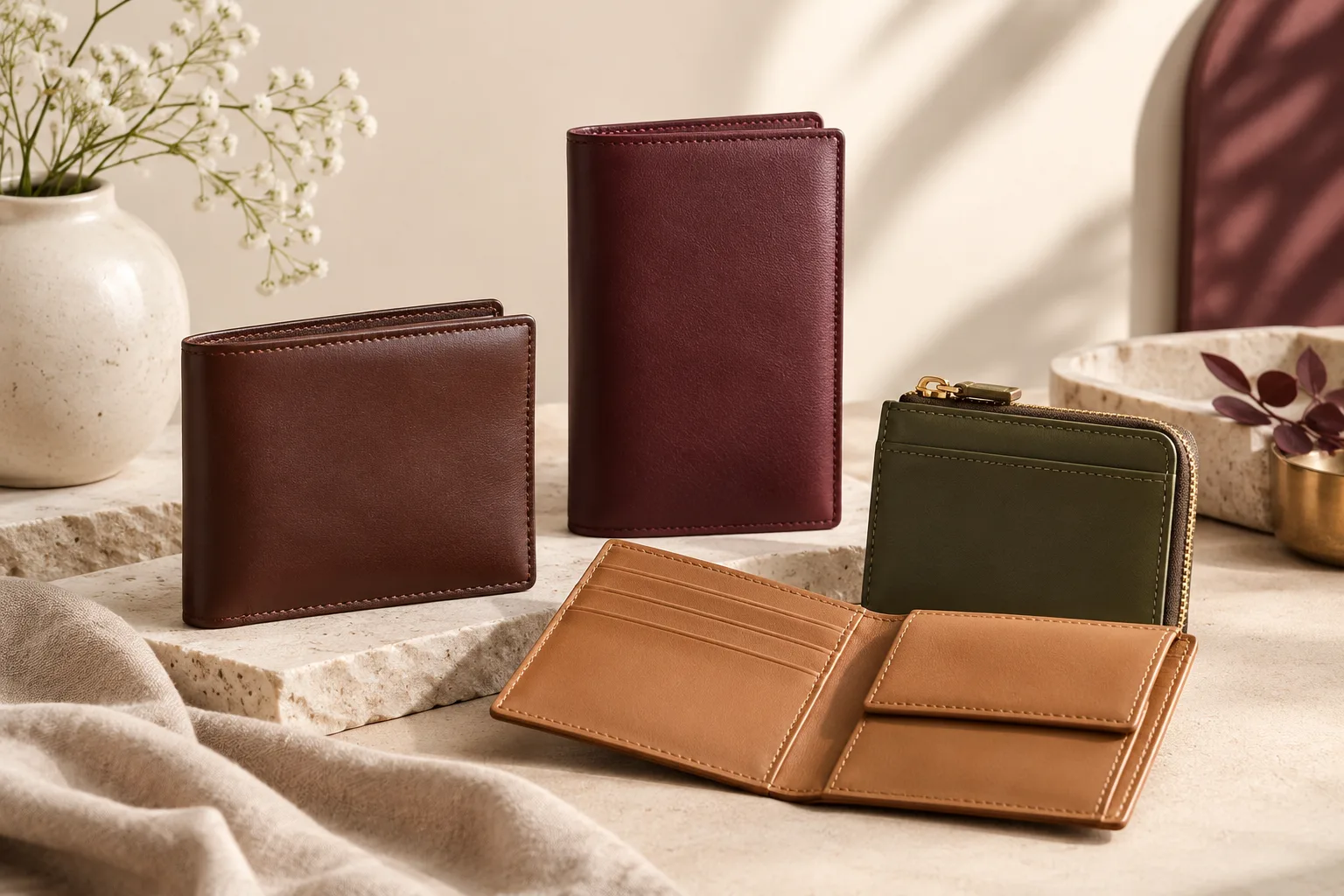 WalletsA wallet is a gift first, so it has to arrive in a box that looks like one.
Who it is for
This is written for you if you sell bags online.
- Bag brands that design their own range and sell through a website and Instagram
- Leather goods makers in Chennai, Kolkata, Kanpur or Dharavi selling under their own name
- Marketplace sellers of backpacks, totes and laptop bags on Amazon, Flipkart and Meesho
- Corporate gifting suppliers of branded bags and wallets
- Retailers adding online orders to an existing bag shop
Not for
It is not the right fit if.
- A seller who labels synthetic material as genuine leather
- Anyone who will not publish dimensions, capacity or what a bag is made of
- A brand that expects advertising to fix a zip or stitching complaint that keeps appearing in reviews
How buyers choose
What decides who wins in bags.
Dimensions, capacity and what fits
Length, width and depth in centimetres, the capacity in litres for a backpack, and a list of what fits: a 15.6 inch laptop, an A4 file, a one-litre bottle. A photograph of the contents beats a number.
Material and stitching
Full-grain or split leather, PU, canvas, polyester, nylon. Buyers look at the lining, the zips and the stitching at the strap joints, and ask whether the bag is water-resistant.
Comfort and carry
Strap width, padding at the back, handle length, the weight of the empty bag. A backpack buyer reads reviews that say it is comfortable for a long commute.
Organisation and security
The number of compartments, a hidden pocket, a lockable zip, a trolley sleeve. A traveller checks for the thing that stops a bag from losing a passport.
Where sales are lost
What usually goes wrong when you sell bags online.
In the words sellers use on the first call.
“Customers say the bag is smaller than they thought”
The photograph was shot close and on a model. A bag that arrives smaller than expected is returned, even when the listing gave the measurements in a table nobody read.
“Our leather is real and nobody believes it”
Marketplaces are full of PU sold as leather, so a genuine seller looks like all the others. Without a close-up and a statement about the hide, the buyer assumes the worst.
“Zips and straps fail and the review sticks”
One batch with a weak stitch costs you a handful of one-star reviews that sit on the listing for years.
“Corporate gifting enquiries get a catalogue and nothing else”
A company asks for two hundred bags with a logo and receives a price list. Nobody asks for the colour, the logo or the date.
The scope
The work we would propose for bags.
Measured on purchases, conversion rate, cost to win a customer, average order value and repeat purchases. Anything here that needs a platform or tool we have not used with you is confirmed with you before it goes in the scope.
- Size and capacity made visibleDimensions, litres and a contents photograph on each listing, with the bag shown against a person of stated height and next to a laptop or a bottle.
- Search by the person who carries itPages for backpacks for college, leather laptop bags for women, office totes with a laptop sleeve, rather than one page called bags.
- Material proofClose-ups of the grain, the lining and the stitching, with a plain statement of what the bag is made of and what it is not.
- Marketplace listingsTitles, bullet points and images on Amazon, Flipkart or Meesho that show the use and the size, and a read of review complaints.
- Ads that match the useCampaigns that show the bag in use, with the college commute, the office and the weekend trip kept apart.
- Corporate and bulk enquiriesA quotation request page for branded and bulk orders, and a follow-up that asks for logo files, colours and the date.
What we do
What you get for bags.
Each deliverable and what it is there to change.
A size and contents guide for each bag
Dimensions, litres and photographs of what fits, so fewer buyers return it for being smaller than expected.
A material and build panel
The leather or fabric, lining, zip make and stitching described the same way on every listing, so a buyer can compare.
A review-complaint summary
What buyers say went wrong, grouped by zip, strap, size and material, with the changes to pages and to the product that follow.
A corporate gifting page
A page for bulk and branded orders that asks for quantity, logo and date, with a sample route.
How the result is measured
- Purchases
- Conversion rate
- Customer acquisition cost
- Repeat purchase rate
- Return rate
- Size and material complaints
Recorded as a baseline before work starts, so every later report has an honest comparison.
How it works
What the work involves for bags
The work itself, in order. How an engagement starts, from your brief to a written scope, is set out on our method page.
- 1
Follow a bag from search to payment
At the start we trace a selling bag from the ad or search to checkout, and read the reviews and returns on the same bag.
- 2
Show size, contents and material
Dimensions, contents photographs and a material panel go onto pages that already have visitors, before more is spent on traffic.
- 3
Match each bag to its buyer
Collection pages, marketplace listings and ads are set up around the person who carries the bag: student, commuter, traveller or gift buyer.
- 4
Set up replies and bulk enquiries
WhatsApp answers for size and material questions, a bulk-order route, and a baseline of purchases and returns recorded first.
- 5
Measure against the baseline
We report purchases, returns and size complaints against that baseline, on a schedule written down after we have read your brief and spoken to you.
What we need from you
What to have ready before we talk.
None of it has to be tidy. We read what you have.
- Your store, marketplace and Instagram links
- Your best-selling bags and the ones most returned
- Reviews and returns that mention size, zips or material
- Corporate or bulk enquiries you have received
- Last quarter’s ad spend and the orders it produced
Selling in India and abroad
Selling bags beyond your own market.
Where you sell decides sizes, units, seasons and returns. We work from Bengaluru and have no overseas office, so for a new country we start from your own sales and the platforms you already use.
Size standards for laptops and cabins
Buyers abroad check laptop sizes in inches and carry-on sizes against their airline. Both sets of numbers should be on the page.
Leather rules and labelling
Some countries have their own rules on describing and labelling leather and on materials in bags. Those are checked with your adviser before you list there.
Shipping and gifting seasons
Bags are light enough to ship, and gifting seasons abroad differ from India’s. The overseas orders you already receive show where to start.
FAQ
Questions about selling bags online.
Not here? More answers, or ask on WhatsApp.
How do I show a bag’s size properly online?
Can I call my bag leather if it is partly PU?
Should I sell bags on Amazon or my own site?
Do bags sell well for gifting?
How much does it cost?
How long is the contract?
How soon will we see results?
Who will actually do the work?
What do you need from us?
What if we are not happy with the work?
Sellers of bags also need
Also selling from a shop, a workshop or a warehouse? See the page for retailers.
This page is part of the e-commerce section. The D2C brands page covers the arithmetic of acquisition cost and the second order for any brand.
Why us
Why owners pick GullySales over an agency.
Marketing and sales, as one job
Most agencies stop at the enquiry. We also fix what happens after it: the reply, the follow-up, the quote and the CRM.
The person on the first call does the work
No account managers in between. You are never handed to someone you have not met.
A baseline before anything starts
Your numbers are written down on day one, so every later report compares against something honest.
The fee in writing, split three ways
Our time, your media spend and production on separate lines. You always see what goes to us.
No guarantees we cannot keep
The term is agreed in writing and never a default twelve months. We never promise a ranking or a lead count, because nobody controls those.
One office, and we say so
Nagarbhavi, Bengaluru. We work across India by call and WhatsApp and travel when a session needs to be in person.
#257, 3rd floor, Sri Nanjundeshwara Complex, Nagarbhavi 8th Block, Outer Ring Road. How we work.
Engagement options
Ways to work with us.
Pick the size of commitment that fits. Every option starts with your brief and a conversation.
Option 1
The conversation on its own
A call after you send your brief. It says honestly whether you need outside help, and many fixes are ones your own team can make.
Option 2
One fix, scoped
Start with the fix that matters most, such as reply time or follow-up. The fee is in writing before anything starts.
Option 3
An ongoing programme
We run the work, report against the baseline, and you renew on the numbers. The term and the reporting are agreed in writing first.
Option 4
Guidance for your own team or agency
We plan, brief and check the work of your in-house team or current agency, instead of replacing them.
Your brief
Tell us what you need, and we will read it before we call.
Eight short steps about your business, what you want and who decides. Most questions are a tap, and you can skip any you would rather answer on the call.
Your next practical step
Tell us what you are trying to grow, and we will read it before we call.
Eight short steps, mostly taps. Skip anything you would rather answer on the call.