E-commerce · Sports, fitness and outdoors
Nobody plans a purchase around a neck pillow until the flight is two days away.
Travel accessories are bought late and in a hurry. The buyer has a flight, a visa and a hotel booked, and remembers the adapter or the lock the week before. They search for exactly what they need, compare two or three listings and pick the one that arrives in time.
Scope, fee, reporting and term are agreed in writing after we have read your brief and spoken to you.

In one paragraph
Travel accessories e-commerce is the online sale of packing organisers, neck pillows, plug adapters, passport holders, luggage locks and other small items bought for a particular trip. GullySales works on how those buyers find you in the days before they fly, what your pages say about fit and compatibility, and how to bring a one-trip buyer back for the next trip.
Most of the range is cheap and similar, so the sale is won on small proofs: whether the adapter covers the country they are visiting, whether the lock fits their suitcase zip, whether the pillow packs small. The sellers who do well answer those questions on the page.
Last updated 7 Oct 2026.
5 types of product
Each kind of travel accessories sells differently, so each has its own page.
Open the one that matches what you sell. It covers who buys it, where the sale is lost and what we would do.
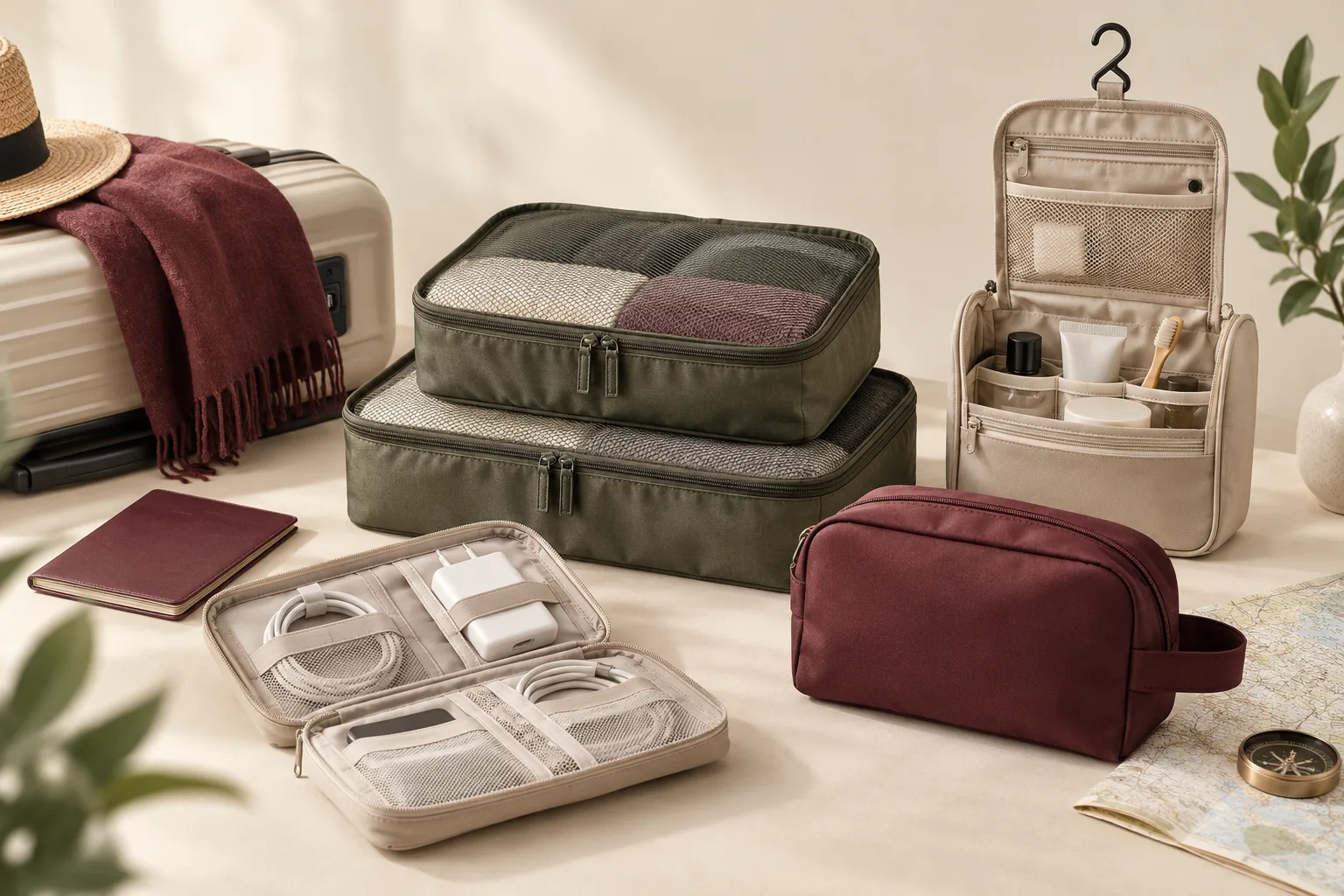 Travel OrganisersPacking cubes only sell once the buyer can picture their own suitcase.
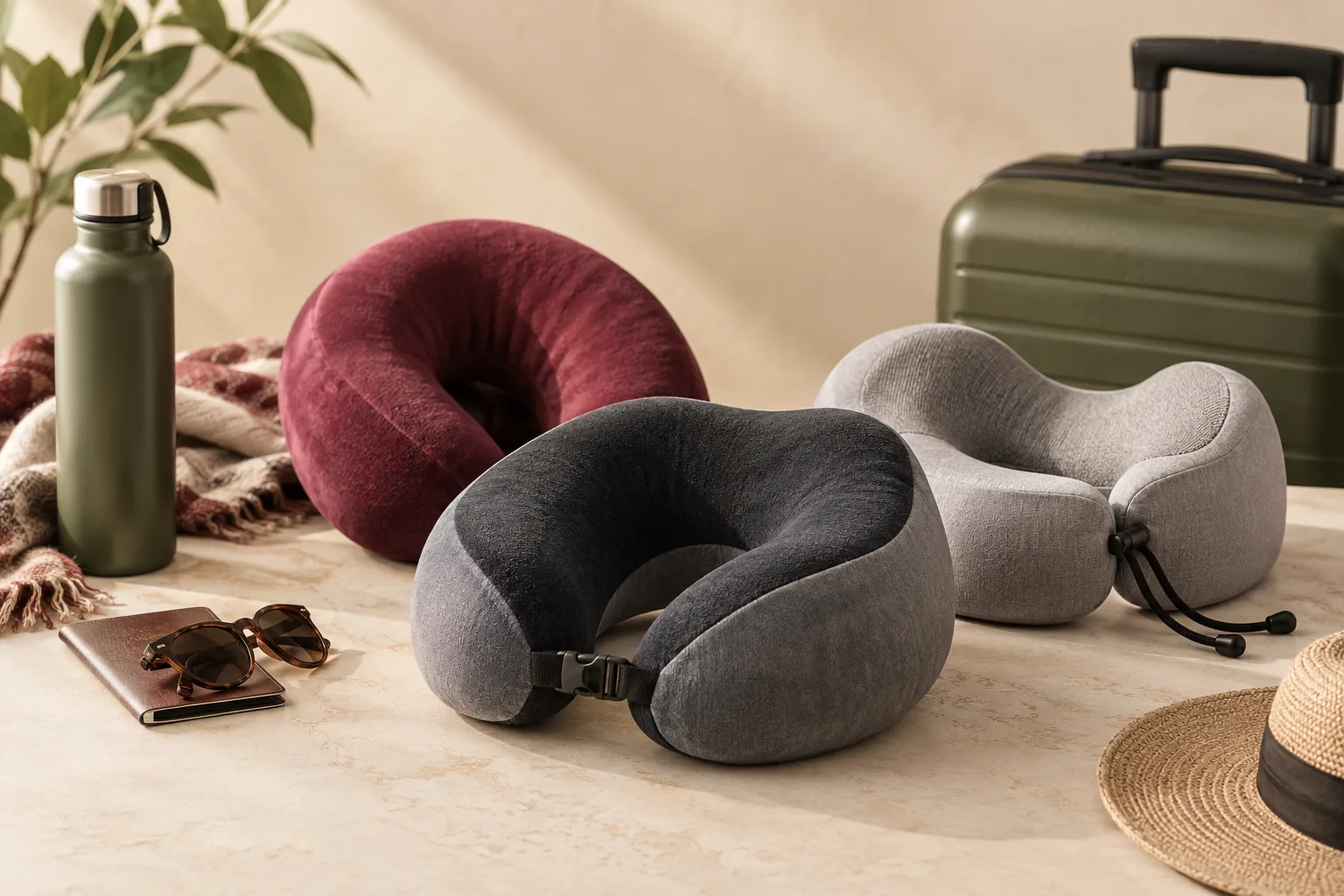 Travel PillowsBuyers want to know if it will hold their head upright through a night flight or a train berth.
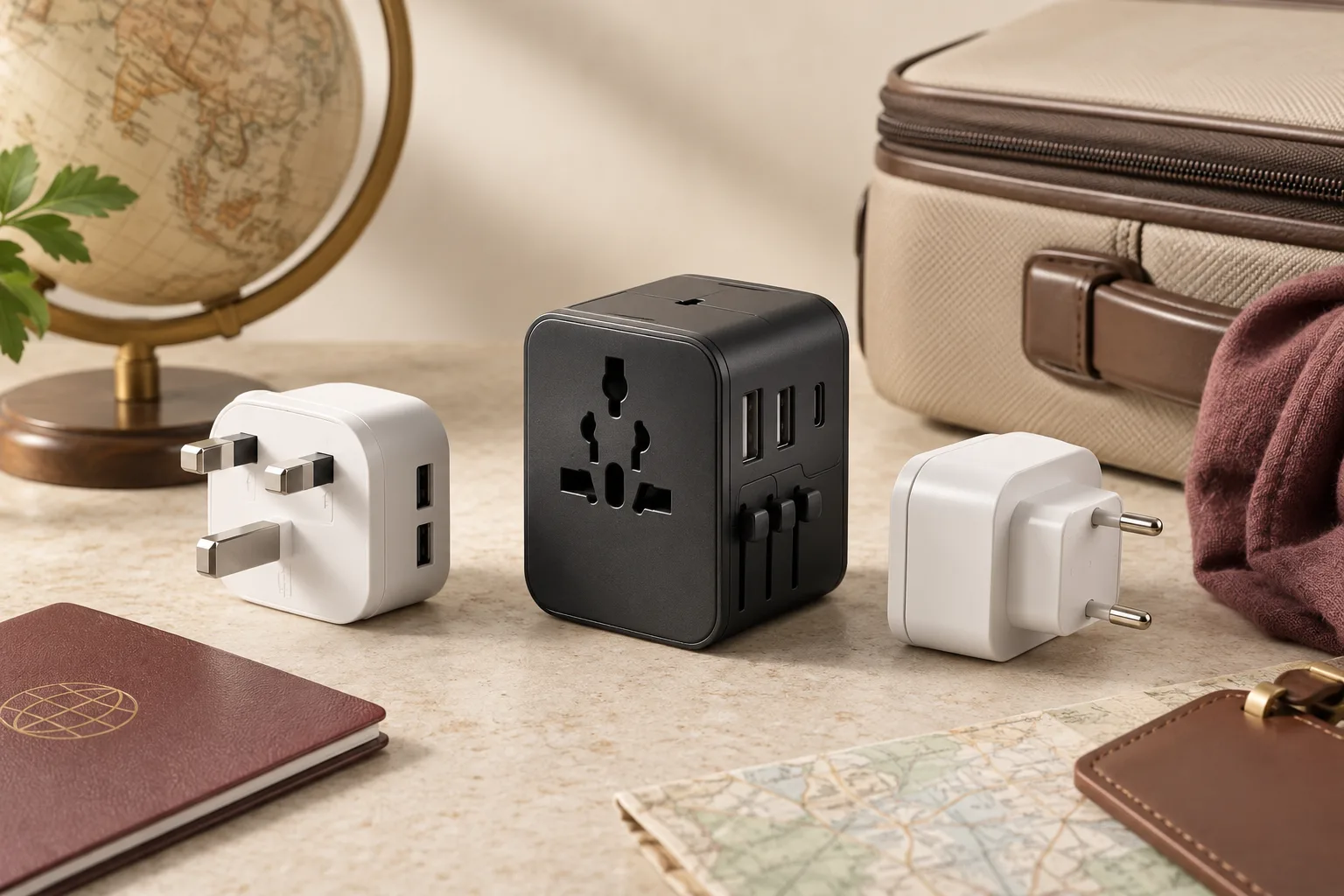 Travel AdaptersA traveller who buys the wrong adapter finds out in a hotel room with a dead phone.
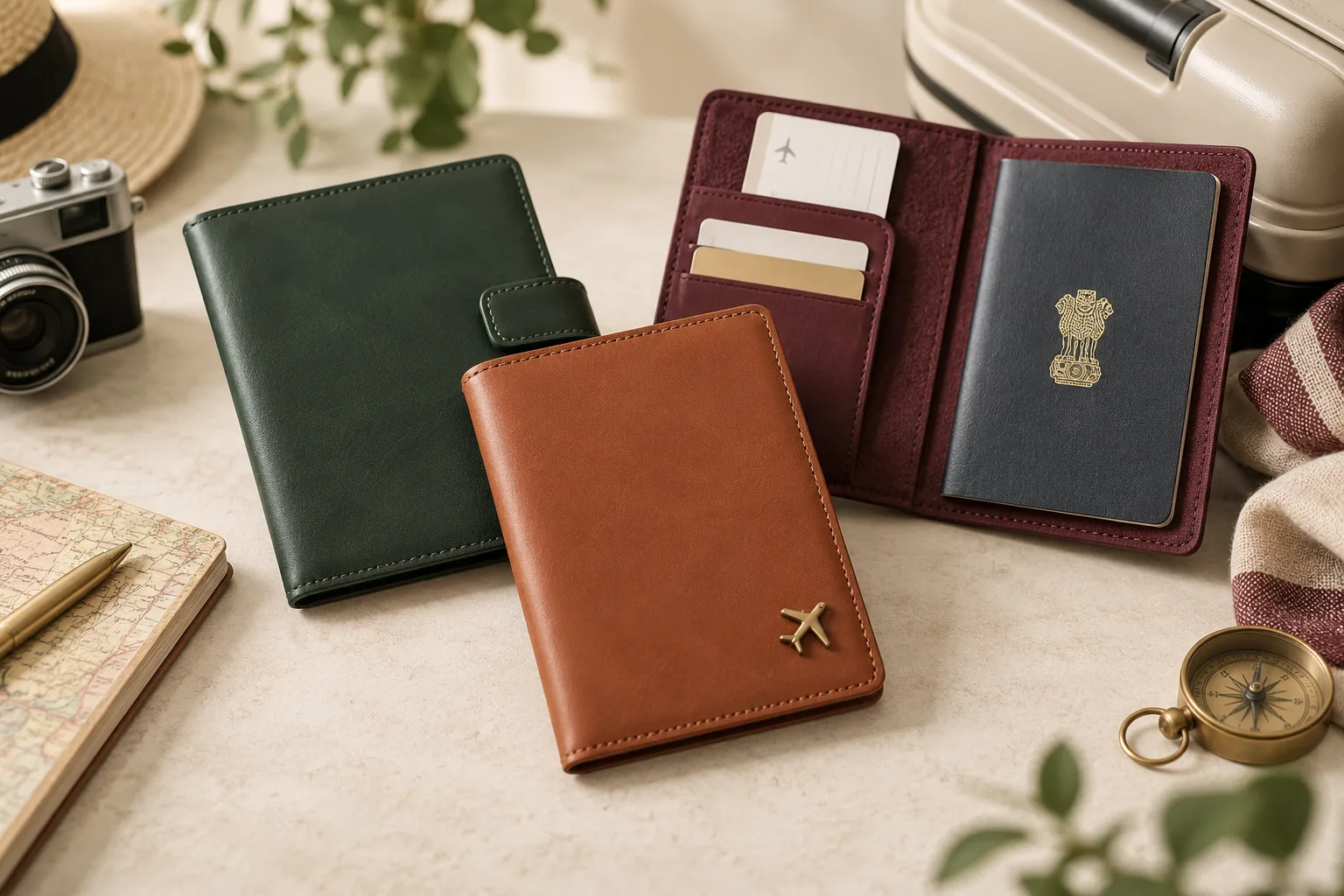 Passport HoldersThe buyer wants one pouch for the passport, the boarding pass and the forex card, and wants to know it will fit.
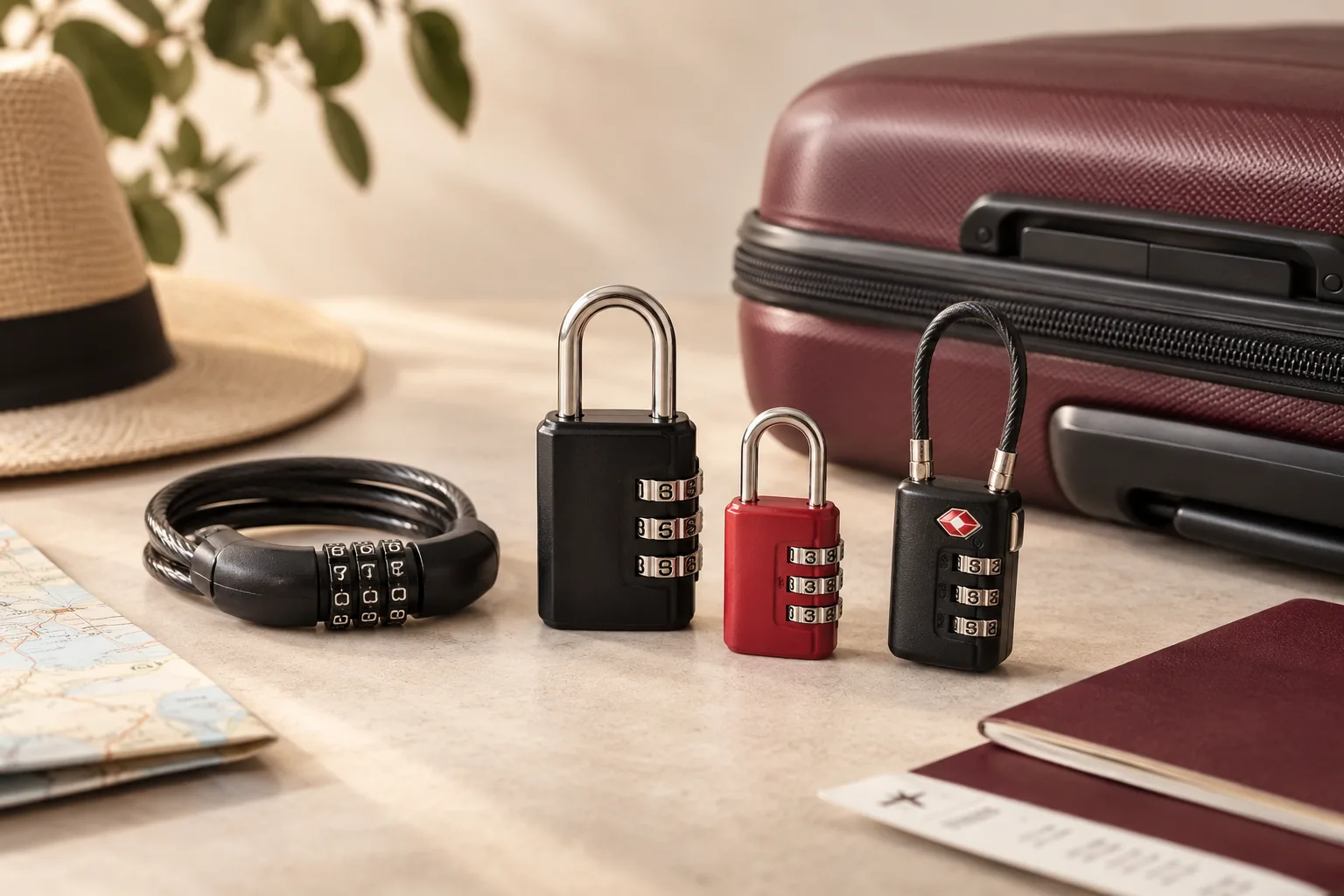 Travel LocksA lock that airport staff cut off, or that does not fit the zip, gets a one-star review.
Who it is for
This is written for you if you sell travel accessories online.
- Brands of packing cubes, organisers and pouches selling on marketplaces and their own store
- Sellers of plug adapters and travel chargers
- Makers of neck pillows, eye masks and sleep kits for flights
- Sellers of passport holders, wallets and document organisers
- Luggage shops that sell accessories beside bags
Not for
It is not the right fit if.
- A seller of adapters who will not say which countries and plug types the product covers
- A brand that depends on one-off purchases and will not follow up with past buyers
How buyers choose
What decides who wins in travel accessories.
The destination decides the product
A buyer going to the UK, the US or Dubai needs a different adapter. They search by country, and a listing that names no country is passed over.
Size and packed volume
Travellers compare how small it folds and how it sits in a cabin bag. A photograph of the item next to a bag helps more than a measurement.
Does it fit my luggage
Locks, tags and organisers are checked against the suitcase, the zip and the passport size. The buyer looks for the fit in reviews.
Delivery date against the travel date
The buyer is counting days to departure, and a listing that cannot promise delivery before the trip loses the order.
Where sales are lost
What usually goes wrong when you sell travel accessories online.
In the words sellers use on the first call.
“People buy once for a trip and forget us”
A passport holder is bought once, and the buyer who liked it has no reason to return until you contact them.
“Our adapter comes back for not working abroad”
The buyer chose by looks and not by the country's socket, and the listing never asked where they were going.
“Every neck pillow looks the same on the screen”
The photograph is a grey crescent. Nothing shows whether it supports the head or collapses in a window seat.
The scope
The work we would propose for travel accessories.
Measured on purchases, conversion rate, cost to win a customer, average order value and repeat purchases. Anything here that needs a platform or tool we have not used with you is confirmed with you before it goes in the scope.
- Country-by-country adapter pagesPages for adapters by destination, naming the plug type and the voltage, linking to the right product.
- Product pages with the proofFolded size beside a cabin bag, the zip type a lock fits and the passport size a holder takes, shown above the button.
- Marketplace listings for trip searchesTitles and images aimed at what travellers type, such as packing cubes for a cabin bag, with delivery dates visible.
- Travel-season campaignsAds timed to the weeks before school holidays, wedding trips and festival travel visible in your sales, run on search and Meta.
- Past-trip follow-upA message to earlier buyers ahead of the next holiday period, with a pairing of items for the trip they are likely to take.
What we do
What you get for travel accessories.
Each deliverable and what it is there to change.
A destination and plug table
Each country you cover with its plug type and voltage, the adapter that fits and any limits.
A packing checklist for each type of trip
A cabin-bag trip, a long-haul flight and a family holiday, each linked to your items.
Fit photographs for each product
The item beside a cabin bag, a passport and a suitcase zip, so size questions stop arriving.
A trip kit bundle page
A set of items for a common trip, one price and a delivery date marked before departure.
How the result is measured
- Purchases
- Conversion rate
- Average order value
- Repeat purchase rate
- Return rate
- Returns citing compatibility or fit
Recorded as a baseline before work starts, so every later report has an honest comparison.
How it works
What the work involves for travel accessories
The work itself, in order. How an engagement starts, from your brief to a written scope, is set out on our method page.
- 1
Follow one trip to the order
In the first conversation we trace a buyer searching for an adapter or a lock the week before a flight, and note where the order is lost.
- 2
Put the fit proof on the page
Plug tables, folded sizes and compatibility notes go onto the pages that already get visitors.
- 3
Fix the marketplace titles
Titles and images rebuilt for trip searches, with a baseline of purchases and returns recorded first.
- 4
Plan the travel seasons
Campaigns and stock timed to the holiday periods in your own sales.
- 5
Measure against the baseline
Orders and returns are compared with the baseline, and the reporting dates are agreed in writing after we have read your brief and spoken to you.
What we need from you
What to have ready before we talk.
None of it has to be tidy. We read what you have.
- Your catalogue with sizes, materials and compatibility notes
- Return reasons, especially adapters and locks
- Your marketplace and own-store links
- Which items are bought together
- Ad spend from the last holiday season and the items it sold
Selling in India and abroad
Selling travel accessories beyond your own market.
Where you sell decides sizes, units, seasons and returns. We work from Bengaluru and have no overseas office, so for a new country we start from your own sales and the platforms you already use.
Buyers in other countries
A traveller in the UK buying a plug adapter for India has the same question reversed. List the plug types you cover in both directions, and check shipping rules for batteries in chargers.
Local or cross-border selling
Small light parcels suit Amazon and Etsy abroad, but returns can cost more than the item. Your own order data shows where to look first.
FAQ
Questions about selling travel accessories online.
Not here? More answers, or ask on WhatsApp.
How do I sell more travel accessories in the weeks before holidays?
Should I sell travel accessories as bundles?
Do travel accessories need their own website?
How much does it cost?
How long is the contract?
How soon will we see results?
Who will actually do the work?
What if we are not happy with the work?
Sellers of travel accessories also need
Also selling from a shop, a workshop or a warehouse? See the page for retailers.
This page is part of the e-commerce section. The D2C brands page covers the arithmetic of acquisition cost and the second order for any brand.
Why us
Why owners pick GullySales over an agency.
Marketing and sales, as one job
Most agencies stop at the enquiry. We also fix what happens after it: the reply, the follow-up, the quote and the CRM.
The person on the first call does the work
No account managers in between. You are never handed to someone you have not met.
A baseline before anything starts
Your numbers are written down on day one, so every later report compares against something honest.
The fee in writing, split three ways
Our time, your media spend and production on separate lines. You always see what goes to us.
No guarantees we cannot keep
The term is agreed in writing and never a default twelve months. We never promise a ranking or a lead count, because nobody controls those.
One office, and we say so
Nagarbhavi, Bengaluru. We work across India by call and WhatsApp and travel when a session needs to be in person.
#257, 3rd floor, Sri Nanjundeshwara Complex, Nagarbhavi 8th Block, Outer Ring Road. How we work.
Engagement options
Ways to work with us.
Pick the size of commitment that fits. Every option starts with your brief and a conversation.
Option 1
The conversation on its own
A call after you send your brief. It says honestly whether you need outside help, and many fixes are ones your own team can make.
Option 2
One fix, scoped
Start with the fix that matters most, such as reply time or follow-up. The fee is in writing before anything starts.
Option 3
An ongoing programme
We run the work, report against the baseline, and you renew on the numbers. The term and the reporting are agreed in writing first.
Option 4
Guidance for your own team or agency
We plan, brief and check the work of your in-house team or current agency, instead of replacing them.
Your brief
Tell us what you need, and we will read it before we call.
Eight short steps about your business, what you want and who decides. Most questions are a tap, and you can skip any you would rather answer on the call.
Your next practical step
Tell us what you are trying to grow, and we will read it before we call.
Eight short steps, mostly taps. Skip anything you would rather answer on the call.