E-commerce · Appliances and home comfort
Buyers compare your mixer on a price tab and then ask who will repair it.
A kitchen appliance is bought twice. First on the screen, against four other brands at similar prices. Then again in the buyer's head, when they wonder if the jar will leak, if the motor will smell hot, and who comes home if it stops working in month fourteen.
Scope, fee, reporting and term are agreed in writing after we have read your brief and spoken to you.
In one paragraph
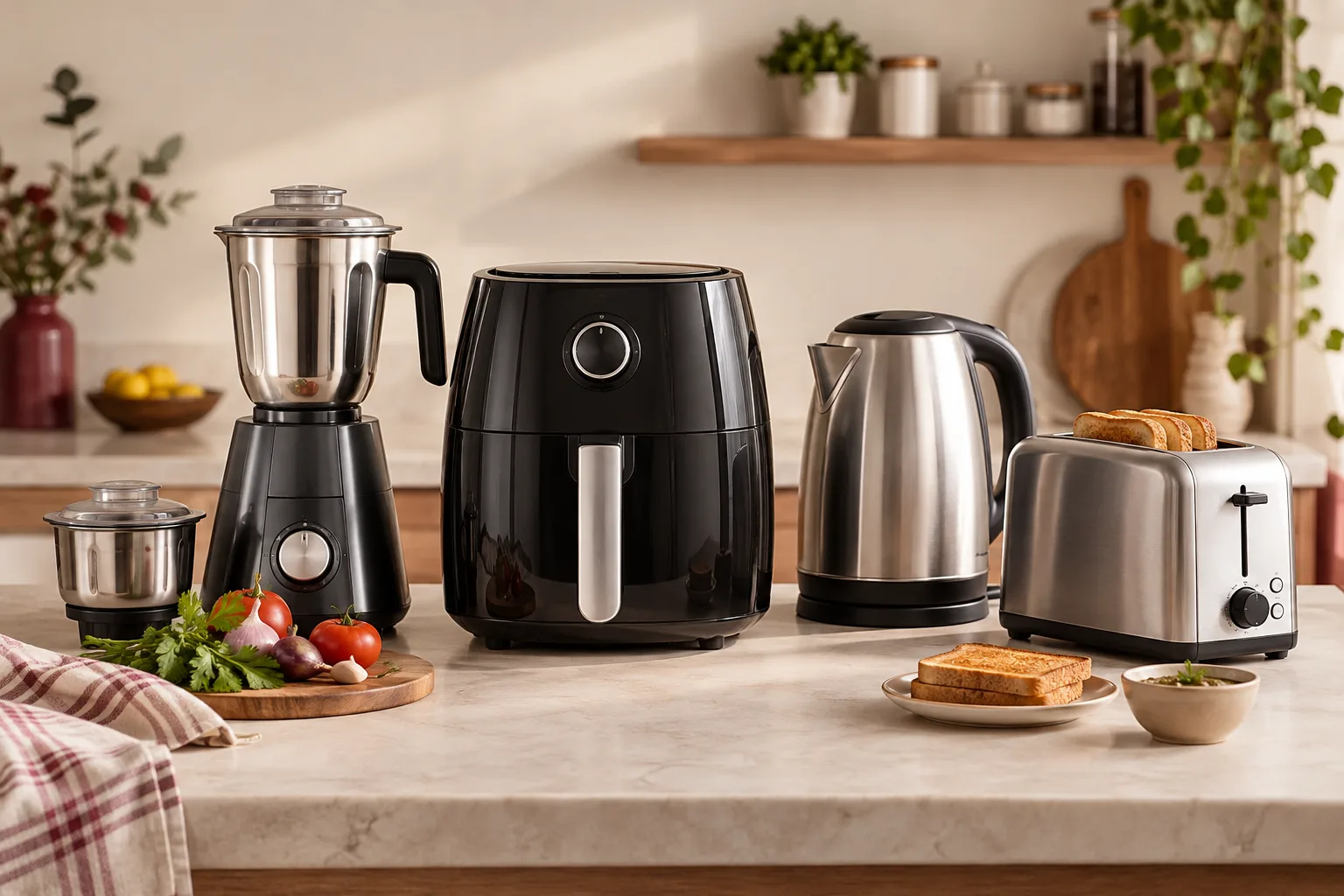
Kitchen appliance e-commerce is the online sale of mixer grinders, blenders, coffee machines, kettles, ovens, microwaves, air fryers and toasters, bought for a specific kitchen and a specific family, usually after comparing several brands. GullySales works on how your listings answer the questions buyers ask about power, capacity, warranty and service, and on how those buyers reach you instead of the brand next to you.
Many of these products are sold by sellers who stock several makes. Your listing looks a lot like the listing next to it. The sale goes to whoever answers the doubts first, with a photograph, a short video or a plain line about service.
The eight products on these pages are not one market. A buyer of a toaster decides in an evening. A buyer of a built-in oven measures a cabinet, asks the builder and waits for a fitting date.
Last updated 7 Oct 2026. Product, labelling and advertising rules for kitchen appliances differ by product and change. We describe them in general terms, so check the current position with your own adviser or the regulator before you publish a claim.
8 types of product
Each kind of kitchen appliances sells differently, so each has its own page.
Open the one that matches what you sell. It covers who buys it, where the sale is lost and what we would do.
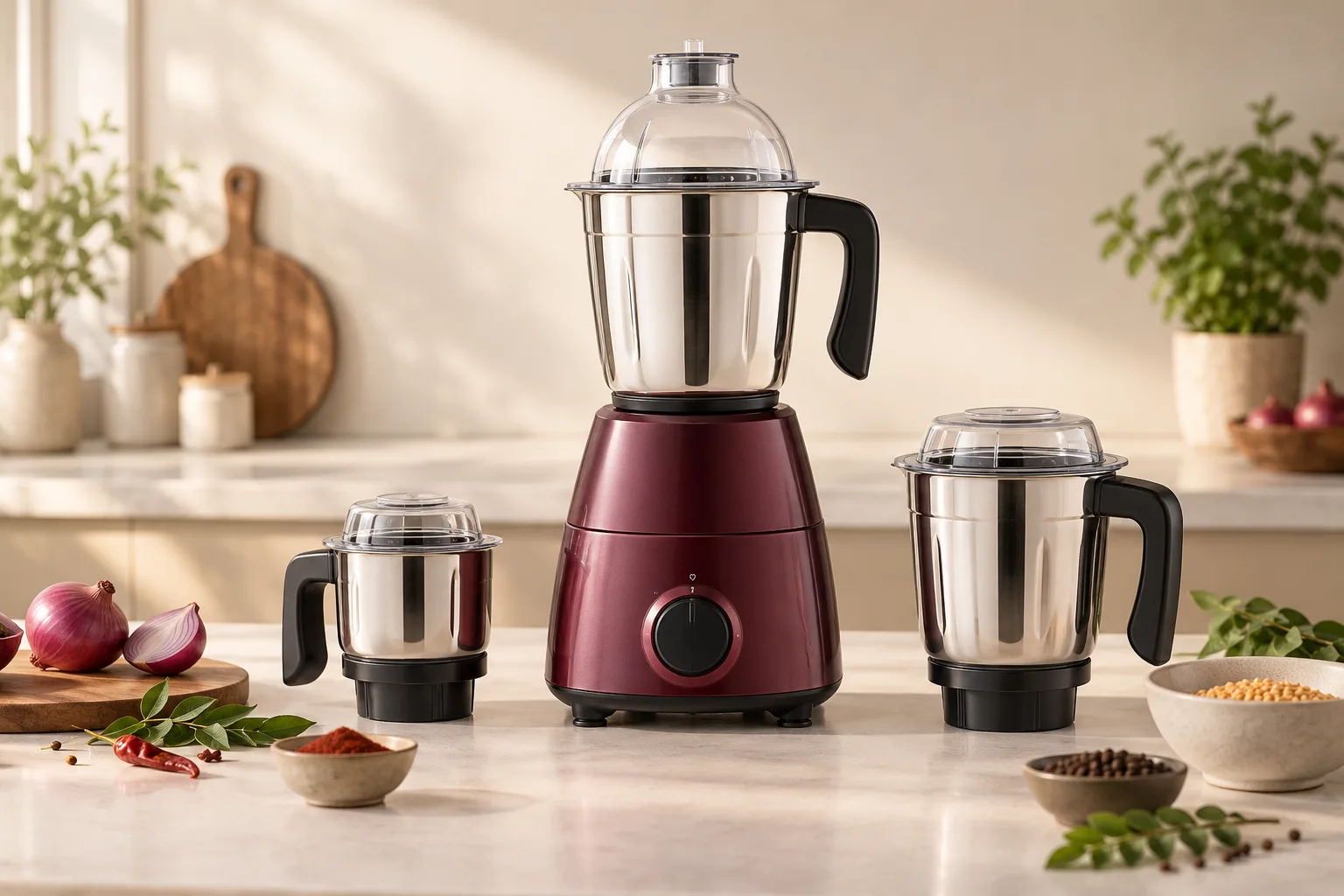 Mixer GrindersOur mixer is as good as theirs, but the buyer cannot hear the motor.
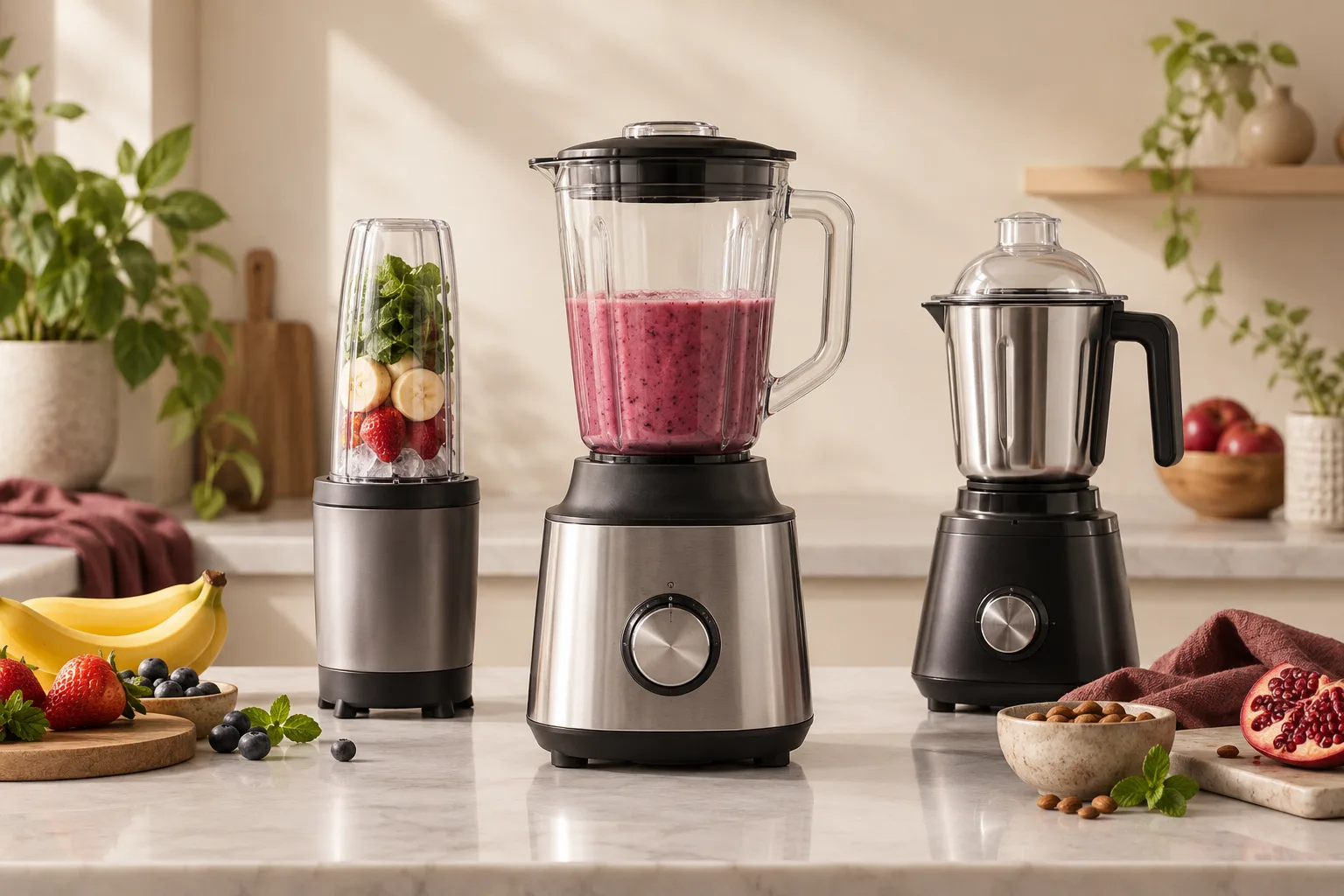 BlendersPeople buy a blender to start a smoothie habit and stop using it in a fortnight.
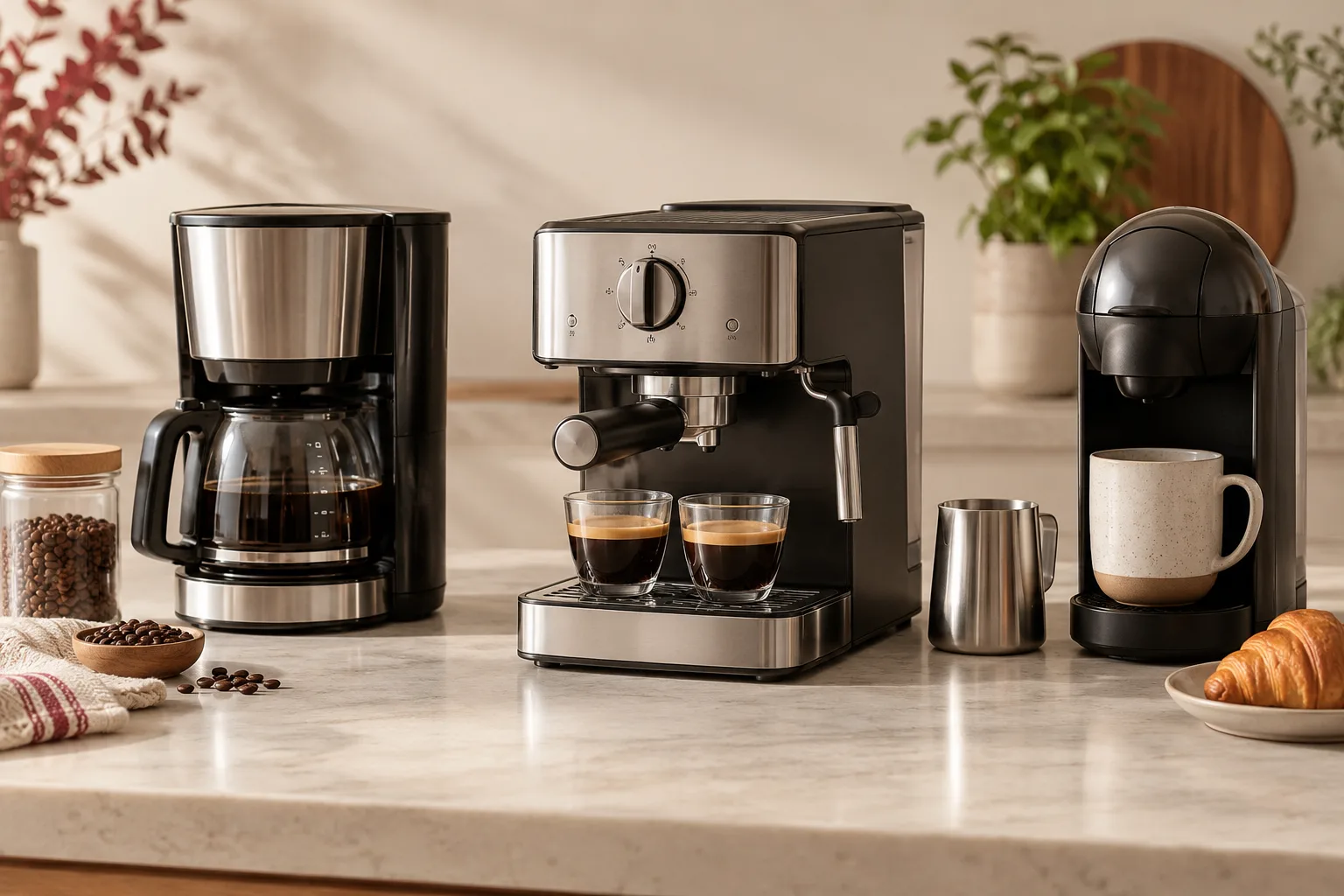 Coffee MachinesThe machine is the first sale. The beans, capsules and descaler are the business.
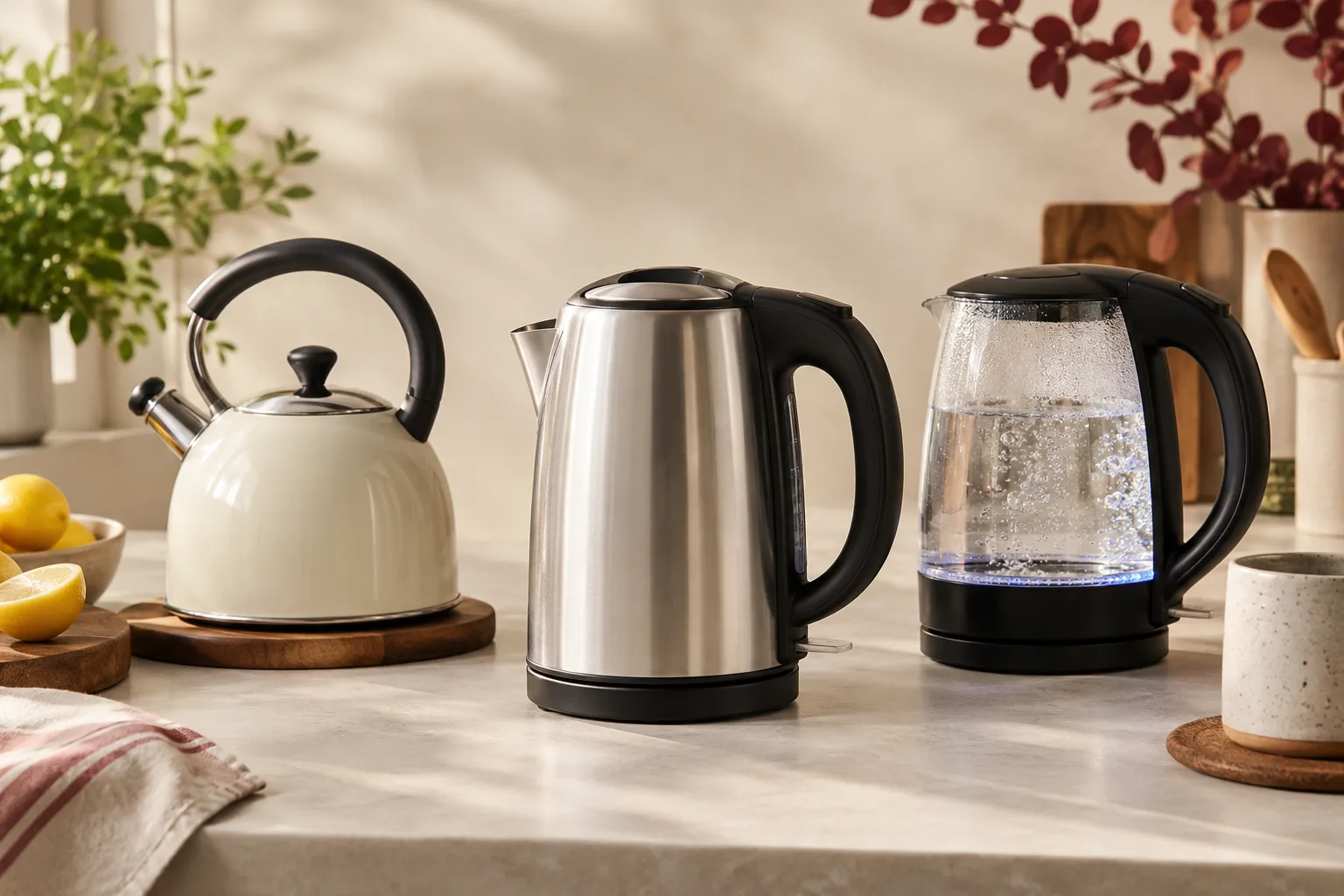 KettlesA kettle is a cheap, quick buy, so one bad review about plastic taste is enough to lose it.
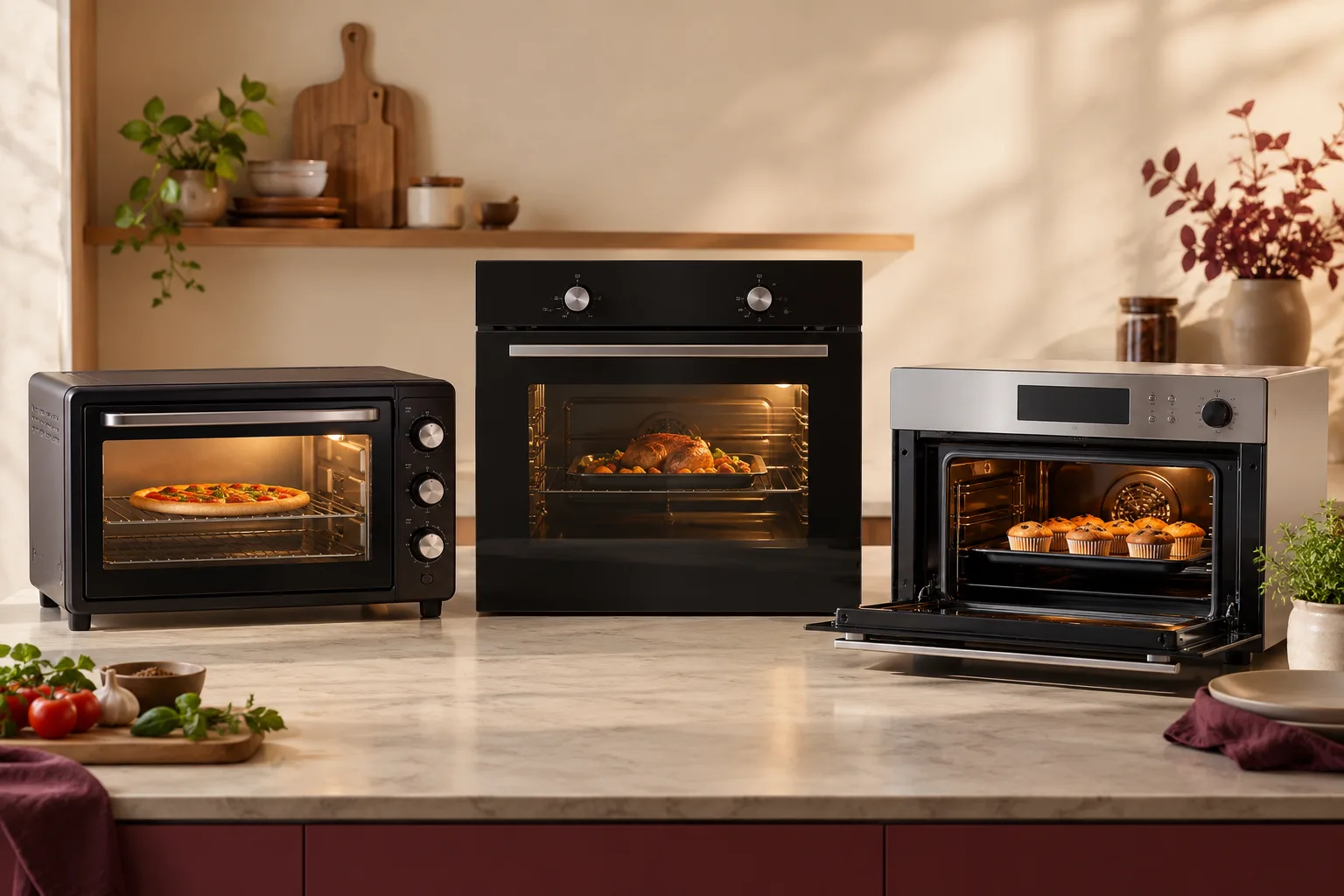 OvensOur oven bakes well, but the buyer who wants to bake cakes cannot tell which type to pick.
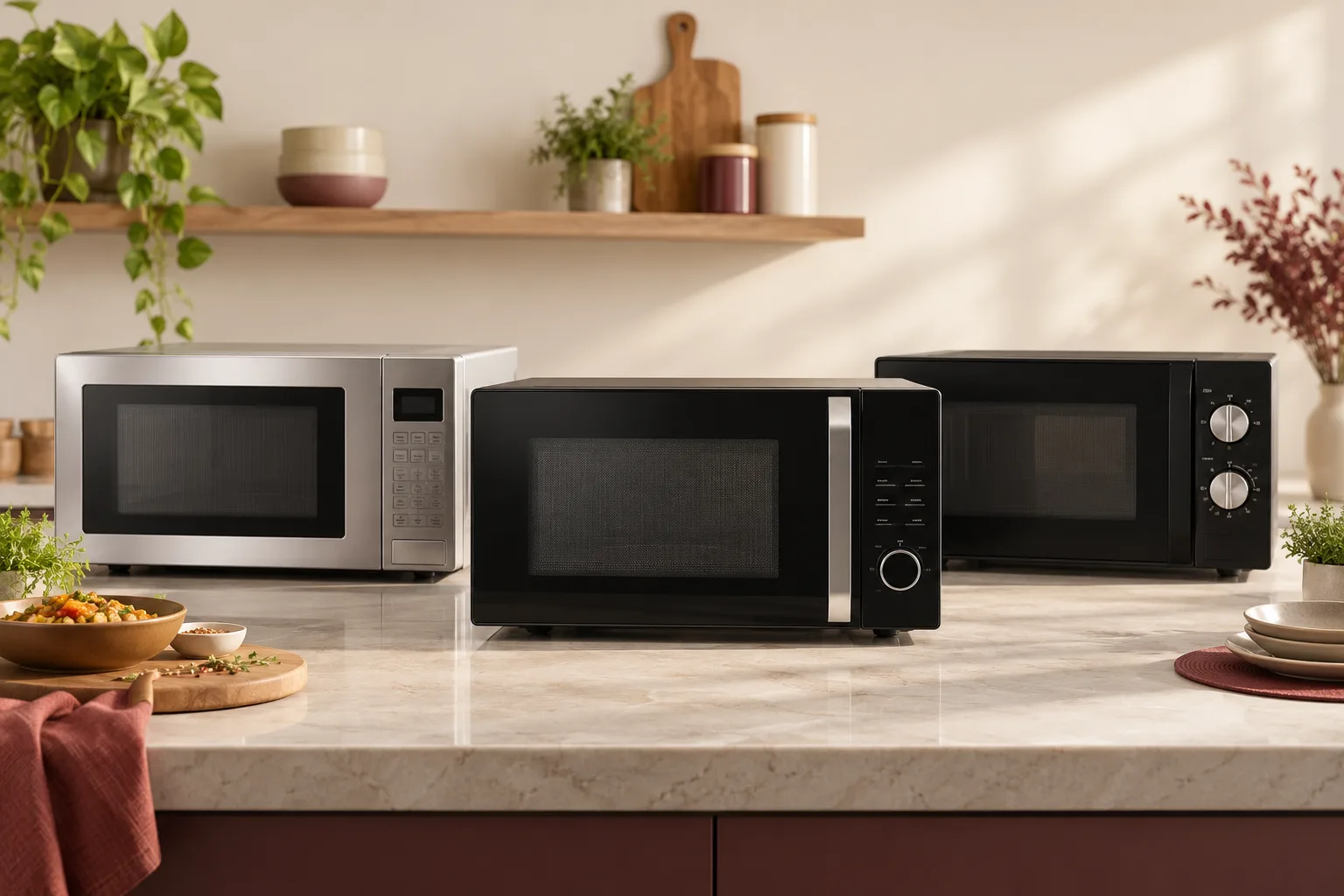 MicrowavesPeople buy a microwave to reheat food and only later find out they needed a convection one.
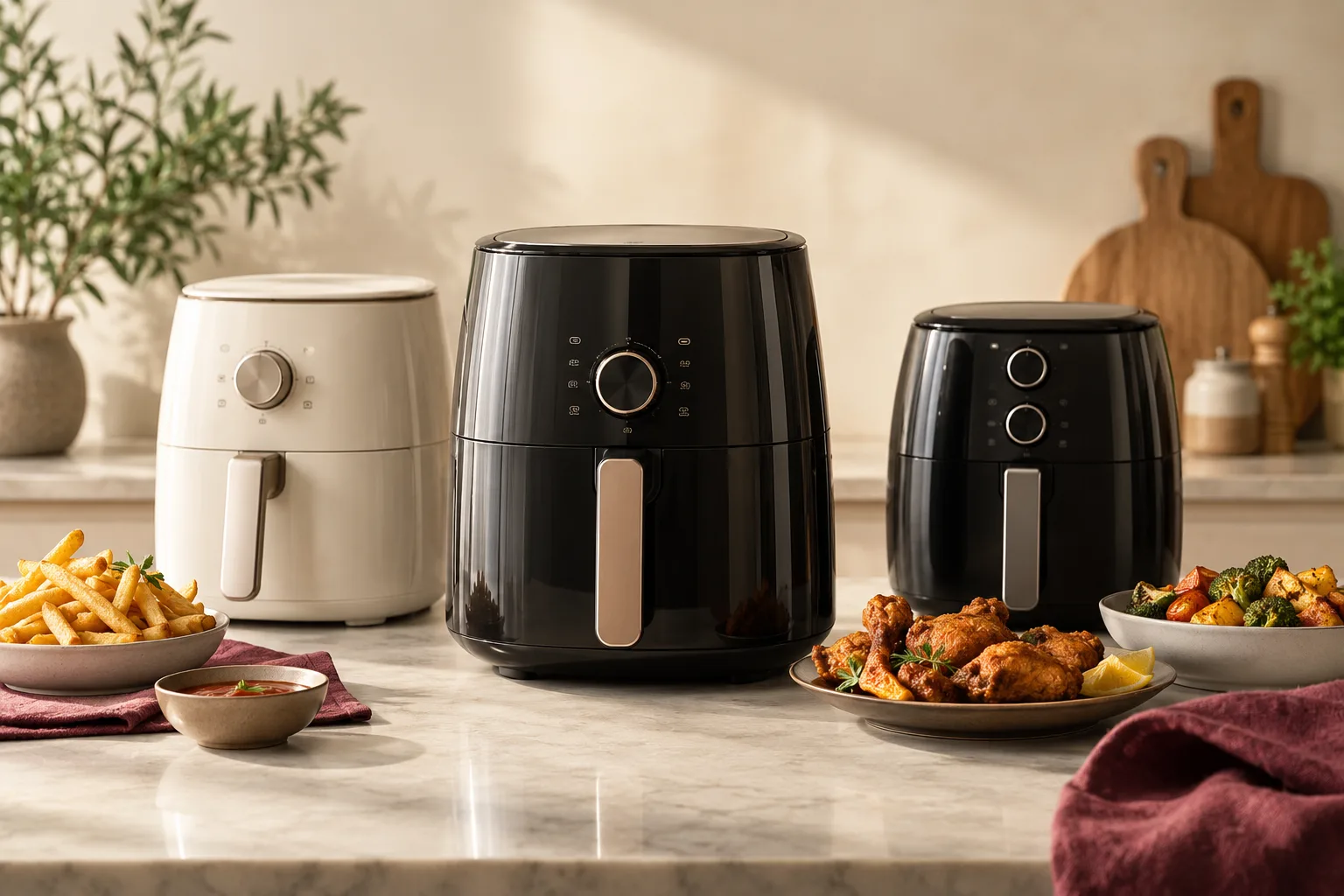 Air FryersEveryone wants crisp samosas without the oil, and half of them return it when they see the basket.
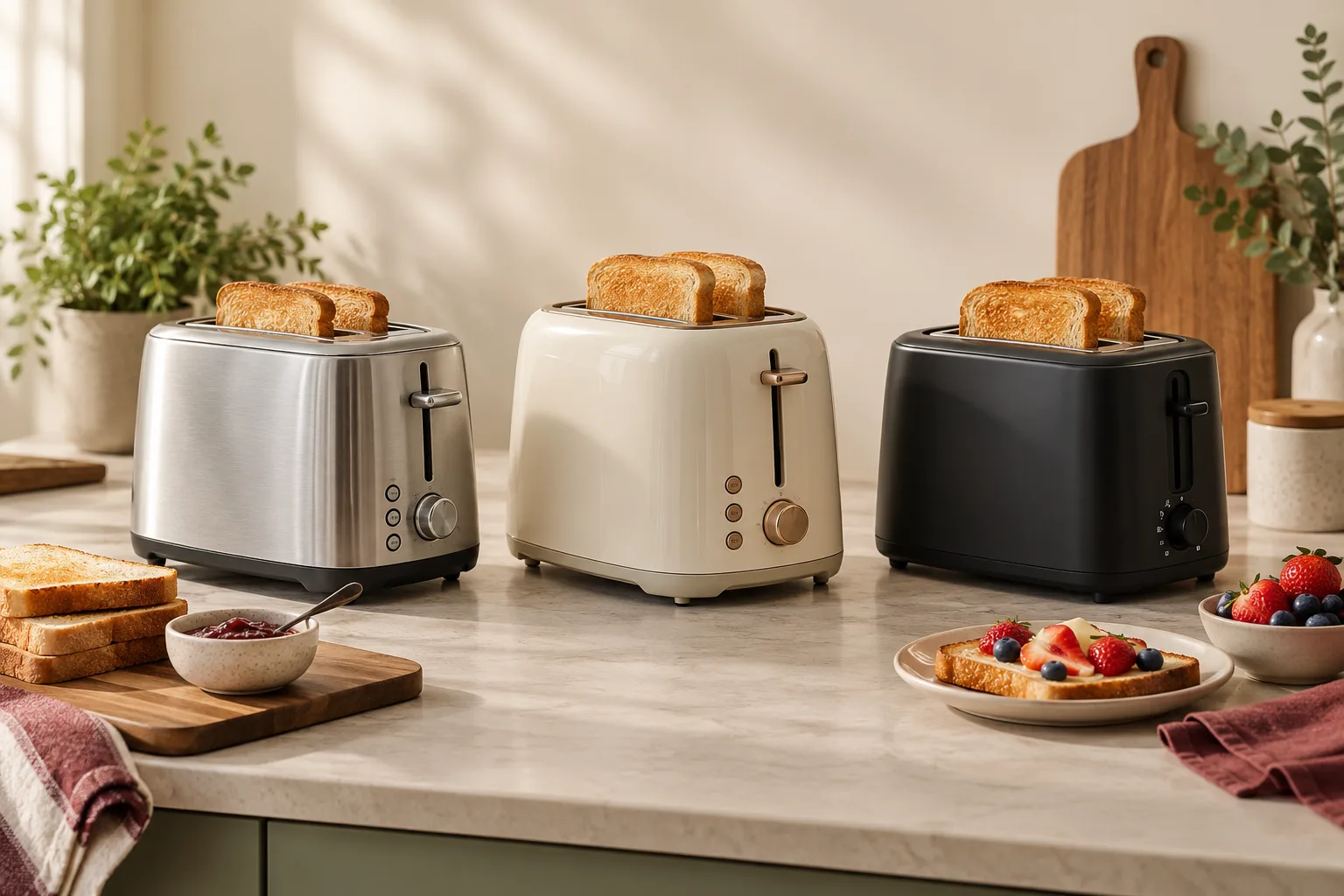 ToastersA toaster is a small purchase that gets judged slice by slice, every morning.
Who it is for
This is written for you if you sell kitchen appliances online.
- Appliance brands selling on their own store as well as Amazon and Flipkart
- Multi-brand electronics and home-appliance sellers moving from a shop or a catalogue to online orders
- Importers and distributors of coffee machines, ovens and air fryers who sell to homes and small cafes
- Small manufacturers of mixer grinders and kettles who have a good product and no store of their own
- Marketplace sellers whose listings sit beside identical products at lower prices
Not for
It is not the right fit if.
- A seller with no service arrangement for the products, who wants marketing to hide that
- Anyone who needs marketing to cover a product that keeps failing in the first few months
How buyers choose
What decides who wins in kitchen appliances.
Wattage, capacity and what they mean in use
A buyer sees 750 watts or 4 litres and cannot tell if it suits a family of five. They look for the use written beside the number: how many chapatis of dough, how much batter, how many cups.
Warranty and the nearest service centre
The first question under almost every listing is about service. Buyers check if the warranty covers the motor or only the body, and whether a technician exists in their town.
Reviews that mention noise, heat and leaks
They read the two-star reviews first. A repeated complaint about a loud motor or a loose lid outweighs a high average.
Delivery condition and installation
For ovens and microwaves, the buyer wants to know who delivers, who sets it up, what happens when the box arrives dented and whether the delivery date will clash with the festival.
Where sales are lost
What usually goes wrong when you sell kitchen appliances online.
In the words sellers use on the first call.
“Another seller has the same model at a lower price”
On a marketplace the buyer sees both listings side by side. Without a difference you can show, such as warranty terms, a demonstration or faster dispatch, price decides.
“Customers return it as defective when it is a misuse problem”
Jars run dry, a kettle is left on, a dough hook is loaded past its limit. The return reason says defective, and you pay for the carriage and the loss.
“Sales spike for Diwali and then nothing until next year”
The festival, the wedding season and house-warming bring buyers in a rush. Between them, the same customers have a mixer that is a few years old and nobody asks them about it.
“Service calls come to us instead of the brand”
A buyer who cannot find the brand's service number phones the seller. Without an answer ready, the call turns into a complaint and then a one-star review.
The scope
The work we would propose for kitchen appliances.
Measured on purchases, conversion rate, cost to win a customer, average order value and repeat purchases. Anything here that needs a platform or tool we have not used with you is confirmed with you before it goes in the scope.
- Listings built around useTitles, images and bullet points rewritten so capacity, wattage, jar types and warranty sit next to what they mean for a household, on Amazon, Flipkart and your own store.
- Search for model, use and comparisonPages for what people type: a mixer grinder for idli batter, a kettle that switches off by itself, an oven for a small kitchen. Comparison pages where the buyer is choosing between two of your models.
- Shopping and Meta campaigns planned by seasonGoogle Shopping through Merchant Centre and Meta campaigns planned around Diwali, house-warming months and wedding gifting, with each product's margin checked before it gets budget.
- Short demonstration videosA thirty-second demonstration for each hero product: the grind, the sound, the lid, the cleaning. Videos go on the listing, the product page and Instagram.
- After-sale answers and service routingA WhatsApp reply set for warranty, installation and service-centre questions, so the buyer reaches the right person without opening a complaint.
- Replacement and upgrade campaignsPast buyers contacted when jars, filters or accessories are due for replacement, and ahead of the next festival, with the product they own in mind.
What we do
What you get for kitchen appliances.
Each deliverable and what it is there to change.
A specification and use table for every model
Power, capacity, jar or tray sizes and what each handles in a real kitchen, so a buyer stops asking for it on WhatsApp.
A warranty and service explainer
A plain page and a reply template showing what the warranty covers, how to claim and what the buyer must keep, so service questions do not reach you as complaints.
A seasonal calendar by product
Which products lead before Diwali, which before a wedding season, and when stock, creatives and offers have to be ready.
A returns reason report
Return reasons grouped by product and by cause, with a note on which can be fixed by a better listing and which cannot.
How the result is measured
- Purchases
- Conversion rate
- Customer acquisition cost
- Repeat purchase rate
- Return rate
- Returns citing a defect against misuse
Recorded as a baseline before work starts, so every later report has an honest comparison.
How it works
What the work involves for kitchen appliances
The work itself, in order. How an engagement starts, from your brief to a written scope, is set out on our method page.
- 1
Trace one model from search to the first service call
After the first conversation we follow a best-selling mixer or oven from search to payment, read the questions buyers sent and look at what the returns say.
- 2
Fix the listing and the answers
Specifications in use, warranty and service lines, and demonstration videos go in on the products that already get visitors, before any new spend.
- 3
Plan the seasons and the spend
Campaigns for Shopping, Meta and marketplaces are planned around the buying seasons and each product's margin, with a baseline of purchases and returns recorded first.
- 4
Measure and plan the second purchase
Results are set beside the baseline, with the reporting arrangement agreed in writing after the first conversation. Past buyers are then contacted for accessories, replacements and the next occasion.
What we need from you
What to have ready before we talk.
None of it has to be tidy. We read what you have.
- Store and marketplace links for every product you sell
- Your warranty terms and your service-centre arrangement
- Return reasons and one-star reviews from the last festival season
- What you spent on ads over the last season, and which products it moved
- A sample of questions buyers sent you before ordering
Selling in India and abroad
Selling kitchen appliances beyond your own market.
Where you sell decides sizes, units, seasons and returns. We work from Bengaluru and have no overseas office, so for a new country we start from your own sales and the platforms you already use.
Voltage, plugs and what the buyer asks first
A mixer or kettle built for the Indian supply will not simply work in other countries. The listing for an overseas buyer needs the voltage, the plug type and a plain statement of what is and is not supported, checked with whoever certifies the product.
Indian kitchens, outside India
Mixer grinders are what Indian families abroad miss most, and they search for them by name. Shipping, duty and warranty abroad differ, so start from your own data: which countries already ask, and for which models.
FAQ
Questions about selling kitchen appliances online.
Not here? More answers, or ask on WhatsApp.
Should I sell appliances on Amazon or on my own website?
Can you help with energy rating or safety claims on my listing?
How do I stop buyers returning appliances as defective?
Do reviews really matter this much for a mixer or a kettle?
How much does it cost?
How long is the contract?
How soon will we see results?
Who will actually do the work?
What do you need from us?
Sellers of kitchen appliances also need
Also selling from a shop, a workshop or a warehouse? See the page for electronics and appliance stores and household products brands.
This page is part of the e-commerce section. The D2C brands page covers the arithmetic of acquisition cost and the second order for any brand.
Why us
Why owners pick GullySales over an agency.
Marketing and sales, as one job
Most agencies stop at the enquiry. We also fix what happens after it: the reply, the follow-up, the quote and the CRM.
The person on the first call does the work
No account managers in between. You are never handed to someone you have not met.
A baseline before anything starts
Your numbers are written down on day one, so every later report compares against something honest.
The fee in writing, split three ways
Our time, your media spend and production on separate lines. You always see what goes to us.
No guarantees we cannot keep
The term is agreed in writing and never a default twelve months. We never promise a ranking or a lead count, because nobody controls those.
One office, and we say so
Nagarbhavi, Bengaluru. We work across India by call and WhatsApp and travel when a session needs to be in person.
#257, 3rd floor, Sri Nanjundeshwara Complex, Nagarbhavi 8th Block, Outer Ring Road. How we work.
Engagement options
Ways to work with us.
Pick the size of commitment that fits. Every option starts with your brief and a conversation.
Option 1
The conversation on its own
A call after you send your brief. It says honestly whether you need outside help, and many fixes are ones your own team can make.
Option 2
One fix, scoped
Start with the fix that matters most, such as reply time or follow-up. The fee is in writing before anything starts.
Option 3
An ongoing programme
We run the work, report against the baseline, and you renew on the numbers. The term and the reporting are agreed in writing first.
Option 4
Guidance for your own team or agency
We plan, brief and check the work of your in-house team or current agency, instead of replacing them.
Your brief
Tell us what you need, and we will read it before we call.
Eight short steps about your business, what you want and who decides. Most questions are a tap, and you can skip any you would rather answer on the call.
Your next practical step
Tell us what you are trying to grow, and we will read it before we call.
Eight short steps, mostly taps. Skip anything you would rather answer on the call.