E-commerce · Furniture, home and living
Buyers cannot feel the fabric, so they believe the numbers and the reviews.
Home textiles are bought by touch, and touch is the one thing a website cannot give. So the buyer reads numbers instead: thread count, GSM, cotton type, wash instructions. Then the reviews, hunting for "rough", "faded" and "shrunk". A seller who gives plain figures and answers the questions behind them looks like someone who knows cloth.
Scope, fee, reporting and term are agreed in writing after we have read your brief and spoken to you.
In one paragraph
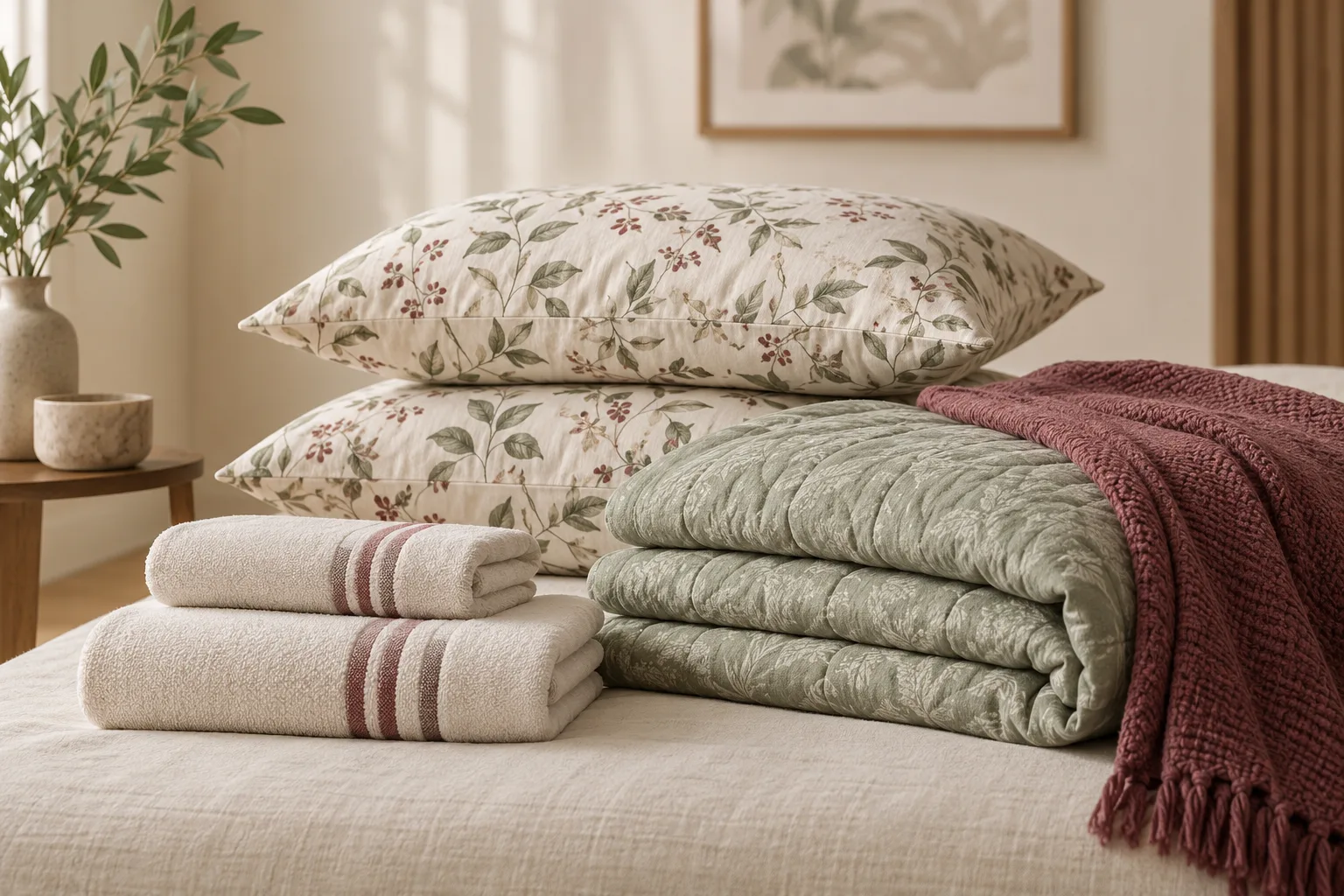
Home textiles e-commerce is the online sale of bedsheets, duvets, blankets, towels, table linen and cushion covers made in cotton, linen, microfibre and blends, bought for feel and wash more than for look. GullySales works on how your listings explain fabric, weight and size, how colour and shrinkage are described honestly, and how buyers of one set are brought back for the next.
There is a trade side too. Many home textile sellers are mills, exporters or wholesalers who have started selling to homes, and they carry two kinds of buyer: the family replacing sheets and the hotel or shop buying by the hundred.
Last updated 7 Oct 2026.
6 types of product
Each kind of home textiles sells differently, so each has its own page.
Open the one that matches what you sell. It covers who buys it, where the sale is lost and what we would do.
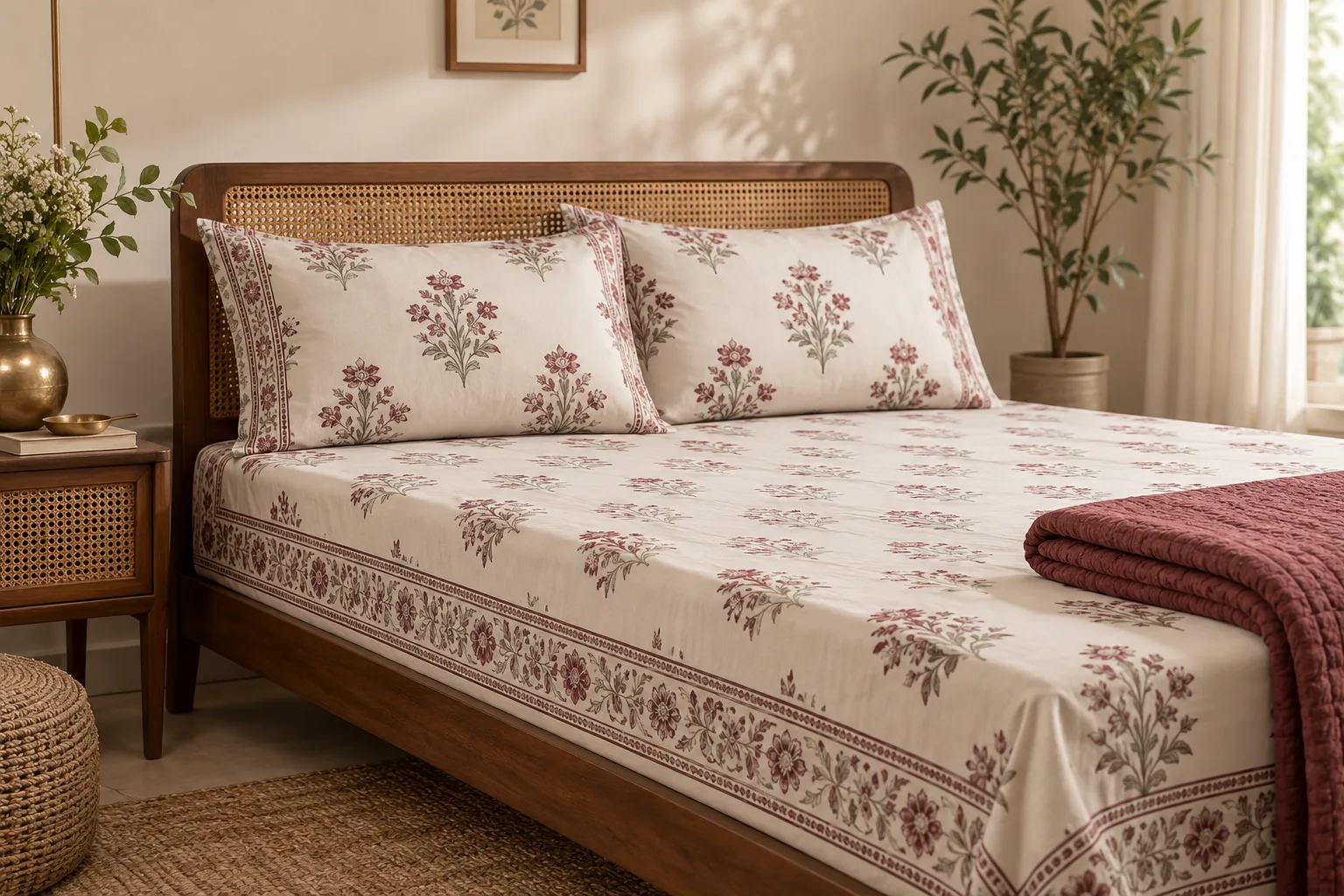 BedsheetsThe size on the packet and the size of the bed are not always the same.
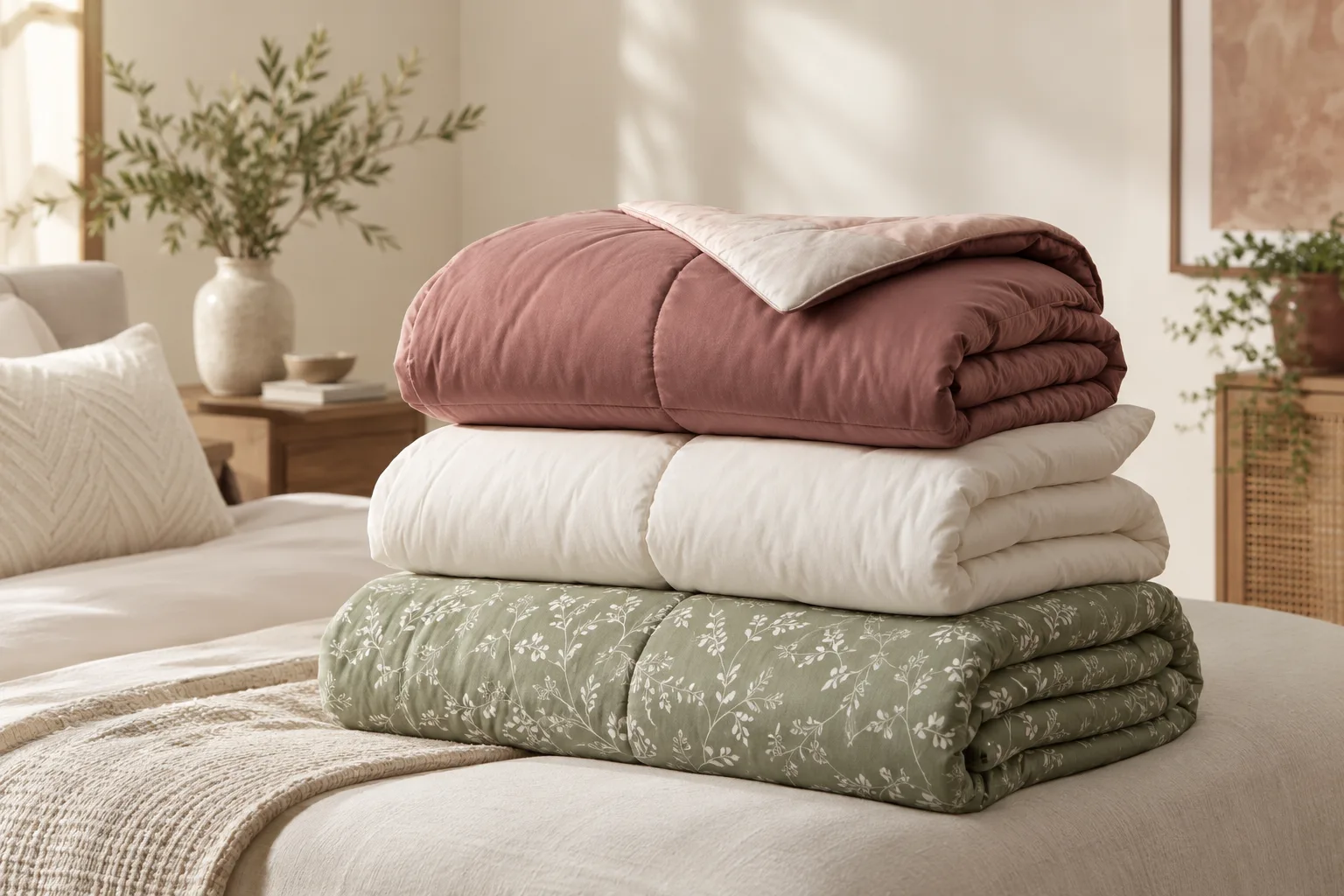 Duvets & ComfortersIn a city with air conditioning all night, a duvet is bought for the cold the buyer chooses.
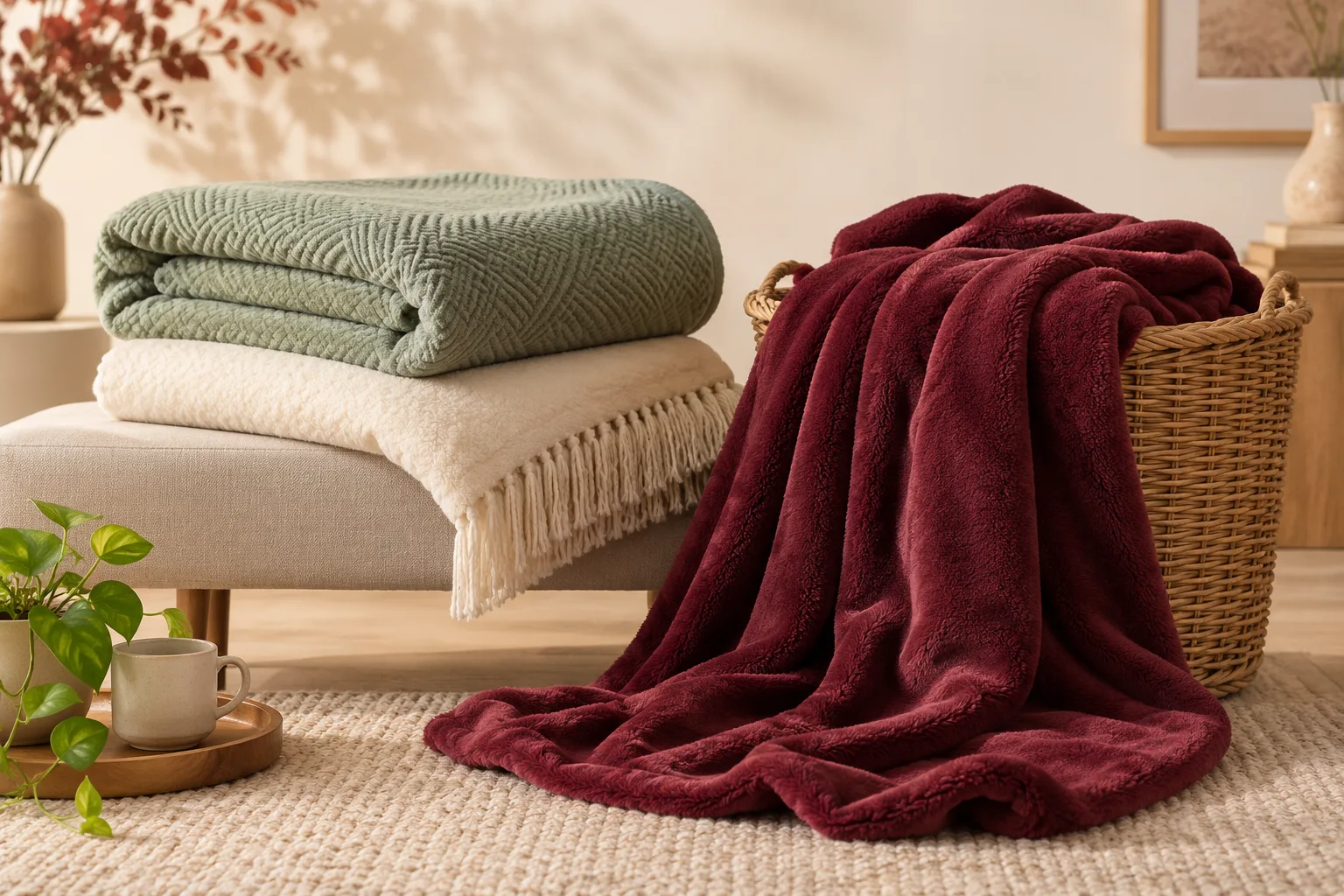 BlanketsA blanket sells in the first cold week and sits on the shelf the rest of the year.
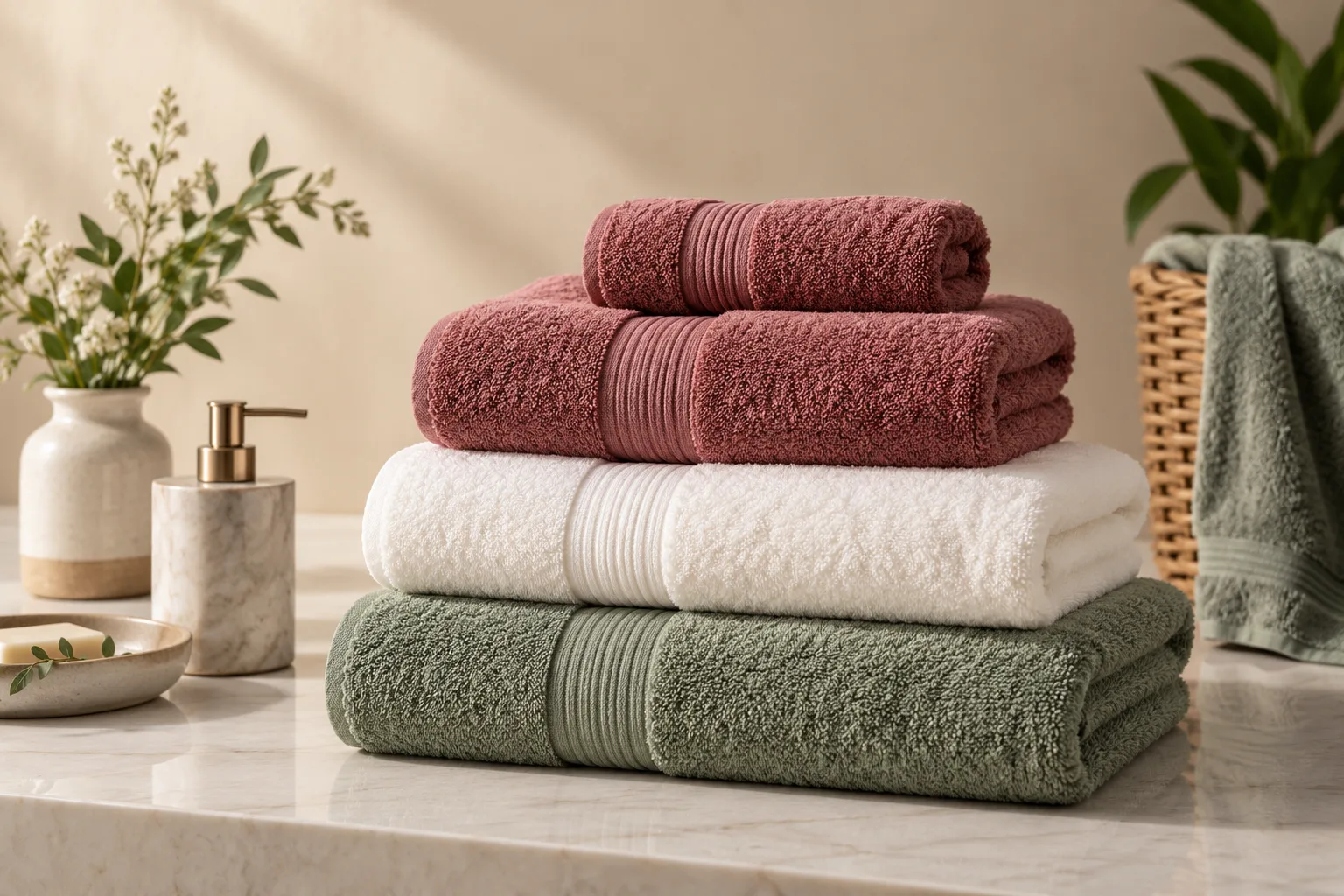 TowelsA towel is judged by the first morning it is used, and the review follows.
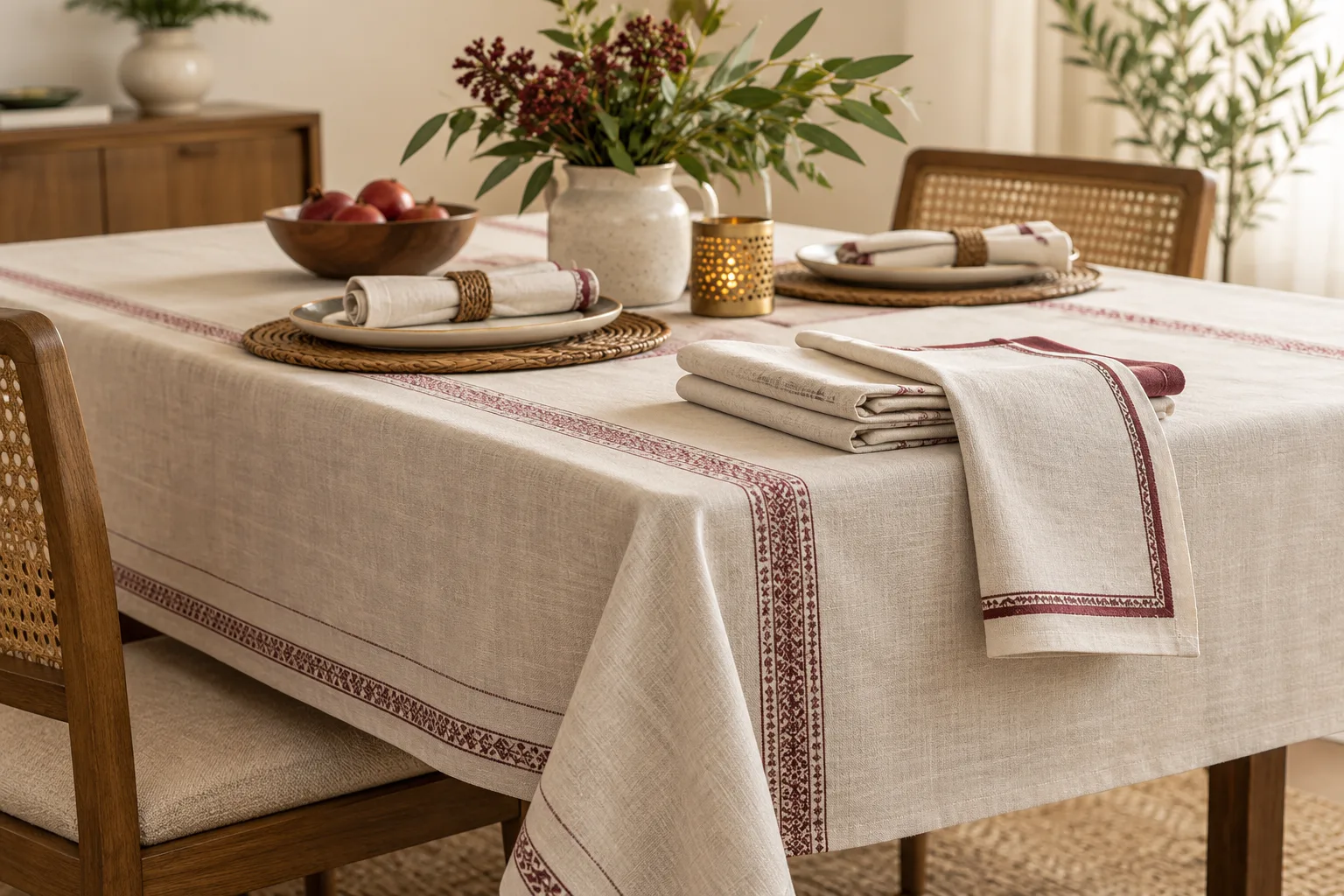 Table LinenTablecloths are bought for the table at home and for the dinner the family is about to host.
 Cushion CoversA cushion cover is the cheapest way to change a room, and buyers know it.
Who it is for
This is written for you if you sell home textiles online.
- Mills and manufacturers in Karur, Erode, Panipat and Ludhiana who sell direct to homes
- Home linen brands selling through their own store and Instagram
- Marketplace sellers of bedsheets, towels and cushion covers
- Wholesalers who also supply hotels, hostels and guest houses
- Handloom and block-print sellers with a craft story
Not for
It is not the right fit if.
- A seller who misstates thread count or fabric content to win a search
- A mill that wants consumer ad spend but has no way to pack, ship and handle returns of single pieces
How buyers choose
What decides who wins in home textiles.
Fabric, weave and the numbers
Cotton, linen, microfibre, bamboo; percale or sateen; thread count or GSM. Buyers compare these between brands, and they know a suspiciously high number.
Size in inches, set contents
Bed sizes, pillow cover counts, a bath towel against a hand towel. A pack that does not say what it includes causes more complaints than any fabric fault.
Wash, shrinkage and fading
Whether it can go in the machine, what happens to the colour and how much it shrinks. Reviews after the first wash decide the rating.
Season and room
Light cotton for summer, flannel and wool for winter, thick towels for a guest bathroom. Buyers search by the season.
Where sales are lost
What usually goes wrong when you sell home textiles online.
In the words sellers use on the first call.
“Customers say the fabric is rougher than described”
A page said soft, and a reviewer wrote scratchy. Without numbers that match the price, the word soft is read as decoration.
“The colour ran or faded in the wash”
A review after one wash will outlast a hundred quiet orders. The care label and the dye quality are the answer, and neither is on the page.
“The set was not what they thought it included”
A buyer expected two pillow covers and got one, or a towel set without the hand towel. The return is for a missing piece.
The scope
The work we would propose for home textiles.
Measured on purchases, conversion rate, cost to win a customer, average order value and repeat purchases. Anything here that needs a platform or tool we have not used with you is confirmed with you before it goes in the scope.
- Fabric spec tables on every listingFibre, weave, count or GSM, size and set contents in a plain table, in the same place on every product, with a short note on what the numbers mean.
- Search by fabric, size and seasonPages for cotton bedsheets for summer, king size bedsheet sets, bath towels for a guest room, velvet cushion covers.
- Marketplace listing and image reworkA listing image set that shows what is in the box, the size on a bed and the fabric close up, where marketplaces carry most of your orders.
- Reviews that mention the washA message sent to buyers after the first wash asking for photographs, so the reviews buyers read are the ones that matter.
- Bulk and hotel enquiriesA separate page and form for hotels, hostels and shops that buy by quantity, so those enquiries do not sit in the same inbox as retail ones.
What we do
What you get for home textiles.
Each deliverable and what it is there to change.
A fabric guide for your range
What your cotton, percale, sateen, microfibre and linen are, in plain words, with the figures that go with each.
A size and set-contents table
What is in each pack, for every bed size and every towel set, shown once and repeated on each listing.
A care and shrinkage page
How to wash, dry and store, how much shrinkage to expect, and what to do if colour runs.
A trade and bulk page
A catalogue and enquiry form for hotels, hostels, retailers and corporate buyers, with minimum quantity and customisation terms.
How the result is measured
- Purchases
- Conversion rate
- Customer acquisition cost
- Average order value
- Repeat purchase rate
- Return rate, split by size, colour and fabric
Recorded as a baseline before work starts, so every later report has an honest comparison.
How it works
What the work involves for home textiles
The work itself, in order. How an engagement starts, from your brief to a written scope, is set out on our method page.
- 1
Read the page as a buyer who cannot touch the cloth
We take a best-selling product from search to checkout and read the reviews that mention feel, size and the wash.
- 2
Put the numbers and the sizes on the page
Fabric figures, set contents and care go onto the pages that already get visitors, before any new spend.
- 3
Fix the marketplace listings
Images, titles and sizes on Amazon, Flipkart and Myntra, where much of the browsing starts.
- 4
Bring buyers back by season
Messages to earlier buyers for the next season and the next room, with a baseline of purchases and returns recorded first.
- 5
Measure against the baseline
Each season's purchases and returns are set against the starting figures. The reporting arrangement is fixed in writing after the first conversation.
What we need from you
What to have ready before we talk.
None of it has to be tidy. We read what you have.
- Your store and marketplace links
- Best-selling products and the figures on their labels
- Returns and reviews after the first wash
- A sample of the questions buyers send
- Hotel, hostel or wholesale enquiries from the last year
Selling in India and abroad
Selling home textiles beyond your own market.
Where you sell decides sizes, units, seasons and returns. We work from Bengaluru and have no overseas office, so for a new country we start from your own sales and the platforms you already use.
Sizes and fabric words abroad
US and UK bed sizes differ from Indian ones, and thread count means different things to different buyers. A listing for abroad needs its own size table and plain fabric words.
Labelling, content and shipping
Fibre content labelling and wash symbols are required in many markets. What your listing must say is checked with your adviser, and begins with the countries your orders already come from.
FAQ
Questions about selling home textiles online.
Not here? More answers, or ask on WhatsApp.
Does thread count matter for bedsheets?
Can a mill sell to homes and to hotels at once?
Should I sell home textiles on Amazon or on my own site?
How much does it cost?
How long is the contract?
How soon will we see results?
Who will actually do the work?
What do you need from us?
What if we are not happy with the work?
Sellers of home textiles also need
Also selling from a shop, a workshop or a warehouse? See the page for textile manufacturers and home decor businesses.
This page is part of the e-commerce section. The D2C brands page covers the arithmetic of acquisition cost and the second order for any brand.
Why us
Why owners pick GullySales over an agency.
Marketing and sales, as one job
Most agencies stop at the enquiry. We also fix what happens after it: the reply, the follow-up, the quote and the CRM.
The person on the first call does the work
No account managers in between. You are never handed to someone you have not met.
A baseline before anything starts
Your numbers are written down on day one, so every later report compares against something honest.
The fee in writing, split three ways
Our time, your media spend and production on separate lines. You always see what goes to us.
No guarantees we cannot keep
The term is agreed in writing and never a default twelve months. We never promise a ranking or a lead count, because nobody controls those.
One office, and we say so
Nagarbhavi, Bengaluru. We work across India by call and WhatsApp and travel when a session needs to be in person.
#257, 3rd floor, Sri Nanjundeshwara Complex, Nagarbhavi 8th Block, Outer Ring Road. How we work.
Engagement options
Ways to work with us.
Pick the size of commitment that fits. Every option starts with your brief and a conversation.
Option 1
The conversation on its own
A call after you send your brief. It says honestly whether you need outside help, and many fixes are ones your own team can make.
Option 2
One fix, scoped
Start with the fix that matters most, such as reply time or follow-up. The fee is in writing before anything starts.
Option 3
An ongoing programme
We run the work, report against the baseline, and you renew on the numbers. The term and the reporting are agreed in writing first.
Option 4
Guidance for your own team or agency
We plan, brief and check the work of your in-house team or current agency, instead of replacing them.
Your brief
Tell us what you need, and we will read it before we call.
Eight short steps about your business, what you want and who decides. Most questions are a tap, and you can skip any you would rather answer on the call.
Your next practical step
Tell us what you are trying to grow, and we will read it before we call.
Eight short steps, mostly taps. Skip anything you would rather answer on the call.