Sofa cleaning companies · Follow up systems
Chase the unanswered quote and remind the satisfied customer before the next festival.
A follow-up system for a sofa cleaning company is the set of messages that go out after a quote, after a visit and when a sofa is due again. GullySales works on writing those messages and deciding who sends them and when.
Scope, fee, reporting and term are agreed in writing after we have read your brief and spoken to you.
What follow up systems means
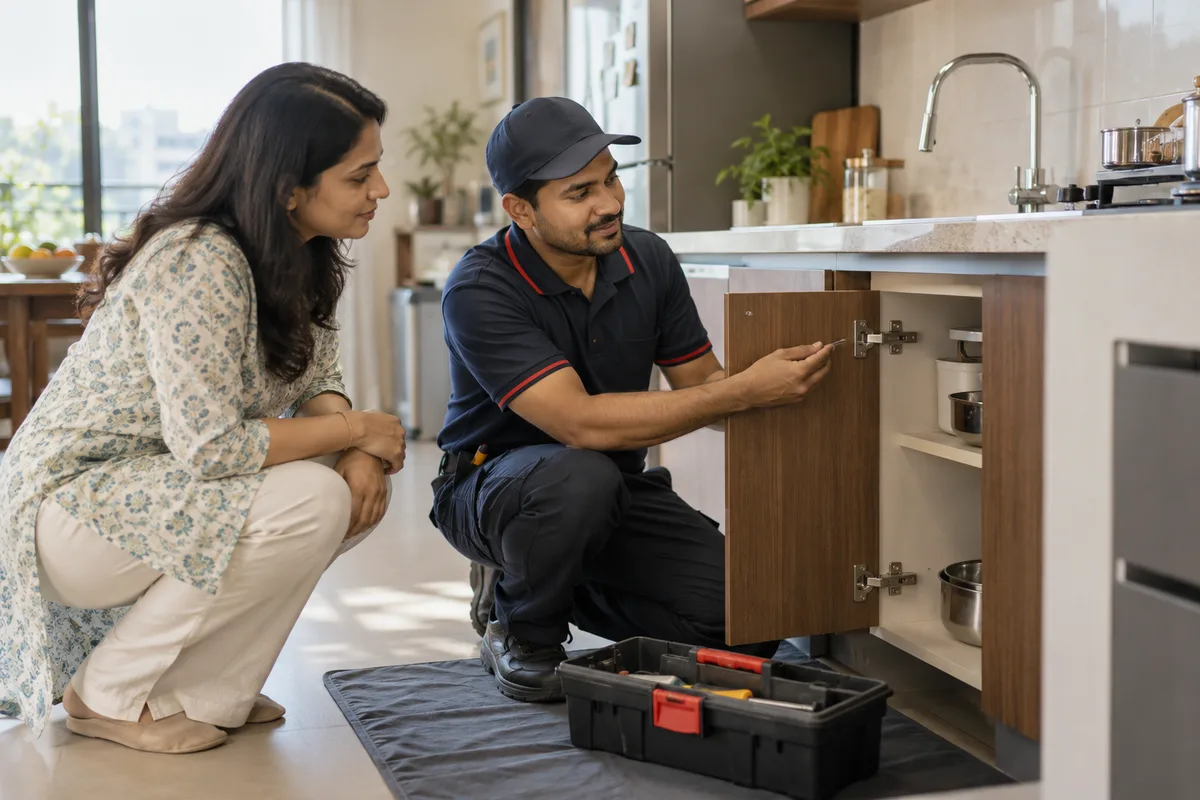
A follow-up system is the set routine for calling, messaging or emailing an enquiry more than once, since most buyers do not decide on the first conversation. GullySales sets the number and timing of follow-ups so an undecided buyer keeps hearing from you until they decide either way.
Also for sofa cleaning companies
- Lead generation for sofa cleaning companies
- CRM for sofa cleaning companies
- SEO for sofa cleaning companies
- Local SEO for sofa cleaning companies
- Social media marketing for sofa cleaning companies
- Content marketing for sofa cleaning companies
- Buyer persona for sofa cleaning companies
- WhatsApp marketing for sofa cleaning companies
Sales and marketing for sofa cleaning companies, the overview.
Last updated 14 Nov 2026.
For sofa cleaning companies
Where it usually goes wrong, and what we would do.
“A quote without a reply is not a refusal”
The household got busy, or compared two prices and forgot. One polite nudge, with a visit slot, shows you whether they are still interested. Silence from your side leaves the job to a competitor.
“The visit itself is a follow-up moment”
Right after the crew leaves, the household has the sofa damp and a few questions. A message with the drying note and a review request arrives at the point they care most.
“Reminders earn a second year”
The sofa is clean in the customer's mind until it is not. A message before the festival, with an early slot, brings the household back without asking them to remember.
“Follow-up belongs to a named person”
When everyone could send the nudge, nobody does. Giving the list to one staff member, with a short script, turns a good intention into a routine.
What we do
What we deliver for sofa cleaning companies.
The work available for this need. We agree the deliverables and responsibilities for your engagement in writing.
A quote follow-up script
A short message sent after a quote goes unanswered, offering a slot and a way to send another photo.
Result: Staff send the same polite nudge each time.
An after-visit message
A note with drying guidance and a review request.
Result: Each cleaned household gets the same message.
A due-again reminder
A message timed to the festival season, keyed to the last cleaning date.
Result: Past customers hear from you before the rush.
A named owner and a tracker
One person responsible for follow-ups and a list showing what was sent and what came back.
Result: You can tell who was chased and who answered.
A stop rule
Clear wording for when to stop messaging a household that has declined.
Result: Customers are not pestered.
How the result is measured
- Follow-up completion rate
- Average number of follow-ups before close
- Enquiries closed after repeat follow-up
Recorded as a baseline before work starts, so every later report has an honest comparison.
What to capture or send
The messages a sofa cleaning company sends after a quote, a visit and a season.
- Quote sent, no reply
- A short message repeating seat count and price, with one question: should a visit be held for a date. Log the day it was sent.
- After the visit
- A thank-you with the care card on leaving cushions to dry and what to avoid. Ask for a review that names the sofa.
- A stain that stayed
- A message recalling what was said before the visit, offering a second look and recording the outcome in the file.
- Due again
- A reminder before the next festival or season, quoting the sofa and last clean date so it reads as a record, not a mass text.
- Quiet since the quote
- A closing message that ends the file kindly and says the enquiry can reopen. Record the reason if the customer gives one.
- A neighbour in the same tower
- A thank-you and an offer to book the neighbour on the same trip, sent only if the customer agrees.
Who it is for
This is written for these sofa cleaning companies.
- Households with fabric sofas, recliners and L-shaped sets
- Leather and leatherette sofa care specialists
- Mattress and sofa cleaning combined services
- Dining chair, curtain and cushion add-on cleaners
- PG, hostel and serviced apartment operators
- Small offices, clinics and salons with waiting-area seating
- Furniture showrooms offering cleaning as an after-sales service
- Home cleaning companies that sell sofa cleaning as a separate job
Before you decide
When this may not be the right fit.
- Nobody owns the quote list, so reminders would go out from memory and repeat or skip customers.
- You have no record of who agreed to messages, so a reminder run would reach households who never said yes.
- Your price rule by seat count is unsettled, so a follow-up would repeat a quote that changes on the next call.
Before you decide
Agree the work. Know how to judge it.
Follow-up systems for sofa cleaning companies: use these checks to prepare, choose the scope, and review what changes.
Bring the right evidence
Trace recent enquiries from arrival to the last recorded action. Include a won enquiry, an unsuitable one, and one that went quiet, with personal details removed for the initial discussion.
Make the scope clear
Agree who accepts each enquiry, what makes it qualified, and how ownership changes. Include a rule for missed replies and a clear reason for closing an enquiry.
Check the work in use
Pick an enquiry at random and ask the team to find its owner, latest conversation, and next action. Check that the record agrees with what actually happened.
Know when to change course
If no one has capacity to respond, assign that responsibility before buying more leads. Automation can support the owner, but it cannot replace an unresolved handover.
These are discussion points, not a fixed package. GullySales confirms the deliverables, responsibilities, fee, and term in writing after reading your brief and speaking with you.
Before we start
What to have ready before the work starts.
The records, access and decisions this work needs from sofa cleaning companies. Anything missing is noted in the written scope, with who will supply it.
- The last month of quotes sent
- We need the real list of quotes with dates and outcomes, even if scribbled. It shows how long households wait and where replies stop. Without it, the follow-up messages are written for an imagined customer and the stop rule is guesswork.
- A decision on who follows up
- Name the one person who sends follow-ups and a second who covers absence. This is your decision. If follow-up belongs to everyone, it belongs to nobody, and quotes continue to lapse in the chat.
- Past customers and visit dates
- Share the list of households you cleaned last year, with the date of each visit. This builds the due-again reminder. If dates are missing, reminders go out by season instead, which is less accurate and risks reaching someone cleaned last month.
- Your stance on discounts for a late yes
- Decide whether you will ever offer anything to move a quote, and what. Amounts stay with you. If you have no stance, we write follow-ups that offer only a visit window, which is safer but gives the crew fewer ways to close.
- A record of customers who asked to stop
- List the households who told you not to message again. We must keep them off every list. Without this record, a reminder can reach someone who refused, and a single complaint costs more than the sale.
How it works
How the follow up systems work runs
The work itself, in order. How an engagement starts, from your brief to a written scope, is set out on our method page.
- 1
Count the quotes that never got a reply
We open the last month of quotes in your chat with you and mark which got a yes, a no and nothing at all. The silent ones are the starting point. For each, we note when the quote was sent, who sent it and whether anyone wrote again. This count is kept for the end.
- 2
Decide what counts as closed
You tell us when a quote is considered lost, when a customer asked to stop and when a job is done. These rules protect households from endless messages. We write them as three short lines pinned in the chat, so the person following up knows when to stop and when to ask once more. We also agree what happens when a household replies after being marked lost, because a late yes is common and the record should reopen without starting again.
- 3
Write the quote follow-up in your voice
We draft the first message that goes out after a quote, then a gentler second one that offers a visit window. Each mentions the sofa from the original photo. You read them aloud, change any phrase that sounds unlike you, and approve a short version for households who answered once and then stopped. A message that refers to the exact sofa, such as the three-seater with the grey fabric, reads as care rather than a reminder sent to a list.
- 4
Write the message sent after a visit
The visit itself is the best moment to follow up. We write a thank-you with drying guidance for the fabric, a line about what the cleaning could not remove, and a request for a review. The crew sends it from the van, or the office sends it that evening, whichever suits the household and your staff better.
- 5
Name the person and test the tracker
One named person sends follow-ups, using a simple tracker with the quote date, the next message and the stop rule. We run a trial week of old quotes through it with you watching. Where the person skipped a step or the tracker confused them, we simplify before real households receive anything, and we check that the stop rule actually removes a household from the next list.
- 6
Compare replies with the opening count
We return to the count of silent quotes from the first step and read the new tally beside it: replies received, visits booked, households that asked to stop. You tell us which message worked best. We keep that one, rewrite the weakest and adjust the stop rule if households felt chased.
Where this fits
Three pieces of sales work, in this order.
This work sits inside sales process design, at stage 2, qualification. The audit comes before it, and sales management keeps it running.
Step 1
Sales audit
Find where deals are being lost and what to fix first.
Start here if you cannot say where orders are lost.
Step 2 · you are here
Sales process design
One written way to sell, from first enquiry to repeat order.
Start here if every salesperson sells differently.
Step 3
Sales management
A target, a review routine and someone who owns the number.
Start here if the team has targets and no routine.
FAQ
Questions owners ask before they call.
Not here? More answers, or ask on WhatsApp.
How many follow-ups are too many?
Can follow-ups go out automatically?
What do we say to someone who never answers?
Should reminders mention the last stain?
Should the follow-up come from the company number or a personal phone?
What if a household replies angrily to a follow-up?
How much does it cost?
How long is the contract?
How soon will we see results?
Who will actually do the work?
More for sofa cleaning companies
Related work to consider.
Closest to this: leads and follow-up
Also for sofa cleaning companies
Or start from the overview: sales and marketing for sofa cleaning companies.
Your next practical step
Tell us what you are trying to grow, and we will read it before we call.
Eight short steps, mostly taps. Skip anything you would rather answer on the call.