Institutional food service providers · Sales strategy
Sales strategy for institutional food service providers starts with choosing which opportunities to pursue.
Sales strategy for institutional food service providers decides which opportunities your team should pursue and what it should decline. GullySales compares demand for the enquiries your team handles with your sales records and delivery capacity, then documents how to reach the guest or the organiser responsible for the booking.
Scope, fee, reporting and term are agreed in writing after we have read your brief and spoken to you.
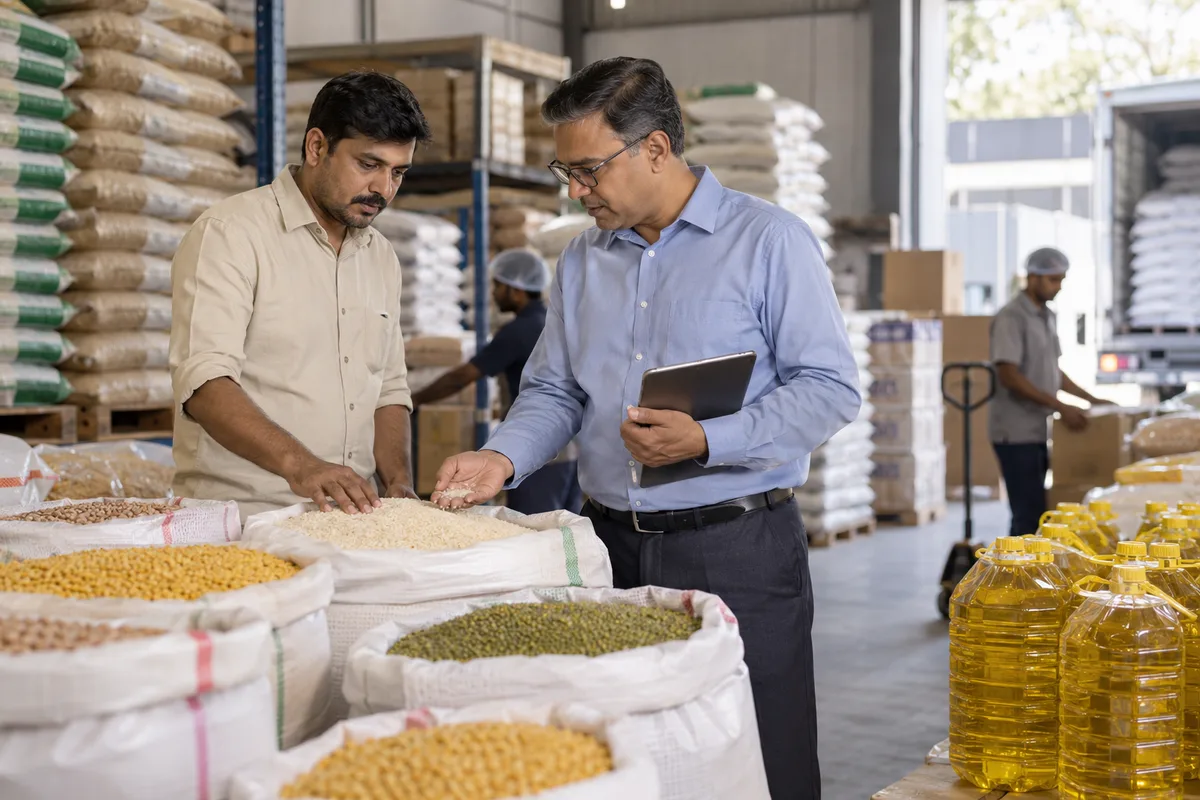
What sales strategy means
Sales strategy is deciding which customers to chase, through which channel and at what price, instead of every salesperson working their own way. GullySales sets this plan against your actual pipeline and the deals you have won and lost so far.
Also for institutional food service providers
- Sales process for institutional food service providers
- Sales management for institutional food service providers
- Lead generation for institutional food service
- SEO for institutional food service
- Local SEO for institutional food service
- Social media for institutional food service
- Content marketing for institutional food service
- Buyer personas for institutional food service
Sales and marketing for institutional food service providers, the overview.
Plan the next part of the work
Last updated 21 Nov 2026.
For institutional food service providers
Where it usually goes wrong, and what we would do.
“Renewals arrive as a surprise notice”
A contract ends and the institution invites fresh quotations. The existing provider learns this at the same time as the competitors. Compare the affected work with the accounts you want to pursue.
“Evidence before a commitment”
Use an available option acknowledged by the guest or organiser as the decision to check. A missing approval should stay visible to the person who can resolve it.
“The receiving team needs the full record”
Check the booking confirmation, inclusions, payment status, and operating team's instructions before responsibility moves to another person. Record any unresolved question beside its owner.
What we do
What we deliver for institutional food service providers.
The work available for this need. We agree the deliverables and responsibilities for your engagement in writing.
Opportunity and segment priorities
A comparison of the work your team handles, using your won and lost work, delivery effort, and capacity. The plan states what to pursue and what to decline.
Result: The team has a reason to prioritise one opportunity over another.
Buyer and channel decisions
A route to the guest or the organiser responsible for the booking, with the evidence needed to choose between direct enquiries and other applicable sales channels.
Result: Channel choices connect to a buyer decision rather than a preferred tactic.
Commercial decision brief
Compare demand by booking type and available capacity. Decide which dates and packages need attention before spending to attract more enquiries. Record pricing boundaries and the person authorised to approve an exception.
Result: Sales knows which commitments need an owner decision.
Execution plan and review criteria
A plan assigning the first actions for the enquiries your team handles, including the evidence that would justify continuing, changing, or stopping the approach.
Result: The strategy has an accountable next step and a way to test its assumptions.
How the result is measured
- Suitable opportunities by chosen segment
- Won and lost reasons by offer
- Contribution after delivery effort
- Progress against agreed strategy actions
Recorded as a baseline before work starts, so every later report has an honest comparison.
Who it is for
This is written for these institutional food service providers.
- Hospital kitchens providing patient diets and staff meals
- School and college canteens and mid-day meal operators
- Hostel and residential-school messes
- Factory and plant canteen contractors
- IT campus and business park food courts
- Defence, railway and government-institution canteens
- Old-age homes and care centres
- Jail, ashram and trust kitchens
- Central kitchens supplying satellite canteens
Before you decide
When this may not be the right fit.
- A team seeking a guaranteed volume of enquiries or a promised sales result.
- A business unable to provide a responsible owner for enquiries and commercial decisions.
Before you decide
Agree the work. Know how to judge it.
Sales strategy for institutional food service providers: use these checks to prepare, choose the scope, and review what changes.
Bring the right evidence
Review orders by buyer type, offer, and route to market. Include lost proposals and capacity limits so the plan reflects what the team can actually sell and deliver.
Make the scope clear
Choose the target buyer and offer before setting activity targets. Agree responsibilities for finding opportunities, qualification, proposals, and the final commercial decision.
Check the work in use
Check whether the plan explains where the next suitable opportunities will come from and why buyers would choose you. Each priority needs an owner and a way to review progress.
Know when to change course
If the target assumes more delivery capacity or selling time than exists, change the plan. Raising the target does not create either resource.
These are discussion points, not a fixed package. GullySales confirms the deliverables, responsibilities, fee, and term in writing after reading your brief and speaking with you.
Before we start
What to have ready before the work starts.
The records, access and decisions this work needs from institutional food service providers. Anything missing is noted in the written scope, with who will supply it.
- Recent enquiry records
- Bring anonymised examples of enquiries and their outcomes. Use your existing priorities to select them: A capability document with kitchen capacity, staffing and licences; References from comparable institutions, with their agreement; A tender and quotation response kit that is the same every time.
- Decisions and responsibilities
- Identify who speaks to the guest or the organiser responsible for the booking, who approves commitments, and who receives the work after acceptance.
- Current selling materials
- Share the forms and messages used to collect dates, party size, availability, inclusions, and the person confirming the booking. Remove private information that is not needed for the review.
How it works
How the sales strategy work runs
The work itself, in order. How an engagement starts, from your brief to a written scope, is set out on our method page.
- 1
Read the commercial evidence
Compare recent enquiries for the work your team handles with completed work. Note where records cannot yet support a conclusion.
- 2
Make the choices
Compare demand by booking type and available capacity. Decide which dates and packages need attention before spending to attract more enquiries. Agree which opportunities get attention and who can approve exceptions.
- 3
Hand over the decisions
Give the responsible team the target audience and channel choices, with actions for reaching the guest or the organiser responsible for the booking. Review against the agreed evidence.
Where this fits
Three pieces of sales work, in this order.
This work sits inside sales process design, at stage 1, prospecting and lead generation. The audit comes before it, and sales management keeps it running.
Step 1
Sales audit
Find where deals are being lost and what to fix first.
Start here if you cannot say where orders are lost.
Step 2 · you are here
Sales process design
One written way to sell, from first enquiry to repeat order.
Start here if every salesperson sells differently.
Step 3
Sales management
A target, a review routine and someone who owns the number.
Start here if the team has targets and no routine.
FAQ
Questions owners ask before they call.
Not here? More answers, or ask on WhatsApp.
Where should institutional food service providers start with sales strategy?
What should we have ready before discussing the work?
Does this work require a new CRM?
How do we agree the scope and fee?
How long is the contract?
How soon will we see results?
Who will actually do the work?
What do you need from us?
What if we are not happy with the work?
More for institutional food service providers
Related work to consider.
Closest to this: sales craft
Also for institutional food service providers
Or start from the overview: sales and marketing for institutional food service providers.
Your next practical step
Tell us what you are trying to grow, and we will read it before we call.
Eight short steps, mostly taps. Skip anything you would rather answer on the call.