Dyeing and processing units · Lead generation
Bring in weavers and garment makers whose cloth suits the machines you run.
Lead generation for a processing house means attracting cloth owners whose fibre, width and shade needs match what the plant runs well. A grey lot that the unit cannot process properly is a cost, not a lead. GullySales sets up the pages, outreach lists and enquiry routine that bring in suitable job-work.
Scope, fee, reporting and term are agreed in writing after we have read your brief and spoken to you.
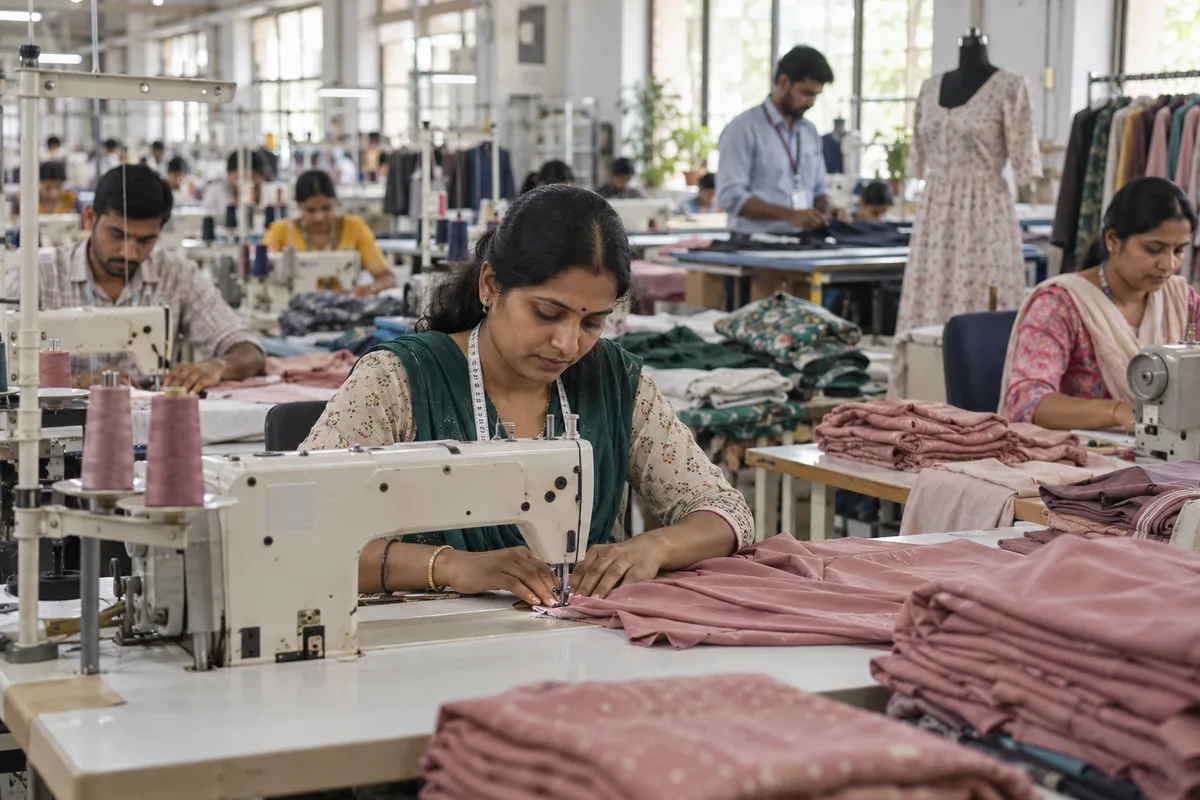
What lead generation means
Lead generation is the combined work of every channel that brings in a new enquiry, whether from search, adverts, referrals or a stall at an exhibition. GullySales runs these channels together and reports the number of enquiries each one produced, not the activity behind it.
Also for dyeing and processing units
- CRM for dyeing and processing units
- Follow-up systems for dyeing and processing units
- SEO for dyeing and processing units
- Local SEO for dyeing and processing units
- Social media marketing for dyeing and processing units
- Content marketing for dyeing and processing units
- Buyer personas for dyeing and processing units
- WhatsApp marketing for dyeing and processing units
Sales and marketing for dyeing and processing units, the overview.
Last updated 13 Nov 2026.
For dyeing and processing units
Where it usually goes wrong, and what we would do.
“A vague enquiry wastes the lab's time”
A caller who says they need dyeing gives the unit nothing to quote from. Without fibre, width, shade reference and quantity, the lab prepares a dip for a job the plant may not be able to run, and the real buyer is the one still waiting.
“Capacity gaps need a different pitch from full weeks”
A unit with idle jet or stenter time wants a different kind of enquiry from one that is booked solid. Leads aimed at the wrong process leave the machines you most need to fill sitting empty.
“Exporters and weavers arrive by different doors”
A garment exporter wants papers, audit readiness and matched shades. A weaver wants a rate and a lab dip. One message sent to both fits neither, so each group needs its own entry point.
“A lead from a trader is a lead from the trader's customer too”
Fabric traders send grey bales on behalf of garment makers further down. The processor who records only the trader loses sight of the account that actually decides the shade.
What we do
What we deliver for dyeing and processing units.
The work available for this need. We agree the deliverables and responsibilities for your engagement in writing.
Enquiry form that asks for the job
A short form and a WhatsApp prompt asking for fibre, width, finish, shade reference and approximate quantity.
Result: Every new enquiry reaches the lab with the details needed to quote.
Process pages written for search
Separate pages for dyeing, printing, finishing and washing, naming fibres, widths and machines in the words a weaver types.
Result: A buyer can confirm the unit runs their quality without a call.
Target lists by buyer type
Lists of weaving units, knitters, traders and exporters in your cluster, each with the reason they would send cloth out.
Result: A shortlist you approve before any outreach goes out.
Idle-capacity matching
A note of which machines have room, so outreach points at the process that needs filling.
Result: Sales knows which process to push before it picks up the phone.
Source tag on every enquiry
A field recording whether the enquiry came from search, a trader, an association or a past customer.
Result: A count of which source brings in lots that actually get booked.
How the result is measured
- Enquiries generated
- Cost per enquiry
- Enquiries by source
Recorded as a baseline before work starts, so every later report has an honest comparison.
What to capture
A processing enquiry needs the cloth described before the lab starts.
- Fibre and construction
- Cotton, polyester, viscose or a blend, woven or knit; decides which machine and dye class can run the job at all.
- Width and weight of the cloth
- Tells the plant whether the cloth fits the jet, the stenter or the rotary line, before a dip is prepared.
- Shade reference and swatch
- A pantone code or a physical swatch; the lab matches to it, and it is the record if the shade is disputed later.
- Quantity in the lot and repeat lots expected
- Separates a trial piece from a standing account, and shows whether the buyer needs shade repeat across lots.
- Buyer's compliance papers needed
- Some buyers ask for treatment and consent papers; knowing at the start avoids a scramble when the audit request arrives.
Who it is for
This is written for these dyeing and processing units.
- Cotton and polyester fabric dyeing units
- Knit fabric processors for tubular and open-width dyeing
- Textile printing units for rotary, screen and digital print
- Garment washing and finishing units
- Yarn dyeing and mercerising units
- Denim washing and finishing units
- Composite processors with bleaching, dyeing and finishing
- Export-oriented processors working to buyer compliance audits
Not for
It is not the right fit if.
- Your jets and stenters are booked solid, so more enquiries would add lab dips for work the plant cannot take.
- No one owns the lab dip request, and a new enquiry source would pile requests onto the same unattended desk.
- You process only a few fibres, and a wide campaign would bring enquiries for cloth the machines cannot run.
Before you decide
Agree the work. Know how to judge it.
Lead generation for dyeing and processing units: use these checks to prepare, choose the scope, and review what changes.
Bring the right evidence
Define the organisations or buyers you can serve and the reasons they would consider a conversation. Bring examples of accepted and rejected prospects so the selection rule is visible.
Make the scope clear
Agree the research sources, contact approach, qualification rules, and handover. Clarify which meetings count as accepted and what happens to replies that are not ready to buy.
Check the work in use
Review why a prospect was selected and what was learned from the response. Count held, relevant conversations separately from contacts found, messages sent, or meetings booked.
Know when to change course
If the same objection appears repeatedly, adjust the offer or buyer group before increasing outreach. Respect a request to stop contact and keep the exclusion in the record.
These are discussion points, not a fixed package. GullySales confirms the deliverables, responsibilities, fee, and term in writing after reading your brief and speaking with you.
Before we start
What to have ready before the work starts.
The records, access and decisions this work needs from dyeing and processing units. Anything missing is noted in the written scope, with who will supply it.
- The enquiry notebook or call log
- Past enquiries show which buyers asked for what, and which were declined. Phone notes and a messy notebook are acceptable. Without them the target lists are built on guesses about who sends suitable cloth, and the form questions are written without evidence of what slows a quote.
- A list of processes the plant runs well
- Write the processes, fibres and widths the unit is proud to run and those it prefers to refuse. Without this decision outreach brings in whatever cloth exists, and the lab spends effort on work that loses money.
- The person who answers enquiries
- Name one person, with a working phone, who replies to every new enquiry. If nobody owns the reply, a good lead cools while the form works perfectly, and the source log shows a false picture of which route performs.
- Idle machine hours listed by range
- Bring a rough list of which machines run below capacity, taken from the production register. It need not be exact. Without it outreach cannot separate the weeks that need filling from the weeks that are already full, and one message is sent to everyone.
- Trader and agent names you work with
- Traders bring cloth for their own customers, so they are both leads and channels. List the traders and agents already sending work, and whether you accept orders from their customers directly. Missing this, the source tags will wrongly treat a loyal trader as a new buyer.
How it works
How the lead generation work runs
The work itself, in order. How an engagement starts, from your brief to a written scope, is set out on our method page.
- 1
Sort the lab-dip book by fibre and width
We ask for the lab-dip book and the phone notes of enquiries, and sort each entry by fibre, width, process and who sent the cloth. You mark the jobs the plant ran well and the ones that cost the lab effort for nothing. What exists afterwards is a plain sheet of work worth attracting and work to decline politely.
- 2
Agree which machines have room to fill
With the plant manager we list the ranges and stenters that sit short of work and the ones already crowded. You decide which process and which fibre the unit wants more of this season. Outreach is pointed at that gap, so the lab is not flooded with cloth that the machines run badly.
- 3
Write the enquiry form with the lab head
The form asks for fibre, construction, width, the process wanted, the shade reference and whether a sample dip is needed. Your lab head reads a test enquiry and says what is missing before a rate can be given. A question that only slows a trader is taken out before the form goes live.
- 4
Build target lists by who sends the cloth
We prepare separate lists for weavers, traders, garment makers and exporters, each with the reason that buyer would try a new processor. You strike off names that are poor payers or who bring cloth the plant refuses. Every list is a short, checked set of names, not a directory dump.
- 5
Run a dummy enquiry from form to follow-up
We submit a dummy enquiry from each source and watch who in the office receives it, who calls back and where it is logged. Your marketing contact and the lab head correct any gap, such as a form that lands in an unused inbox, before real buyers use the route.
- 6
Read the enquiry log against the old book
We compare the source-tagged enquiry log with the baseline taken from the old notebook, in your own terms: enquiries for work the plant wants, lab dips requested, and trial lots booked. You decide which source deserves more outreach and which is dropped, and we note what stays uncertain.
Where this fits
Three pieces of sales work, in this order.
This work sits inside sales process design, at stage 1, prospecting and lead generation. The audit comes before it, and sales management keeps it running.
Step 1
Sales audit
Find where deals are being lost and what to fix first.
Start here if you cannot say where orders are lost.
Step 2 · you are here
Sales process design
One written way to sell, from first enquiry to repeat order.
Start here if every salesperson sells differently.
Step 3
Sales management
A target, a review routine and someone who owns the number.
Start here if the team has targets and no routine.
FAQ
Questions owners ask before they call.
Not here? More answers, or ask on WhatsApp.
How do we stop getting enquiries for work we cannot do?
Should we chase every weaver in the cluster?
Does a trader count as a lead or a channel?
How do we stop enquiries for work we cannot run?
What do we need to supply before the enquiry form is built?
What happens to the enquiry notebook we already keep?
How much does it cost?
How long is the contract?
How soon will we see results?
Who will actually do the work?
More for dyeing and processing units
Related work to consider.
Closest to this: leads and follow-up
Also for dyeing and processing units
Or start from the overview: sales and marketing for dyeing and processing units.
Your next practical step
Tell us what you are trying to grow, and we will read it before we call.
Eight short steps, mostly taps. Skip anything you would rather answer on the call.