Label manufacturers · Lead generation
A label printer finds new buyers by starting with the product that needs the label.
Lead generation for a label manufacturer means reaching the packaging head, purchase manager or founder who has a product to label and no printer they trust. GullySales works on a target list by label type, a sample-led first approach and a record of every enquiry from first contact to first job.
Scope, fee, reporting and term are agreed in writing after we have read your brief and spoken to you.
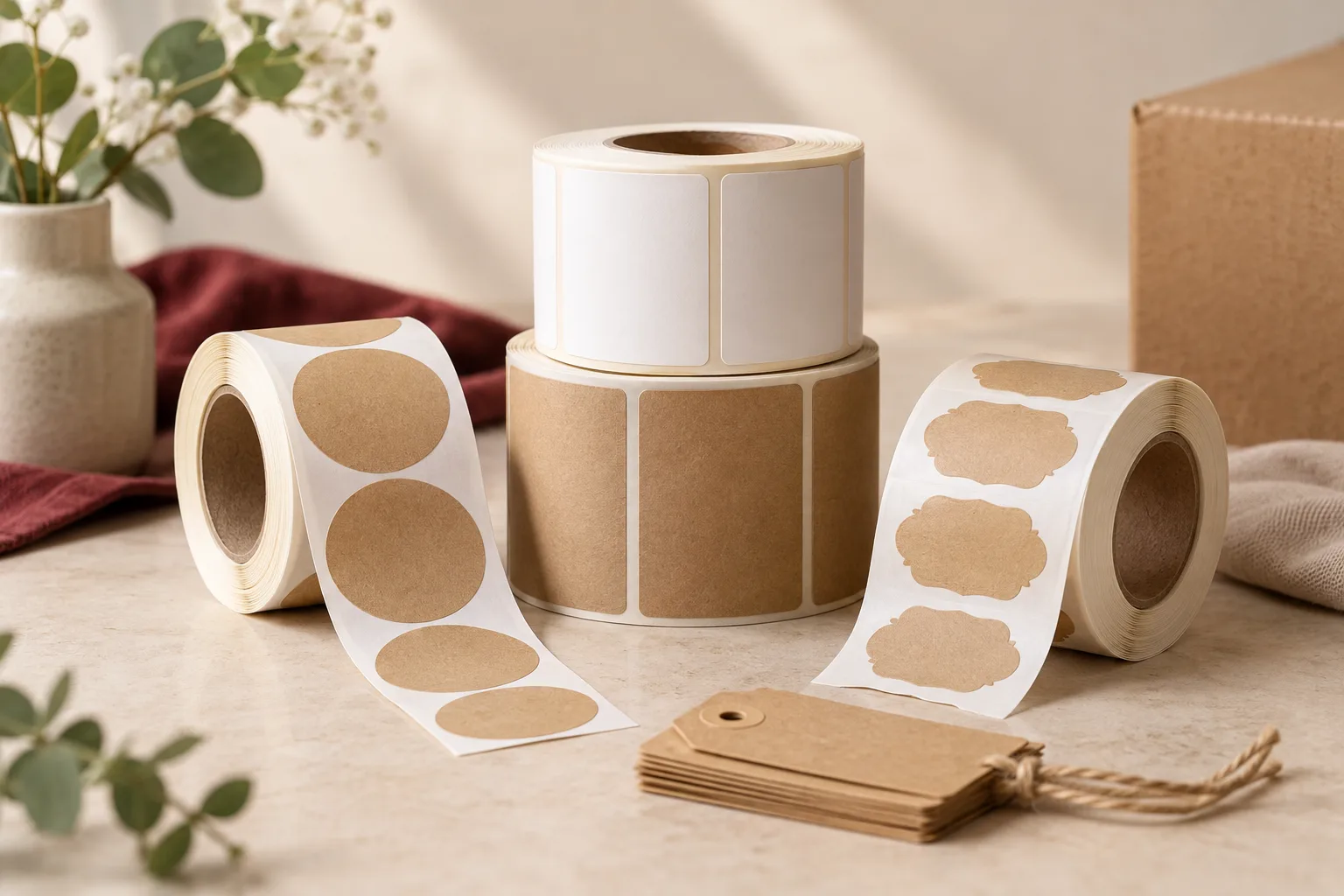
What lead generation means
Lead generation is the combined work of every channel that brings in a new enquiry, whether from search, adverts, referrals or a stall at an exhibition. GullySales runs these channels together and reports the number of enquiries each one produced, not the activity behind it.
Also for label manufacturers
- CRM for label manufacturers
- Follow-up systems for label manufacturers
- SEO for label manufacturers
- Social media marketing for label manufacturers
- Content marketing for label manufacturers
- Buyer personas for label manufacturers
- WhatsApp marketing for label manufacturers
- Digital marketing for label manufacturers
Sales and marketing for label manufacturers, the overview.
Plan the next part of the work
Last updated 21 Nov 2026.
For label manufacturers
Where it usually goes wrong, and what we would do.
“A bottle, a carton and a parcel send three different buyers”
The bottler's packaging head, the pharma unit's purchase and quality teams and the warehouse manager each want a different label for a different reason. One generic pitch reaches none of them. The list has to be built by label type before a single call is made.
“Brand owners ask for a price and disappear”
The first message is a size and a quantity, and the quote goes out as a number. Without a question about the surface, the machine and the finish, the printer is compared on rate alone and loses to the cheapest sheet.
“Startups and D2C brands appear with a launch date”
A new brand needs a short run, a proof and a partner who explains materials. These enquiries arrive through search and referrals, then go cold when nobody answers the artwork question. The printer who responds with clear steps gets the first order.
“Established accounts hold the next job”
A brand already printing labels with you may add a new pack, a new size or a second product. Nobody asks. Lead generation includes listening for the next label inside the account you already serve.
What we do
What we deliver for label manufacturers.
The work available for this need. We agree the deliverables and responsibilities for your engagement in writing.
A target list by label type
Food and beverage brands, pharma units, cosmetic firms, chemical makers, warehouses and garment houses in your region, each with the role to approach.
Result: Every name on the list carries a label type and a role, not a bare company name.
A sample-led first approach
A small set of printed labels on the materials you stock, offered with a short note on the surface each one suits.
Result: A buyer receives something to hold, with your material notes beside it.
A surface-first enquiry form
Questions on what the label sticks to, the temperature, moisture, the applicator machine and the finish, placed on the website and used on calls.
Result: Each enquiry arrives with the facts needed to quote the right material.
An enquiry register
One sheet showing source, label type, artwork status, quote and outcome for every lead, kept by the person who answers the phone.
Result: You can see which source brought which job and which leads stalled.
A second-pack conversation for current accounts
A prompt to ask each active brand about the next pack, size or variant coming from their side.
Result: The account list shows a next-pack question asked, with the answer beside it.
How the result is measured
- Relevant enquiries by source
- Duplicate and unsuitable enquiries
- Time to the first response
- Accepted enquiries reaching an agreed next step
Recorded as a baseline before work starts, so every later report has an honest comparison.
What to capture or send
Capture these on every label enquiry, and send a sample set back.
- Surface the label goes on
- Glass bottle, HDPE jar, carton or corrugated box. The surface decides the adhesive and face material, so ask it before any price is mentioned.
- Product and storage conditions
- Oil, chilled, frozen, wet or hot-fill. A label that peels in a cold room is a reprint, so record the condition on the enquiry.
- Label size and quantity per run
- Width, height and rolls per job. Short runs from a startup and long runs from a packer are priced and scheduled differently.
- Artwork status
- Print-ready file, a design in progress or only a sample label. The answer shows how many proof rounds to expect before the press can run.
- Launch or reorder date
- A product launch date is firm and shapes the schedule. Note who set it, because that person will chase the proof.
- Sample set sent
- Which materials and finishes went to which buyer, so the call after the courier arrives can talk about a label they are holding.
Who it is for
This is written for these label manufacturers.
- Self-adhesive label printers for FMCG and food brands
- Pharma and healthcare label printers
- Barcode and thermal transfer label manufacturers
- Shrink sleeve and wrap-around label printers
- Labels for industrial products, machinery and chemicals
- Cosmetic and personal care label printers
- Digital label printers for short runs and startups
- Woven and garment label suppliers
Before you decide
When this may not be the right fit.
- The press is booked beyond what new buyers could wait for, so more enquiries would only produce quotations you cannot schedule.
- You have no sample set to send, so a buyer asking to see the finish would be answered with a photograph of a machine.
Before you decide
Agree the work. Know how to judge it.
Lead generation for label manufacturers: use these checks to prepare, choose the scope, and review what changes.
Bring the right evidence
Define the organisations or buyers you can serve and the reasons they would consider a conversation. Bring examples of accepted and rejected prospects so the selection rule is visible.
Make the scope clear
Agree the research sources, contact approach, qualification rules, and handover. Clarify which meetings count as accepted and what happens to replies that are not ready to buy.
Check the work in use
Review why a prospect was selected and what was learned from the response. Count held, relevant conversations separately from contacts found, messages sent, or meetings booked.
Know when to change course
If the same objection appears repeatedly, adjust the offer or buyer group before increasing outreach. Respect a request to stop contact and keep the exclusion in the record.
These are discussion points, not a fixed package. GullySales confirms the deliverables, responsibilities, fee, and term in writing after reading your brief and speaking with you.
Before we start
What to have ready before the work starts.
The records, access and decisions this work needs from label manufacturers. Anything missing is noted in the written scope, with who will supply it.
- Job files for the last two seasons
- We need the job sheets or invoices showing what was printed, for whom and on which material. They need not be tidy, only readable. They tell us which label types already pay for themselves. Without them the target list rests on guesses about your own business, and the plan would start from the wrong buyers.
- A decision on label types you refuse
- Only you can say which jobs you will not take: very short runs, a material you do not stock, a press that is already full. We write this down before outreach starts. If it is missing, the approach attracts enquiries your team has to decline, and each decline costs a buyer's goodwill.
- Printed samples you are proud of
- Bring a clean set of finished labels across the surfaces you want more of, with the roll or sheet form intact. Photographs of sample pieces cannot show finish or adhesion, so physical samples are the first approach. Where only old, faded pieces exist, we ask you to run a fresh few before sending anything.
- One person who answers new enquiries
- A named person must read the register and reply on the same working day. That person needs the authority to ask the surface and machine questions and to say when a job is out of range. Where nobody is named, the form still collects enquiries, but they wait, and a launch-date buyer moves on.
How it works
How the lead generation work runs
The work itself, in order. How an engagement starts, from your brief to a written scope, is set out on our method page.
- 1
Pull your last jobs by label type
We start from your job files for the past two seasons and sort them by what was labelled: bottles, cartons, jars, parcels. You tell us which of those jobs you would happily print again and which only filled a gap. That sorting decides which buyers we look for first and which we leave alone, and it leaves you with a one-page list of the label types worth chasing.
- 2
Build the target list from the surface
For each label type we name the kind of business that buys it, the designation who raises the requirement, and where such firms gather: trade directories, industrial estates, packaging fairs. You strike out any name you already deal with or would not serve. The list that remains is short on purpose, with one named buyer role against every row.
- 3
Pack a sample set for the first approach
We choose which printed samples travel with the first message, matched to the label type the buyer handles. A set for a chilled-bottle buyer differs from a set for a courier firm. You approve each sample, because it carries your quality into someone else's office, and we write the short note that explains what each piece shows.
- 4
Test the surface-first enquiry form
Before any outreach goes out, we submit enquiries through the form ourselves, from a phone and a laptop, and watch where each one lands in your register. A dummy enquiry about a fridge bottle must reach the person who can answer it. You confirm who replies and what they ask first, so the form is proved on your own desk.
- 5
Read the register against the opening count
At the start we record how many enquiries reached you, from which source, and how many became jobs. After the outreach has run, we read the register against that count by label type: who replied, who asked for a sample, who ordered, who vanished. You decide which label types deserve more effort and which target rows to drop.
Where this fits
Three pieces of sales work, in this order.
This work sits inside sales process design, at stage 1, prospecting and lead generation. The audit comes before it, and sales management keeps it running.
Step 1
Sales audit
Find where deals are being lost and what to fix first.
Start here if you cannot say where orders are lost.
Step 2 · you are here
Sales process design
One written way to sell, from first enquiry to repeat order.
Start here if every salesperson sells differently.
Step 3
Sales management
A target, a review routine and someone who owns the number.
Start here if the team has targets and no routine.
FAQ
Questions owners ask before they call.
Not here? More answers, or ask on WhatsApp.
Which label buyers should we go after first?
Does lead generation work for labels, or only for large brand names?
How do we avoid leads that only want the lowest rate?
Should we chase startups or established brands first?
Who writes to the prospects, GullySales or our own sales person?
What if we already buy a list from a directory?
How much does it cost?
How long is the contract?
How soon will we see results?
Who will actually do the work?
More for label manufacturers
Related work to consider.
Closest to this: leads and follow-up
Also for label manufacturers
Or start from the overview: sales and marketing for label manufacturers.
Your next practical step
Tell us what you are trying to grow, and we will read it before we call.
Eight short steps, mostly taps. Skip anything you would rather answer on the call.