Spices manufacturers · CRM
Keep every shop, wholesaler and caterer in one record your team trusts.
A CRM for a spice maker is one shared record of each shop, wholesaler, caterer and private label prospect, with their orders, samples and calls. GullySales sets up the fields, the stages and the habits so that your team uses it, whether it is a spreadsheet or a proper tool.
Scope, fee, reporting and term are agreed in writing after we have read your brief and spoken to you.
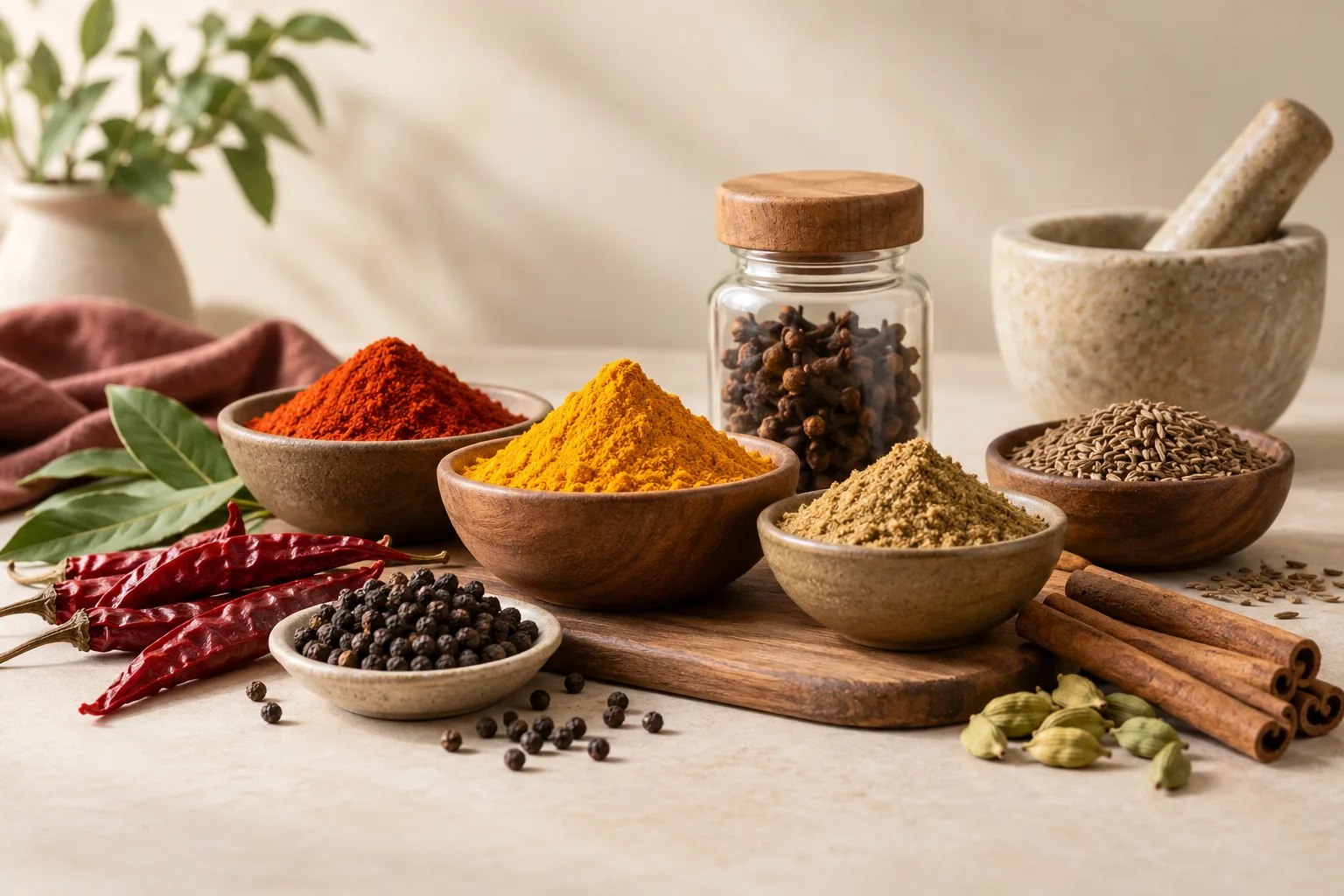
What CRM means
A CRM is the record where every enquiry, call and quote is kept against a customer, replacing separate notebooks, spreadsheets and memory. GullySales sets up or cleans an existing CRM and reports from it by enquiry outcome rather than by activity logged.
Also for spices manufacturers
- Lead generation for spice manufacturers
- Follow-up systems for spice manufacturers
- SEO for spice manufacturers
- Social media marketing for spice manufacturers
- Content marketing for spice manufacturers
- Buyer personas for spice manufacturers
- WhatsApp marketing for spice manufacturers
- Digital marketing for spice manufacturers
Sales and marketing for spices manufacturers, the overview.
Last updated 18 Oct 2026.
For spices manufacturers
Where it usually goes wrong, and what we would do.
“The reorder gap is the number that matters”
A shop that bought a carton long ago and has not bought since is a silent loss. Without the date of the last order beside the shop name, nobody knows to visit. The record should show the gap, sorted so the longest sit at the top.
“Salesmen carry the customer in their heads”
When a field executive leaves, the shopkeepers they knew leave with them. A record of shop, owner name, pack mix and last conversation lets the next person start with some knowledge instead of from zero.
“Samples need a trail”
A sample sent to a cook is an expense that earns nothing unless it is followed. The record should name who received it, which dish, what the cook said and when the next call is due.
What we do
What we deliver for spices manufacturers.
The work available for this need. We agree the deliverables and responsibilities for your engagement in writing.
Field design
A list of fields for shops, wholesalers, caterers and private label buyers, kept short enough for a salesman to fill on a phone.
Result: A record that a field team will actually fill.
Stages that match the trade
Stages such as enquiry, sample sent, tasted, first order and reordering, defined with you.
Result: Every account sits at a stage your team agrees on.
Import of existing records
Order books, phone contacts and spreadsheets cleaned and loaded into one place.
Result: One list of accounts replaces the scattered ones.
Reorder and visit lists
A view that sorts accounts by days since last order and shows pack mix.
Result: A visit list ready before the salesman leaves.
Team routine
A short guide for who updates what and when, with a check of the records by the sales head.
Result: Everyone knows what to record after each visit.
Tool recommendation
A comparison of a spreadsheet and the CRM tools in ordinary use in India against your team's size and habits.
Result: A choice made on your needs and not on a vendor's pitch.
How the result is measured
- Enquiries logged in the CRM
- Data completeness
- Reports generated from CRM data
Recorded as a baseline before work starts, so every later report has an honest comparison.
Fields worth keeping
These fields belong in the spice maker's record.
- Last order date and pack
- Filled by whoever books the order. It shows the shops that have gone quiet, which is the loss you cannot otherwise see.
- Owner or head cook's name
- The salesman records the person who decides, not only the shop. When the salesman leaves, the next visit starts with a name.
- Sample lot and reply
- The lot number sent and what the cook said about colour or heat. It ties feedback to the batch and shows which lot to check.
- District and distributor
- Which wholesaler fills this shop. It lets you see which district is growing and which distributor drops brands.
- Preferred language and pack size
- The language to speak and the pack the customer buys. It lets a call or message match the buyer from the first line.
Who it is for
This is written for these spices manufacturers.
- Chilli, turmeric and coriander powder brands
- Regional masala makers for sambar, rasam and curry powders
- Whole spice cleaners and graders for bulk buyers
- Ready-mix masala and spice blend brands
- Private label and contract spice packers
- Spice makers supplying caterers and mess kitchens
- Organic and single-origin spice brands
- Spice exporters and traders who also pack under their own label
Not for
It is not the right fit if.
- Your salesmen carry their lists in notebooks and will not share them, so a record would be empty on the first day.
- You have fewer than a handful of active accounts, and a notebook still holds everything that matters.
Before you decide
Agree the work. Know how to judge it.
CRM for spice manufacturers: use these checks to prepare, choose the scope, and review what changes.
Bring the right evidence
List the records your team uses and show how an enquiry becomes an order today. Bring examples of duplicate entries, missing owners, and reports that require manual correction.
Make the scope clear
Agree the stages, required fields, access roles, and integrations before configuring the system. Separate software subscriptions from setup, data work, and training.
Check the work in use
Ask the people who will use the CRM to complete a real handover and find the next action without help. Check that the management report can be traced back to individual records.
Know when to change course
If the process is unclear, buying a more complex CRM adds more places for confusion. Start with the minimum fields and rules the team can use consistently.
These are discussion points, not a fixed package. GullySales confirms the deliverables, responsibilities, fee, and term in writing after reading your brief and speaking with you.
How it works
How the CRM work runs
The work itself, in order. How an engagement starts, from your brief to a written scope, is set out on our method page.
- 1
Sales journey agreement
Your sales lead explains how an enquiry becomes an order, using open deals as examples. We agree which steps belong in the CRM and identify decisions needing your approval.
- 2
Configuration approval
You approve stage definitions, required fields, ownership rules, and access. Unresolved choices are settled before configuration starts.
- 3
Test environment decision
We confirm whether your plan provides a trial copy or separate pipeline. Where neither is available, changes to the live system need an agreed approach before work proceeds.
- 4
Connection and rule checks
Enquiry connections are checked before automations are activated separately. Your nominated owner verifies where records arrive and which person receives each task.
- 5
Sales team acceptance
The people handling enquiries test open deals from entry through closure. Required corrections are resolved before you approve the switch.
- 6
Switch and ownership handover
The agreed configuration goes into use, and your CRM owner receives the final record. Any post-switch corrections included in the scope are documented before handover closes.
Where this fits
Three pieces of sales work, in this order.
This work sits inside sales management. A target, a review routine and someone who owns the number.
Step 1
Sales audit
Find where deals are being lost and what to fix first.
Start here if you cannot say where orders are lost.
Step 2
Sales process design
One written way to sell, from first enquiry to repeat order.
Start here if every salesperson sells differently.
Step 3 · you are here
Sales management
A target, a review routine and someone who owns the number.
Start here if the team has targets and no routine.
FAQ
Questions owners ask before they call.
Not here? More answers, or ask on WhatsApp.
Do we need paid software to start?
How do we get salesmen to update it?
Can the CRM show which district is growing?
What does a spice maker do with the record of a lost shop?
How much does it cost?
How long is the contract?
How soon will we see results?
Who will actually do the work?
What do you need from us?
What if we are not happy with the work?
More for spices manufacturers
Related work to consider.
Closest to this: leads and follow-up
Also for spices manufacturers
Or start from the overview: sales and marketing for spices manufacturers.
Your next practical step
Tell us what you are trying to grow, and we will read it before we call.
Eight short steps, mostly taps. Skip anything you would rather answer on the call.