Ethnic wear stores · Route to market and distribution strategy
Check the fit before choosing route to market and distribution strategy.
This work requires a defined commercial partner role. The industry profile does not establish a dealer, distributor, reseller, or franchise operation. Confirm who the partner serves and what responsibilities they would hold before selecting a channel programme.
Scope, fee, reporting and term are agreed in writing after we have read your brief and spoken to you.
Specialist scope
Confirm the operating model before applying this service to ethnic wear stores.
This work requires a defined commercial partner role. The industry profile does not establish a dealer, distributor, reseller, or franchise operation. Confirm who the partner serves and what responsibilities they would hold before selecting a channel programme.
Your team approves the scope and any commitments to buyers. GullySales does not assume authority over pricing, staffing, or delivery promises unless a specific responsibility is agreed in writing.
Consider the underlying work instead.
The context for Ethnic wear stores
Start with the decisions in your own enquiry records.
Establish whether partners introduce, resell, distribute, or deliver. Check the responsibilities and records needed for that role before discussing recruitment or incentives.
How people choose in this industry
Buyers start on Instagram and Pinterest, looking for a colour or a cut, then visit stores to see the fabric and try the fit. They notice the quality of the embroidery, whether the store has outfits for the whole family, and how long alterations take. A store with only a mirror and no trial room loses buyers who want to try the fit.
The occasion fixes the budget. For a wedding, families spend more and shop in groups; for Navratri, Eid or Pongal, one outfit is bought quickly. Families compare two stores on a Saturday and weigh the size on the rack against a firm date for alterations.
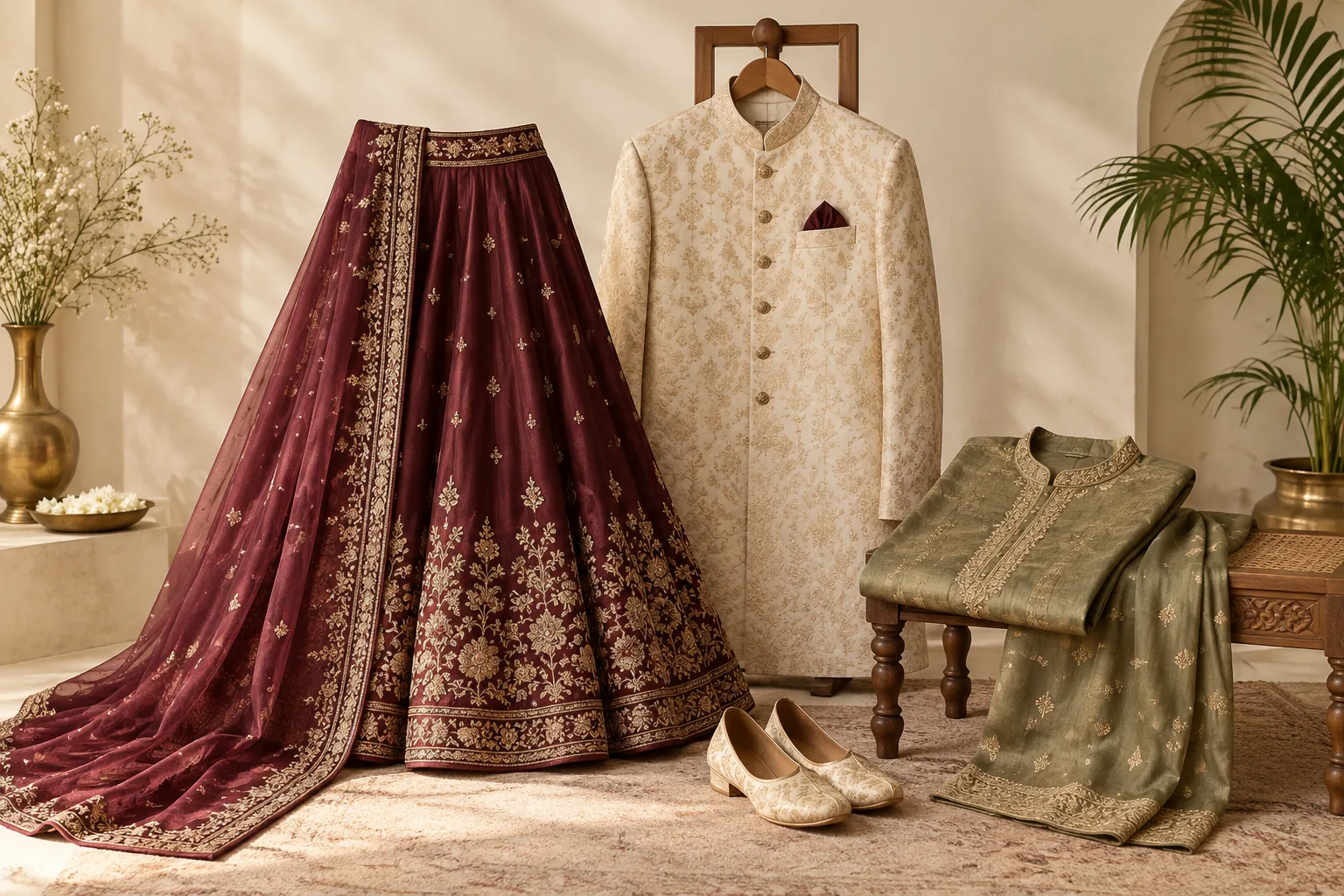
Men's ethnic wear is bought differently. A groom or a groomsman comes in with the mother, picks a sherwani or a kurta set and wants the alteration done fast. Matching a group, such as ten cousins in the same colour, needs one store to stock the lot.
The decision before implementation
A direct-only business may not need a partner programme. Agree the channel role and conflict boundaries first.
Existing industry priorities to review
- A function-date log for every enquiry
- An alteration booking and delivery tracker
- A WhatsApp catalogue by occasion
- Family and group order handling
- A Google profile that says kurta sets, lehengas and sherwanis
These describe the industry's wider priorities. The written scope identifies which this service will address.
Why the scope is different
Use a service whose responsibilities match your operation.
The specialist programme has its own team, records, and approval requirements. Its name does not establish that the same engagement applies in another industry.
- Manufacturers entering a new state and deciding where stock should sit
- Industrial suppliers whose distant dealers depend on one overloaded distributor
- Brands questioning the cost of a super-stockist or carrying and forwarding (C&F) agent
- Owners adding modern trade or e-commerce alongside traditional distribution
- Sales heads facing overlapping appointments in some towns and empty districts elsewhere
FAQ
Questions owners ask before they call.
Not here? More answers, or ask on WhatsApp.
How is route to market and distribution strategy scoped for ethnic wear stores?
What should we confirm before considering this service?
What if this programme does not fit our operation?
Continue your review
Compare the service scope and the related work.
The scope, responsibilities, fee, reporting frequency, and term are agreed in writing after the requirements brief and conversation. Tell us what you need.
Your brief
Tell us what you need, and we will read it before we call.
Eight short steps about your business, what you want and who decides. Most questions are a tap, and you can skip any you would rather answer on the call.