Health food stores · Lead generation
Find the people who have just been told to change what they eat.
Lead generation for a health food store means reaching the person holding a new diet sheet before that person has picked a shop. GullySales works on the enquiry routes, the first reply and the record of where each customer came from.
Scope, fee, reporting and term are agreed in writing after we have read your brief and spoken to you.
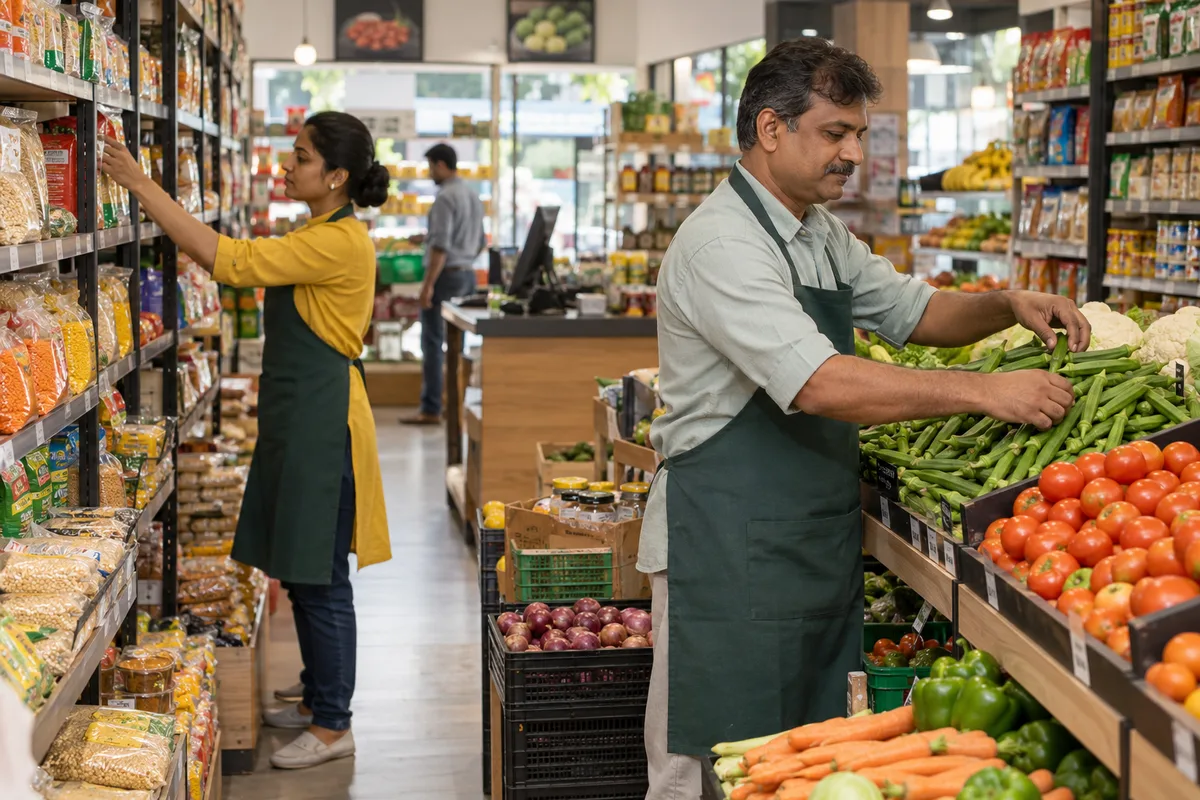
What lead generation means
Lead generation is the combined work of every channel that brings in a new enquiry, whether from search, adverts, referrals or a stall at an exhibition. GullySales runs these channels together and reports the number of enquiries each one produced, not the activity behind it.
Plan the next part of the work
Last updated 21 Nov 2026.
For health food stores
Where it usually goes wrong, and what we would do.
“The diet sheet is the trigger”
A new customer rarely arrives out of curiosity. A doctor, a dietitian or a gym trainer has handed over a list, and the customer picks the shop that looks like it understands the list. Leads come from being findable at that moment.
“Walk-ins leave without leaving a number”
A customer who buys a packet of ragi flour and walks out is a lead you never recorded. Without a name and a WhatsApp number at the counter, there is nobody to remind when the packet runs out.
“Price comparison happens at the shelf”
The customer holds a product, checks a marketplace on the phone and decides in the aisle. A shop that offers guidance, a basket suggestion and a refill reminder gives a reason beyond the price printed on the label.
“Enquiries arrive by call, message and map tap”
One shop gets the same question on a phone call, on Instagram and on the map listing. If each lands in a different place, the owner answers some and forgets others, and never sees which route works.
What we do
What we deliver for health food stores.
The work available for this need. We agree the deliverables and responsibilities for your engagement in writing.
One enquiry list
Calls, WhatsApp messages, map taps and walk-in sign-ups written into a single sheet with the source beside each name.
Result: You can see which route brought each customer.
A counter sign-up habit
A short, polite ask at billing for a name and a number, with consent to message about refills, and a script for the staff.
Result: Walk-ins become names you can reach.
Diet-sheet landing pages
Plain pages for the diets customers arrive with, such as millet-based, sugar-free or gluten-free eating, each ending in a way to message the shop.
Result: A search for a diet reaches a page that explains your range.
Referral note for dietitians and gyms
A one-page note on what the shop stocks, with a tracking line so each introduction is recorded. No fee, commission or gift is offered.
Result: You know which professional sent which customer.
How the result is measured
- Relevant enquiries by source
- Duplicate and unsuitable enquiries
- Time to the first response
- Accepted enquiries reaching an agreed next step
Recorded as a baseline before work starts, so every later report has an honest comparison.
What to capture or send
What to write down when a customer walks in with a diet sheet.
A health food store meets people at a personal moment. Record little, record it with permission, and use it to help the second visit.
- Name and WhatsApp number at billing
- Asked politely while the packet is being weighed, with a yes to refill messages noted. Without it the buyer of one ragi flour packet stays out of reach.
- Who sent the customer
- Doctor, dietitian, trainer, friend or a map search, in the customer's words. Written beside the name, it shows whose advice fills your shelves.
- Language the customer prefers
- Kannada, Tamil, Hindi or English, so the first message reads naturally and the right staff member replies.
- First basket, item by item
- Entered from the bill, so the follow-up can ask how the foxtail millet cooked instead of sending a vague greeting.
- Reply to a photographed diet sheet
- A message that thanks the customer, asks which items need explaining and says the sheet is used only to suggest products and is not forwarded.
- Walk-in who declined to give a number
- Tally it without a name. A rising count tells the owner the ask at the counter needs a better script.
Who it is for
This is written for these health food stores.
- Millet, grains and flour stores
- Organic and natural food shops with a health focus
- Sports nutrition and protein food stores
- Sugar-free, gluten-free and low-oil food stores
- Ayurvedic and herbal food shops
- Stores inside or attached to gyms, yoga studios and clinics
- Diet-plan food and healthy snack counters
- Multi-store health food chains in one city
Before you decide
When this may not be the right fit.
- You have no one at the counter who can explain a millet or read a diet sheet, so more enquiries would meet a blank answer.
- Nobody will keep the enquiry sheet current, and a list that is never opened gives nothing to message later.
- Your range is the same packs the supermarket sells cheaper, and you have not yet decided what reason you give a customer beyond price.
Before you decide
Agree the work. Know how to judge it.
Lead generation for health food stores: use these checks to prepare, choose the scope, and review what changes.
Bring the right evidence
Define the organisations or buyers you can serve and the reasons they would consider a conversation. Bring examples of accepted and rejected prospects so the selection rule is visible.
Make the scope clear
Agree the research sources, contact approach, qualification rules, and handover. Clarify which meetings count as accepted and what happens to replies that are not ready to buy.
Check the work in use
Review why a prospect was selected and what was learned from the response. Count held, relevant conversations separately from contacts found, messages sent, or meetings booked.
Know when to change course
If the same objection appears repeatedly, adjust the offer or buyer group before increasing outreach. Respect a request to stop contact and keep the exclusion in the record.
These are discussion points, not a fixed package. GullySales confirms the deliverables, responsibilities, fee, and term in writing after reading your brief and speaking with you.
Before we start
What to have ready before the work starts.
The records, access and decisions this work needs from health food stores. Anything missing is noted in the written scope, with who will supply it.
- Permission to read sample diet sheets
- Seeing the sheets customers carry shows what they ask for first. Have staff ask customers whether a sheet may be glanced at, or note the products only. If this is not possible, we rely on staff memory of common requests, and the landing pages stay general instead of matching real needs.
- The billing system's customer export
- We need the names and numbers the shop already holds, with purchase dates if the software records them. A spreadsheet export is enough. If the billing tool stores nothing, the enquiry list starts empty and grows only from the counter habit, so the first repeat pattern appears later.
- A dietitian or nutritionist willing to read pages
- Landing pages about diets should be read by a qualified person before they go live. Name one you trust and arrange for them to be reachable. Without a reviewer we keep the pages to stock lists and store details, and leave out any explanation of how a food fits a diet.
- Names of gyms and clinics near the shop
- The referral note works only with nearby trainers, dietitians and clinics that you already know or would be happy to meet. List five or six and say who you have spoken to. If the list is blank, the note waits, since cold introductions to professionals rarely get a reply.
How it works
How the lead generation work runs
The work itself, in order. How an engagement starts, from your brief to a written scope, is set out on our method page.
- 1
Collect the diet sheets customers bring in
We start at your counter, with the printed diet sheets, doctor's notes and dietitian lists that customers carry in. With your permission we note which products appear again and again, without copying any customer's details. You tell us which products the staff are asked about again and again. Those items decide which enquiries are worth catching first and what the shop should be ready to answer.
- 2
Count how enquiries reach the shop today
For a stretch of normal trading, the staff mark each enquiry as a walk-in, a call, a message or a tap on the map, and whether a number was taken. You see the split yourself, and so do we. The result is one honest picture of where enquiries arrive, which the single enquiry list is built to hold.
- 3
Agree the counter sign-up habit with the billing staff
We sit with the person at the billing counter and decide the one question that is asked, the one way of writing the answer and the line said when a customer declines. You decide whether a small benefit goes with it. We rehearse it on real customers so the habit takes a few seconds and never delays the queue.
- 4
Write the diet-sheet landing pages with a dietitian's review
Each landing page speaks to one situation, such as a millet switch or a sugar-free kitchen, and lists what the shop stocks without claiming what a food will do for a condition. A dietitian you name reads each page. You decide the final wording, and nothing goes live that you would not say across the counter.
- 5
Compare enquiries and sign-ups with the first record
Once the list, the counter habit and the pages have been in use, we count enquiries, sign-ups and repeat visits against the figures recorded before the work started. You see which route brought customers who came back and which brought only questions, and the referral note for dietitians and gyms is revised from that.
Where this fits
Three pieces of sales work, in this order.
This work sits inside sales process design, at stage 1, prospecting and lead generation. The audit comes before it, and sales management keeps it running.
Step 1
Sales audit
Find where deals are being lost and what to fix first.
Start here if you cannot say where orders are lost.
Step 2 · you are here
Sales process design
One written way to sell, from first enquiry to repeat order.
Start here if every salesperson sells differently.
Step 3
Sales management
A target, a review routine and someone who owns the number.
Start here if the team has targets and no routine.
FAQ
Questions owners ask before they call.
Not here? More answers, or ask on WhatsApp.
Where do health food store leads come from?
Can we run ads for a health food store?
Can we ask doctors and dietitians to send customers to us?
What do we say when a customer asks if a food will help their condition?
Can staff note a customer's health condition on the enquiry list?
What if a customer asks us to recommend a food for their condition?
How much does it cost?
How long is the contract?
How soon will we see results?
Who will actually do the work?
More for health food stores
Related work to consider.
Closest to this: leads and follow-up
Also for health food stores
Or start from the overview: sales and marketing for health food stores.
Your next practical step
Tell us what you are trying to grow, and we will read it before we call.
Eight short steps, mostly taps. Skip anything you would rather answer on the call.