Men's clothing stores · Lead generation
A men's wear shop needs names behind the enquiries, not only footfall on the street.
Lead generation for a men's clothing store means collecting the name, size and occasion of every buyer who asks, browses or calls, so the shop can reach them again. GullySales works on where those enquiries come from, how each one is recorded and who in the shop picks it up.
Scope, fee, reporting and term are agreed in writing after we have read your brief and spoken to you.
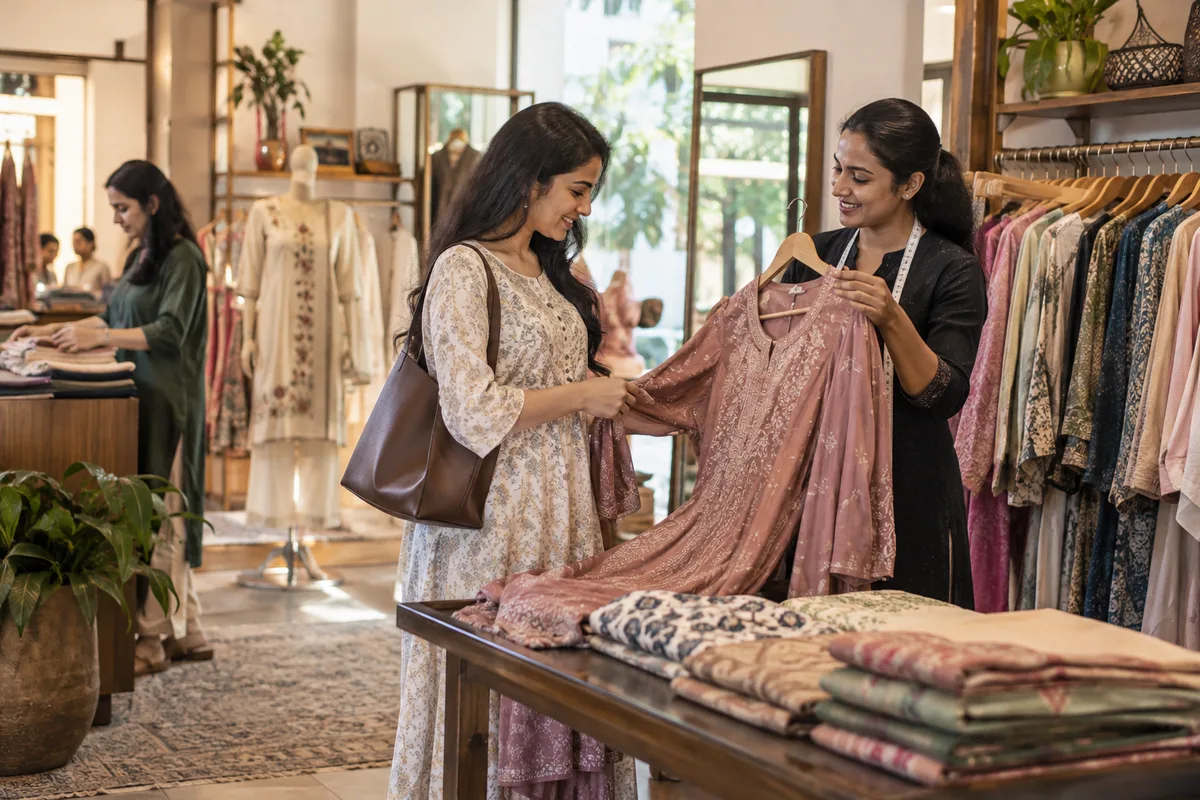
What lead generation means
Lead generation is the combined work of every channel that brings in a new enquiry, whether from search, adverts, referrals or a stall at an exhibition. GullySales runs these channels together and reports the number of enquiries each one produced, not the activity behind it.
Also for men's clothing stores
- CRM for men's clothing stores
- Follow-up systems for men's clothing stores
- SEO for men's clothing stores
- Local SEO for men's clothing stores
- Social media marketing for men's clothing stores
- Content marketing for men's clothing stores
- Buyer personas for men's clothing stores
- WhatsApp marketing for men's clothing stores
Sales and marketing for men's clothing stores, the overview.
Plan the next part of the work
Last updated 21 Nov 2026.
For men's clothing stores
Where it usually goes wrong, and what we would do.
“The walk-out is the biggest leak”
A man tries a shirt, the size is missing and the shop never learns who the buyer was. The enquiry existed for ten minutes and left no trace. A name and a phone number taken at that moment turn a lost sale into a call when stock arrives.
“Wedding wear enquiries carry a date, and the date is the lead”
A groom's family asking about a sherwani or a suit has a function in the diary. The shop that notes the date, the number of outfits and who is paying can call at the right moment. The shop that says come in anytime waits for luck.
“Women buy for men and are rarely asked their name”
Wives and mothers choose shirts, festival kurtas and gifts. They are a lead source in their own right, and they respond to a message that mentions the size and colour they picked last time, not to a general offer.
“Corporate buyers ask once and compare quotes”
An HR manager wanting uniforms or festival gift shirts sends the same request to several suppliers. The one who replies first with a clear quote format and a sample offer is the one remembered when the decision is made.
What we do
What we deliver for men's clothing stores.
The work available for this need. We agree the deliverables and responsibilities for your engagement in writing.
A counter capture sheet
One page at billing and at the trial room: name, phone, size, brand liked and the next occasion. Built so staff fill it in without slowing the queue.
Result: Every enquiry that leaves without buying still has a name beside it.
A wedding enquiry log
Date of function, outfits wanted, budget range the family mentioned and who visited. Each row carries the next call date.
Result: You can list the weddings coming up and who has been called.
A corporate quote format
A standard reply for uniform and bulk enquiries, with fabric options, sample offer and a place to record the decision.
Result: Every business quote is on one list with a status.
Listing and ad routes into the shop
Google Business Profile, a click-to-call and WhatsApp button, and small local ads aimed at the streets around the shop.
Result: Calls and direction taps appear on the listing against your starting figures.
Source tagging
A simple code on each enquiry showing whether it came from Maps, WhatsApp, an ad, a walk-in or a referral.
Result: You see which route brought the buyers who paid.
How the result is measured
- Relevant enquiries by source
- Duplicate and unsuitable enquiries
- Time to the first response
- Accepted enquiries reaching an agreed next step
Recorded as a baseline before work starts, so every later report has an honest comparison.
What to capture or send
Capture these from every walk-in and message, and send this back.
- Item and occasion
- Office shirts, a wedding suit, college jeans. The occasion sets the budget and the date by which the buyer needs the clothes.
- Size and fit notes
- Collar, waist and preferred fit. Recorded once, they let the next visit start from the right rack instead of from nothing.
- Brand or fabric asked for
- The brand the buyer wanted or avoided, and linen or cotton. It tells staff what to bring out first.
- Who is buying and who will wear
- The wearer, or a spouse or parent buying for them. The buyer may not be the wearer, so ask who will collect and try.
- Date they need it by
- A wedding date or a joining date. Record it so you call before the date, not after it has passed.
- The reply you send back
- Name the item, say which sizes are on the shelf, add a photograph and the shop hours, so the buyer can plan one trip.
Who it is for
This is written for these men's clothing stores.
- Formal shirt and trouser shops near offices and business districts
- Multi-brand men's wear showrooms in district markets
- Suit, blazer and wedding wear shops for grooms
- Jeans and casual wear stores near colleges
- Big-and-tall and plus-size men's wear shops
- Franchise outlets of a single men's brand
- Shirting and trouser cloth shops with in-house stitching
- Corporate uniform and bulk shirt suppliers
Before you decide
When this may not be the right fit.
- Your counter staff are busy with walk-ins all day, so no one can note a number at the first contact.
- You do not stock the sizes buyers ask for, so more leads would meet empty shelves.
- You have no way to note a phone number from a walk-in, so leads from the shop floor would be lost.
Before you decide
Agree the work. Know how to judge it.
Lead generation for men's clothing stores: use these checks to prepare, choose the scope, and review what changes.
Bring the right evidence
Define the organisations or buyers you can serve and the reasons they would consider a conversation. Bring examples of accepted and rejected prospects so the selection rule is visible.
Make the scope clear
Agree the research sources, contact approach, qualification rules, and handover. Clarify which meetings count as accepted and what happens to replies that are not ready to buy.
Check the work in use
Review why a prospect was selected and what was learned from the response. Count held, relevant conversations separately from contacts found, messages sent, or meetings booked.
Know when to change course
If the same objection appears repeatedly, adjust the offer or buyer group before increasing outreach. Respect a request to stop contact and keep the exclusion in the record.
These are discussion points, not a fixed package. GullySales confirms the deliverables, responsibilities, fee, and term in writing after reading your brief and speaking with you.
Before we start
What to have ready before the work starts.
The records, access and decisions this work needs from men's clothing stores. Anything missing is noted in the written scope, with who will supply it.
- A count of walk-ins on two typical days
- Ask the counter staff to tally how many people enter on one weekday and one weekend day, and how many bill. A rough count in a notebook is enough. Without it, we cannot size the walk-out problem, and the first sheets are judged by feel.
- Your last wedding season's enquiry notes
- Bring whatever records exist of groom's families who asked about suits or sherwanis: a diary, a message thread or bills with advances. They show the date and the lead time that matter. If nothing was kept, we begin the log fresh and the comparison comes later.
- The names of salespeople who will fill it
- The sheet works only if the people at the counter use it. Name them and tell us who is quick with a phone and who prefers paper. Without their agreement, the capture sheet becomes the owner's task, and it is skipped on busy days.
- A decision on how the shop uses numbers
- Decide whether the shop will message the people it records, and what a buyer is told when their number is taken. Bring the person who decides. Without that, we record names and sizes only and leave out any plan to write to them.
How it works
How the lead generation work runs
The work itself, in order. How an engagement starts, from your brief to a written scope, is set out on our method page.
- 1
Stand at the billing counter for an afternoon
We watch how buyers reach the counter: who browses and leaves, who asks for a size, who comes with a wife or a mother, and what the salesperson writes down. You tell us which of those people the shop never hears from again. By the end we have a plain tally of walk-outs and the names that were never taken.
- 2
Design the counter capture sheet with the staff
We draft a small sheet or phone form that records a name, number, size, brand and the occasion, and test it with the salespeople who must fill it. You decide what a buyer may be asked without feeling questioned. The sheet stays short enough to complete while a customer waits for the trial room.
- 3
Open a log for wedding and bulk enquiries
Wedding wear and uniform orders carry a date and a quantity, so they need their own log with the function date, the party size, the items and the person who is deciding. You name who in the shop owns each log. We also write the quote format a company buyer receives, with sizes, colours and fabric stated plainly.
- 4
Send a test enquiry through every route
We call the shop number, send a message from the listing, fill the website form and walk in as a stranger, and check that each one is written on the right sheet with its source. You or the manager answer as the shop would. We correct any route where the name or the size is lost.
- 5
Read the sheets against the footfall you counted
After a stretch of trading, we place the names captured and the enquiries by source beside the walk-out tally from the first visit. You and the manager look at which routes brought buyers who later billed. We promise no count. We choose which routes to widen and which to close.
Where this fits
Three pieces of sales work, in this order.
This work sits inside sales process design, at stage 1, prospecting and lead generation. The audit comes before it, and sales management keeps it running.
Step 1
Sales audit
Find where deals are being lost and what to fix first.
Start here if you cannot say where orders are lost.
Step 2 · you are here
Sales process design
One written way to sell, from first enquiry to repeat order.
Start here if every salesperson sells differently.
Step 3
Sales management
A target, a review routine and someone who owns the number.
Start here if the team has targets and no routine.
FAQ
Questions owners ask before they call.
Not here? More answers, or ask on WhatsApp.
Do I need ads to get leads for a clothing shop?
How do I get a name from someone who only browsed?
Are bought phone lists worth using?
Can we message offers to a number taken for a bill?
Who should ask for the number at the counter?
Do corporate buyers need a different route?
How much does it cost?
How long is the contract?
How soon will we see results?
Who will actually do the work?
More for men's clothing stores
Related work to consider.
Closest to this: leads and follow-up
Also for men's clothing stores
Or start from the overview: sales and marketing for men's clothing stores.
Your next practical step
Tell us what you are trying to grow, and we will read it before we call.
Eight short steps, mostly taps. Skip anything you would rather answer on the call.