Pet product stores and brands · Referral marketing
Be the shop the vet, the groomer and the neighbour name first.
Referral marketing for a pet store or brand is building steady introductions from vets, groomers, trainers, rescue groups and happy owners. GullySales finds the sources near you, makes it easy for them to refer and records each introduction.
Scope, fee, reporting and term are agreed in writing after we have read your brief and spoken to you.
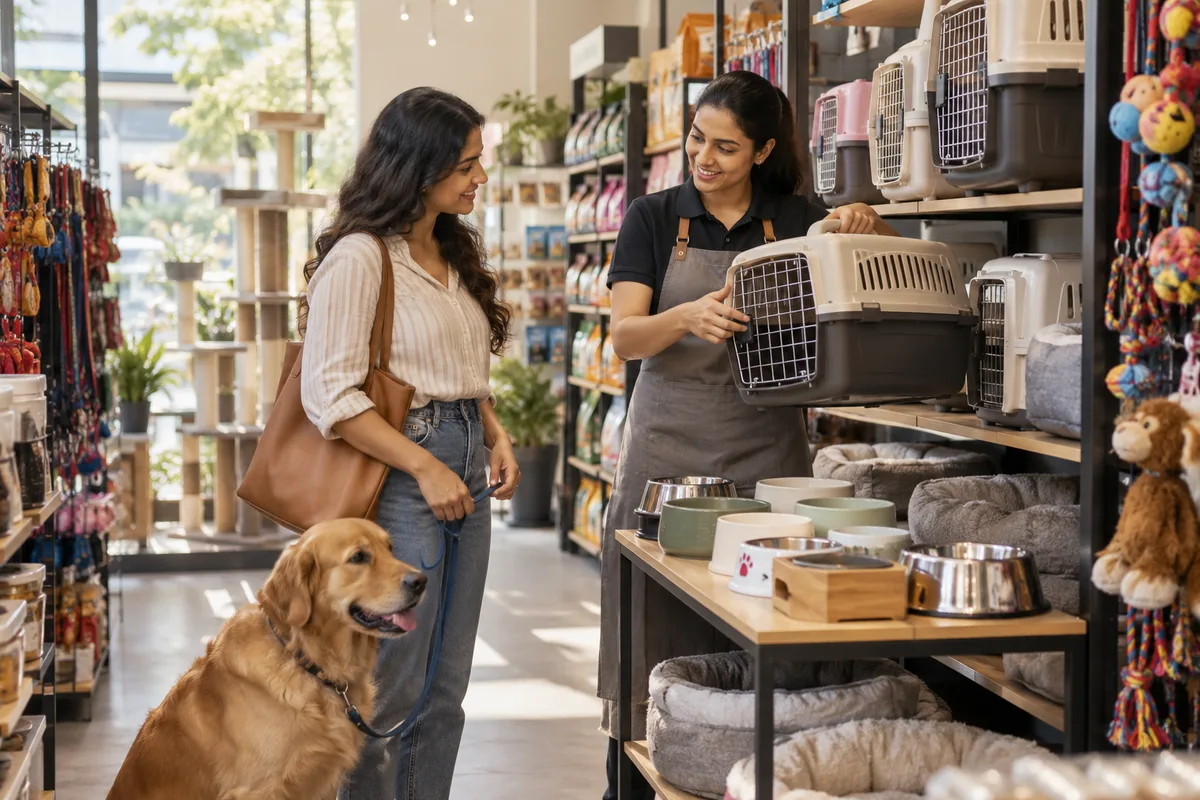
What referral marketing means
Referral marketing is asking an existing customer to recommend you to someone they know, usually with a reward for both sides. It differs from a loyalty scheme because it brings in a new customer rather than a repeat purchase. GullySales builds the ask and the reward into a point where a customer is already satisfied.
Also for pet product stores and brands
- SEO for pet product stores and brands
- Local SEO for pet product stores and brands
- PPC for pet product stores and brands
- Reputation management for pet product stores and brands
- Content marketing for pet product stores and brands
- Social media marketing for pet product stores and brands
- WhatsApp marketing for pet product stores and brands
- Follow-up systems for pet product stores and brands
Sales and marketing for pet product stores and brands, the overview.
Last updated 14 Nov 2026.
For pet product stores and brands
Where it usually goes wrong, and what we would do.
“The vet recommends a food and the shop is not named”
An owner leaves the clinic with a brand name and no idea where to buy it. The owner goes to an app because the clinic never mentioned your shop.
“Customers tell friends but get no easy way to do it”
A happy owner mentions the shop in the apartment group and nobody has a link, a number or a name to give.
“Referral rewards confuse the shop's margin”
A free bag for any introduction sounds generous. Without a record, the same person is rewarded again and again, and the shop cannot tell whether it brought anyone.
What we do
What we deliver for pet product stores and brands.
The work available for this need. We agree the deliverables and responsibilities for your engagement in writing.
A list of referral sources near the shop
Vets, groomers, trainers, boarding centres, rescue groups, apartment pet groups and dog-walkers, with the contact and what each is likely to need.
Result: You know whom to approach first.
A one-page card for referrers
What you stock, delivery areas, how to order and a name to ask for, so a referrer can describe you in a sentence.
Result: An introduction reaches the right person.
A simple customer referral offer
Something modest, such as a small gift for a customer and the friend after the friend's first order, with the terms in a line.
Result: Customers have a reason to mention you.
A record of who sent whom
A source field on every new customer and a note of the person who made the introduction, so thanks go to the right one.
Result: You see which relationships bring orders.
A thank-you routine
A message to the referrer when the introduced customer first orders, and a small gesture that follows the rules of their profession.
Result: Referrers feel noticed, so they do it again.
A watch on new pet owners in the area
Starter kits and a welcome message for people referred by adoption drives and clinics.
Result: First-time owners begin with you.
How the result is measured
- Referrals received
- Referral conversion rate
- Cost per referred customer
Recorded as a baseline before work starts, so every later report has an honest comparison.
How referrals work in this trade
Who sends a pet shop customers, what prompts them and how to thank them properly.
- Vets and clinic staff
- They are asked where to buy. Give the clinic a card with your delivery details. Do not pay a vet for recommending a product, because professional rules may forbid it. Check with the clinic.
- Groomers and trainers
- They know each dog and what it eats. Offer a counter stand and a short note on what you stock. A small thank-you gift for them, open and modest, is better than money.
- Apartment and society pet groups
- A resident who is a customer can tell the group. Make it easy: a link to your WhatsApp and a line on delivery. Ask the admin before any message from the shop.
- Rescue groups and adoption drives
- New adopters need food, a collar and litter. Agree openly with the group on a first-kit offer and write it down. Record how many came.
- Boarding centres and pet sitters
- They run out of supplies at short notice. Agree a quick-delivery route and a contact number for them, and record each order's source.
- What never to do
- Never pay a vet or clinic staff to push a product, never pay for reviews and never reward the same person for the same introduction twice. Keep the terms short and written.
Who it is for
This is written for these pet product stores and brands.
- Neighbourhood pet shops and supply stores
- Pet supermarkets and multi-brand pet retail chains
- D2C pet food and treat brands
- Pet accessory, toy and apparel makers
- Aquarium, fish and bird supply shops
- Pet healthcare product sellers who keep to the maker's pack claims
- Pet grooming product and shampoo brands
- Pet food distributors and dealers
- Online-only pet product sellers
Before you decide
When this may not be the right fit.
- The shop cannot yet say what a vet, groomer or neighbour is being asked to recommend, because stock and prices change.
- You plan to pay a vet a commission on food they advise, which puts a health recommendation up for sale.
Before you decide
Agree the work. Know how to judge it.
Referral marketing for pet product stores and brands: use these checks to prepare, choose the scope, and review what changes.
Bring the right evidence
Review repeat orders, inactive customers, and reasons for leaving. Separate a normal buying interval from a customer who stopped because of an unresolved problem.
Make the scope clear
Choose the customer group and the reason to contact them. Agree how complaints, renewal decisions, and additional offers are handled, including when a sales message is inappropriate.
Check the work in use
Track the response through to a retained or repeat order, with discounts and service costs visible. Record why the customer returned rather than crediting every repeat purchase to the campaign.
Know when to change course
If customers leave because delivery is unreliable, fix that before offering a loyalty reward. Repeated promotions can hide the cause without improving the experience.
These are discussion points, not a fixed package. GullySales confirms the deliverables, responsibilities, fee, and term in writing after reading your brief and speaking with you.
Before we start
What to have ready before the work starts.
The records, access and decisions this work needs from pet product stores and brands. Anything missing is noted in the written scope, with who will supply it.
- A list of vets and groomers you already know
- Warm introductions beat cold calls. Write down who you know, with the nature of the contact. Without it, we begin with the nearest and approach them from scratch.
- A record of how new buyers found you
- A short log or the cashier's memory for a stretch works. Without it, we cannot tell which sources already send owners.
- A margin figure you can afford to share
- A customer offer must sit inside your margin. Tell us what you are willing to give and on which lines. If undecided, we leave out the offer and begin with thank-yous.
- A stack of printed cards or a link
- Referrers need something to hand over. Bring the print job or a short link to the shop's WhatsApp. Without it, referrals depend on a source remembering your name. Add the shop's address and a map link on the card so a referrer can direct an owner without a call.
- A cashier who will ask the question
- Name the staff member who asks who sent the buyer. Without one, the record stays blank and credit is given wrongly.
How it works
How the referral marketing work runs
The work itself, in order. How an engagement starts, from your brief to a written scope, is set out on our method page.
- 1
Draw up the people who advise pet owners nearby
We list the vets, groomers, trainers, boarding places, rescue groups and apartment pet communities within reach of the shop, using what you already know and a local search. You mark the ones you know personally. What exists is a map of sources, ordered by how well you are placed to approach them. We note which of these places already stock a competitor's food, because that changes how we approach them.
- 2
Ask your best customers how they found you
The cashier asks regular buyers who sent them and writes it down for a stretch you choose. We add what your chats show. You see which sources already work without effort, and which of them need nothing more than a thank-you. This record is the baseline for the whole programme.
- 3
Decide what each source receives
You decide the terms. We advise that a vet is never paid for recommending a food, as that breaches the trust owners place in the advice, and a groomer or trainer may be offered a thank-you of another kind. Check with your own adviser where money is involved. The terms are written on one page.
- 4
Design the referral card and the customer offer
We draft a one-page card for referrers that says what the shop stocks, how to order and how to say who sent the owner. We also draft a plain offer for customers who bring a friend. You approve both, and the offer must be one your margin can carry.
- 5
Record who sent whom
We set up a simple sheet or a field in your billing where the cashier writes the referrer's name at the first purchase. You name who keeps it. A test with a few referrals shows whether the cashier remembers to ask and whether the thank-you can be sent. The sheet also records the thank-you sent, so a referrer is never thanked twice or forgotten.
- 6
Read introductions against the baseline
We count the introductions and the bags they led to, and compare with the earlier record. You see which sources deserve more of your time. A source that sent no one is thanked and left alone, and effort moves to those who did.
Where this fits
Three pieces of sales work, in this order.
This work sits inside sales process design, at stage 7, after the sale. The audit comes before it, and sales management keeps it running.
Step 1
Sales audit
Find where deals are being lost and what to fix first.
Start here if you cannot say where orders are lost.
Step 2 · you are here
Sales process design
One written way to sell, from first enquiry to repeat order.
Start here if every salesperson sells differently.
Step 3
Sales management
A target, a review routine and someone who owns the number.
Start here if the team has targets and no routine.
FAQ
Questions owners ask before they call.
Not here? More answers, or ask on WhatsApp.
Can we give a vet a commission on the food they recommend?
How do we track who sent whom?
What should we offer a customer who refers a friend?
How often can we ask a customer to refer someone?
Can we give a groomer or trainer a gift for sending owners?
What if a customer refers someone and the friend never buys?
How much does it cost?
How long is the contract?
How soon will we see results?
Who will actually do the work?
More for pet product stores and brands
Related work to consider.
Or start from the overview: sales and marketing for pet product stores and brands.
Your next practical step
Tell us what you are trying to grow, and we will read it before we call.
Eight short steps, mostly taps. Skip anything you would rather answer on the call.