Specialty food stores · Content marketing
Teach the customer what to do with the jar, and the jar sells itself.
Content marketing for a specialty food store means writing the guides, recipes and buying notes that explain unfamiliar items to a cook or a gift buyer. GullySales works on the topics, the writing and the placement that make your shop the source people trust.
Scope, fee, reporting and term are agreed in writing after we have read your brief and spoken to you.
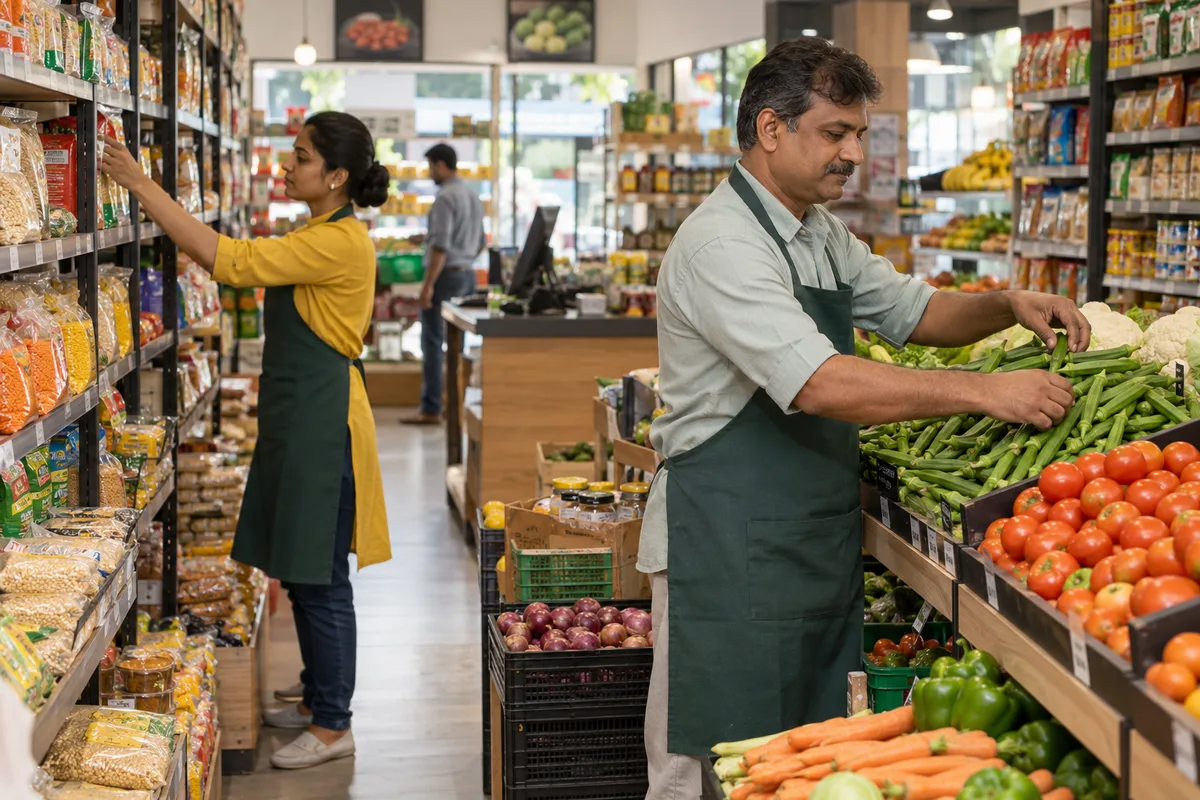
What content marketing means
Content marketing is writing articles, guides and pages that answer the questions buyers search before they are ready to enquire. This makes your business visible and trusted before the first call. GullySales plans this content from the first conversation onward, choosing topics that match real search demand rather than guesses.
Also for specialty food stores
- Social media marketing for specialty food stores
- Lead generation for specialty food stores
- SEO for specialty food stores
- Local SEO for specialty food stores
- Buyer personas for specialty food stores
- CRM for specialty food stores
- Follow-up systems for specialty food stores
- WhatsApp marketing for specialty food stores
Sales and marketing for specialty food stores, the overview.
Last updated 18 Oct 2026.
For specialty food stores
Where it usually goes wrong, and what we would do.
“An unfamiliar ingredient needs an instruction”
Someone holding a jar of harissa or black garlic wonders what to cook. A short note on use, pairing and storage removes the hesitation that keeps the jar on the shelf.
“A gift guide answers a question already asked”
Buyers ask what to give a host, a colleague or a parent abroad. A guide by occasion and price range, written by your own staff, answers that and points to the hampers you pack.
“Your staff know more than your website says”
The person at the cheese counter has told customer after customer what pairs with what. Write those conversations down, with the staff member's name if they agree, and you hold content nobody else can copy.
“Recipes need your items in them”
A recipe that calls for ingredients you stock links a reader to the shelf. A recipe with generic ingredients sends the reader to whichever shop is nearest to their kitchen.
What we do
What we deliver for specialty food stores.
The work available for this need. We agree the deliverables and responsibilities for your engagement in writing.
A topic list drawn from counter questions
The questions customers ask at the shop, turned into a list of guides and notes.
Result: Each piece answers something a real customer asked.
Item guides and use notes
Short pages on how to store, serve and cook with the items you want to be known for.
Result: A buyer reads before buying and arrives knowing the product.
Occasion-based gift guides
Pages by festival, housewarming, corporate gift and travel gift, linked to the hampers.
Result: A gift buyer finds a pack for the occasion.
Recipes using your stock
Simple recipes written with the items on your shelf and a link to each.
Result: Readers can see what to buy before they come.
A calendar tied to your import and festival dates
Pieces timed to the seasons for new arrivals, festivals and short-dated lines.
Result: Content appears when the stock needs attention.
How the result is measured
- Pages published
- Organic traffic
- Enquiries from content pages
Recorded as a baseline before work starts, so every later report has an honest comparison.
Posts and pieces to plan
These are the pieces a specialty shop can write from the counter.
- What to cook with harissa
- A short guide with two dishes, pairings and storage after opening. It answers the question a customer asks while holding the jar, and links to the item.
- A cheese board for six guests
- A guide naming the cheeses you stock, how much per person and what to serve alongside. Written by the cheese counter staff, with the shop's own packs as the examples.
- Gifts for a host or a boss, by budget
- A guide by occasion and price range, linking to the hampers. Name the budget bands in rupees you actually pack, so the reader can order from the page.
- Storing olive oil and chocolate at home
- A practical note on light, heat and shelf life for items you sell. It brings buyers back and shows the shop knows its stock.
- Regional foods from one state
- A piece on Coorg honey, Kerala banana chips or Kashmiri saffron, with origin and use. Keep to what the producer has said and avoid claims about health.
Who it is for
This is written for these specialty food stores.
- Gourmet and imported food shops in city neighbourhoods
- Regional food speciality stores for Coorg honey, Kerala banana chips, pickles and the like
- Cheese, charcuterie and deli counters
- Chocolate, coffee and tea specialists
- Spice and masala merchants selling premium blends
- Gift hamper and festival basket makers
- Speciality sections inside larger stores run as an independent business
- Supply shops for home bakers, cafes and small restaurants
Not for
It is not the right fit if.
- Nobody in the shop can check a recipe or a storage note before it goes up, so errors about food would sit under your name.
- You want articles to fix a stock problem this season, but content builds slowly and cannot move a batch that expires soon.
Before you decide
Agree the work. Know how to judge it.
Content marketing for specialty food stores: use these checks to prepare, choose the scope, and review what changes.
Bring the right evidence
Bring questions from sales calls and examples of objections that delay a decision. Choose a subject expert who can check the substance, and identify evidence that can be published.
Make the scope clear
Agree the reader, buying question, format, and distribution route for each piece. Set the approval process and distinguish new research from rewriting material you already have.
Check the work in use
Ask a colleague to use the draft in a real buyer conversation. It should answer the question, support its claims, and make the next step clear without requiring a sales pitch to explain it.
Know when to change course
If the same unanswered question appears in several articles, improve the strongest page before commissioning another. More words are not a substitute for missing evidence.
These are discussion points, not a fixed package. GullySales confirms the deliverables, responsibilities, fee, and term in writing after reading your brief and speaking with you.
How it works
How the content marketing work runs
The work itself, in order. How an engagement starts, from your brief to a written scope, is set out on our method page.
- 1
Topic and responsibility approval
You approve the topics drawn from the strategy and nominate the factual reviewer. We agree who supplies information and who has authority to release each piece.
- 2
Brief approval and source handoff
Your team provides relevant documents and answers the brief's questions. A short subject conversation fills gaps, with recording only if the speaker permits it.
- 3
Factual review and release decision
GullySales sends the draft with marked claims. Your reviewer approves or corrects them, and any required professional review is completed before publication.
- 4
Publication and sales handoff
The approved piece goes on your website before agreed distribution. Your sales contact receives the link and the buyer question it answers.
- 5
Results and revision decision
We compare results with the baseline recorded before work starts. Your team confirms enquiry quality so we can decide which topics to update, continue, or stop.
Where this fits
Three pieces of sales work, in this order.
This work sits inside sales process design, at stage 0, foundation. The audit comes before it, and sales management keeps it running.
Step 1
Sales audit
Find where deals are being lost and what to fix first.
Start here if you cannot say where orders are lost.
Step 2 · you are here
Sales process design
One written way to sell, from first enquiry to repeat order.
Start here if every salesperson sells differently.
Step 3
Sales management
A target, a review routine and someone who owns the number.
Start here if the team has targets and no routine.
FAQ
Questions owners ask before they call.
Not here? More answers, or ask on WhatsApp.
Who writes the pieces?
Does content really sell groceries?
What do we avoid saying about food in articles?
Can staff write the pieces without a professional writer?
How much does it cost?
How long is the contract?
How soon will we see results?
Who will actually do the work?
What do you need from us?
What if we are not happy with the work?
More for specialty food stores
Related work to consider.
Closest to this: content and social
Also for specialty food stores
Or start from the overview: sales and marketing for specialty food stores.
Your next practical step
Tell us what you are trying to grow, and we will read it before we call.
Eight short steps, mostly taps. Skip anything you would rather answer on the call.