Acupuncture centres · CRM
Keep a record of who is mid-course so no patient disappears after the second visit.
A CRM for an acupuncture centre is a single record of each enquiry and each patient's place in their course of sessions. GullySales sets it up so the front desk can see who enquired, who booked, who has missed a visit and who is due a call.
Scope, fee, reporting and term are agreed in writing after we have read your brief and spoken to you.
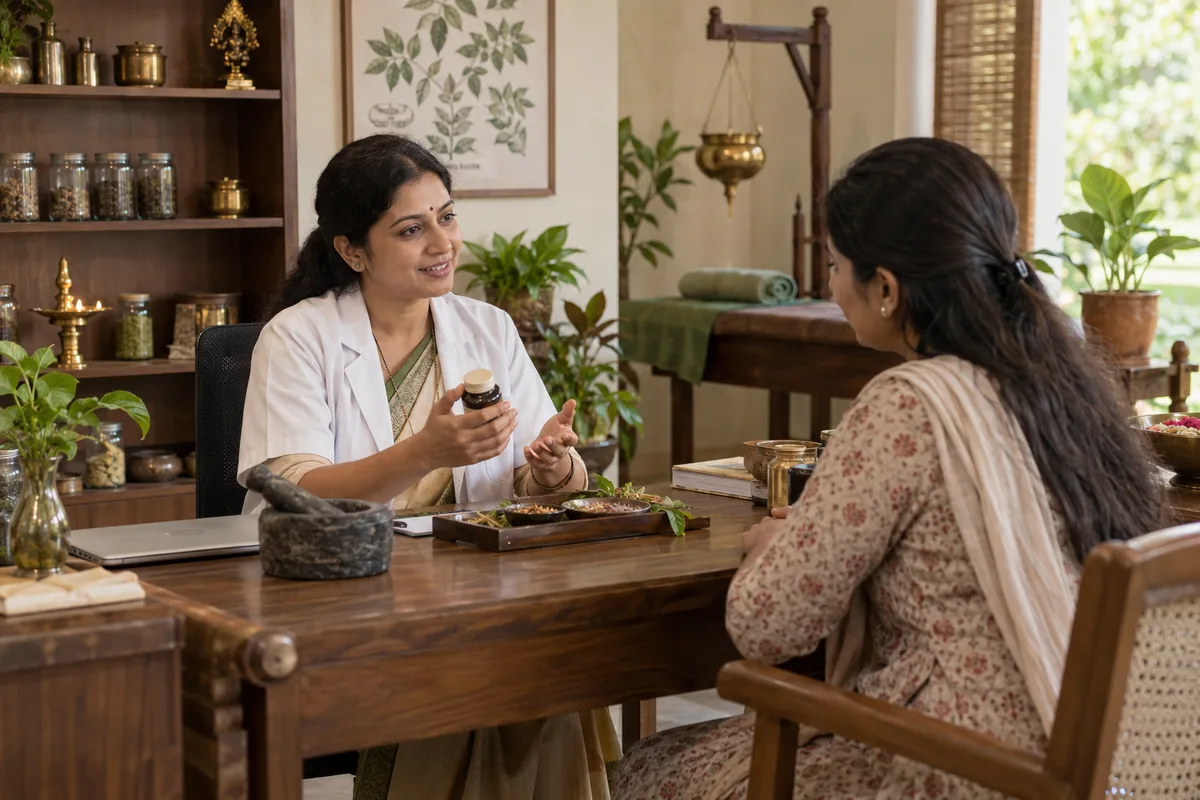
What CRM means
A CRM is the record where every enquiry, call and quote is kept against a customer, replacing separate notebooks, spreadsheets and memory. GullySales sets up or cleans an existing CRM and reports from it by enquiry outcome rather than by activity logged.
Also for acupuncture centres
- Lead generation for acupuncture centres
- Follow-up systems for acupuncture centres
- SEO for acupuncture centres
- Local SEO for acupuncture centres
- Social media marketing for acupuncture centres
- Content marketing for acupuncture centres
- Buyer personas for acupuncture centres
- WhatsApp marketing for acupuncture centres
Sales and marketing for acupuncture centres, the overview.
Last updated 14 Nov 2026.
For acupuncture centres
Where it usually goes wrong, and what we would do.
“A course is a relationship, not a single sale”
Acupuncture involves a series of visits, so the revenue and the benefit sit in the later sessions. A diary that shows only the next appointment hides the patient who attended twice and has quietly stopped. A record of course stage shows them.
“Patient notes and marketing records must stay apart”
Clinical notes belong in the practitioner's own records, held with the care health information needs. The CRM should hold contact details, enquiry source, appointment status and follow-up dates, and leave diagnosis and treatment detail where it belongs.
“The paper diary cannot show who is overdue”
A front desk working from a book can see tomorrow but not last week's missed visit. By the time someone notices, the patient has stopped coming and the opportunity for a gentle call has passed.
“Consent decides who you may contact”
A patient who enquired about a back problem has not agreed to receive festival offers. The record needs to show what the patient agreed to hear about, so messages stay relevant and permitted.
What we do
What we deliver for acupuncture centres.
The work available for this need. We agree the deliverables and responsibilities for your engagement in writing.
A simple patient and enquiry record
One sheet or system holding name, contact, source, complaint in the patient's words, status and next action.
Result: Anyone on the desk can see the state of any enquiry.
Stages that match a course
Stages such as enquired, booked, first visit done, mid-course, finished and lapsed, with a rule for moving between them.
Result: You can count how many patients sit at each stage.
A list of patients who missed a session
A view that shows who did not attend and has not rebooked, ready for a courteous call.
Result: The desk opens the day with a list of people to call.
A consent field for each patient
A record of whether the patient agreed to appointment reminders and to other messages, and by which channel.
Result: You can show what each patient has agreed to.
A tidy split between records
A written rule on what goes into the CRM and what stays in the clinical notes.
Result: Clinical detail is not mixed into the marketing record.
A small training session for the desk
A walk-through of the record with the people who will use it, using your own enquiries as examples.
Result: The team uses the record because they understand it.
How the result is measured
- Enquiries logged in the CRM
- Data completeness
- Reports generated from CRM data
Recorded as a baseline before work starts, so every later report has an honest comparison.
Fields worth keeping
Fields that show who is partway through a course.
- Date of last session
- Filled by the desk after each visit. It lets whoever calls see how long a patient has been away without opening a clinical note.
- Next booked slot
- Filled when the patient leaves. A blank here is the signal that the course may quietly end, and the desk calls.
- Consent to be contacted, and by what
- Ticked at the first visit by the patient. Phone, message or both. Nobody is called or messaged without it.
- Source of the enquiry
- Map listing, website, a physiotherapist or a friend. It lets the practitioner see which referrers are worth a visit.
- Referrer's name, if any
- Entered by the desk. It supports a thank-you note to the clinic, with nothing paid and nothing about the patient shared.
Who it is for
This is written for these acupuncture centres.
- Acupuncture clinics run by qualified practitioners
- Acupuncture and acupressure centres for pain management
- Acupuncture departments inside integrated medicine or wellness centres
- Acupuncture centres for sports injuries
- Acupuncture and cupping clinics for chronic pain
- Acupuncture for women's health
- Acupuncture centres for senior citizens
- Mobile or home-visit acupuncture practitioners
Before you decide
When this may not be the right fit.
- No one is named to update the sheet after a clinic day, and a record that is a week stale is worse than the paper diary.
- You plan to store the practitioner's treatment notes in the same tool, which mixes clinical and marketing records.
- The centre sees few patients and the practitioner knows each one by name, so another system would add effort and no clarity.
Before you decide
Agree the work. Know how to judge it.
CRM for acupuncture centres: use these checks to prepare, choose the scope, and review what changes.
Bring the right evidence
List the records your team uses and show how an enquiry becomes an order today. Bring examples of duplicate entries, missing owners, and reports that require manual correction.
Make the scope clear
Agree the stages, required fields, access roles, and integrations before configuring the system. Separate software subscriptions from setup, data work, and training.
Check the work in use
Ask the people who will use the CRM to complete a real handover and find the next action without help. Check that the management report can be traced back to individual records.
Know when to change course
If the process is unclear, buying a more complex CRM adds more places for confusion. Start with the minimum fields and rules the team can use consistently.
These are discussion points, not a fixed package. GullySales confirms the deliverables, responsibilities, fee, and term in writing after reading your brief and speaking with you.
Before we start
What to have ready before the work starts.
The records, access and decisions this work needs from acupuncture centres. Anything missing is noted in the written scope, with who will supply it.
- The current diary or patient register
- Paper diary, spreadsheet or software export, whichever the desk uses now. We need names and numbers to be legible. If entries are too faint to read, we start the record from new enquiries only, and past patients are added later as the desk meets them.
- A written decision on consent
- A short note of how the centre asks permission to contact patients, and where the answer is kept. Without it, the record carries a consent field but cannot be trusted, and we hold back every reminder and message that depends on it until the note exists.
- One owner for the record
- A named person, at the desk or in management, who keeps the record accurate and is the one we ask when something looks wrong. If nobody owns it, entries drift within a few weeks and the list of overdue patients stops being right, which is the point of the work.
- Access to the phone the desk uses
- We need to see the call log and messages on the desk's own phone, with the desk's agreement, to learn the true volume of enquiries. If the desk uses a personal phone, we agree a rule to move enquiries to a centre number so the history stays with the centre.
How it works
How the CRM work runs
The work itself, in order. How an engagement starts, from your brief to a written scope, is set out on our method page.
- 1
Map the course from enquiry to last session
We sit with the desk and draw the path a patient follows: enquiry, assessment, first session, mid-course, finish or lapse. Each stage gets the name the desk already uses, and the sheet stays with the desk. You confirm the path, because the record must match how the centre truly works.
- 2
Decide what the record may hold
You and the practitioner decide which details belong in the contact record, such as name, number, source, session count and consent, and which stay in the clinical notes. We write that split down and keep medical details out of the marketing record. We then test the split on a real patient.
- 3
Load the diary into the new record
We move current patients and recent enquiries into the new record from your diary, a few at a time, checking names and numbers by hand with the desk. Nothing is deleted from the diary, and any duplicate we find is marked. You confirm the loaded entries match what the desk expects.
- 4
Train the desk on a real morning
We sit with the front desk during a working morning and show how to log an enquiry, book a session and mark a missed one. We watch them do it, and the sheet lists what to do when the phone rings mid-entry. What exists afterwards is a one-page guide in the desk's own words.
- 5
Read the stages against the old diary
After the record has run alongside the diary, we compare how many enquiries reached a first session and how many courses were left unfinished with the figures taken at the start. We tell you which stage loses the larger share of patients and what to change.
Where this fits
Three pieces of sales work, in this order.
This work sits inside sales management. A target, a review routine and someone who owns the number.
Step 1
Sales audit
Find where deals are being lost and what to fix first.
Start here if you cannot say where orders are lost.
Step 2
Sales process design
One written way to sell, from first enquiry to repeat order.
Start here if every salesperson sells differently.
Step 3 · you are here
Sales management
A target, a review routine and someone who owns the number.
Start here if the team has targets and no routine.
FAQ
Questions owners ask before they call.
Not here? More answers, or ask on WhatsApp.
Do we need paid software?
Is patient data safe in a CRM?
Where are patients' notes kept, if not in the CRM?
Do we need patients' permission to keep a contact record?
Can the record replace the patient's treatment file?
What if the desk finds the record slower than the diary?
How much does it cost?
How long is the contract?
How soon will we see results?
Who will actually do the work?
More for acupuncture centres
Related work to consider.
Closest to this: leads and follow-up
Also for acupuncture centres
Or start from the overview: sales and marketing for acupuncture centres.
Your next practical step
Tell us what you are trying to grow, and we will read it before we call.
Eight short steps, mostly taps. Skip anything you would rather answer on the call.