Beauty product brands · Product branding
Give each serum, hair oil and lipstick a name a shopper can say and a store can order.
Product branding for a beauty label means naming one product or range, setting its pack, label and listing identity, and deciding how it sits beside the parent label. GullySales writes the brief, assembles the name check record and keeps the pack, the marketplace title and the trade sheet saying the same thing.
Scope, fee, reporting and term are agreed in writing after we have read your brief and spoken to you.
What product branding means
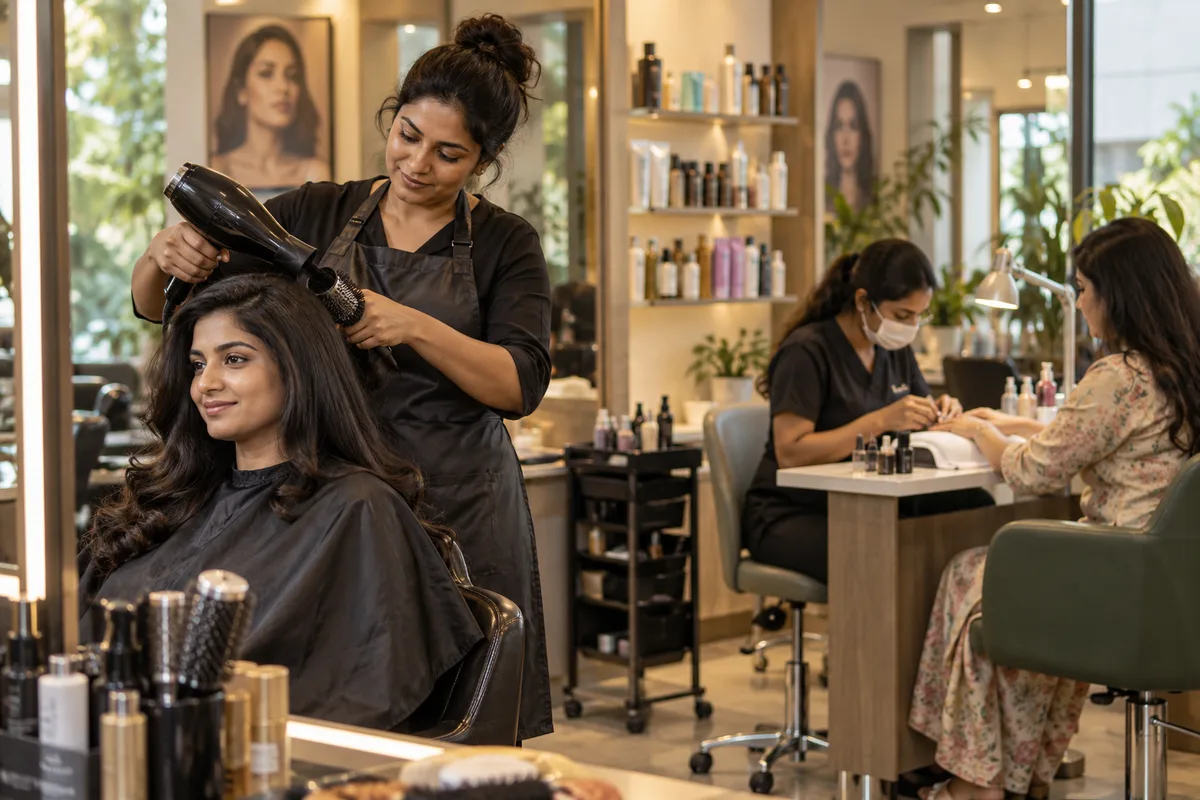
Product branding gives one product or product line its own name, pack or label, tagline and listing identity, and decides how it sits beside the parent brand. GullySales checks the name against the public trade-mark register, prepares the pack brief and listing titles, and briefs your dealers and marketplace team on the result.
Also for beauty product brands
- Lead generation for beauty product brands
- SEO for beauty product brands
- Social media marketing for beauty product brands
- Content marketing for beauty product brands
- Buyer personas for beauty product brands
- CRM for beauty product brands
- Follow-up systems for beauty product brands
- WhatsApp marketing for beauty product brands
Sales and marketing for beauty product brands, the overview.
Last updated 18 Oct 2026.
For beauty product brands
Where it usually goes wrong, and what we would do.
“A contract-made formula still needs its own name”
When the contract manufacturer offers a base cream, several labels may start from nearly the same product. The name, the pack and the story are all that separate yours on a shelf, so the brief settles them before the first design draft arrives, not after the first batch is printed.
“The bottle is read in a hand, the listing on a phone”
A shopper in a cosmetic store turns the bottle over to read the ingredients and the size. A marketplace shopper sees a thumbnail and a title. A name that fits the front panel can be cut short in the title, so the two are written together.
“Shades, sizes and sets multiply faster than names”
A serum gains a second strength and a lip colour gains a dozen shades. With no rule for spelling them, the retailer's order form, the invoice and the marketplace each invent a version, and the wrong shade turns up at the shop.
“A tagline on a cosmetic pack is a claim”
Words such as brightening or anti-ageing describe what the product does. Rules on cosmetic labels and claims differ and change, so every line goes to your own regulatory adviser before artwork is final. Nothing is printed until that reply is in hand.
What we do
What we deliver for beauty product brands.
The work available for this need. We agree the deliverables and responsibilities for your engagement in writing.
Product brand brief
One document naming the product, the shopper or salon who buys it, the shelf or listing it competes on and the words the label must not use. You and your sales lead approve it before any name is proposed.
Result: Every later name or pack draft can be checked against one approved page.
Name check record
A page for each shortlisted name showing what public trade-mark, company, domain and marketplace searches turn up for similar goods, with open questions marked for your trade-mark adviser.
Result: Your adviser receives a written record to work from before anything is printed.
Pack and label brief
The order of information on the front panel, colour and type direction, and the space kept clear for declarations such as ingredients, batch and manufacturer details. The designer receives the brief and the declarations stay with you.
Result: A draft pack can be compared line by line with the brief and the adviser's list.
Shade, size and set naming rule
A short sheet fixing how a variant is spelt on the pack, the invoice, the order form and the marketplace.
Result: The same shade name appears on the bottle, the invoice and the listing.
Marketplace title and image plan
Brand, product, variant and size in the order a marketplace reads them, with the image set each product needs. The title matches the pack exactly.
Result: A listing title can be set beside the pack and found to match.
Retailer and salon naming sheet
One page for the store owner and the salon trainer giving the product name, what to call each variant and where the parent label appears.
Result: Your field team and stores use one name when they speak and when they order.
How the result is measured
- Dealer orders placed under the correct product name
- Listings whose brand text matches the pack and invoice
- Name checks completed and handed to the adviser
Recorded as a baseline before work starts, so every later report has an honest comparison.
Who it is for
This is written for these beauty product brands.
- Skincare brands for face serums, moisturisers and sunscreens
- Haircare and hair oil brands
- Colour cosmetics labels for lips, eyes and face
- Ayurvedic and herbal personal care brands
- Men's grooming and beard care brands
- Baby and mother care brands
- Fragrance, attar and body mist labels
- Professional and salon-only ranges
- Direct-to-consumer brands sold only online
Before you decide
Agree the work. Know how to judge it.
Product branding for beauty product brands: use these checks to prepare, choose the scope, and review what changes.
Bring the right evidence
Collect the sales presentation, website, quotations, and other material buyers actually see. Mark where the description of the business changes or where a claim has no supporting evidence.
Make the scope clear
Agree whether the work concerns the offer, the words, the visual identity, or all of them. List the formats that need updating and who owns the final approval.
Check the work in use
Test the proposed direction on a real sales page or proposal. A buyer should be able to tell who the offer is for, what is different, and what evidence supports it.
Know when to change course
A new identity will not fix an unresolved service problem. Put the delivery issue right before making a stronger public promise about it.
These are discussion points, not a fixed package. GullySales confirms the deliverables, responsibilities, fee, and term in writing after reading your brief and speaking with you.
How it works
How the product branding work runs
The work itself, in order. How an engagement starts, from your brief to a written scope, is set out on our method page.
- 1
Brief and boundary
You confirm the product, the buyer and the sales channels. We agree which questions belong to naming, design, your adviser and your regulatory consultant.
- 2
Name check
Shortlisted names go through public search for the goods in question. You see what turned up, and your trade-mark adviser decides whether to proceed.
- 3
Pack and label direction
We write the brief, review designer drafts against it and mark the declarations space. Draft packs go to your adviser before printing.
- 4
Listing and tagline
Titles, the tagline and the image plan are written to match the approved pack. You compare them with the label before anything goes live.
- 5
Dealer briefing
The dealer sheet goes to your sales lead. Your team uses it in calls, order forms and marketplace listings.
Where this fits
Three pieces of sales work, in this order.
This work sits inside sales process design, at stage 1, prospecting and lead generation. The audit comes before it, and sales management keeps it running.
Step 1
Sales audit
Find where deals are being lost and what to fix first.
Start here if you cannot say where orders are lost.
Step 2 · you are here
Sales process design
One written way to sell, from first enquiry to repeat order.
Start here if every salesperson sells differently.
Step 3
Sales management
A target, a review routine and someone who owns the number.
Start here if the team has targets and no routine.
FAQ
Questions owners ask before they call.
Not here? More answers, or ask on WhatsApp.
Can you tell us whether a name is safe to use as a trade mark?
Should the parent label's name appear on every new product?
Do you design the bottle or the box?
How much does it cost?
How long is the contract?
How soon will we see results?
Who will actually do the work?
What do you need from us?
What if we are not happy with the work?
More for beauty product brands
Related work to consider.
Or start from the overview: sales and marketing for beauty product brands.
Your next practical step
Tell us what you are trying to grow, and we will read it before we call.
Eight short steps, mostly taps. Skip anything you would rather answer on the call.