Premium salons · Follow up systems
Turn a first visit into a standing appointment with a plan for what comes next.
A follow-up system for a premium salon is the set of messages and calls that happen after an enquiry, a trial or a visit so the client returns. GullySales works on who follows up, when the next step is due and how each message reads in the salon's voice.
Scope, fee, reporting and term are agreed in writing after we have read your brief and spoken to you.
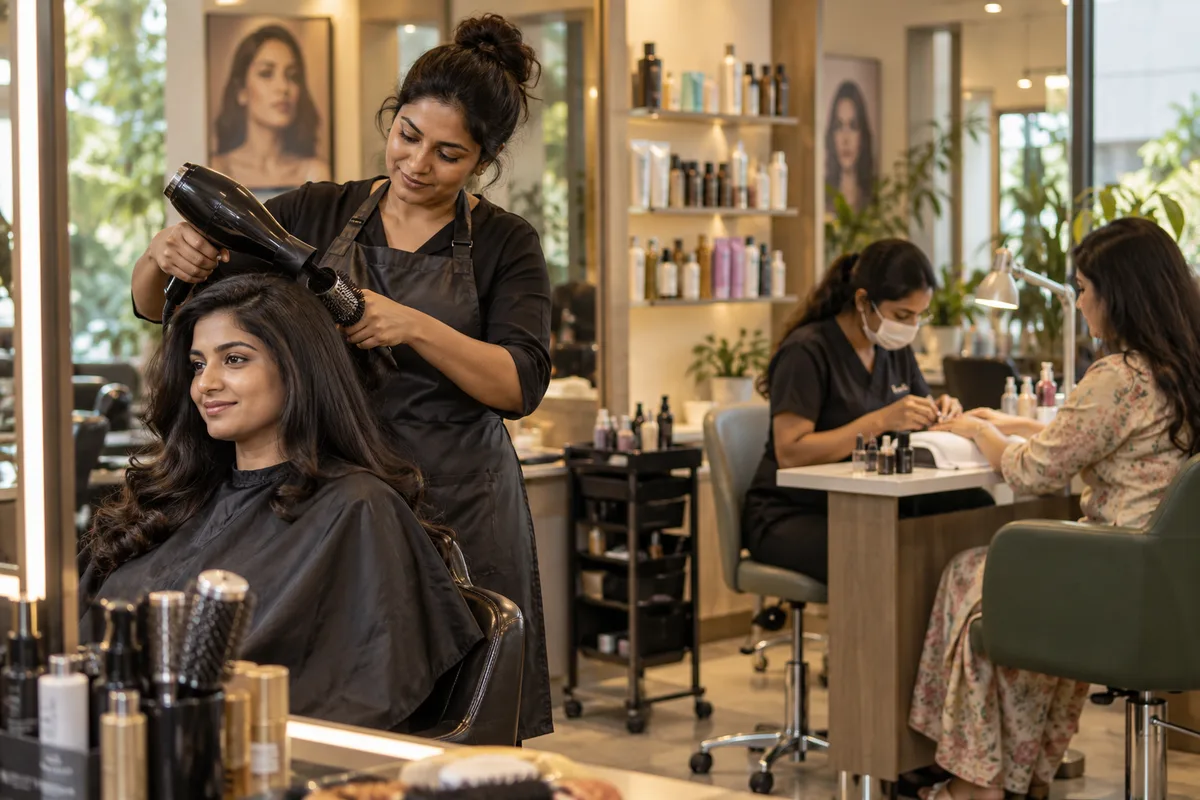
What follow up systems means
A follow-up system is the set routine for calling, messaging or emailing an enquiry more than once, since most buyers do not decide on the first conversation. GullySales sets the number and timing of follow-ups so an undecided buyer keeps hearing from you until they decide either way.
Last updated 14 Nov 2026.
For premium salons
Where it usually goes wrong, and what we would do.
“The enquiry goes quiet after the first reply”
A client asks about a colour change, receives a price and hears nothing more. A single follow-up that asks about the hair or offers a consultation slot decides whether the salon is remembered or forgotten.
“The first visit is the weakest glance for rebooking”
A client who loved the result but leaves without a next appointment drifts to another salon when the colour fades. Rebooking before leaving, with a reason tied to the hair, holds the relationship.
“A lapsed top client deserves a personal message”
A client who booked regularly and has now vanished is not a mass-mailing target. A short message from the stylist or the coordinator, asking after them, sounds like care rather than a campaign.
“Follow-up has no owner”
When everyone assumes someone else will message the client, nobody does. A named person with a clear list of who to contact turns good intentions into action.
What we do
What we deliver for premium salons.
The work available for this need. We agree the deliverables and responsibilities for your engagement in writing.
A follow-up map for each stage
The messages due after an enquiry, a trial, a first visit and a long gap, each with its purpose and sender.
Result: No stage of the relationship is left to chance.
Rebooking prompts built into the visit
A desk routine and a stylist phrase that suggest the next appointment before the client leaves, tied to a hair reason.
Result: Clients leave with a next date or a clear reason to book.
Message templates in the salon's voice
Short, warm messages for each stage that a coordinator can personalise in a glance.
Result: Messages sound human and still stay short.
A lapsed-client list
A regular list from the client record of those who have not returned for longer than their usual gap.
Result: You can see who needs a personal note.
A named owner and a checking routine
One person responsible for the follow-up list, and a short check that the list was actually worked.
Result: Follow-up is done by someone, every time.
How the result is measured
- Follow-up completion rate
- Average number of follow-ups before close
- Enquiries closed after repeat follow-up
Recorded as a baseline before work starts, so every later report has an honest comparison.
What to capture or send
Send follow-ups tied to the service the client had, not to the calendar.
- Enquiry with no booking yet
- Send a short reply offering two slots with the named stylist and a line on what the consultation covers. Written in the salon's voice, not a form letter.
- After a first visit
- A note from the stylist asking how the hair settled and offering the aftercare product used. It invites a rebook without sounding like an offer.
- Colour due for refresh
- A personal message when the root regrowth interval for that client's colour is reached, naming the stylist and offering a slot.
- Lapsed regular
- A message from the stylist, not the desk, noting that they have been missed and holding a slot. Check the client's last visit before sending.
- Bridal or event after the date
- A thank you from the stylist and a gentle offer of a treatment for after the wedding, sent only if the client agreed to messages.
Who it is for
This is written for these premium salons.
- Luxury salons inside five-star hotels
- Premium hair studios in malls and upscale high streets
- Stylist-led studios named after the founder
- Salons associated with international product houses
- Salon and spa combinations for high-spend clients
- Premium salons offering colour correction and hair treatments
- Salons serving celebrities, corporates and wedding parties
- Multi-outlet premium chains in metros
Before you decide
When this may not be the right fit.
- No one is named to send the messages, so follow-up would be skipped when the salon is busy
- Your records do not hold the last service, so a message would be generic and read as a blast
Before you decide
Agree the work. Know how to judge it.
Follow-up systems for premium salons: use these checks to prepare, choose the scope, and review what changes.
Bring the right evidence
Trace recent enquiries from arrival to the last recorded action. Include a won enquiry, an unsuitable one, and one that went quiet, with personal details removed for the initial discussion.
Make the scope clear
Agree who accepts each enquiry, what makes it qualified, and how ownership changes. Include a rule for missed replies and a clear reason for closing an enquiry.
Check the work in use
Pick an enquiry at random and ask the team to find its owner, latest conversation, and next action. Check that the record agrees with what actually happened.
Know when to change course
If no one has capacity to respond, assign that responsibility before buying more leads. Automation can support the owner, but it cannot replace an unresolved handover.
These are discussion points, not a fixed package. GullySales confirms the deliverables, responsibilities, fee, and term in writing after reading your brief and speaking with you.
Before we start
What to have ready before the work starts.
The records, access and decisions this work needs from premium salons. Anything missing is noted in the written scope, with who will supply it.
- Past enquiries and what became of them
- A list of recent enquiries with the outcome: booked, lost or unanswered. Without outcomes we cannot tell which replies worked. If the desk kept none, they note the outcomes of the next batch and our plan begins with what we can see.
- A sample of messages already sent
- Screenshots or copies of real follow-up messages with client names removed. They show the salon's voice. If nothing is sent today, we say so on the plan and write the first set from scratch with the head stylist. Messages the stylists send from their own phones are welcome, as they show what clients answer.
- Agreement on the sender of each message
- The owner names who sends the first reply, who sends the rebooking reminder and who writes to a lapsed top client. Without names, the reminders default to the front desk and are reviewed after the first round.
- A list of clients who stopped visiting
- Clients who came regularly and then stopped, with the last visit date and the stylist. They are the warmest leads in the salon. Where no list exists, we build one from the booking tool by looking for gaps after regular visits.
- A stand on offers to returning clients
- Whether a returning client is offered anything, such as a complimentary consultation, and who may approve it. A premium salon seldom wants visible discounts. Without a rule, the message to a lapsed client carries an invitation only.
How it works
How the follow up systems work runs
The work itself, in order. How an engagement starts, from your brief to a written scope, is set out on our method page.
- 1
Read the messages sent after a first visit
We collect what the desk and stylists actually send after an enquiry and after a first visit, from their phones and the booking tool. You mark the ones you are proud of and those that embarrass you. We read them against who rebooked. The comparison shows which habits already work and which stylist follows up well. We also note whether replies went out during service hours or after closing, because the timing shapes the wording.
- 2
Map what happens after each kind of visit
On one sheet we draw the stages: enquiry, consultation, first visit, rebooking, regular and lapsed. Every stage carries a next step and a named owner. You decide when a client counts as lapsed and who may mark a record as closed. The sheet replaces memory and phone reminders.
- 3
Build the rebooking prompt into the chair
We write the line the stylist says as the client stands up to leave, and the way the desk offers the next slot while the client is still in the salon. The first visit is the weakest moment for rebooking. You test the wording with two stylists and strike anything that sounds like selling.
- 4
Write the messages in the salon's voice
We draft the thank-you, the aftercare note, the rebooking reminder and the message to a client who has not returned. Each carries one next step and the stylist's name. You approve every one. Nothing is sent as a broadcast, because premium clients notice a template at once.
- 5
Name the owner and the checking routine
The desk, not the stylist, sends the reminders, and one manager checks that the list of due follow-ups is clear before closing. You assign these roles in writing. A personal message to a top client who has stopped coming is sent by the stylist or the owner.
- 6
Read rebookings against the lapsed list
We compare how many first-time clients rebooked and how many lapsed clients returned with the figures noted before the system. The stylists tell us which messages got a reply. Messages that were ignored are reworded, and the list of due follow-ups is cut to what the team can manage.
Where this fits
Three pieces of sales work, in this order.
This work sits inside sales process design, at stage 2, qualification. The audit comes before it, and sales management keeps it running.
Step 1
Sales audit
Find where deals are being lost and what to fix first.
Start here if you cannot say where orders are lost.
Step 2 · you are here
Sales process design
One written way to sell, from first enquiry to repeat order.
Start here if every salesperson sells differently.
Step 3
Sales management
A target, a review routine and someone who owns the number.
Start here if the team has targets and no routine.
FAQ
Questions owners ask before they call.
Not here? More answers, or ask on WhatsApp.
Will follow-up messages annoy premium clients?
Who should send the follow-up, the stylist or the desk?
What should the message say when a high-value client has stopped visiting?
The stylist wants to message clients from a personal phone. Is that fine?
Does the follow-up go through the stylist's personal phone?
How do we avoid the messages looking mechanical?
How much does it cost?
How long is the contract?
How soon will we see results?
Who will actually do the work?
More for premium salons
Related work to consider.
Closest to this: leads and follow-up
Also for premium salons
Or start from the overview: sales and marketing for premium salons.
Your next practical step
Tell us what you are trying to grow, and we will read it before we call.
Eight short steps, mostly taps. Skip anything you would rather answer on the call.