Reiki, reflexology and hypnotherapy centres · Local SEO
Make the studio easy to find, easy to reach and easy to trust on the map.
Local SEO for a reiki, reflexology or hypnotherapy centre means keeping the map listing accurate and complete, so a person nearby can find the studio and see how to book. For a practitioner renting rooms by the hour, the listing must say where and when. GullySales builds and maintains it.
Scope, fee, reporting and term are agreed in writing after we have read your brief and spoken to you.
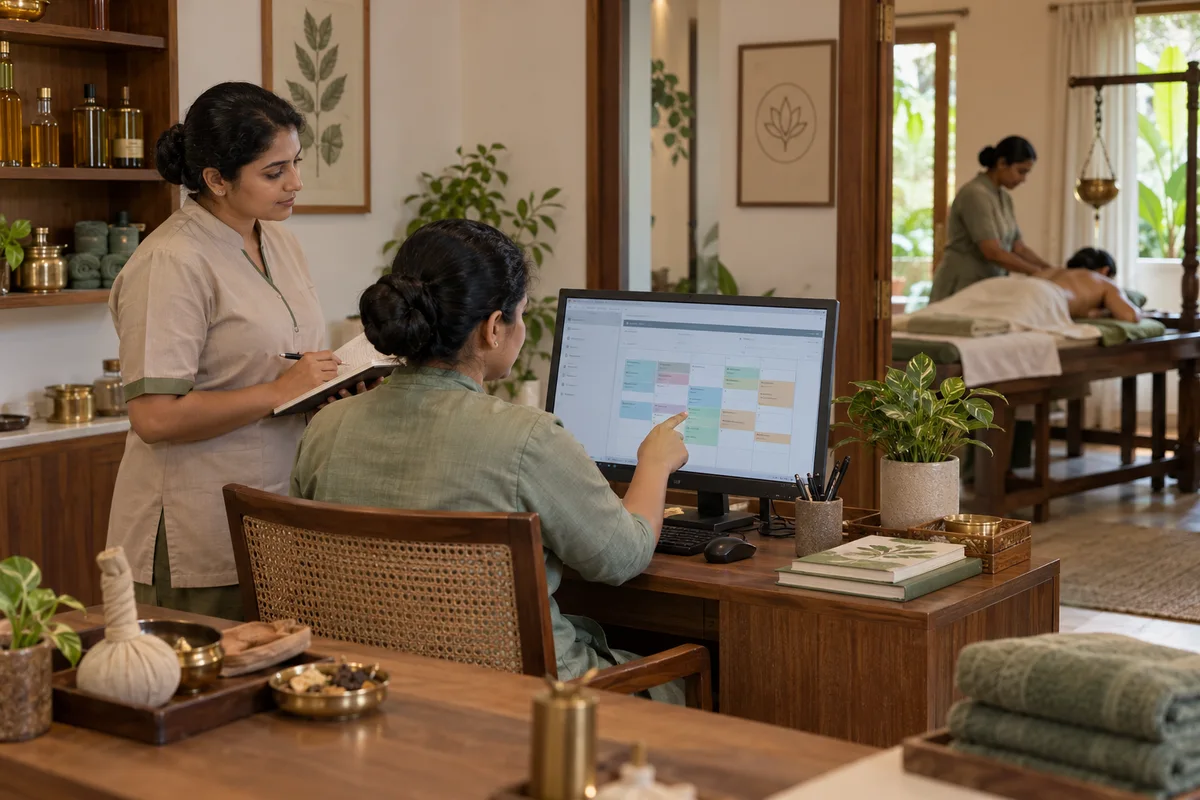
What local SEO means
Local SEO is the work of making your business show up for searches that name your town or locality, such as a service plus an area name. GullySales sets up locality pages, local citations and map listings so nearby customers find you before a competitor across town.
Also for reiki, reflexology and hypnotherapy centres
- SEO for reiki, reflexology and hypnotherapy centres
- Websites for reiki, reflexology and hypnotherapy centres
- Lead generation for reiki, reflexology and hypnotherapy centres
- Social media marketing for reiki, reflexology and hypnotherapy centres
- Content marketing for reiki, reflexology and hypnotherapy centres
- Buyer personas for reiki, reflexology and hypnotherapy centres
- CRM for reiki, reflexology and hypnotherapy centres
- Follow-up systems for reiki, reflexology and hypnotherapy centres
Sales and marketing for reiki, reflexology and hypnotherapy centres, the overview.
Last updated 14 Nov 2026.
For reiki, reflexology and hypnotherapy centres
Where it usually goes wrong, and what we would do.
“A rented room needs a clear location story”
A practitioner who uses a shared or rented space has a listing that must point to the right room on the right days. A confusing address leads a nervous first-time visitor to turn away at the door.
“Photographs of the room reduce worry”
A person unsure about trying a practice wants to see where it happens. Calm, honest photographs of the room, the seating and the entrance, without staged claims, ease the nerves of a first-time client who has never set foot in such a place.
“Reviews describe the experience, not the outcome”
A new visitor reads comments about the welcome, the setting and the practitioner's manner. A calm reply that thanks the writer and avoids any reference to a health matter shows professionalism and keeps the profile within the rules.
“Opening hours that match the diary”
An appointment-only studio lists hours differently from a shop. The listing should state that sessions are by appointment, show the booking link and avoid suggesting walk-in availability that does not exist, since a visitor who arrives unannounced finds a locked door.
What we do
What we deliver for reiki, reflexology and hypnotherapy centres.
The work available for this need. We agree the deliverables and responsibilities for your engagement in writing.
A finished map listing for the studio
Name, address, appointment-only note, services, photographs and a booking link all set up correctly.
Result: A person nearby sees where to go and how to book.
A room photograph set
Honest photographs of the entrance, waiting area and session room, with a short guide on keeping them current.
Result: A first-time visitor can picture the visit.
A guide for replying to reviews
Rules for answering reviews without any reference to a client's health or a promised result.
Result: Replies stay courteous and compliant.
A shared-space clarity note
Wording on the listing and site explaining which days and rooms you use and how to find them.
Result: A client reaches the right room first time.
Neighbourhood pages
Pages for the neighbourhoods you serve, mentioning landmarks that help a visitor place the studio.
Result: A local searcher finds a page about their own area.
How the result is measured
- Map pack ranking
- Local search visibility
- Enquiries by locality
Recorded as a baseline before work starts, so every later report has an honest comparison.
Searches your buyers type
What nearby people check on the map before booking a session.
- reiki centre near me
- A listing with the right main business type, address, hours and a clear statement of whether the room is private or shared.
- reflexology studio open Saturday
- Hours that match the actual diary, with holiday hours updated, so a person does not arrive at a locked door.
- hypnotherapist near me
- The practitioner named with training stated, and a service entry saying what a session involves and what it does not.
- quiet room for healing session
- Photographs of the room, the chair or table and the waiting area, so a nervous visitor can picture the visit.
- reiki course in my city
- A course entry or post with dates, teacher and enrolment route, kept apart from the sessions.
- is this reiki centre genuine
- Reviews that describe the experience of the room and the practitioner, with replies that do not claim results.
Who it is for
This is written for these reiki, reflexology and hypnotherapy centres.
- Reiki healers who see clients individually
- Reiki teachers who run level one, two and master courses
- Foot and hand reflexology practitioners and acupressure centres
- Hypnotherapists offering guided relaxation sessions
- Past-life regression and regression therapy practitioners
- Crystal and energy healing studios
- Centres that combine several of these under one roof
- Corporate wellness trainers who run stress-awareness workshops
Before you decide
When this may not be the right fit.
- The room is rented by the hour at different addresses, so one listing would send visitors to the wrong place.
- You cannot reply to reviews calmly, and a listing invites public reviews, some of which will be critical.
- Sessions are strictly by private referral and you do not want strangers to find the room.
Before you decide
Agree the work. Know how to judge it.
Local SEO for reiki, reflexology and hypnotherapy centres: use these checks to prepare, choose the scope, and review what changes.
Bring the right evidence
Confirm the real business address, service area, contact details, and who controls the business listings. Keep examples of calls that came from the wrong location or asked for a service you do not provide.
Make the scope clear
Choose the locations you actually serve and the information each needs. Agree who approves listing changes, responds to enquiries, and keeps opening hours accurate.
Check the work in use
Check the journey from a local search to a call or enquiry on a phone. The address, service area, and description should agree across your website and listings.
Know when to change course
Do not create an office claim for a place where you only serve customers remotely. Clear service coverage is more useful than a misleading local presence.
These are discussion points, not a fixed package. GullySales confirms the deliverables, responsibilities, fee, and term in writing after reading your brief and speaking with you.
Before we start
What to have ready before the work starts.
The records, access and decisions this work needs from reiki, reflexology and hypnotherapy centres. Anything missing is noted in the written scope, with who will supply it.
- Written leave from the room's owner
- If you rent by the hour, the owner of the room should know their address will appear with your practice. Bring a message or a note showing agreement. If it is not available, we list you as a service-area practice and leave the street out until the owner agrees.
- Owner access to the Maps listing
- We need the account that owns the listing, or the code Google sends to claim it. A listing run by a former helper is the usual problem. Without access we can only advise, and edits, photographs and replies wait until the claim is complete.
- A shot list of room photographs
- Bring pictures of the doorway, the lane to it, the waiting seat, the session chair or mat and the board. Daylight phone pictures suffice. Without them, the listing looks empty, and a worried first-time visitor is likely to choose a studio that shows its room.
- Your real working hours
- Write the days and times you see clients, the break times and the days the rented room is not yours. The listing must match this diary. If the hours vary week to week, we mark the listing as appointment-only and point to the booking number instead.
- A note on how you ask for reviews
- Tell us how you currently invite reviews, if at all, and who asks. We use it to write a simple, fair message with no reward attached. If you have been offering discounts, we first stop that practice, because platforms check their own rules, which change.
How it works
How the local SEO work runs
The work itself, in order. How an engagement starts, from your brief to a written scope, is set out on our method page.
- 1
Settle which address the map should show
A practitioner who rents a room has to decide what is true: the room's address, a home address that people should not see, or a service area. We talk this through with you and, where the room belongs to another owner, ask whether the owner is comfortable with the listing. What exists afterwards is one agreed address and an agreed way to describe the shared space.
- 2
Take over the listing with owner access
You give us owner or manager access to the Maps listing, or we help you claim it if nobody has. We open it and note the name, address, hours, services shown, photographs and replies to reviews. You confirm each fact as correct, since a wrong landmark or phone number will send a client to the wrong door.
- 3
Compare the listing with nearby studios
We search as a stranger would, from a few streets away, for reiki, reflexology and hypnotherapy, and note which studios appear, what they show and how their rooms look. You tell us which are real peers and which are not. We then decide what to fix first, starting with what a client sees before they decide to call.
- 4
Photograph the room and write the listing
You or a helper take pictures of the entrance, the waiting area, the session room and the board outside, following our short shot list. We write the description, the services and the answers to common questions in plain words, without conditions or results. You approve the text before it goes in.
- 5
Set the hours to match the diary
Appointment-only practices confuse the listing, so we match the hours and the booking button to your real diary and tell the person what to do when you are in a session. You decide who answers. What exists afterwards is a listing that says only what you can honour.
- 6
Measure listing calls and directions against the starting count
We compare the calls, direction requests, messages and visits from the listing against the figures noted before we began. You tell us how many of those people came to a first session. We then decide whether to add neighbourhood pages, more photographs or a review routine.
Where this fits
Three pieces of sales work, in this order.
This work sits inside sales process design, at stage 1, prospecting and lead generation. The audit comes before it, and sales management keeps it running.
Step 1
Sales audit
Find where deals are being lost and what to fix first.
Start here if you cannot say where orders are lost.
Step 2 · you are here
Sales process design
One written way to sell, from first enquiry to repeat order.
Start here if every salesperson sells differently.
Step 3
Sales management
A target, a review routine and someone who owns the number.
Start here if the team has targets and no routine.
FAQ
Questions owners ask before they call.
Not here? More answers, or ask on WhatsApp.
Can an appointment-only practice appear on the map?
Is it right to invite client reviews?
We rent a room by the hour. Whose address goes on the listing?
What do we do if a client asks for a review in return for a discount?
Whose name should appear if two practitioners share the room?
Should we answer a bad review about a session?
How much does it cost?
How long is the contract?
How soon will we see results?
Who will actually do the work?
More for reiki, reflexology and hypnotherapy centres
Related work to consider.
Closest to this: search and visibility
Also for reiki, reflexology and hypnotherapy centres
- Lead generation for reiki, reflexology and hypnotherapy centres
- Social media marketing for reiki, reflexology and hypnotherapy centres
- Content marketing for reiki, reflexology and hypnotherapy centres
- Buyer personas for reiki, reflexology and hypnotherapy centres
- CRM for reiki, reflexology and hypnotherapy centres
- Follow-up systems for reiki, reflexology and hypnotherapy centres
Or start from the overview: sales and marketing for reiki, reflexology and hypnotherapy centres.
Your next practical step
Tell us what you are trying to grow, and we will read it before we call.
Eight short steps, mostly taps. Skip anything you would rather answer on the call.