Bus dealerships · Lead generation
A bus lead is a school, a contractor or an operator with a vehicle due for replacement.
Lead generation for a bus dealership means finding the institutions and fleet owners whose buses are ageing and giving each a reason to ask you for a quotation. GullySales works on the sources, the contact lists and the first reply that turn a name into a recorded enquiry.
Scope, fee, reporting and term are agreed in writing after we have read your brief and spoken to you.
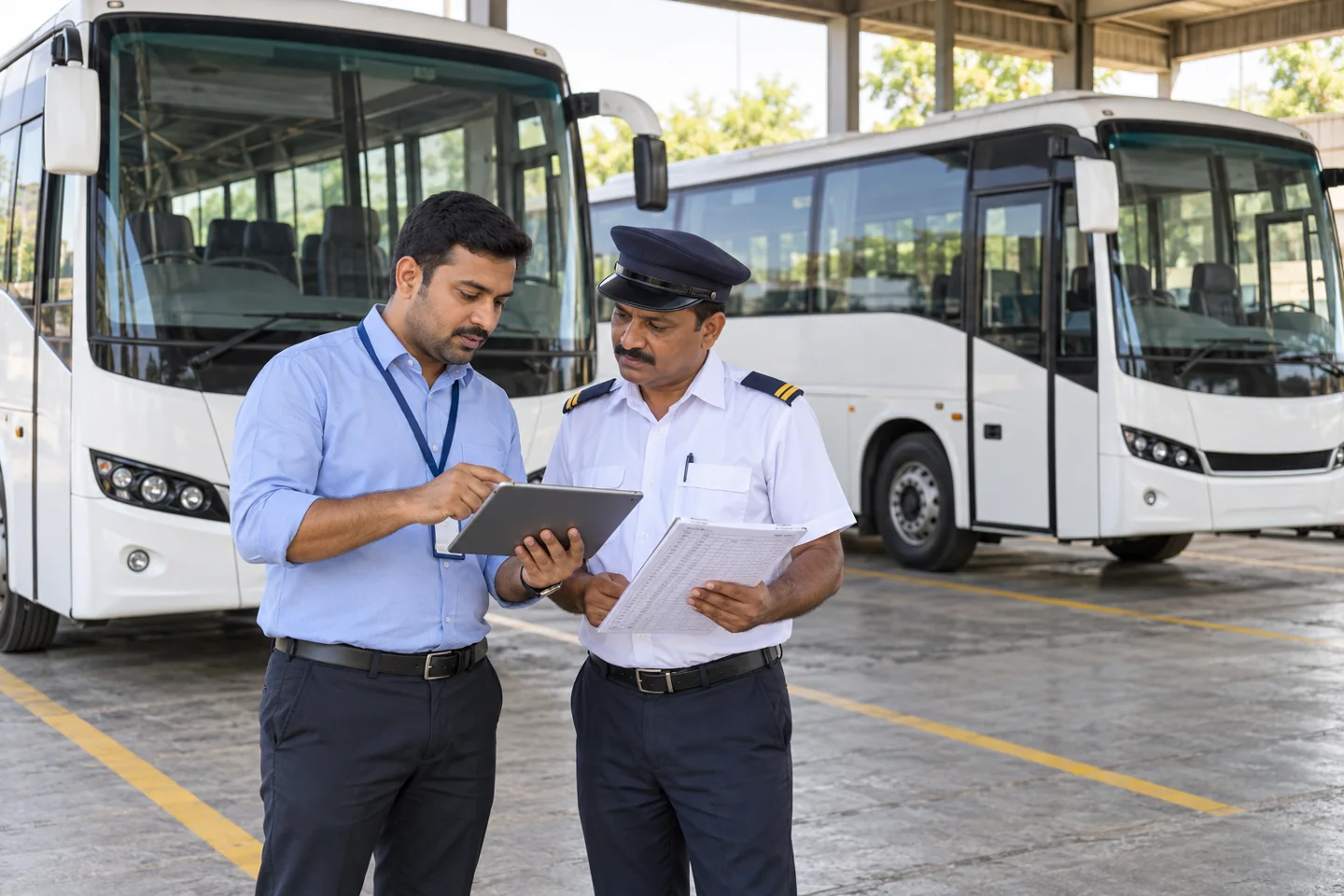
What lead generation means
Lead generation is the combined work of every channel that brings in a new enquiry, whether from search, adverts, referrals or a stall at an exhibition. GullySales runs these channels together and reports the number of enquiries each one produced, not the activity behind it.
Plan the next part of the work
Last updated 21 Nov 2026.
For bus dealerships
Where it usually goes wrong, and what we would do.
“The buyer is an institution, not a walk-in”
A school trust, a factory contractor and a tour operator each have a different person asking and a different person paying. A lead that records only a phone number loses the trustee, so every enquiry needs the organisation, the role of the caller and the decision maker.
“Fleet age is the real trigger”
A school with buses that are close to failing a fitness inspection is a stronger lead than a stranger who clicked an advertisement. Dealers who know which schools and operators run old vehicles can call before the rival does, with a quotation sheet already prepared.
“Referrals carry more weight than advertisements”
A correspondent asks another school before asking a dealer. A satisfied school, a body builder or a financier who names you does the first half of the selling, provided your team recorded who sent whom.
“Seasons decide when enquiries open”
Schools plan transport before the academic year, tour operators before pilgrimage and holiday seasons, and contractors when a contract is awarded. Lead work that ignores these windows reaches buyers when the budget is already spent.
What we do
What we deliver for bus dealerships.
The work available for this need. We agree the deliverables and responsibilities for your engagement in writing.
A territory list of fleet buyers
Schools, colleges, contractors and operators in your area, each with fleet size, bus age and the likely decision maker, kept by the sales head.
Result: Before a visit, you can see which institutions run the oldest buses.
An enquiry form built for committees
A form on the website and the Business Profile that asks for the organisation, the route, the seating and the body type wanted.
Result: Each enquiry arrives with enough detail to quote without a second call.
Source tags on every enquiry
A fixed list of sources, such as search, referral, event, walk-in and body builder, chosen when the enquiry is entered.
Result: The register shows which source each order began with.
A first-reply script for institutional buyers
A short written reply that confirms the request, names the person handling it and states what the quotation will contain.
Result: Every enquirer hears from a named person with the same structure.
A referral record
A sheet that notes which school, operator, body builder or financier sent each buyer, so each can be thanked.
Result: You can trace an order back to the person who introduced it.
How the result is measured
- Relevant enquiries by source
- Duplicate and unsuitable enquiries
- Time to the first response
- Accepted enquiries reaching an agreed next step
Recorded as a baseline before work starts, so every later report has an honest comparison.
What to capture or send
Record these facts on every bus enquiry so the next call knows who decides.
- Institution and its type
- School, college, factory transport contractor, tour operator or state undertaking. Filled by the salesperson on the first call, because the questions that follow differ.
- Vehicles due for replacement
- How many buses are old and which model each is. This is the real trigger, and it tells you how large the order could be.
- Seating and body type wanted
- Seat count, luggage rack, school or staff body. Needed before any quotation, so the first quote is not sent twice.
- Who asks, who pays and who signs
- Three names, and rarely one person. Without them the salesman keeps talking to the in-charge while the trustee decides.
- Decision window and finance route
- The academic year or contract date the buyer is working to, and whether a loan is needed. It shapes when you call and what papers you prepare.
Who it is for
This is written for these bus dealerships.
- Authorised bus chassis dealers
- Mini bus and van dealers for schools and staff transport
- Pre-owned bus dealers
- Electric bus dealers and agents
- Bus body builders who also sell chassis
- Dealers selling to state transport undertakings and city bus contractors
- Dealers serving tour and travel operators
- Dealers serving factory and IT-park staff transport contractors
Before you decide
When this may not be the right fit.
- You have no one to send a complete written quotation, and a bare price on a phone loses the committee.
- You do not record who owns each enquiry, so a lead handed between salespeople would go cold unseen.
- You hope online forms alone will fill the order book, when most bus orders come through referrals from other schools and operators.
Before you decide
Agree the work. Know how to judge it.
Lead generation for bus dealerships: use these checks to prepare, choose the scope, and review what changes.
Bring the right evidence
Define the organisations or buyers you can serve and the reasons they would consider a conversation. Bring examples of accepted and rejected prospects so the selection rule is visible.
Make the scope clear
Agree the research sources, contact approach, qualification rules, and handover. Clarify which meetings count as accepted and what happens to replies that are not ready to buy.
Check the work in use
Review why a prospect was selected and what was learned from the response. Count held, relevant conversations separately from contacts found, messages sent, or meetings booked.
Know when to change course
If the same objection appears repeatedly, adjust the offer or buyer group before increasing outreach. Respect a request to stop contact and keep the exclusion in the record.
These are discussion points, not a fixed package. GullySales confirms the deliverables, responsibilities, fee, and term in writing after reading your brief and speaking with you.
Before we start
What to have ready before the work starts.
The records, access and decisions this work needs from bus dealerships. Anything missing is noted in the written scope, with who will supply it.
- Delivery records for earlier bus sales
- We need the buyer name, the chassis model, the body maker and the sale date for earlier deliveries, kept in a register, a spreadsheet or even bound invoice copies. They show which institutions are ageing into replacement. A buyer with several deliveries appears once, with its history. If they are missing, the territory list falls back on local knowledge from your salespeople, which is slower to build and harder to check.
- The names the sales head already knows
- Bring a conversation, or a page of notes, about the school managements, factory transport heads and operators the sales head calls regularly. These relationships are the best early source, and the list must come from the person who holds them. Names with a phone number and a person to ask for are enough. If this is missing, we start from public directories alone, and the first reply reaches strangers with no reason to answer.
- One owner for institutional enquiries
- Name one person who takes every enquiry from a committee or transport head, with a deputy for the days that person is away. This is a decision only the owner can make. The deputy must know the models well enough to answer a first question from a trustee. Without it, enquiries sit on different phones, the first reply arrives late, and the register shows the same school twice under two salespeople.
- Body maker contacts open to referral talks
- Give us the name of your contact at each body maker you work with, and say whether they agree to pass enquiries on or receive them. Body makers hear from fleet owners before a dealer does. Body makers also know which school or factory has just asked for a bigger chassis. Without these contacts, the referral record starts with your own customers only, and every body-maker introduction has to be arranged later.
How it works
How the lead generation work runs
The work itself, in order. How an engagement starts, from your brief to a written scope, is set out on our method page.
- 1
Read last year's quotation files
We open your quotation files for school managements, staff transport contractors and tour operators, and mark where each name first came from: a referral, a body maker, a walk-in or a phone call. You tell us which files we may read and which stay with the sales head. What exists afterwards is a short list of the sources that produced quotation requests, ranked by the weight each one carried.
- 2
Mark the fleets nearing replacement
Using your delivery records and the registration papers you hold for earlier sales, we list the institutions whose buses were bought some years ago and are likely to come up for replacement. You decide which of these the showroom wants to approach first and which belong to another branch. We produce a territory list with the contact person, the last bus sold and an owner for each name.
- 3
Build the form with the transport in-charge
We sit with the person who handles school or staff transport calls and write the questions a committee needs answered: seats, body type, route length, finance, and the date the old bus leaves service. You approve each field. Fields a committee never answers are cut. The form then reaches the register with a source tag on every row, so a committee request is never mixed with a casual phone call.
- 4
Test the first reply on a real enquiry
We send a test enquiry through the form, the phone and WhatsApp, and watch who replies and with what. The first reply script for institutional buyers is read aloud by the salesperson who will use it, and you correct anything a committee would find pushy. What exists is a reply that names a person, offers a quotation and asks for the date the old bus must leave service.
- 5
Read the register against the old files
After the sources go live, we compare the new register with the figures recorded from your earlier files: quotation requests by source, yard visits and orders booked. You see which source brought institutions that asked for a quotation, which brought only calls, and which referrals came from a delivered bus. Orders are counted from the invoice and not the first call. You then decide what to feed and what to stop.
Where this fits
Three pieces of sales work, in this order.
This work sits inside sales process design, at stage 1, prospecting and lead generation. The audit comes before it, and sales management keeps it running.
Step 1
Sales audit
Find where deals are being lost and what to fix first.
Start here if you cannot say where orders are lost.
Step 2 · you are here
Sales process design
One written way to sell, from first enquiry to repeat order.
Start here if every salesperson sells differently.
Step 3
Sales management
A target, a review routine and someone who owns the number.
Start here if the team has targets and no routine.
FAQ
Questions owners ask before they call.
Not here? More answers, or ask on WhatsApp.
Should we buy lead lists of schools?
Do online enquiries matter when committees decide?
Which enquirers are ready to order a bus and which are browsing?
How can a bus dealer tell which enquiries are worth the most effort?
Which phone number should the enquiry form call back?
What happens to enquiries that arrive after showroom hours?
How much does it cost?
How soon will we see results?
Who will actually do the work?
What do you need from us?
More for bus dealerships
Related work to consider.
Closest to this: leads and follow-up
Also for bus dealerships
Or start from the overview: sales and marketing for bus dealerships.
Your next practical step
Tell us what you are trying to grow, and we will read it before we call.
Eight short steps, mostly taps. Skip anything you would rather answer on the call.