Industries · Hospitality
Fill the dates nobody asked for, and answer the one person who did.
It is a Sunday evening and a family has just heard the priest fix the muhurta date. They message three halls and two caterers on WhatsApp before dinner. By the time you see the message, one of the five has already sent the rate and the open dates, and the family has stopped reading the rest.
Scope, fee, reporting and term are agreed in writing after we have read your brief and spoken to you.

In one paragraph
This page is for owners of hotels, halls, kitchens, cafes, stays and travel firms who sell a date, a table or a bed that cannot be stored. What differs here is that an unsold day is gone for good, and the guest usually writes to three places at once.
That is the shape of selling in this sector. The stock is a night, a plate, a slot or a seat, and tomorrow it is worth nothing. So the work is two jobs at once: answer the live enquiry before it cools, and find a reason for people to come on the days that nobody wants.
For example, a thirty-room hotel in a Karnataka town is full on Saturdays and has a banquet booked for the wedding season. On Tuesdays the rooms are half empty and the hall is dark. The owner's problem is not more visibility. It is a company travel desk that has never been asked, a past guest list that sits in a register, and a front desk that replies to banquet calls only when the manager is free.
Last updated 15 Oct 2026. Rules for regulated trades differ by state and professional body, and they change. Each page describes them in general terms only.
11 industries
Each trade here sells differently, so each has its own page.
Open the one that matches your business. Each lists the work we would do and why it fits that trade.
- Banquet halls and event venuesThe muhurta date is fixed before the hall is chosen, and the site visit decides the rest. We would start with the date reply that carries open dates and the plate rate, then the empty weekdays.
 Box cricket and turf venuesGroups book whichever turf answers first about their slot, and the Thursday regulars matter more than one-offs. Double-booked slots stop first, then the quiet daytime hours get pitched.
 Cafes and coffee shopsSomeone walking past decides on the photographs and the last few reviews, then forgets you by Friday. We would fix the listing, then give the slow Tuesday afternoon a reason to fill.
 CaterersRelatives and the banquet hall give the family three names, and they compare per-plate menus and tastings. Enquiries slip on vague menus, so we would write what each plate includes.
 Corporate catering companiesThe admin or facilities head awards the contract after a tasting and a kitchen visit, and the end date sits only in the agreement. We would put every contract's end date on one sheet first.
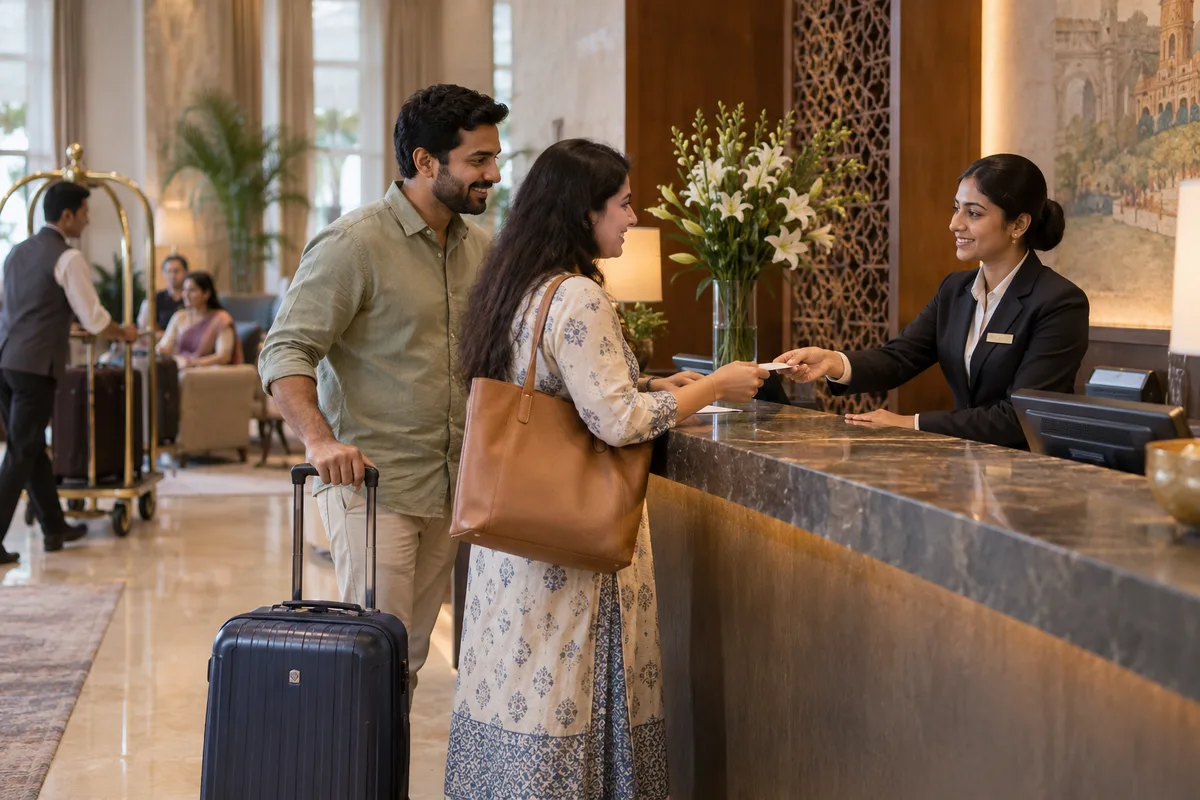 HotelsRooms come through OTA rankings and banquets through wedding families, and the OTA commission eats the margin on repeat guests. We would first give a past guest a reason to book direct.
 Paying guest accommodationsStudents and new joiners search by college or tech park, and a parent asks about safety on the call. A missed call means the advance goes elsewhere, so reply and vacancy tracking come first.
 Resorts and homestaysA traveller who saw the property on a reel books with whoever says whether a sedan reaches the gate and whether there is network. Those answers go on the listing first.
 RestaurantsDiners near home choose from Maps and delivery apps, and the app keeps the customer's number. Maps photographs come first, then a guest record that brings a Saturday app order back direct.
 Serviced apartmentsAn HR or travel desk compares three buildings on one sheet, and the one that sends the stay rate with a GST invoice while they compare stays on it. That reply gets built first.
 Travel agencies and tour operatorsThe itinerary you sent on WhatsApp gets rebuilt on a booking portal, so your quote becomes a free plan. Pages for your signature trips and a follow-up around each holiday season come first.
How buyers choose
What decides who wins in hospitality.
The shortlist is made on a photograph
Before anyone compares a rate, they have opened a Maps result, an OTA page, an Instagram profile or a listing and judged the place from two or three pictures. Old photographs, or ones that do not match the room, the plate or the hall, get passed over silently. Review dates matter as much as the average, and a month-old review beats a good score from two years ago.
Whoever replies first with the full answer wins
The enquiry arrives on WhatsApp during service, or at night from a listing platform. A buyer who has written to several places buys from the one that sends the date, the rate and the answer to the one question asked. Most owners learn they lost it only when they see who booked.
The person paying is often not the person staying
A wedding family, a worried parent, an HR desk placing a new joiner, a facilities head and a travel agent each stand between you and the guest. Each needs a different piece of proof: a quote with GST, a visit, a licence, a reference. Write down who decides in each kind of booking you take, and keep that answer ready.
The calendar sets what is full and what is dark
Muhurta months, long weekends, the academic year and the monsoon decide which days sell themselves. Selling into the gaps needs a written reason, such as a company day package, a monsoon rate or a weekday league. Share it with people who already know you before a competitor does.
Food, lodging and safety are regulated, and buyers test the claims
Kitchens, stays and anyone housing paying guests work under licences and local rules that differ by state and change over time. Check with your own authority or adviser what you must display and what you cannot say in an advertisement. Show a licence number you hold. Do not print a rating or a hygiene badge you cannot show.
The second booking is the cheapest one, and nobody keeps the list
The guest who stayed three times, the tenant's sister, the HR person who booked the last outing and the family you catered for are already in someone's phone. A kept record of who came, when and for what lets you call before the season starts instead of after it.
From the blog
Reading for hospitality owners.
 5 min read · 6 Oct 2026What buyers check before they book a stay or a catererGuests, tenants and event families judge hotels, homestays, PGs, serviced apartments and caterers on the same four checks. Here is what each check looks like and how to pass it.
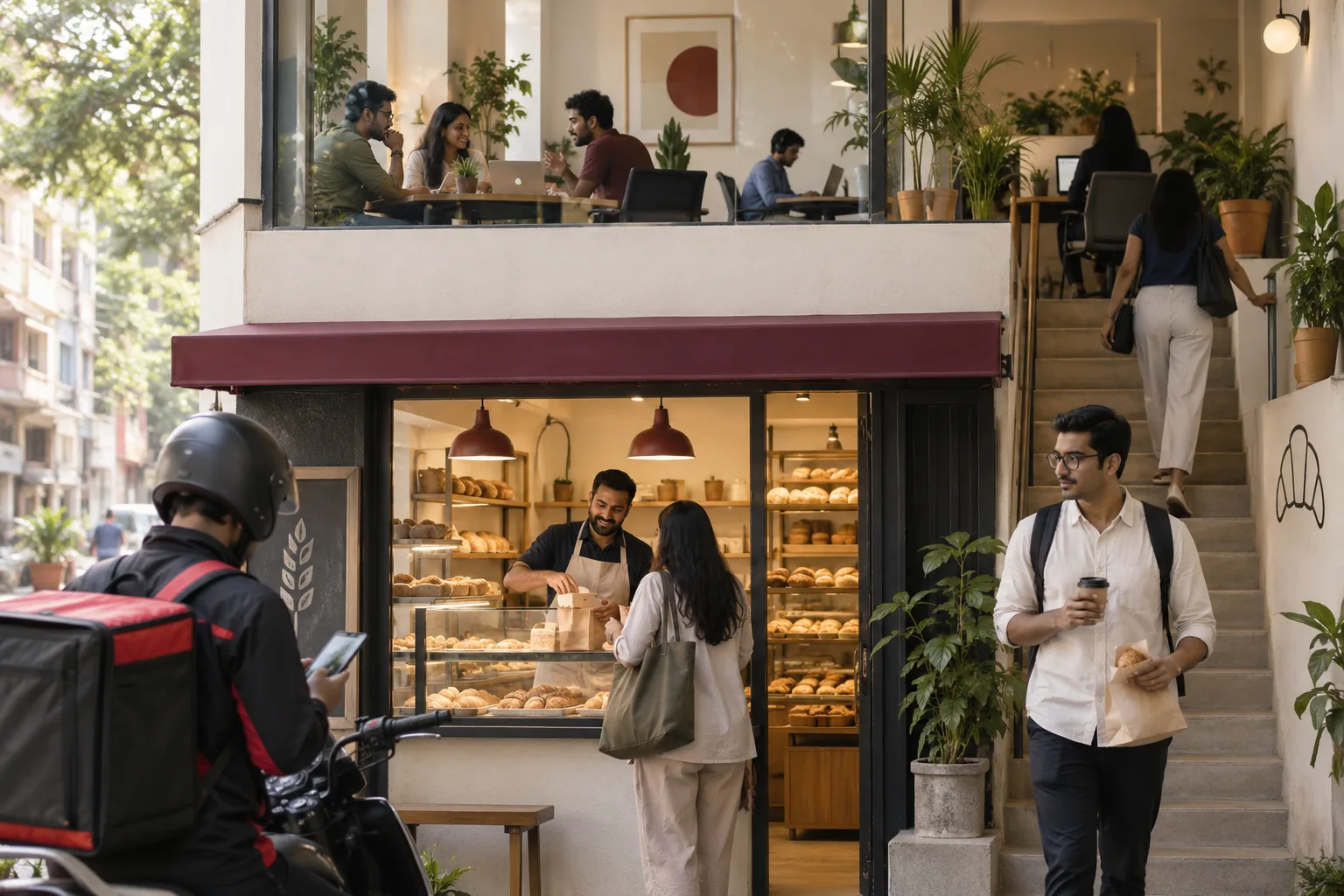 7 min read · 21 Sept 2026How to advertise to startup employeesThere is no tech park to buy. A forty person company sits above a bakery, so the audience is the neighbourhood, the delivery app and the coworking floor.
 7 min read · 18 Nov 2025How to promote a new restaurantOpening week is about being found, not discounted. The first month is about repeat visits and honest reviews. After week three, most launch offers should stop.
Questions
Questions hospitality owners ask.
Not answered here? Ask on WhatsApp or call, and you will speak to someone who does the work.
Why do guests book on an app when they could book with us direct?
Is Google Maps enough, or do we need a website?
How do we get corporate customers, whether rooms, lunches or events?
What can we say about food, safety or cleanliness in our advertising?
How do we fill the days when we are quiet?
Not sure which page fits? See every industry or tell us what you need, and we will start from what you sell.
Your brief
Tell us what you need, and we will read it before we call.
Eight short steps about your business, what you want and who decides. Most questions are a tap, and you can skip any you would rather answer on the call.
Your next practical step
Tell us what you are trying to grow, and we will read it before we call.
Eight short steps, mostly taps. Skip anything you would rather answer on the call.