Lodges · CRM
Keep a record of every returning guest, trader and group so none is forgotten.
A CRM for a lodge is a simple record of who stayed, who sent them and when they are likely to return. GullySales works on setting up that record in a form the counter staff will actually fill, whether a sheet or a light tool.
Scope, fee, reporting and term are agreed in writing after we have read your brief and spoken to you.
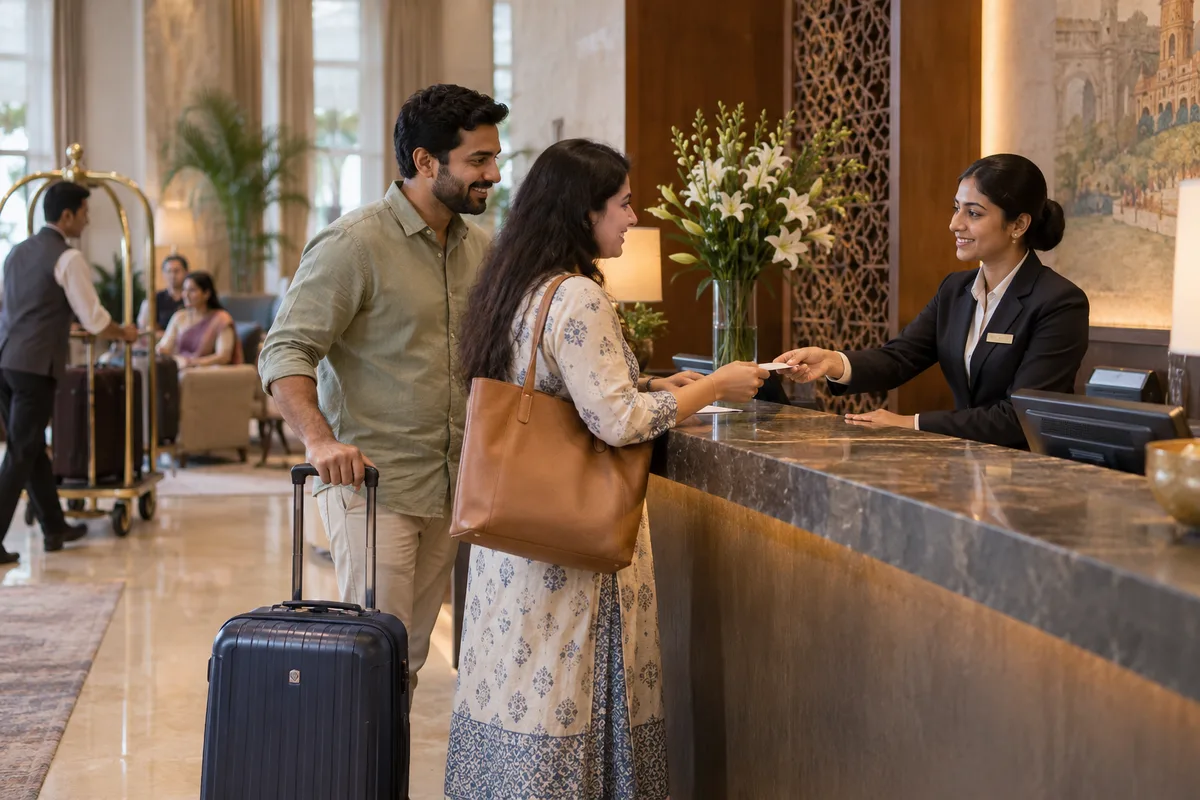
What CRM means
A CRM is the record where every enquiry, call and quote is kept against a customer, replacing separate notebooks, spreadsheets and memory. GullySales sets up or cleans an existing CRM and reports from it by enquiry outcome rather than by activity logged.
Last updated 18 Oct 2026.
For lodges
Where it usually goes wrong, and what we would do.
“The register already holds the data”
Every guest signs an ID register, yet the phone number and the reason for travel rarely go anywhere useful. A second column on the same page is cheaper than any new software.
“Group contacts are worth more than single guests”
One operator can send several rooms in a season. Their name, number, group size and preferred rooms deserve their own sheet, kept apart from the nightly register.
“Staff change and memory goes”
The night clerk who knew the regular trader leaves, and the knowledge goes too. A written note on preferences, such as a quiet room, a bill format or a late checkout, stays.
“A tool nobody opens is worse than a notebook”
A complex system on a phone at the counter gets ignored. The record has to be as quick as writing in the register, or it will not be kept.
What we do
What we deliver for lodges.
The work available for this need. We agree the deliverables and responsibilities for your engagement in writing.
A guest sheet in a form staff will use
A simple sheet or light tool with name, phone, visit dates, room, source and a note.
Result: A sheet that the night clerk fills in at check-in.
A separate group and operator list
Operators, trusts and drivers with their contact, past groups and rates agreed.
Result: Each sender of groups has one line you can read at a glance.
Source tracking
A field that records how the guest found the lodge, filled in from a spoken question.
Result: Entries show Maps, driver, trust, returning or walk-in.
A returning-guest note
Short notes on room preference, bill format and dates of regular visits.
Result: A trader's usual room is written down.
Staff briefing
A short session on how to fill the sheet without slowing check-in.
Result: Every shift uses the same sheet in the same way.
How the result is measured
- Enquiries logged in the CRM
- Data completeness
- Reports generated from CRM data
Recorded as a baseline before work starts, so every later report has an honest comparison.
Fields worth keeping
Keep the fields that let the lodge welcome a returning guest.
- Guest name and phone
- Taken at check-in by the counter staff from what the guest gives. It lets the lodge greet a returning trader by name.
- Purpose of stay
- Temple visit, market trade, hospital or court. Entered at the counter and used to see which guests return.
- Group name and organiser
- Recorded for any booking of several rooms. The organiser is the one to message before the next trip.
- Preferred room
- A ground floor room or a quiet one, noted by staff. A returning guest finds the room they liked.
- Source of the guest
- The driver, agent or shop that sent them, so the lodge can thank the sender.
Who it is for
This is written for these lodges.
- Lodges near bus stands and railway stations
- Pilgrim-town lodges near temples and dargahs
- Highway lodges on truck and tourist routes
- Lodges in market towns for traders and business visitors
- Lodges near hospitals and courts
- Lodges in hill and beach towns with seasonal demand
- Lodges that rent dormitory beds beside private rooms
- Family-run lodges with attached restaurants
Not for
It is not the right fit if.
- The register holds all you need and staff already read it every day.
- Nobody will enter guests at the counter in the evening rush.
- You have no safe way to store ID copies, which should not go into a shared sheet.
Before you decide
Agree the work. Know how to judge it.
CRM for lodges: use these checks to prepare, choose the scope, and review what changes.
Bring the right evidence
List the records your team uses and show how an enquiry becomes an order today. Bring examples of duplicate entries, missing owners, and reports that require manual correction.
Make the scope clear
Agree the stages, required fields, access roles, and integrations before configuring the system. Separate software subscriptions from setup, data work, and training.
Check the work in use
Ask the people who will use the CRM to complete a real handover and find the next action without help. Check that the management report can be traced back to individual records.
Know when to change course
If the process is unclear, buying a more complex CRM adds more places for confusion. Start with the minimum fields and rules the team can use consistently.
These are discussion points, not a fixed package. GullySales confirms the deliverables, responsibilities, fee, and term in writing after reading your brief and speaking with you.
How it works
How the CRM work runs
The work itself, in order. How an engagement starts, from your brief to a written scope, is set out on our method page.
- 1
Sales journey agreement
Your sales lead explains how an enquiry becomes an order, using open deals as examples. We agree which steps belong in the CRM and identify decisions needing your approval.
- 2
Configuration approval
You approve stage definitions, required fields, ownership rules, and access. Unresolved choices are settled before configuration starts.
- 3
Test environment decision
We confirm whether your plan provides a trial copy or separate pipeline. Where neither is available, changes to the live system need an agreed approach before work proceeds.
- 4
Connection and rule checks
Enquiry connections are checked before automations are activated separately. Your nominated owner verifies where records arrive and which person receives each task.
- 5
Sales team acceptance
The people handling enquiries test open deals from entry through closure. Required corrections are resolved before you approve the switch.
- 6
Switch and ownership handover
The agreed configuration goes into use, and your CRM owner receives the final record. Any post-switch corrections included in the scope are documented before handover closes.
Where this fits
Three pieces of sales work, in this order.
This work sits inside sales management. A target, a review routine and someone who owns the number.
Step 1
Sales audit
Find where deals are being lost and what to fix first.
Start here if you cannot say where orders are lost.
Step 2
Sales process design
One written way to sell, from first enquiry to repeat order.
Start here if every salesperson sells differently.
Step 3 · you are here
Sales management
A target, a review routine and someone who owns the number.
Start here if the team has targets and no routine.
FAQ
Questions owners ask before they call.
Not here? More answers, or ask on WhatsApp.
Do we need paid CRM software?
What about guest privacy and ID data?
What about guest privacy and ID data?
Do we need paid CRM software?
How much does it cost?
How long is the contract?
How soon will we see results?
Who will actually do the work?
What do you need from us?
What if we are not happy with the work?
More for lodges
Related work to consider.
Closest to this: leads and follow-up
Also for lodges
Or start from the overview: sales and marketing for lodges.
Your next practical step
Tell us what you are trying to grow, and we will read it before we call.
Eight short steps, mostly taps. Skip anything you would rather answer on the call.