Food product wholesalers · Lead generation
Find the kitchens and shops that are ready to change their wholesaler.
Lead generation for a food product wholesaler is the work of finding buyers who need a supplier for rice, pulses, oils, spices or dry fruits and getting their name and phone number onto your list. GullySales works on where those buyers can be found, how an enquiry is captured and who answers it.
Scope, fee, reporting and term are agreed in writing after we have read your brief and spoken to you.
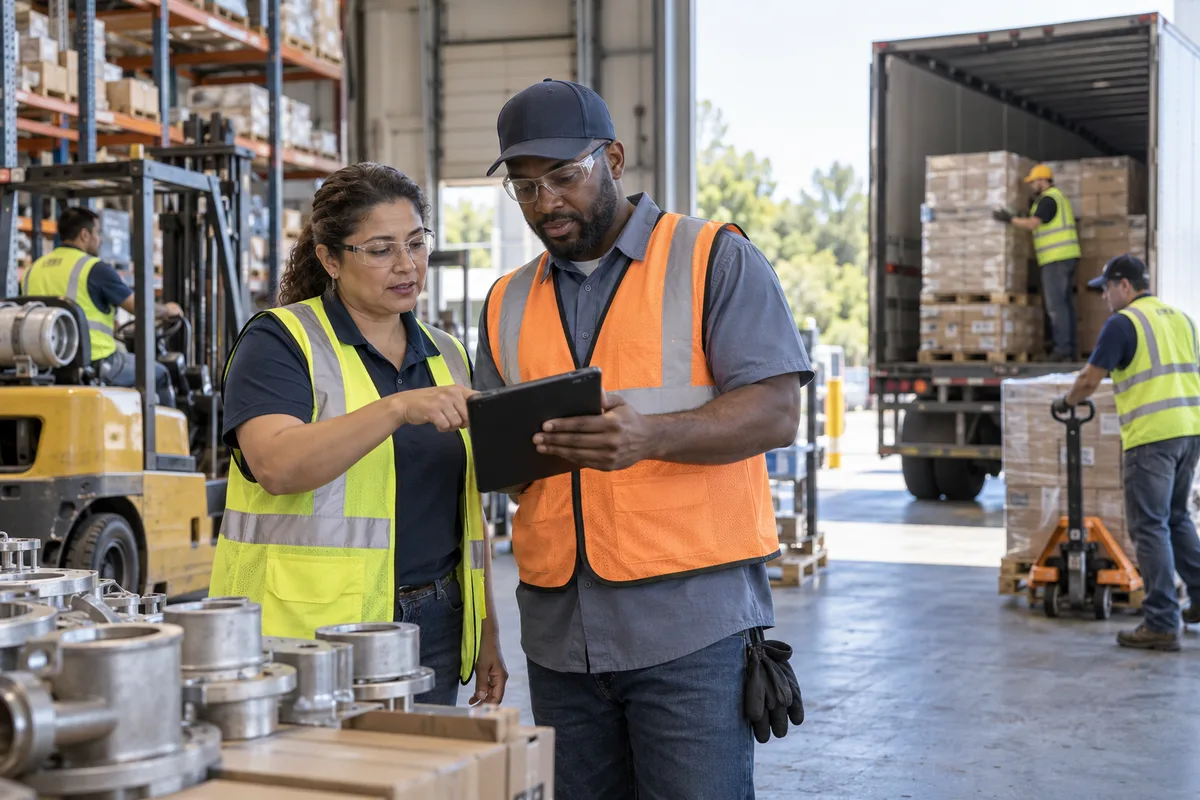
What lead generation means
Lead generation is the combined work of every channel that brings in a new enquiry, whether from search, adverts, referrals or a stall at an exhibition. GullySales runs these channels together and reports the number of enquiries each one produced, not the activity behind it.
Also for food product wholesalers
- CRM for food product wholesalers
- Follow-up systems for food product wholesalers
- SEO for food product wholesalers
- Local SEO for food product wholesalers
- Social media marketing for food product wholesalers
- Content marketing for food product wholesalers
- Buyer personas for food product wholesalers
- WhatsApp marketing for food product wholesalers
Sales and marketing for food product wholesalers, the overview.
Last updated 18 Oct 2026.
For food product wholesalers
Where it usually goes wrong, and what we would do.
“The buyer you want is already buying from someone”
A hotel purchase manager or a sweet shop owner has a wholesaler today. A lead appears only when that supplier slips on a rate, a delivery or a bad lot. Your list needs to be in front of them on that day, not found by chance.
“Enquiries come from four doors and are counted at none”
Phone calls, WhatsApp messages, IndiaMART requests and walk-ins at the godown all bring buyers. Nobody adds them up, so the owner cannot say which door brought the caterer who now orders every week.
“An outstation enquiry is a request for proof”
A buyer in another town asking for a dry fruit rate has never met you. They want a rate, a sample and a name to call. A bare price with no sample offer reads like a trader who will not follow up.
“Volume buyers are findable but nobody goes looking”
Hotel kitchens, hostel messes, caterers and bakeries in your delivery area can be listed by name. The usual wholesaler waits for the phone instead of writing to the purchase manager who orders every week.
What we do
What we deliver for food product wholesalers.
Every deliverable, what it covers for you, and the result it is there to produce. Nothing here is an extra.
A target list of kitchens and shops by area
Hotels, caterers, messes, bakeries and kirana shops in the areas you deliver to, each with a contact and the items they would buy.
Result: A list the salesmen can work through, street by street.
A first message for each buyer type
One short introduction for purchase managers and another for shop owners, each carrying a current rate and a way to ask for a sample.
Result: Each buyer type gets a message written for the way they buy.
One capture point for every enquiry
Calls, WhatsApp messages and marketplace requests logged in one sheet with source, item, quantity and who replied.
Result: The owner can see which door brought which buyer.
A reply format for outstation requests
A set answer with the rate, pack sizes, sample steps and a call time, so a buyer in another town is not left waiting.
Result: Every outstation enquiry gets the same complete reply.
A lost-buyer list to win back
Buyers who ordered once or went quiet, pulled from your own records with the item they bought last.
Result: A named list of past buyers to approach again.
How the result is measured
- Enquiries generated
- Cost per enquiry
- Enquiries by source
Recorded as a baseline before work starts, so every later report has an honest comparison.
What to capture or send
What to record when a kitchen or shop asks for a rate, before it becomes a buyer.
- Item, grade and pack asked
- Write the exact item, the grade and the pack size the buyer named. A request for 25 kg sona masoori and one for loose rice are two different quotes.
- Kind of buyer
- Mark whether the asker is a kirana, a caterer, a hotel or an institution. Their credit habits, order sizes and delivery points differ, and so does the rate list.
- Current supplier and why change
- Ask who supplies today and what went wrong. A buyer who names a late delivery or a mixed-grade lot has told you what to promise.
- Sample requested
- Note the item sent, the date and who tasted or checked it. A sample with no recorded next step is a cost with no follow-up.
- Credit asked on the first order
- Capture the credit days requested before quoting. It decides whether the first lot goes out on advance, part payment or terms.
Who it is for
This is written for these food product wholesalers.
- Rice, flour and pulses wholesalers in the main grain market
- Edible oil and ghee wholesalers selling tins, cartons and loose
- Spices and masala wholesalers supplying retailers and caterers
- Dry fruit, nuts and dates traders selling by the carton
- Sugar, jaggery and sweetener wholesalers
- Packed food and snacks wholesalers who buy from several brands
- Frozen and chilled food wholesalers with cold storage
- Bakery and confectionery ingredient suppliers
Not for
It is not the right fit if.
- Your stock changes every day, so that a rate quoted today is wrong by the time the buyer replies, so more enquiries would lose trust.
- No one can take a sample to a kitchen on the day it is asked for, so the lead would go cold in the packing room.
How it works
How the lead generation work runs
The work itself, in order. How an engagement starts, from your brief to a written scope, is set out on our method page.
- 1
Understand your capacity
We ask how many enquiries your team can answer well, who answers after hours, and what a good enquiry looks like. Without this, the system fills a funnel nobody is watching.
- 2
Audit current sources
We read your call log, WhatsApp chats, enquiry sheet and platform dashboards. The baseline is recorded: enquiries by source, reply time, conversion and cost per order.
- 3
Strategise the channel mix
Search and maps are chosen for people ready to buy, ads for people who are not yet looking, and content and referrals for trust.
- 4
Implement capture and follow-up
Pages, forms, tags, the lead record and the first-reply message are built and tested end to end. We submit test enquiries ourselves before any media money is spent.
- 5
Measure and optimise
Enquiries are traced to source and judged by what became orders, not by volume alone. Channels that fill the sheet with poor enquiries are cut back. How often you are reported to is agreed in writing.
Where this fits
Three pieces of sales work, in this order.
This work sits inside sales process design, at stage 1, prospecting and lead generation. The audit comes before it, and sales management keeps it running.
Step 1
Sales audit
Find where deals are being lost and what to fix first.
Start here if you cannot say where orders are lost.
Step 2 · you are here
Sales process design
One written way to sell, from first enquiry to repeat order.
Start here if every salesperson sells differently.
Step 3
Sales management
A target, a review routine and someone who owns the number.
Start here if the team has targets and no routine.
FAQ
Questions owners ask before they call.
Not here? More answers, or ask on WhatsApp.
Is a lead the same as an order?
We already get calls. Why do we need lead generation?
Do we pay for IndiaMART leads?
Should we chase kitchens we have never met?
How much does it cost?
How long is the contract?
How soon will we see results?
Who will actually do the work?
What do you need from us?
What if we are not happy with the work?
More for food product wholesalers
Everything else we would do for you.
Closest to this: leads and follow-up
Also for food product wholesalers
Or start from the overview: sales and marketing for food product wholesalers.
Your next practical step
Tell us what you are trying to grow, and we will read it before we call.
Eight short steps, mostly taps. Skip anything you would rather answer on the call.