Aerospace and defence component manufacturers · Website
Build a site that a quality head can check before they pick up the phone.
A website for an aerospace or defence component maker shows what a sourcing and quality team looks for: capabilities, approvals, equipment, inspection and a way to send a drawing. GullySales plans, writes and builds the pages, sets up tracking, and leaves the domain and hosting in your name.
Scope, fee, reporting and term are agreed in writing after we have read your brief and spoken to you.
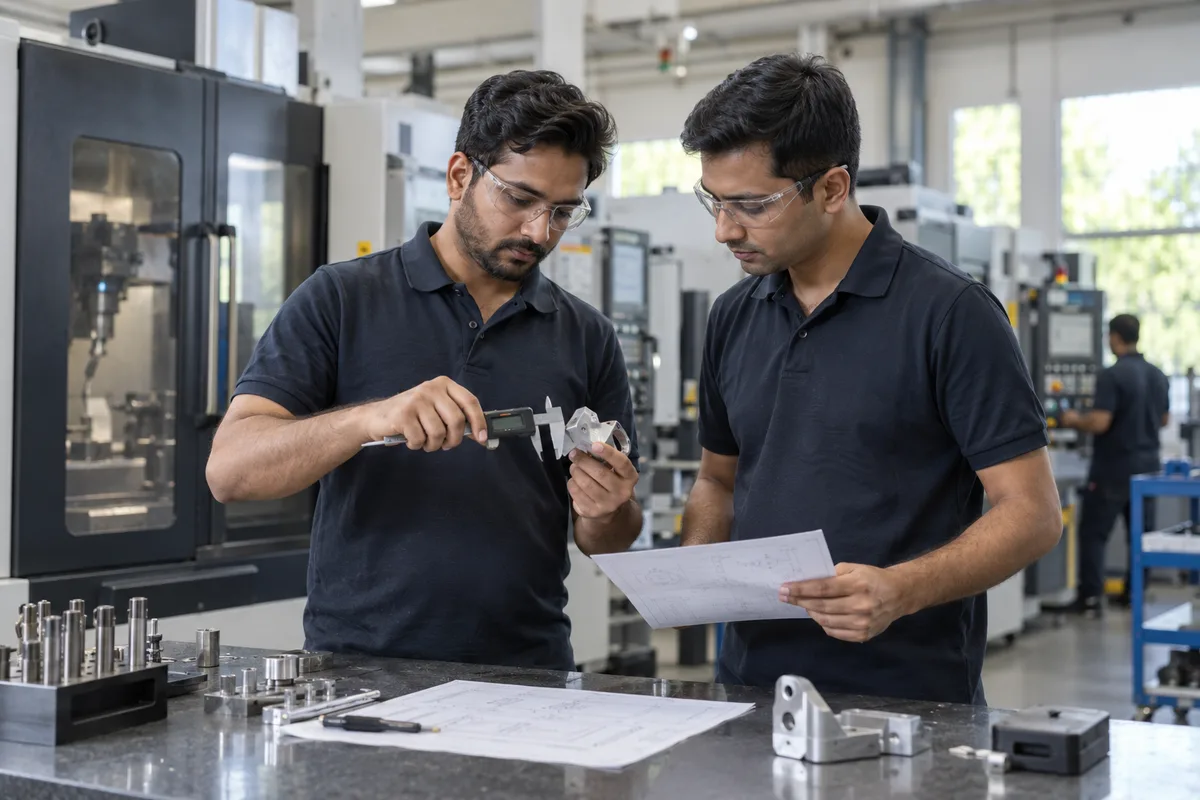
What website means
A website is the page a customer lands on after searching, clicking an advert or scanning a code, and it decides whether they call or leave. GullySales builds and maintains sites that load quickly, explain the offer plainly and make the enquiry form or phone number easy to find.
Also for aerospace and defence component manufacturers
- SEO for aerospace and defence component manufacturers
- Google Ads for aerospace and defence component manufacturers
- Lead generation for aerospace and defence component manufacturers
- CRM for aerospace and defence component manufacturers
- Content marketing for aerospace and defence component manufacturers
- Email marketing for aerospace and defence component manufacturers
- Sales process for aerospace and defence component manufacturers
- Buyer persona for aerospace and defence component manufacturers
Sales and marketing for aerospace and defence component manufacturers, the overview.
Last updated 14 Nov 2026.
For aerospace and defence component manufacturers
Where it usually goes wrong, and what we would do.
“The site says 'we manufacture precision parts'”
A buyer wants alloys, sizes and processes. A line about precision tells them nothing they can use.
“Approvals and equipment are hidden”
The certificates are on a wall in the plant. A buyer evaluating a new supplier needs them before a visit.
“There is no safe way to send a drawing”
A buyer would have to email a file to a general address. A serious buyer will not do that for an unknown shop.
What we do
What we deliver for aerospace and defence component manufacturers.
The work available for this need. We agree the deliverables and responsibilities for your engagement in writing.
A capability and equipment section
Every process, machine group, material and size range laid out in plain text, with photographs of your own shop.
Result: A buyer sees what you can make.
An approvals and quality page
Certificates, scope, the inspection equipment and the quality process, with the certificate copies attached.
Result: A quality head can check you before a call.
A drawing and RFQ form
A form that asks for part, quantity, drawing and a contact, with a clear note on how files are handled.
Result: RFQs arrive complete.
Pages by buyer type
Pages for integrators, public sector units, Tier-2 suppliers and export buyers.
Result: Each reader finds a page written for them.
Tracking and ownership
Analytics, enquiry tracking and the domain, hosting and access held in your company's name.
Result: You know what the site brings and you own it.
How the result is measured
- Page load time
- Bounce rate
- Enquiries from the website
Recorded as a baseline before work starts, so every later report has an honest comparison.
What the page must show
What a sourcing engineer and a quality head look for on a component maker's website.
- Processes, materials and size range
- List the alloys by grade, the machines by type and the largest part you can handle. Vague words send a buyer elsewhere.
- Approvals and scope
- State each approval, its scope and the issuing body, with the certificate. Do not show an approval that has lapsed.
- The inspection room
- Show the equipment and the types of report you issue. A buyer judges your discipline from the inspection room, not from the lathe.
- A drawing form that respects confidentiality
- Tell the buyer how the file is stored and who sees it. Offer a way to ask for an NDA first.
- The plant address and a person to call
- Give the plant location, a named contact and a working number. A buyer visiting for an audit wants to find the gate.
- What to leave off
- Do not name programmes or customers without written permission, and do not show parts under a confidentiality clause. Photographs of your own machines make a better page.
Who it is for
This is written for these aerospace and defence component manufacturers.
- Machining shops for airframe and engine parts
- Sheet metal and fabrication units
- Casting and forging suppliers
- Special process houses for heat treatment, plating and coating
- Cable harness and electronics assembly units
- Fastener and precision turned parts makers
- Tooling, jigs and fixture makers
- Defence sub-assembly vendors supplying public sector units
Before you decide
When this may not be the right fit.
- You have not collected your certificates, equipment list and inspection details, so a rebuilt site would be a new design with the same empty claims.
- You cannot set up a safe way to receive drawings, and a form that asks for them without that would worry a quality head.
- Your domain and hosting are held by a former vendor and ownership is not settled, so the site would be built on something you do not control.
Before you decide
Agree the work. Know how to judge it.
Website for aerospace and defence component manufacturers: use these checks to prepare, choose the scope, and review what changes.
Bring the right evidence
List the pages that support a buying decision and the actions visitors must complete. Keep examples of failed forms, unclear product information, and questions your team answers repeatedly.
Make the scope clear
Agree the page list, content ownership, integrations, and who controls the domain and hosting. Include redirects and existing search traffic in a redesign brief, before changing addresses.
Check the work in use
Complete a real enquiry journey on a phone and a laptop. Check that the confirmation appears, the enquiry reaches the right person, and tracking records the action once.
Know when to change course
If visitors can enquire but the team does not follow up, start with the sales handover. A larger website will not resolve that delay.
These are discussion points, not a fixed package. GullySales confirms the deliverables, responsibilities, fee, and term in writing after reading your brief and speaking with you.
Before we start
What to have ready before the work starts.
The records, access and decisions this work needs from aerospace and defence component manufacturers. Anything missing is noted in the written scope, with who will supply it.
- An equipment list with make and capacity
- Provide the machines the shop runs, with make, model, travel or size and the inspection equipment. A spreadsheet is enough. Without it, the equipment page is vague, and a sourcing engineer who wants to check capacity finds nothing to check. Where details are unknown, mark the gap. Without the list, the equipment page is vague, and a sourcing engineer who wants to check capacity finds nothing to check.
- Approval documents ready to publish
- Bring the certificates and scope sheets the quality head agrees may appear publicly. Scans are fine. Without them, the approvals page is empty, and the claim a buyer checks first has nothing behind it. Provide the certificates and scope sheets that the quality head agrees may appear publicly, in scanned form. Without them, the approvals page is empty, and the claim a buyer checks first has nothing behind it. If a certificate is being renewed, say so, and we leave it out until the new one arrives.
- The domain and hosting in the company's name
- Confirm that the domain and hosting are registered to the company, and give us the logins or the vendor's name. Without this, the site could end up owned by the agency that built it, and a dispute then closes the company's own website. If the registrar is unknown, we help look it up from the domain record, because a dispute over ownership can close a company's website.
- Photographs of plant and inspection room
- Collect photographs that show machines and the inspection room, without customer parts, tooling or drawings visible. Phone photographs are accepted. Without them, the site uses stock pictures, and a buyer who visits sees a different plant from the one shown. Each photograph is checked by the plant head. Without them, the site uses stock images and a buyer who visits sees a different plant.
- A secure place for incoming drawings
- Decide where uploaded drawings are stored and who may open them. A controlled folder with named access is enough. Without it, the form has nowhere safe to send files, and the shop cannot promise a customer that their drawing stays private. Without a place that is controlled, the form cannot send files anywhere safe, and the shop cannot promise a customer that a drawing stays private.
How it works
How the website work runs
The work itself, in order. How an engagement starts, from your brief to a written scope, is set out on our method page.
- 1
List what a quality team looks for
We list the things a sourcing and quality team looks for before they visit: processes, machines, material control, inspection, approvals, delivery record and a way to send a drawing. You mark which of them the shop can show honestly. The list becomes the checklist the site is built to. The checklist is kept as a page, for review.
- 2
Sketch the sitemap with the owner
On one page we draw the pages the site needs: capabilities by process, equipment, approvals and quality, pages by buyer type, the drawing form and a contact page. The owner removes anything unsupported. Nothing is designed until the sitemap is agreed. The sitemap fits on a sheet of paper, so that the owner can read it without a meeting and decide what to cut. Items without support are removed instead of padded.
- 3
Write capability and equipment pages with engineers
Shop engineers explain each process and machine to us, and we write the pages in plain English, with make, capacity and inspection where the plant head approves. Customer names are left out. The engineers correct every sentence before the page is built. Anything that the plant head does not want shown is left out, even if it would help.
- 4
Build the drawing and RFQ form
We build a form that takes a drawing, the quantity, the material and the contact, and sends it to a named person and a shared inbox. A test drawing is uploaded and traced. Your estimator confirms it arrived complete. The form states plainly how drawings are handled. A file that is too large is rejected with a clear message.
- 5
Test on a phone and on the plant PC
The test site is opened on phones and on an older plant computer, and we watch for slow pages and broken layouts. Your people list the problems. We correct them, and the public site is not touched until the test copy reads well on both. The older computer is the one the plant head actually uses.
- 6
Launch and compare enquiries with the start
Once the site is live, we count the enquiries and drawings by page and compare them with the figures taken before the work. You tell us which were serious. We then agree which pages to extend, and hand over the domain, hosting and access in your name. The page set is revised after the first reading of the figures.
Where this fits
Three pieces of sales work, in this order.
This work sits inside sales process design, at stage 1, prospecting and lead generation. The audit comes before it, and sales management keeps it running.
Step 1
Sales audit
Find where deals are being lost and what to fix first.
Start here if you cannot say where orders are lost.
Step 2 · you are here
Sales process design
One written way to sell, from first enquiry to repeat order.
Start here if every salesperson sells differently.
Step 3
Sales management
A target, a review routine and someone who owns the number.
Start here if the team has targets and no routine.
FAQ
Questions owners ask before they call.
Not here? More answers, or ask on WhatsApp.
Do we need our own website if we are on IndiaMART?
Do we need pages in Hindi?
Does the site need to be fast on a phone?
Who should own the domain?
Should the site list the customers we supply?
How large can an uploaded drawing be?
How much does it cost?
How long is the contract?
How soon will we see results?
Who will actually do the work?
More for aerospace and defence component manufacturers
Related work to consider.
Closest to this: search and visibility
Also for aerospace and defence component manufacturers
- Google Ads for aerospace and defence component manufacturers
- Lead generation for aerospace and defence component manufacturers
- CRM for aerospace and defence component manufacturers
- Content marketing for aerospace and defence component manufacturers
- Email marketing for aerospace and defence component manufacturers
- Sales process for aerospace and defence component manufacturers
Or start from the overview: sales and marketing for aerospace and defence component manufacturers.
Your next practical step
Tell us what you are trying to grow, and we will read it before we call.
Eight short steps, mostly taps. Skip anything you would rather answer on the call.