Beverage manufacturers · WhatsApp marketing
Take orders and answer rate questions where dealers and caterers already talk.
WhatsApp marketing for a beverage maker is using the app for rate cards, order messages and dealer updates with people who have agreed to hear from you. GullySales sets up the catalogue, the replies and the lists, and you check the platform's current rules.
Scope, fee, reporting and term are agreed in writing after we have read your brief and spoken to you.
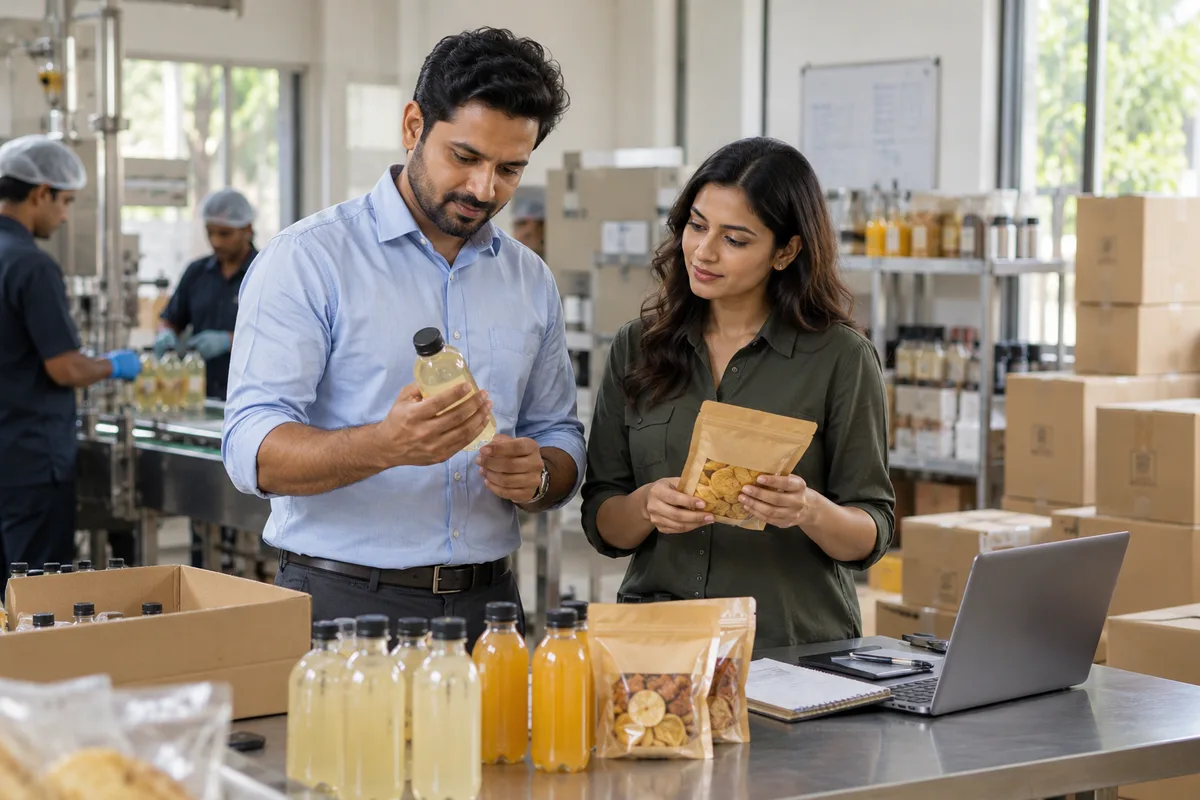
What WhatsApp marketing means
WhatsApp marketing is sending updates, offers and reminders to customers on the app most Indian buyers already check daily. GullySales sets up business WhatsApp, writes the message templates and keeps the list consented and current.
Also for beverage manufacturers
- Lead generation for beverage manufacturers
- SEO for beverage manufacturers
- Social media marketing for beverage manufacturers
- Content marketing for beverage manufacturers
- Buyer personas for beverage manufacturers
- CRM for beverage manufacturers
- Follow-up systems for beverage manufacturers
- Digital marketing for beverage manufacturers
Sales and marketing for beverage manufacturers, the overview.
Last updated 18 Oct 2026.
For beverage manufacturers
Where it usually goes wrong, and what we would do.
“Dealers place orders in chat, not in forms”
A wholesaler sends a message listing cases and expects a reply. If the order sits in a salesman's personal phone, nobody else can see it, and the plant does not know what was promised.
“A caterer forwards your rate card to the family”
The decision-maker for a wedding never speaks to you. A clear card with case rates, delivery area and a contact that gets forwarded works for you in a conversation you will never see.
“Broadcasting to everyone annoys the people who matter”
A dealer who gets every festival greeting and every scheme turns off notifications. Separate lists for dealers, caterers and institutions keep each message relevant.
“Consent matters on a business number”
Adding a shopkeeper to a group or a list without asking creates complaints. Ask first, keep a record of who agreed, and check the platform's current rules on business messaging.
What we do
What we deliver for beverage manufacturers.
The work available for this need. We agree the deliverables and responsibilities for your engagement in writing.
A business profile and catalogue
Your products, pack sizes and ordering details set out in the business app, with a shared number answered by a named person.
Result: A profile a dealer can find and message.
Separate contact lists by buyer
Dealers, retailers, caterers and institutions kept apart, with a record of who agreed to receive messages.
Result: Lists you can send to without mixing audiences.
Reply templates for common questions
Answers on rates, minimum order, delivery day and breakage handling, ready to edit and send.
Result: A set of replies the whole team can use.
An order capture routine
A way to move chat orders into your order record the same day, with confirmation sent back.
Result: Each chat order appears in the log with a confirmation.
A scheme announcement format
A short, clear message for new schemes and stock-outs, with the terms stated in full.
Result: A format dealers can read at once.
How the result is measured
- Messages delivered
- Reply rate
- Enquiries from WhatsApp
Recorded as a baseline before work starts, so every later report has an honest comparison.
What to capture or send
What to save and what to send on a bottler's business number.
- Dealer's town, district and wholesaler
- Saved when the contact is first added. It lets you send a scheme only to dealers in the district it covers.
- Opt-in note and date
- Record that the dealer or caterer agreed to messages and when. It protects the number and tells you who to leave off a broadcast.
- Scheme message with the end date
- One message per scheme, giving the discount, the packs and the last day. A dealer reads it once and acts or forgets.
- Case rate card for caterers
- A single image of case prices, delivery localities and the cut-off, sent on request. It is the card a caterer forwards to the host.
- Order text and the dispatch reply
- A fixed reply to a dealer order confirming pack, quantity and the person who will dispatch. It cuts misreads between order and truck.
Who it is for
This is written for these beverage manufacturers.
- Regional soft drink and soda bottlers
- Goli soda and local fizz makers
- Energy and sports drink brands
- Ready-to-drink tea, coffee and lassi brands
- Contract bottlers and co-packers
- Syrup, squash and drink concentrate makers
- Flavoured water and mocktail mix brands
- Beverage start-ups with a contract-manufactured product
Not for
It is not the right fit if.
- Your dealers have not agreed to receive messages from the business number, so a broadcast would reach people who never asked.
- The number is a salesman's personal phone, so orders and contacts would leave with that person.
- You want to send schemes to every shopkeeper in town, when only the ones who chose to hear from you should receive them.
Before you decide
Agree the work. Know how to judge it.
WhatsApp marketing for beverage manufacturers: use these checks to prepare, choose the scope, and review what changes.
Bring the right evidence
Describe how the contact list was collected, what people asked to receive, and which messages are currently sent. Include opt-outs and replies when reviewing campaign performance.
Make the scope clear
Agree the audience, message purpose, sending system, and response owner. Separate promotional communication from order or service updates, and check current platform requirements before launch.
Check the work in use
Test the message with a small appropriate audience before wider use. Check links, reply handling, opt-outs, and whether the response leads to a relevant conversation or order.
Know when to change course
Do not use an unexplained contact list as a shortcut to demand. If recipients do not expect the message, resolve the permission and relevance questions before sending.
These are discussion points, not a fixed package. GullySales confirms the deliverables, responsibilities, fee, and term in writing after reading your brief and speaking with you.
How it works
How the whatsapp marketing work runs
The work itself, in order. How an engagement starts, from your brief to a written scope, is set out on our method page.
- 1
Conversation review and priorities
You share relevant chats and explain where enquiries stall. We agree which questions belong in the first scope and record the available baseline before changes begin.
- 2
App or API decision
We compare your reply needs with the current setup. You approve the route, including any separate API setup work, before committing to provider costs.
- 3
Contact and content approval
Your team confirms which contacts have permission and approves the replies. Clinics and other regulated organisations arrange their own compliance review before messages are used.
- 4
Routing and record agreement
The person responsible for sales confirms ownership rules and required CRM fields. We identify any wider CRM work that needs a separate scope.
- 5
Testing and release approval
Test conversations check the reply path and human takeover. You approve release after reviewing the messages and sample records.
- 6
Outcome review and changes
We review unanswered questions and recorded outcomes against the baseline at the agreed reporting points. Changes to replies or routing return to your nominated approver.
Where this fits
Three pieces of sales work, in this order.
This work sits inside sales process design, at stage 0, foundation. The audit comes before it, and sales management keeps it running.
Step 1
Sales audit
Find where deals are being lost and what to fix first.
Start here if you cannot say where orders are lost.
Step 2 · you are here
Sales process design
One written way to sell, from first enquiry to repeat order.
Start here if every salesperson sells differently.
Step 3
Sales management
A target, a review routine and someone who owns the number.
Start here if the team has targets and no routine.
FAQ
Questions owners ask before they call.
Not here? More answers, or ask on WhatsApp.
Can we send bulk messages to all shopkeepers?
Should the plant use one number or several?
Is WhatsApp enough to run dealer communication?
How do we keep the number from being blocked?
How much does it cost?
How soon will we see results?
Who will actually do the work?
What do you need from us?
What if we are not happy with the work?
More for beverage manufacturers
Related work to consider.
Or start from the overview: sales and marketing for beverage manufacturers.
Your next practical step
Tell us what you are trying to grow, and we will read it before we call.
Eight short steps, mostly taps. Skip anything you would rather answer on the call.