Building and construction material manufacturers · Outsourced dealer sales support
A dealer with a contractor at the counter needs a rate, and needs it now.
Outsourced dealer sales support for a building material maker is a desk that handles the dealer traffic your sales team has no time for: rate and quotation requests, order-status questions, enquiry hand-offs and follow-up calls. GullySales runs the desk within a written scope, keeps the records in your system and sends anything on dealer terms back to you.
Scope, fee, reporting and term are agreed in writing after we have read your brief and spoken to you.
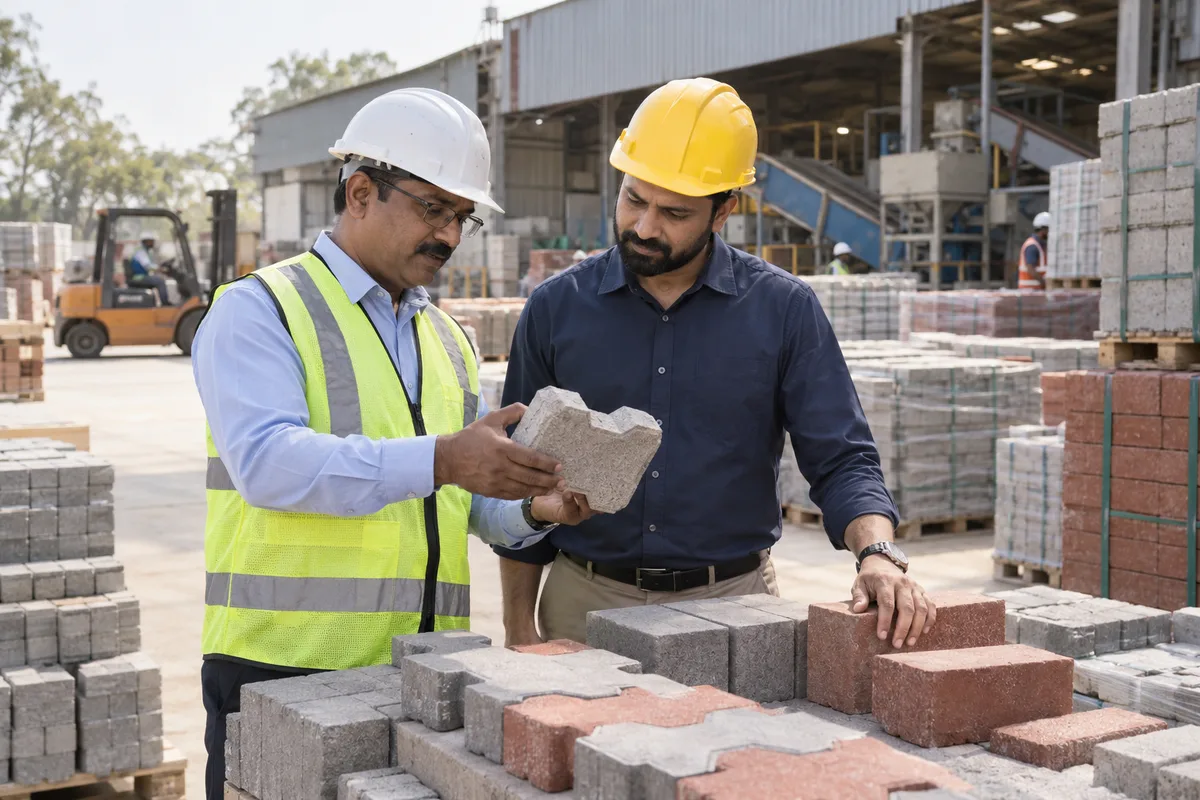
What outsourced dealer sales support means
Outsourced dealer sales support is a desk that handles a manufacturer's day-to-day dealer traffic: enquiry hand-offs, follow-up calls, quotation requests, order-status questions and dealer queries. GullySales runs that desk within a written scope, keeps every record in your own system, and sends anything touching dealer terms or pricing back to you.
Also for building and construction material manufacturers
- Retailer marketing for building material manufacturers
- Channel partner engagement campaigns for building material manufacturers
- Dealer network brand visibility for building material manufacturers
- SEO for building and construction material manufacturers
- PPC ads for building and construction material manufacturers
- Lead generation for building and construction material manufacturers
- CRM for building and construction material manufacturers
- Content marketing for building and construction material manufacturers
Sales and marketing for building and construction material manufacturers, the overview.
Last updated 11 Oct 2026.
For building and construction material manufacturers
Where it usually goes wrong, and what we would do.
“The contractor is at the counter and the quotation is with the field team”
A dealer rings for a delivered rate on a quantity of blocks, tiles or conduit because a contractor is comparing three suppliers. Your salesperson is on a site visit. By the time the figure arrives, the contractor has chosen the brand that answered while they stood there.
“Order status goes through three desks”
Dispatch says ask sales, sales says ask accounts, and the dealer is told to ring tomorrow. A truck that left the plant that morning looks late because nobody can say where it is. A desk with the dispatch sheet in front of it can answer in one call.
“You passed the enquiry to a dealer and never heard back”
A builder rings your website and you hand the enquiry to the dealer in that town. Nobody records whether the dealer called, quoted or dropped it. You cannot tell a weak enquiry from a weak dealer, so you cannot fix either.
“Two staff give two readings of the same scheme”
One person explains the scheme by slab and another by invoice. Dealers learn to ask until they hear the answer they prefer. A written answer sheet, kept current by the desk, gives every dealer the same reply.
What we do
What we deliver for building and construction material manufacturers.
The work available for this need. We agree the deliverables and responsibilities for your engagement in writing.
A dealer desk scope document
A written list of what the desk handles, what it passes to you and who receives each item. Dealer margins, discounts and credit are named as yours alone.
Result: Everyone can see where the desk stops and the sales head starts.
Quotation drafts from your rate list
Delivered-rate quotations assembled from your price list, freight table and minimum order terms, with the test certificate attached. Anything outside the list goes to your sales head to approve.
Result: A dealer receives a complete quotation with the inclusions stated.
A dealer query log
Every call and message recorded with the question, the answer given and the owner of any open item. Repeat questions become a short dealer answer sheet.
Result: You can see which question dealers ask again and again, and fix the cause.
An enquiry hand-off record
Each enquiry passed to a dealer is logged with the dealer, the date sent and the reported outcome, with a follow-up call to the dealer where the outcome is missing.
Result: Every enquiry has an outcome written against it.
Order-status replies from your dispatch records
A routine for answering where-is-my-order questions from the dispatch sheet you maintain, with delays passed to your logistics head to explain.
Result: Dealers get a status from one place and stop ringing three people.
How the result is measured
- Dealer queries answered and open items
- Time from dealer enquiry to first reply
- Enquiry hand-offs with a recorded dealer outcome
Recorded as a baseline before work starts, so every later report has an honest comparison.
Who it is for
This is written for these building and construction material manufacturers.
- AAC block and fly ash brick makers
- Concrete block, paver and kerbstone manufacturers
- Ready-mix concrete plants
- M-sand and aggregate crushers
- Tile and sanitaryware manufacturers
- Tile adhesive, putty and waterproofing makers
- UPVC and aluminium window and door fabricators
- TMT bar and steel product rerollers
- Pipe, fitting and electrical conduit makers
- Plywood, laminate and door manufacturers
Before you decide
Agree the work. Know how to judge it.
Outsourced dealer sales support for building material manufacturers: use these checks to prepare, choose the scope, and review what changes.
Bring the right evidence
Map existing partners, their territories, and the customers they serve. Review active selling and repeat orders separately from the number of partners signed up.
Make the scope clear
Agree partner fit, territory rules, onboarding, and support responsibilities. Clarify how direct enquiries and partner enquiries are assigned before starting recruitment.
Check the work in use
Follow a partner enquiry through to an order and the next purchase. Check whether the partner has the product knowledge and material needed to sell without repeated intervention.
Know when to change course
If current partners cannot sell because supply or support is weak, resolve that before recruiting more. A bigger network can spread the same problem further.
These are discussion points, not a fixed package. GullySales confirms the deliverables, responsibilities, fee, and term in writing after reading your brief and speaking with you.
How it works
How the outsourced dealer sales support work runs
The work itself, in order. How an engagement starts, from your brief to a written scope, is set out on our method page.
- 1
Scope and authority
You send the requirements brief and we talk through which dealer traffic moves to the desk. The written scope names what the desk may say and what it must pass to you.
- 2
Source documents
You supply the current price list, scheme sheets, dealer list and order or dispatch access. Anything missing or out of date is listed before the desk answers a dealer.
- 3
Answer sheet approval
We draft standard answers to the common dealer questions. Your sales head approves them and names the person who handles each escalation.
- 4
Trial with a few dealers
The desk starts with dealers you pick. You read the query log, correct wrong answers and decide whether to widen the group.
- 5
Daily desk work
The desk logs queries, chases hand-offs, drafts quotations and sends status updates. Pricing or terms questions go to your named person the same day.
- 6
Review and continuation
Results are read against the baseline recorded at the start. You decide whether to keep, widen or move the desk in-house, with the logs as the handover.
Where this fits
Three pieces of sales work, in this order.
This work sits inside sales process design, at stage 1, prospecting and lead generation. The audit comes before it, and sales management keeps it running.
Step 1
Sales audit
Find where deals are being lost and what to fix first.
Start here if you cannot say where orders are lost.
Step 2 · you are here
Sales process design
One written way to sell, from first enquiry to repeat order.
Start here if every salesperson sells differently.
Step 3
Sales management
A target, a review routine and someone who owns the number.
Start here if the team has targets and no routine.
FAQ
Questions owners ask before they call.
Not here? More answers, or ask on WhatsApp.
Who approves a discount a dealer asks for?
Does the desk speak to builders and contractors?
What do we need ready before the desk starts?
How much does it cost?
How soon will we see results?
Who will actually do the work?
What do you need from us?
What if we are not happy with the work?
From the blog
Further reading for building and construction material manufacturers.
 6 min read · 15 Sept 2026A quotation format for a small factory: what each line should sayA line-by-line quotation format for a factory buyer, showing which of the three readers, purchase, stores or accounts, needs each line.
 5 min read · 7 Aug 2026A dealer agreement checklist for manufacturers: the points to settle before your lawyer drafts itSettle four points in writing before your lawyer drafts a dealer agreement: territory, stock, pricing and support, plus six disputes to test it.
 6 min read · 2 Aug 2026IndiaMART and marketplace enquiries: a manufacturer's triage sheetA triage sheet for marketplace enquiries: read before you call, sort into three bins and decide how fast each deserves a call.
More for building and construction material manufacturers
Related work to consider.
Closest to this: channels and partners
Also for building and construction material manufacturers
- SEO for building and construction material manufacturers
- PPC ads for building and construction material manufacturers
- Lead generation for building and construction material manufacturers
- CRM for building and construction material manufacturers
- Content marketing for building and construction material manufacturers
- Email marketing for building and construction material manufacturers
Or start from the overview: sales and marketing for building and construction material manufacturers.
Your next practical step
Tell us what you are trying to grow, and we will read it before we call.
Eight short steps, mostly taps. Skip anything you would rather answer on the call.