Building and construction material manufacturers · Roadshow marketing
Take the tile, the block and the window to the town where the dealer is.
Roadshow marketing for a building material maker takes samples, a display vehicle or a demonstration to a planned route of towns, with a venue, a dealer host and a lead record for each stop. GullySales plans the route, prepares the permission file and lead capture, and builds a follow-up list for each town.
Scope, fee, reporting and term are agreed in writing after we have read your brief and spoken to you.
What roadshow marketing means
Roadshow marketing takes a product or service to a planned route of towns, with a venue, a local partner and a lead record for each stop. GullySales plans the route and town order, prepares the permission file and lead capture, and builds a follow-up list for each town.
Also for building and construction material manufacturers
- Buyer personas for building and construction material manufacturers
- Digital marketing for building and construction material manufacturers
- SEO for building and construction material manufacturers
- PPC ads for building and construction material manufacturers
- Lead generation for building and construction material manufacturers
- CRM for building and construction material manufacturers
- Content marketing for building and construction material manufacturers
- Email marketing for building and construction material manufacturers
Sales and marketing for building and construction material manufacturers, the overview.
Last updated 11 Oct 2026.
For building and construction material manufacturers
Where it usually goes wrong, and what we would do.
“A sample on the mason's palm beats a catalogue in the dealer's drawer”
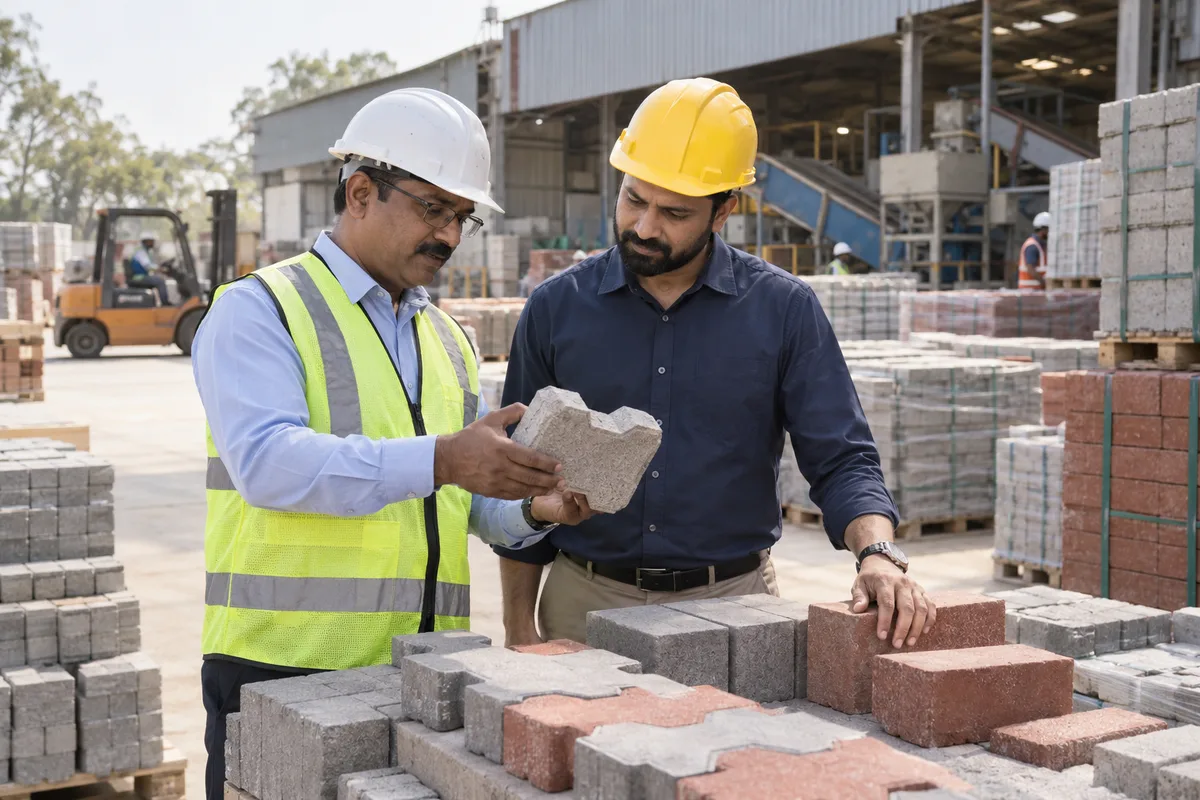
Tile adhesive, waterproofing and UPVC fittings are judged by hand and by site experience. A mason who has mixed, laid and cut your product tells the next ten colleagues. A roadshow that lets masons, contractors and architects handle the product does more than a printed brochure.
“Town order matters more than the stage”
A route that doubles back wastes days, and a town picked because a dealer asked may have no builders building. Towns should be ordered by live projects, dealer readiness and the weeks before the season, with the dry months planned for the harder-to-reach stops.
“The dealer was not ready on the day”
The local dealer heard of the date late. Stock was short, nobody was assigned to take enquiries and the demonstration unit never arrived. Visitors left with a leaflet and the dealer had no list of who came.
“The ground, the vehicle and the loudspeaker each need a permission”
The venue owner, the local body and the police work differently in each town, and a missing letter can stop a stop. A permission file per town, prepared before the vehicle leaves, keeps the schedule intact.
What we do
What we deliver for building and construction material manufacturers.
The work available for this need. We agree the deliverables and responsibilities for your engagement in writing.
Town shortlist and route order
A list of towns scored on live projects within reach, dealer strength and the buying season, then ordered to avoid doubling back. You approve the towns before any venue is booked.
Result: Each town on the route has a written reason for being there.
A venue and dealer brief for each stop
One page per town naming the ground or hall, the dealer host, the stock and sample kit needed, the masons and contractors to invite and who takes calls after the team leaves. The dealer confirms it in writing.
Result: The dealer knows what to prepare before the vehicle arrives.
A permission file
A list per town of the offices to approach, with applications drafted for your signature. You or your authorised person signs and submits; check each town's current rules with the local office.
Result: Papers are ready in the vehicle for each town.
Mason and contractor meet format
A short programme for a hands-on session: mixing, application, a question round and a sample handed out. It includes a sign-in sheet that records name, trade, site and the product asked about.
Result: Every attendee is on a list with the product they care about.
A follow-up list for each town
Visitors grouped by town and by dealer, with the product of interest and a call date set by your team, handed to the local dealer and your salesperson within your own cycle.
Result: The dealer in each town holds the names from that town's stop.
How the result is measured
- Visitors who left a usable number against visitors who stopped by
- Registrations, test rides, camp slots or demonstration requests booked at each stop
- Reply time from the local partner to each captured visitor
Recorded as a baseline before work starts, so every later report has an honest comparison.
Who it is for
This is written for these building and construction material manufacturers.
- AAC block and fly ash brick makers
- Concrete block, paver and kerbstone manufacturers
- Ready-mix concrete plants
- M-sand and aggregate crushers
- Tile and sanitaryware manufacturers
- Tile adhesive, putty and waterproofing makers
- UPVC and aluminium window and door fabricators
- TMT bar and steel product rerollers
- Pipe, fitting and electrical conduit makers
- Plywood, laminate and door manufacturers
Before you decide
Agree the work. Know how to judge it.
Roadshow marketing for building material manufacturers: use these checks to prepare, choose the scope, and review what changes.
Bring the right evidence
Bring a recent won order and an enquiry that went nowhere. Trace how each buyer found you, what they asked, and who handled the next step. A channel list alone will not explain the difference.
Make the scope clear
Choose one offer and one buyer group first. Agree which part needs attention: being found, getting a useful enquiry, or turning an enquiry into an order. Separate recommendations from the work required to carry them out.
Check the work in use
A useful plan names the first change, its owner, the evidence behind it, and the number that will show whether it worked. Ask what has deliberately been left out and why.
Know when to change course
If your team cannot answer the enquiries it already receives, improve that handover before buying more traffic. If the offer itself is unclear, test it with buyers before adding channels.
These are discussion points, not a fixed package. GullySales confirms the deliverables, responsibilities, fee, and term in writing after reading your brief and speaking with you.
How it works
How the roadshow marketing work runs
The work itself, in order. How an engagement starts, from your brief to a written scope, is set out on our method page.
- 1
Town and objective approval
You say who must be met and what a good stop produces, such as test rides booked, dealer enquiries or camp registrations. We propose the towns and you approve the route.
- 2
Partner and permission clearance
Each local partner confirms the date, stock and a person to answer calls. Applications go out for your signature through your own contacts or authorised agent.
- 3
Capture test and team briefing
Your staff rehearse the demonstration and fill the form with sample visitors. We agree who checks entries and how records reach the dealer.
- 4
Stop operation and nightly debrief
Your team runs the stop. Entries are checked the same evening, and the debrief note adjusts the next town's plan.
- 5
Town handover and route review
Each town list goes to its partner with an agreed next action. We then compare towns and recommend which to repeat, change or drop.
Where this fits
Three pieces of sales work, in this order.
This work sits inside sales process design, at stage 0, foundation. The audit comes before it, and sales management keeps it running.
Step 1
Sales audit
Find where deals are being lost and what to fix first.
Start here if you cannot say where orders are lost.
Step 2 · you are here
Sales process design
One written way to sell, from first enquiry to repeat order.
Start here if every salesperson sells differently.
Step 3
Sales management
A target, a review routine and someone who owns the number.
Start here if the team has targets and no routine.
FAQ
Questions owners ask before they call.
Not here? More answers, or ask on WhatsApp.
Is a roadshow worth it if our dealers are only in a few districts?
Who handles the vehicle, the crew and the driver?
How much does it cost?
How long is the contract?
How soon will we see results?
Who will actually do the work?
What do you need from us?
What if we are not happy with the work?
From the blog
Further reading for building and construction material manufacturers.
 6 min read · 15 Sept 2026A quotation format for a small factory: what each line should sayA line-by-line quotation format for a factory buyer, showing which of the three readers, purchase, stores or accounts, needs each line.
 5 min read · 7 Aug 2026A dealer agreement checklist for manufacturers: the points to settle before your lawyer drafts itSettle four points in writing before your lawyer drafts a dealer agreement: territory, stock, pricing and support, plus six disputes to test it.
 6 min read · 2 Aug 2026IndiaMART and marketplace enquiries: a manufacturer's triage sheetA triage sheet for marketplace enquiries: read before you call, sort into three bins and decide how fast each deserves a call.
More for building and construction material manufacturers
Related work to consider.
Closest to this: strategy and research
Also for building and construction material manufacturers
- SEO for building and construction material manufacturers
- PPC ads for building and construction material manufacturers
- Lead generation for building and construction material manufacturers
- CRM for building and construction material manufacturers
- Content marketing for building and construction material manufacturers
- Email marketing for building and construction material manufacturers
Or start from the overview: sales and marketing for building and construction material manufacturers.
Your next practical step
Tell us what you are trying to grow, and we will read it before we call.
Eight short steps, mostly taps. Skip anything you would rather answer on the call.