Edible oil manufacturers · Digital marketing
Pick the digital channels that bring buyers for the oil you sell.
Digital marketing for an oil manufacturer is the choice and running of online channels that reach distributors, kitchens and households, in proportion to what each group buys. GullySales compares the channels with your orders and puts effort where orders come from.
Scope, fee, reporting and term are agreed in writing after we have read your brief and spoken to you.
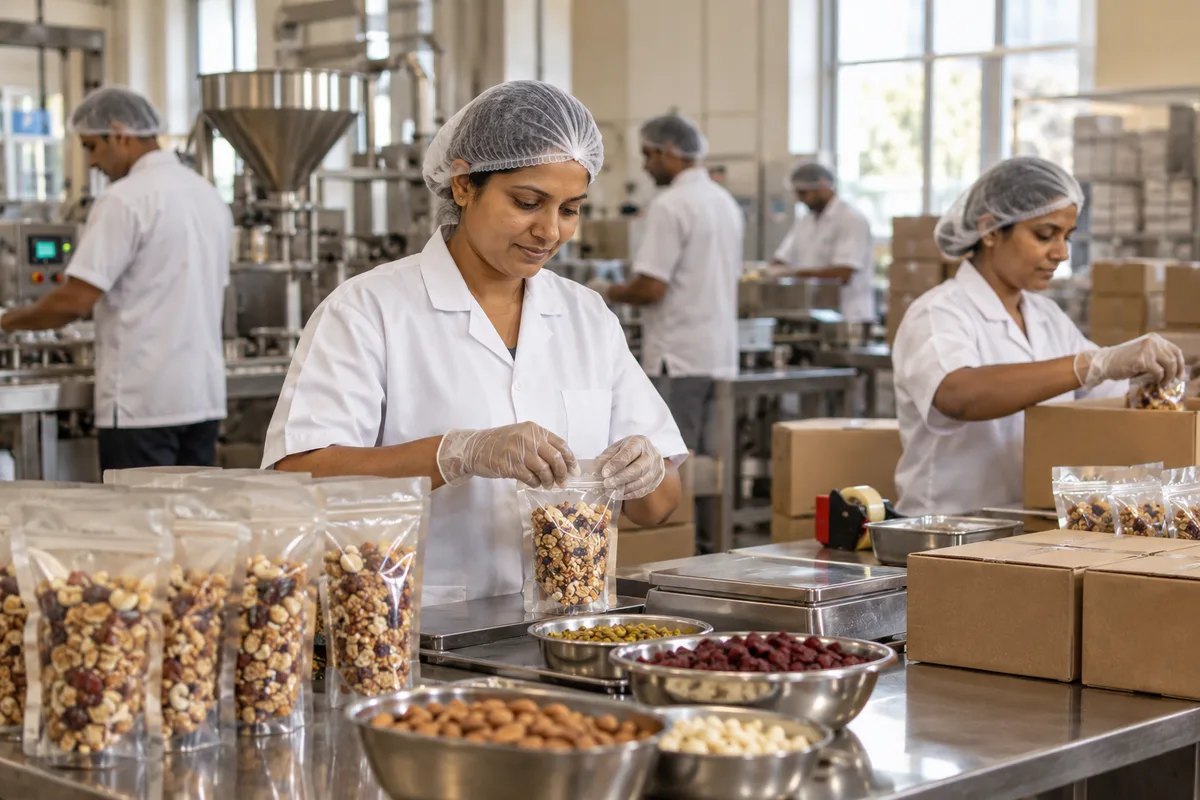
What digital marketing means
Digital marketing is the combined work of search, social media, advertising and website channels running together rather than as separate projects with separate people. GullySales runs these as one connected system so a change in one channel, such as a new offer, is reflected everywhere at once.
Also for edible oil manufacturers
- Buyer personas for edible oil manufacturers
- Lead generation for edible oil manufacturers
- SEO for edible oil manufacturers
- Social media marketing for edible oil manufacturers
- Content marketing for edible oil manufacturers
- CRM for edible oil manufacturers
- Follow-up systems for edible oil manufacturers
- WhatsApp marketing for edible oil manufacturers
Sales and marketing for edible oil manufacturers, the overview.
Last updated 13 Nov 2026.
For edible oil manufacturers
Where it usually goes wrong, and what we would do.
“A refined oil packer and a cold-press unit need different channels”
The packer sells through distributors and trade buyers, so directories and outreach carry the weight. The cold-press unit sells to households, so search, social posts and chat carry the weight.
“Marketplaces are a shelf you rent”
Listing on a marketplace puts your oil next to rivals and rate comparisons. It reaches households, but the buyer remembers the platform, not the brand, unless your pack and page give a reason to return.
“Paid advertising needs an order path”
An advertisement that sends a buyer to a home page with no pack list or rate request wastes the click. The path from advertisement to order has to be built before the spend.
“Results are read against orders, not visits”
A busy page with no enquiry is not a result. Comparing visits to enquiries and enquiries to orders shows where the channel works and where it does not.
What we do
What we deliver for edible oil manufacturers.
The work available for this need. We agree the deliverables and responsibilities for your engagement in writing.
A channel review
A look at where your current buyers came from and which channels could reach more of the same.
Result: A written ranking of channels by what your own orders show.
A channel plan by buyer group
Chosen channels for distributors, kitchens and households, with the reason for each.
Result: Each buyer group has named channels and a reason.
Marketplace and listing set-up
Product listings, photographs and descriptions for the packs you want to sell online.
Result: Every pack listed with its photographs and description.
Paid campaign set-up
Small trial campaigns on search or social platforms with a clear page to land on and a budget you set.
Result: A trial with a stop point and a way to count enquiries.
A results sheet
A sheet showing visits, enquiries and orders by channel.
Result: You can see which channel earned its cost and which did not.
How the result is measured
- Enquiries across channels
- Cost per enquiry overall
- Channel mix by contribution
Recorded as a baseline before work starts, so every later report has an honest comparison.
Searches your buyers type
The searches that lead each oil buyer to you, and where the effort should go.
- buy cold pressed oil online
- A product page and a marketplace listing, kept consistent. The household buyer compares the two before ordering.
- edible oil dealer for [district]
- A distributor page and a listing naming the territory. A dealer searches for a supplier by area, not by brand.
- bulk oil tin price hotel
- A trade page and an enquiry form feeding your record. Paid search only works if the form is read the same day.
- is [brand] oil pure
- A page on your press and process, kept free of claims about health. The buyer arrives doubtful, so the page must show how the oil is made.
- mustard oil festival offer
- A seasonal post and listing. Use it only when stock is ready, since a festival rush cannot be served from an empty store.
Who it is for
This is written for these edible oil manufacturers.
- Cold-pressed and ghani oil units selling direct to households
- Refined oil packers selling through distributors
- Groundnut, sesame and coconut oil mills in regional markets
- Sunflower and mustard oil processors
- Blended oil and vanaspati makers
- Bulk tin and loose oil suppliers to hotels and sweet shops
- Private label packers making oil for other brands
- Small brands selling on Amazon and their own website
Not for
It is not the right fit if.
- You cannot supply beyond your own region, so reaching buyers in other states would only create orders you refuse
- You do not read orders back to their source, so spending on ads could not be judged against real sales
- Your marketplace listing photographs are unreadable, so sending paid traffic there would waste the click
Before you decide
Agree the work. Know how to judge it.
Digital marketing for edible oil manufacturers: use these checks to prepare, choose the scope, and review what changes.
Bring the right evidence
Bring a recent won order and an enquiry that went nowhere. Trace how each buyer found you, what they asked, and who handled the next step. A channel list alone will not explain the difference.
Make the scope clear
Choose one offer and one buyer group first. Agree which part needs attention: being found, getting a useful enquiry, or turning an enquiry into an order. Separate recommendations from the work required to carry them out.
Check the work in use
A useful plan names the first change, its owner, the evidence behind it, and the number that will show whether it worked. Ask what has deliberately been left out and why.
Know when to change course
If your team cannot answer the enquiries it already receives, improve that handover before buying more traffic. If the offer itself is unclear, test it with buyers before adding channels.
These are discussion points, not a fixed package. GullySales confirms the deliverables, responsibilities, fee, and term in writing after reading your brief and speaking with you.
Before we start
What to have ready before the work starts.
The records, access and decisions this work needs from edible oil manufacturers. Anything missing is noted in the written scope, with who will supply it.
- The last season's order list by route
- A register or sheet showing where each order came from. If routes were never noted, estimates from your sales staff are acceptable and marked as estimates. Orders from stalls, exhibitions and walk-ins can be listed too, so the online share is judged fairly.
- Marketplace seller account details
- Access to Amazon, Flipkart or others where you sell, and your seller documents. Without it, we plan listings but cannot change them. Include any suspended listing or pending complaint, since it affects what can be set up.
- A decision on the money for paid ads
- Say how much you are willing to try and for how long, in your own terms. We cannot set up a campaign without a limit. If undecided, the plan has free channels only. Tell us also whether anyone in the business can pause a campaign if the enquiry desk is closed.
- Stock and delivery limits by place
- Tell us which pin codes or districts you can serve. Advertising outside them wastes the spend. Where unclear, we restrict campaigns to the towns you name. A distributor outside the area who wants to stock the oil can still be handled by a call from your sales lead.
- One person to read the enquiries
- Someone must look at the results and say which orders came from where. If no one does, the channel review at the end cannot be done. No fixed routine of reading is required, only a person who can answer when we ask where an order came from.
How it works
How the digital marketing work runs
The work itself, in order. How an engagement starts, from your brief to a written scope, is set out on our method page.
- 1
List where your orders really came from
With your sales lead we go through the last season's orders and mark the route of each: distributor visit, call, chat, marketplace or website. You tell us what you suspect is under-counted. The channel plan starts from this list, not from a fashion. We also note which orders came from a buyer who first saw the brand somewhere else, such as a stall or a cousin's recommendation, so that offline sources are not credited to a channel by mistake.
- 2
Check what each buyer group can be reached by
Distributors, kitchens and households do not use the same channels. We note for each where they ask, search or order, using your enquiries and a few calls. You decide how much effort each group deserves for the coming period. A distributor's salesperson may search for the brand on a phone before a visit, while a cook may only ask a colleague, and the plan respects that difference.
- 3
Review the existing listings and pages
We look at your marketplace listings, business profile, website and any paid account, with owner access, and note what is accurate and what is out of date. Prices, pack sizes and photographs are checked against the pack. Where a listing shows a pack that you no longer make, or a price you no longer hold, we mark it for correction before any money is spent sending buyers to it.
- 4
Agree the channels you will start with
We present a short plan with two or three channels per buyer group and the reason for each. You choose, cut or add. Anything you cannot staff, such as a reply desk for a marketplace, is removed. We write down what each chosen channel is expected to bring in terms of calls, chats or orders, so the final reading has something to be set against.
- 5
Set up the listings and the campaign
We build marketplace pages, the business profile and any paid campaign, each with the landing page or chat where the buyer arrives. Check the platform's current rules on claims about oil before we publish. Each advertisement or listing points to a place where an enquiry can be left and recorded, whether a chat link, a form or a number answered by a named person.
- 6
Read channels against orders, not visits
We match the enquiries and orders recorded from each channel with the pre-work list. You see which channel produced an order and decide whether to continue, move or close it. Where an order cannot be traced to a channel, it is shown as untraced and not credited to the one that looks best.
Where this fits
Three pieces of sales work, in this order.
This work sits inside sales process design, at stage 0, foundation. The audit comes before it, and sales management keeps it running.
Step 1
Sales audit
Find where deals are being lost and what to fix first.
Start here if you cannot say where orders are lost.
Step 2 · you are here
Sales process design
One written way to sell, from first enquiry to repeat order.
Start here if every salesperson sells differently.
Step 3
Sales management
A target, a review routine and someone who owns the number.
Start here if the team has targets and no routine.
FAQ
Questions owners ask before they call.
Not here? More answers, or ask on WhatsApp.
Where should a new brand start?
Is paid advertising worth it for oil?
Who controls the budget?
Is a marketplace better than our own site?
Must every channel run from the first day?
Who pays the advertising platforms?
How long is the contract?
How soon will we see results?
Who will actually do the work?
What do you need from us?
More for edible oil manufacturers
Related work to consider.
Closest to this: strategy and research
Also for edible oil manufacturers
Or start from the overview: sales and marketing for edible oil manufacturers.
Your next practical step
Tell us what you are trying to grow, and we will read it before we call.
Eight short steps, mostly taps. Skip anything you would rather answer on the call.