Fabric weaving mills · Follow up systems
Make sure every cutting sent gets a call, a reply and a recorded outcome.
A follow-up system for a weaving mill is the routine that decides who calls a buyer after a cutting, a sample length or a rate quote, and what is written down afterwards. It closes the gap between a good sample and a booked lot. GullySales designs the routine and the reminders around your team.
Scope, fee, reporting and term are agreed in writing after we have read your brief and spoken to you.
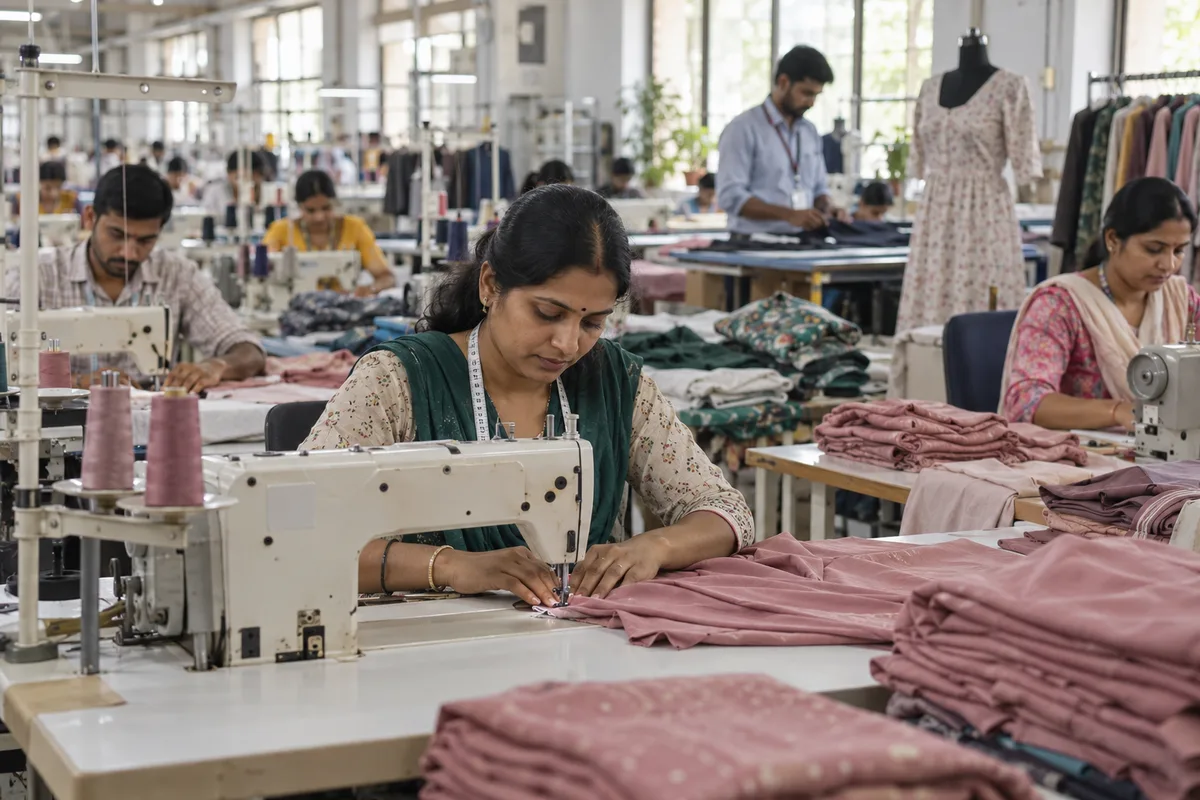
What follow up systems means
A follow-up system is the set routine for calling, messaging or emailing an enquiry more than once, since most buyers do not decide on the first conversation. GullySales sets the number and timing of follow-ups so an undecided buyer keeps hearing from you until they decide either way.
Last updated 14 Nov 2026.
For fabric weaving mills
Where it usually goes wrong, and what we would do.
“A cutting sent is a call owed”
A processor or trader who receives a cutting forms an opinion within days. If nobody calls to ask what they think, the cutting sits on a desk and the buyer orders from the unit that did call.
“A rate quote needs a date to return”
A quote with no agreed day for the next conversation drifts. Setting the date when the quote goes out gives the buyer a clear moment to reply and gives your team a reason to ring.
“Lapsed buyers deserve a reason, not a guess”
A buyer who took one lot and stopped has a reason, and it is rate, faults or timing. A short call that records the reason tells you which one to fix.
“Festival and season gaps break the rhythm”
Cloth buying follows the garment and furnishing seasons, and the market slows around festivals. A follow-up calendar built on those gaps keeps your calls ahead of the buyer's needs.
What we do
What we deliver for fabric weaving mills.
The work available for this need. We agree the deliverables and responsibilities for your engagement in writing.
Follow-up rules by stage
Written steps for what happens after an enquiry, a cutting, a quote and a lot, with a named owner for each.
Result: Every stage has a person and a next action.
Reminder set-up
Reminders linked to each cutting and quote, so the team sees who to ring and when.
Result: A daily list of calls due, drawn from the record.
Call and message scripts
Short scripts for the cutting follow-up, the quote follow-up and the lapsed-buyer call.
Result: Scripts staff can use without rewriting each time.
Lapsed-buyer sheet
A sheet recording the buyers who stopped, the date of the last lot and the reason given.
Result: A reason on file against each buyer who left.
Outcome codes
A short list of outcomes such as ordered, waiting, declined for rate or declined for quality.
Result: Each follow-up ends with a code that can be counted.
How the result is measured
- Follow-up completion rate
- Average number of follow-ups before close
- Enquiries closed after repeat follow-up
Recorded as a baseline before work starts, so every later report has an honest comparison.
What to capture or send
The follow-up moments a mill records and what is said at each.
- A cutting dispatched
- Log the day sent and the courier details, then note a call owed once it should have arrived, so the buyer is asked what they thought.
- A rate quoted
- Record the rate, the width and a date to return to the buyer. A quotation without a date to call back is a quotation lost.
- A sample approved
- Record the approval with the reference, and message the buyer to confirm the construction and lot, so the later lot matches.
- A lot delivered
- Ask the buyer how the cloth ran in processing or cutting. A complaint heard now can be settled against the approved sample.
- A buyer gone quiet since the last lot
- Ask what changed in rate, fault rate or schedule, and note the answer. It tells the mill why buyers do not repeat.
Who it is for
This is written for these fabric weaving mills.
- Powerloom units weaving grey cotton and polyester cloth
- Shuttleless and rapier loom units for shirting and suiting
- Dobby and jacquard weavers for furnishing and ethnic wear
- Handloom weaver groups and cooperatives
- Job-work weavers who weave on supplied yarn
- Mills weaving denim and heavy cotton fabrics
- Units weaving technical and industrial cloth
- Weaving units that also sell finished cloth after processing
Before you decide
When this may not be the right fit.
- Cuttings and quotations are not written down anywhere, so there is no list of calls owed.
- The mill has no one to make calls, and the owner is on the floor through the working day.
- Buyers have been messaged repeatedly without a reply, and a follow-up system would add to the noise.
Before you decide
Agree the work. Know how to judge it.
Follow-up systems for weaving mills: use these checks to prepare, choose the scope, and review what changes.
Bring the right evidence
Trace recent enquiries from arrival to the last recorded action. Include a won enquiry, an unsuitable one, and one that went quiet, with personal details removed for the initial discussion.
Make the scope clear
Agree who accepts each enquiry, what makes it qualified, and how ownership changes. Include a rule for missed replies and a clear reason for closing an enquiry.
Check the work in use
Pick an enquiry at random and ask the team to find its owner, latest conversation, and next action. Check that the record agrees with what actually happened.
Know when to change course
If no one has capacity to respond, assign that responsibility before buying more leads. Automation can support the owner, but it cannot replace an unresolved handover.
These are discussion points, not a fixed package. GullySales confirms the deliverables, responsibilities, fee, and term in writing after reading your brief and speaking with you.
Before we start
What to have ready before the work starts.
The records, access and decisions this work needs from fabric weaving mills. Anything missing is noted in the written scope, with who will supply it.
- The cutting and sample-length register
- This shows what went out and to whom. A notebook or dispatch sheet will do. Without it we cannot see which buyers were never called, and the first task becomes building the register from memory.
- Rate quotes sent in the last season
- Collect quotes from messages, call notes and papers. We use them to find the ones that went quiet. If they are scattered, tell us where they are and who holds them, and we gather them.
- A named caller for each stage
- Choose who calls after a cutting, who after a quote and who after delivery. The owner may keep the large buyers, and the sales person takes the new traders and small garment makers. If names are missing, the routine will fall to whoever is free, which is the habit we are replacing.
- Your view on calling at festival and season breaks
- Weaving trade slows around festivals and the dyeing season. Tell us when buyers should not be called. We build the pause into the reminders so that silence from a buyer is not mistaken for a loss.
- A list of buyers who lapsed
- Name the buyers who once ordered and then stopped, with any reason you know. We turn them into a separate sheet with a different message. Without the list, the lapsed buyers stay forgotten among the active ones.
How it works
How the follow up systems work runs
The work itself, in order. How an engagement starts, from your brief to a written scope, is set out on our method page.
- 1
Open the cutting register and read the gaps
We sit with your sales person and read the register of cuttings sent over the last season, marking those with no recorded call afterwards. You tell us why each was dropped. This shows where the routine breaks, and it gives us the first list of buyers to revisit before any new rule is written.
- 2
Decide what closes a buyer's file
With you we settle the outcomes that end a follow-up: booked, declined with a reason, parked until a season, or lost. You decide who may close a file. Every cutting then has a place to end, so the register stops filling with open items nobody will touch.
- 3
Script a call and a note for every stage
We write a short call opening and message for the stages after a cutting, after a rate quote and after a lot is delivered. Your sales staff say them aloud and change what sounds wrong. Wording that a trader would find pushy is dropped before it is used.
- 4
Fix who calls and when the call is due
We assign each stage to a named person, such as the sales person or the accounts head for payment matters, and set the reminder in a phone or sheet. You approve the owners. A call no one is named for is not left in the plan.
- 5
Test the reminders on live cuttings
We set the reminders on cuttings that are going out this week and watch whether the right person is nudged and the outcome is written down. Your team tells us what annoyed them. We change the rule that failed, and hand the routine to the team once it runs unattended.
- 6
Read the outcomes against the old register
We compare the outcome codes now recorded with the open cuttings counted at the start: calls made, replies received, lots booked, buyers closed with a reason. You decide which stage needs a change, and whether a buyer who keeps asking for cuttings without ordering should move to a slower list. A call that was made but not logged counts as not made.
Where this fits
Three pieces of sales work, in this order.
This work sits inside sales process design, at stage 2, qualification. The audit comes before it, and sales management keeps it running.
Step 1
Sales audit
Find where deals are being lost and what to fix first.
Start here if you cannot say where orders are lost.
Step 2 · you are here
Sales process design
One written way to sell, from first enquiry to repeat order.
Start here if every salesperson sells differently.
Step 3
Sales management
A target, a review routine and someone who owns the number.
Start here if the team has targets and no routine.
FAQ
Questions owners ask before they call.
Not here? More answers, or ask on WhatsApp.
How soon should we call after a cutting?
Will buyers find the calls pushy?
Who should make the calls?
What does a mill say on a follow-up call after a lot?
Will repeated calls make buyers think we are desperate?
Who should follow up when the owner holds the buyer relationship?
How much does it cost?
How long is the contract?
Who will actually do the work?
What do you need from us?
More for fabric weaving mills
Related work to consider.
Closest to this: leads and follow-up
Also for fabric weaving mills
Or start from the overview: sales and marketing for fabric weaving mills.
Your next practical step
Tell us what you are trying to grow, and we will read it before we call.
Eight short steps, mostly taps. Skip anything you would rather answer on the call.