Fashion accessory manufacturers · Follow up systems
Make the second order the planned result of the first, not a stroke of luck.
A follow-up system for an accessory factory is the set of calls and messages that turn a sample or trial lot into a reorder. GullySales writes the steps, the wording and the reminders so that no buyer is forgotten after the first dispatch.
Scope, fee, reporting and term are agreed in writing after we have read your brief and spoken to you.
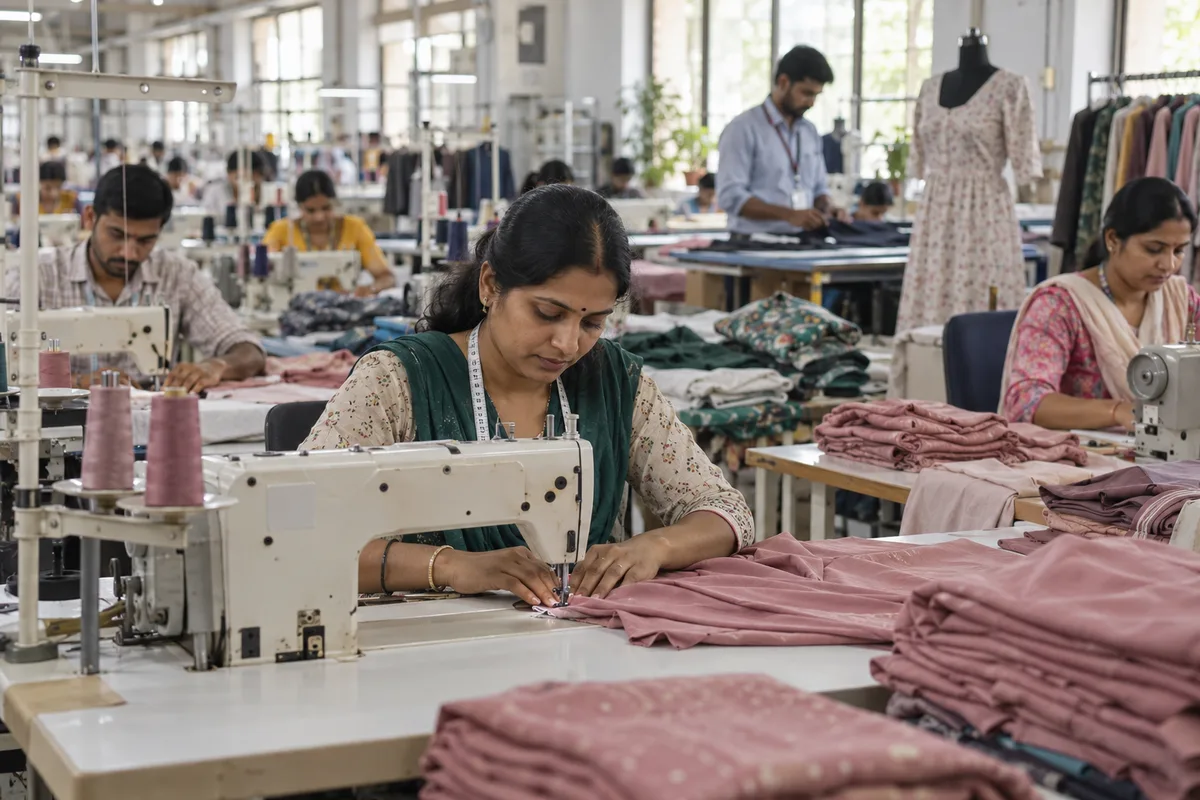
What follow up systems means
A follow-up system is the set routine for calling, messaging or emailing an enquiry more than once, since most buyers do not decide on the first conversation. GullySales sets the number and timing of follow-ups so an undecided buyer keeps hearing from you until they decide either way.
Also for fashion accessory manufacturers
- Lead generation for fashion accessory makers
- CRM for fashion accessory manufacturers
- SEO for fashion accessory manufacturers
- Social media marketing for accessory manufacturers
- Content marketing for accessory manufacturers
- Buyer personas for fashion accessory makers
- WhatsApp marketing for accessory manufacturers
- Digital marketing for fashion accessory manufacturers
Sales and marketing for fashion accessory manufacturers, the overview.
Last updated 14 Nov 2026.
For fashion accessory manufacturers
Where it usually goes wrong, and what we would do.
“The call that asks what sold is the one that gets skipped”
After the trial lot ships, everyone returns to the next urgent order. The buyer who sold half of it and would reorder those designs hears nothing, and the call that would have won the order never happens.
“Sample requests turn into silence”
A sample goes out and the buyer does not reply. Without a planned follow-up, the factory waits, and the buyer forgets which supplier sent what. A short message tied to the sample date restarts the talk.
“A reminder with no design in it reads as spam”
A message saying hope you are well is deleted. A message naming the three designs the buyer took last time and two new ones in the same style is read, because it shows the factory remembers.
“Festival orders are lost in the gap between seasons”
A buyer who ordered for rakhi should hear about the wedding range before the planning begins. Without a calendar, the next approach comes after the buyer has already placed orders elsewhere.
What we do
What we deliver for fashion accessory manufacturers.
The work available for this need. We agree the deliverables and responsibilities for your engagement in writing.
Follow-up steps for each stage
A written sequence for enquiry, sample, trial order and reorder, with who acts and what is said.
Result: Each stage has a next step with a named owner.
Message templates
Short messages for post-sample, post-dispatch and reorder reminders, written to carry design names.
Result: The team sends a relevant message without writing from scratch.
Reminder calendar
Reminders tied to dispatch dates and to the festival calendar for each buyer.
Result: A buyer is never left without a planned contact.
What-sold call script
A short guide for the call that asks which designs sold and what the buyer wants next.
Result: The reorder call is made the same way each time.
Lapsed buyer list
A list of buyers who ordered once and have gone quiet, with a message to restart contact.
Result: Quiet buyers are re-approached with a reason to reply.
How the result is measured
- Follow-up completion rate
- Average number of follow-ups before close
- Enquiries closed after repeat follow-up
Recorded as a baseline before work starts, so every later report has an honest comparison.
What to capture or send
The moments after an enquiry or a lot when a buyer should hear from you.
- After the first catalogue is sent
- A message that asks which items drew attention and offers the lot terms. It starts a conversation, not a reminder.
- After a sample goes out
- A note that confirms the sample reached the buyer and asks what they thought of the finish. Samples turn silent when nobody asks.
- After the first lot is delivered
- A call asking what sold and what did not, written into the record. It is the call that gets skipped and the one that wins the second order.
- Before the festival buying window
- A message with the new range for the season, listing designs the buyer took before. A reminder with a design in it is read; one without reads as spam.
- Lapsed buyer
- A note to a buyer who has not ordered through a season, asking what changed. Record the reason given.
Who it is for
This is written for these fashion accessory manufacturers.
- Belt, wallet and strap manufacturers
- Scarf, stole and dupatta accessory makers
- Hair accessory manufacturers, from clips to bands
- Cap, hat and headwear makers
- Sunglass case, pouch and eyewear accessory makers
- Costume and fashion jewellery accessory producers
- Kids' fashion accessory manufacturers
- Gifting and return-gift accessory suppliers
Before you decide
When this may not be the right fit.
- You have no one who owns the call after delivery, so the routine would send messages with nobody ready to answer.
- You do not record what each buyer took, and a reminder with no design in it will be ignored.
- You plan to chase buyers who have said they are happy with another supplier, which only hardens the refusal.
Before you decide
Agree the work. Know how to judge it.
Follow-up systems for accessory manufacturers: use these checks to prepare, choose the scope, and review what changes.
Bring the right evidence
Trace recent enquiries from arrival to the last recorded action. Include a won enquiry, an unsuitable one, and one that went quiet, with personal details removed for the initial discussion.
Make the scope clear
Agree who accepts each enquiry, what makes it qualified, and how ownership changes. Include a rule for missed replies and a clear reason for closing an enquiry.
Check the work in use
Pick an enquiry at random and ask the team to find its owner, latest conversation, and next action. Check that the record agrees with what actually happened.
Know when to change course
If no one has capacity to respond, assign that responsibility before buying more leads. Automation can support the owner, but it cannot replace an unresolved handover.
These are discussion points, not a fixed package. GullySales confirms the deliverables, responsibilities, fee, and term in writing after reading your brief and speaking with you.
Before we start
What to have ready before the work starts.
The records, access and decisions this work needs from fashion accessory manufacturers. Anything missing is noted in the written scope, with who will supply it.
- A list of sample parcels sent
- The follow-up begins with who received samples. Bring the dispatch register. If it is missing, we start from the next parcel. Add the date each parcel left and the designs inside, since the what-sold call opens with those designs and a vague parcel gives a vague call.
- Names of callers and their cover
- Name who rings which buyer and who covers. Without names, the reminders have no owner. Write the cover on the same sheet as the callers, so a salesperson on leave or at a fair does not leave a trial buyer waiting.
- The buying calendar by buyer type
- Retail chains, boutiques and gifting buyers close ranges at different times. Share what you know. Where it is unknown, the reminders use the dates buyers have mentioned. A rough note, such as boutiques stock up before the wedding season, lets the reminders arrive before a buyer has finished choosing.
- Approved wording for samples and quotes
- Messages should match what the factory offers. Tell us your sample policy and quote validity. Missing terms are left out of the messages. Also say whether a buyer may keep samples or must return them, since the message after dispatch refers to it.
- A list of lapsed buyers to revisit
- Buyers who ordered once and stopped are the first group to call. List them with the last design. Without a list, the lapsed group is built from the order book. For each, note the reason you believe they stopped, such as a price, a delay or a damaged lot, because the call is worded to address it.
How it works
How the follow up systems work runs
The work itself, in order. How an engagement starts, from your brief to a written scope, is set out on our method page.
- 1
Map what happens after the sample leaves the gate
We follow one sample parcel from dispatch to the buyer's desk, and note every call and message that follows or does not. You tell us who is meant to ring and when they actually do. This shows where trial buyers go quiet and where the system starts.
- 2
Write the what-sold call
The call asked after a trial lot is the one skipped. We write a short script with the questions a salesperson asks: which designs sold, which sat, what the buyer wants next. You read it and change any question that is not how your desk talks. We also add a closing question about the next season, so the call ends with a date on which to ring again.
- 3
Draft the message for each stage
For sample sent, lot quoted, lot dispatched and what-sold, we write short messages naming a design or a colour so they do not read as spam. You approve the wording. The messages are saved where the desk can copy them.
- 4
Assign a caller for each trial buyer
You name the person who rings each trial buyer, and a second person for leave. We put it in the record. A call with no owner is the call that is not made.
- 5
Set the festival reminders against the calendar
We lay the buying calendar over the buyer list, so the reminders reach a buyer before their season closes. You decide which festivals the factory serves. The list of reminders is built from that.
- 6
Read reorders against the first lots
We compare how many trial buyers reordered with the first-lot count from the start. You tell us why the others did not. We revise the step where the largest number of trial buyers dropped away.
Where this fits
Three pieces of sales work, in this order.
This work sits inside sales process design, at stage 2, qualification. The audit comes before it, and sales management keeps it running.
Step 1
Sales audit
Find where deals are being lost and what to fix first.
Start here if you cannot say where orders are lost.
Step 2 · you are here
Sales process design
One written way to sell, from first enquiry to repeat order.
Start here if every salesperson sells differently.
Step 3
Sales management
A target, a review routine and someone who owns the number.
Start here if the team has targets and no routine.
FAQ
Questions owners ask before they call.
Not here? More answers, or ask on WhatsApp.
How many follow-ups is too many?
Who should make the follow-up call?
Who in the factory should ring a trial buyer?
What should the what-sold call actually ask?
Is it right to ring a buyer who has not replied to a message?
Can the messages go out automatically?
How much does it cost?
How long is the contract?
How soon will we see results?
Who will actually do the work?
More for fashion accessory manufacturers
Related work to consider.
Closest to this: leads and follow-up
Also for fashion accessory manufacturers
Or start from the overview: sales and marketing for fashion accessory manufacturers.
Your next practical step
Tell us what you are trying to grow, and we will read it before we call.
Eight short steps, mostly taps. Skip anything you would rather answer on the call.