How people choose in this industry
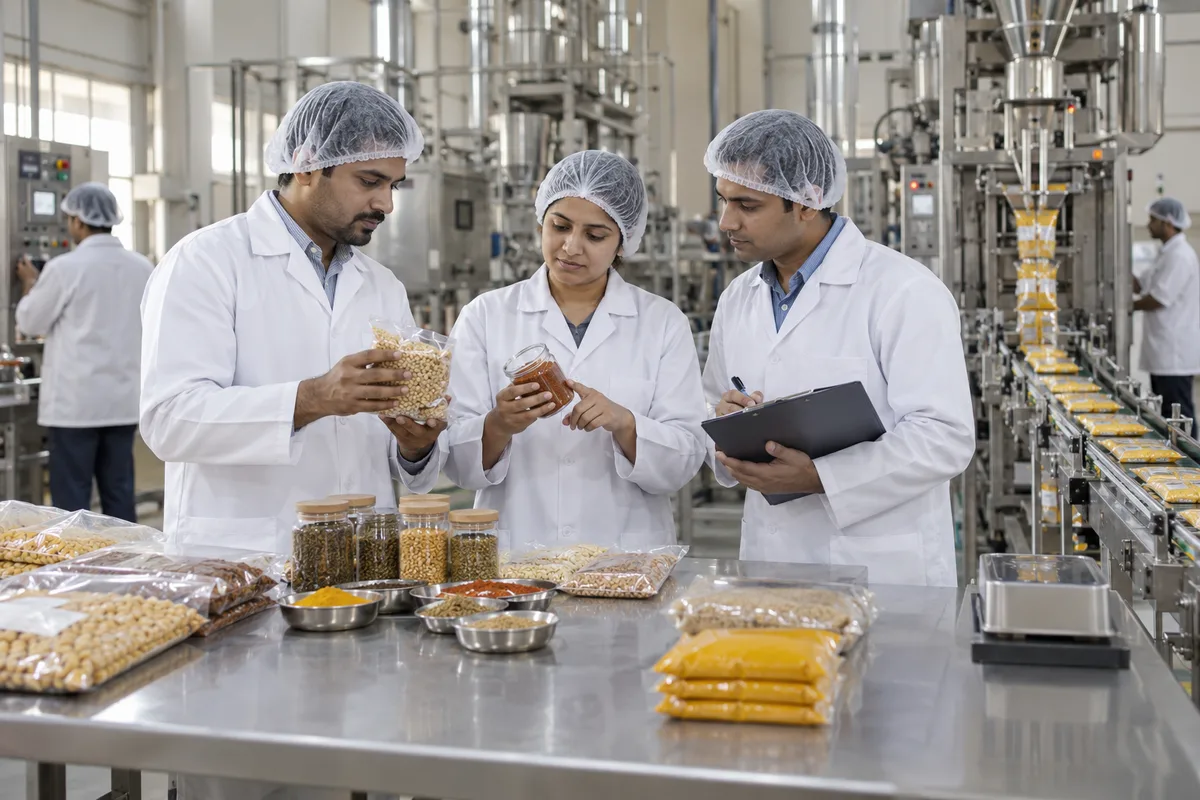
A processing unit is chosen by the buyer's quality team before the purchase manager gets a say. They ask for the FSSAI licence, a sample, a spec sheet, a certificate of analysis and a visit to the plant. Brands that sell onward want to know about cold storage, farm-lot traceability and the handling of a recall, and a plant with all of this in one folder reaches the trial first.
Price matters. Consistency matters more. One batch with a different colour or moisture level is hard for a buyer to forget. So the second order, not the first, is where the sale is actually won, and it depends on whether the buyer got the same product again and was told in advance when raw material was running short.
The calendar rules the business. Mango pulp, tamarind, green chilli, onion and tomato all have a season when the farm gate price is low and the unit must buy and process quickly. Selling the processed stock across the rest of the year is the real task, and it is the one most units leave to chance.
The decision before implementation
Write decision rights into the engagement. Hiring, pay, pricing, and commercial authority are not transferred by implication.
Existing industry priorities to review
- Buyer-ready documents: spec sheet, certificate of analysis, licence copies
- A sample request routine that ends in a follow-up call
- Pages for each product and each type of buyer
- IndiaMART and marketplace enquiries answered quickly, with the right questions asked first
- Private label and co-packing enquiries qualified before they reach the owner
These describe the industry's wider priorities. The written scope identifies which this service will address.