FRP product manufacturers · Social media
Show the shop floor and the finished job so a contractor remembers your name.
Social media for an FRP maker is a place to show moulds, lay-up work and installed items to the engineers and contractors who follow trade pages. GullySales works on what to post, who to reach and how a comment becomes a conversation.
Scope, fee, reporting and term are agreed in writing after we have read your brief and spoken to you.
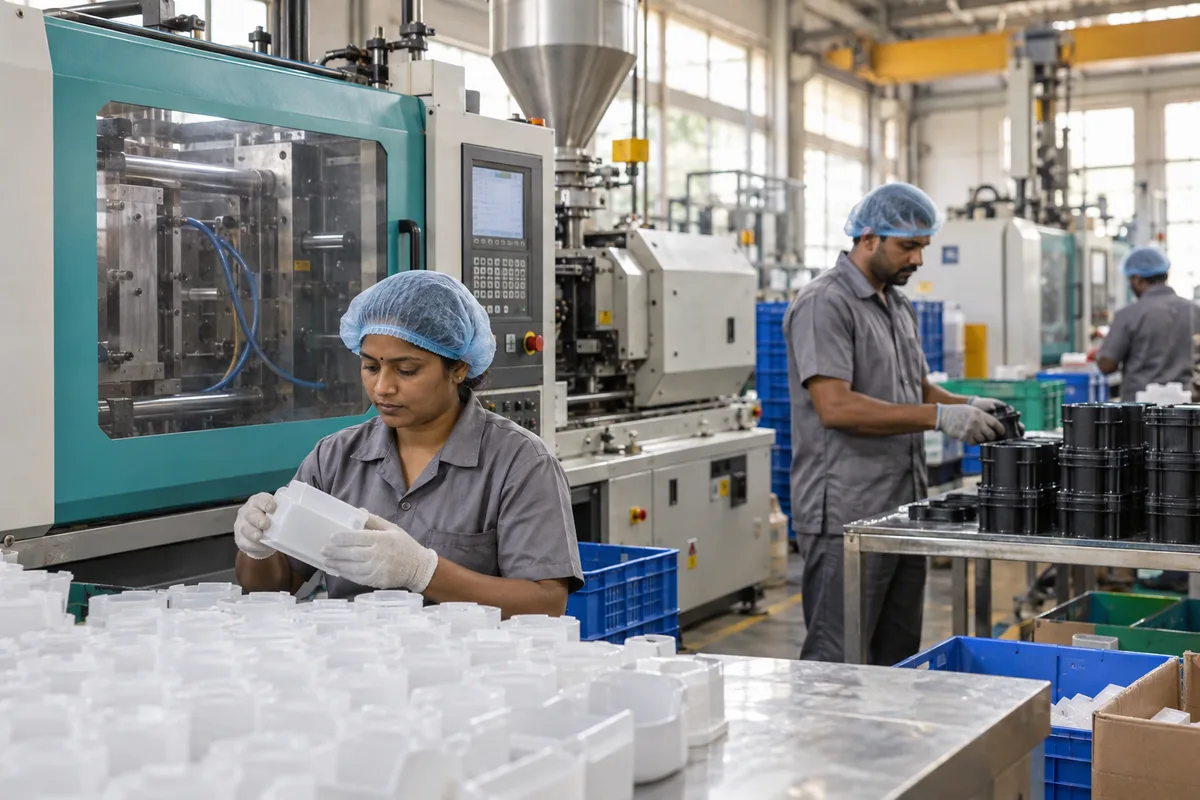
What social media means
Social media is the ongoing posting your business does on platforms such as Instagram, Facebook and LinkedIn to stay visible to customers and prospects between purchases. GullySales plans a posting calendar, writes captions and designs the images so the page looks active and answers what a visitor would ask.
Last updated 14 Nov 2026.
For FRP product manufacturers
Where it usually goes wrong, and what we would do.
“The buyer is an engineer, not a casual scroller”
The person following a fabricator page is a project manager, a purchaser or a consultant checking who can build what. A photograph of a lay-up in progress tells them more than a festival greeting does.
“Finished work is the best post you have”
A tank leaving the works on a truck, a grating line installed over a clarifier or a duct fixed at a plant proves capacity. One clear photograph with the item, the site type and the resin used is a complete post.
“LinkedIn reaches the specifiers”
Consultants, plant heads and procurement staff spend their working hours on LinkedIn. Company page posts and the owner's own profile reach people who sit on approval lists, which a general feed does not.
“Customer sites need permission first”
Some plants forbid photographs or naming. Posting without asking can cost a relationship. Taking written consent, or showing the item before it leaves the works, keeps the page useful without risking the customer.
What we do
What we deliver for FRP product manufacturers.
The work available for this need. We agree the deliverables and responsibilities for your engagement in writing.
A choice of platforms for your buyers
LinkedIn, YouTube and a business page chosen by where your contractors and plant heads actually are, and the rest left alone.
Result: Your team posts in two or three places, not six.
A bank of post types built on your work
Shop-floor lay-up, test day, loading, installation and a problem solved, each with a simple caption format your team can reuse.
Result: Anyone in your team can write a post from a phone photograph.
A permission note for customer sites
A one-page form your team uses to get consent before photographing or naming an installed job.
Result: Every posted job has a consent on file.
Short videos of the process
Moulds, resin application and finishing shot on a phone, with a line on what is being made and for which duty.
Result: A buyer sees the work in the way a visit would show it.
A reading of which posts brought a reply
A list of comments, messages and profile visits that came from posts, matched to the enquiries that followed.
Result: You can see which posts started a conversation.
How the result is measured
- Posts published
- Engagement rate
- Enquiries from social profiles
Recorded as a baseline before work starts, so every later report has an honest comparison.
Posts and pieces to plan
Plan posts around the work a contractor will recognise.
- A tank leaving the works on a trailer
- A photograph or short clip with the capacity, the liquid it is built for and the plant type, posted after the customer allows it.
- Layup and curing on the shop floor
- A short video showing how the wall is built up, with a caption naming the resin and glass type your engineer would explain on a visit.
- A rusted steel item beside its FRP replacement
- A paired photograph needing the plant owner's consent, showing the failure and the replacement fitted.
- Grating load test or sample cut
- A clip of a sample being loaded or cut, with the test standard named so a specifier can look it up.
- Dispatch and installation at site
- A photograph of the crew fitting a duct or tray, captioned with the item and the type of plant, never the plant name unless approved.
Who it is for
This is written for these FRP product manufacturers.
- FRP tank and vessel fabricators for chemical and water use
- Pipe and duct makers for scrubbers, effluent and fume extraction
- Grating, handrail, ladder and cable tray makers for plants and walkways
- Cooling tower component and fan stack fabricators
- FRP lining and coating applicators for concrete and steel tanks
- Sandwich panel, door and cabin makers
- Rainwater, septic tank and sanitation product makers
- FRP shelters, enclosures and transformer covers
Before you decide
When this may not be the right fit.
- Your finished jobs are not photographed, so there is nothing real to post until the crew starts capturing them.
- Your plants forbid photography on site, so posts would rely on stock images that mean nothing to a specifier.
Before you decide
Agree the work. Know how to judge it.
Social media marketing for FRP manufacturers: use these checks to prepare, choose the scope, and review what changes.
Bring the right evidence
Review the posts that produced useful conversations, not only the ones with the most views. Gather buyer questions and decide which team member can contribute credible material.
Make the scope clear
Choose the audience and channel before setting a posting volume. Agree who supplies material, approves posts, and handles messages, including complaints or questions the agency cannot answer.
Check the work in use
Follow a post through to the profile, website, and response. A useful report explains the quality of conversations and enquiries, alongside reach and engagement.
Know when to change course
If publishing takes time away from unanswered buyer messages, fix the response routine first. Do not expand to another channel without a clear reason for being there.
These are discussion points, not a fixed package. GullySales confirms the deliverables, responsibilities, fee, and term in writing after reading your brief and speaking with you.
Before we start
What to have ready before the work starts.
The records, access and decisions this work needs from FRP product manufacturers. Anything missing is noted in the written scope, with who will supply it.
- A production head for the shop floor visit
- Someone who knows the process must walk us through. Set aside time on a working day with moulds in use. If the works is idle, the photographs will lack life. Ask the production head to keep one or two items at an interesting stage of lay-up on the day of the visit.
- Written permissions from customers
- Letters or messages from customers allowing photographs of installed items, with or without their name. If none exist, we post fabrication work only. Keep the replies in a single folder, named by customer, so that nobody posts from memory.
- Photographs and clips already on phones
- Staff photographs from the floor and sites. Poor quality is acceptable if the work is clear. We choose from them, and brief a better shoot where needed.
- Admin rights to any accounts you hold
- Company pages, YouTube channels and any group you run, with logins in the company's name. Old pages made by staff must be handed over.
- A decision on who is the voice
- Decide whether the company page or the owner speaks. An engineer follows a person more readily than a logo. We set the plan around your choice. Whichever you choose, the person named must be willing to answer an engineer's technical comment in public, and we brief that person on what may be said.
How it works
How the social media work runs
The work itself, in order. How an engagement starts, from your brief to a written scope, is set out on our method page.
- 1
Find where your buyers already look
We ask you which engineers, contractors and consultants you know by name and check where they are active: LinkedIn, trade groups, YouTube. The finding decides the platforms. A maker whose buyers are on LinkedIn does not need five channels. You tell us which buyers you want to reach. We also check whether your own engineers already have a following in these places, because an engineer's account can reach more buyers than a new company page.
- 2
Walk the shop floor with a phone
We tour the works with the production head: moulds being prepared, resin and glass laid up, a tank being turned, a duct being tested, a grating being cut. You choose what may be shown and what is a trade secret. The photographs and clips become the post bank. We note which moulds and processes are patented or confidential, and those stay out of frame.
- 3
Ask permission for finished jobs on customer sites
Before any installed item is shown, we help you write to the customer to ask. Some plants allow a photograph without the name, some forbid any. You hold the replies on file. A post that breaks a customer's rule can cost a future order.
- 4
Plan post types from your own work
We list post types: a mould coming out, a lay-up detail, a finished tank leaving, a test, a problem solved on site. Each is written in the voice of the engineer who did the work, with a plain caption. You read each caption for technical accuracy. We also plan a few explanatory posts on why a duty suits FRP, each tied to a real item, so the account teaches as well as shows.
- 5
Set up the company page and reply routes
We build the company page and the owner's profile with the products and duties, and agree who answers comments and messages and how a comment about price moves to a call. Read the platform's latest policy on promoted posts. Paid reach is considered only after the posts have been tried. The company page lists the products by duty and links to the website's finished-jobs section, so a visitor can go from a post to proof in one step.
- 6
Read which posts brought a reply from an engineer
Before we begin, we note the enquiries that arrive from social media. Afterwards we read which posts drew a message, a connection request or a visit from a buyer in your list. You decide which post types to repeat. We do not report likes as results.
Where this fits
Three pieces of sales work, in this order.
This work sits inside sales process design, at stage 0, foundation. The audit comes before it, and sales management keeps it running.
Step 1
Sales audit
Find where deals are being lost and what to fix first.
Start here if you cannot say where orders are lost.
Step 2 · you are here
Sales process design
One written way to sell, from first enquiry to repeat order.
Start here if every salesperson sells differently.
Step 3
Sales management
A target, a review routine and someone who owns the number.
Start here if the team has targets and no routine.
FAQ
Questions owners ask before they call.
Not here? More answers, or ask on WhatsApp.
Is social media worth the effort for a factory?
Who should post, the company or the owner?
Do we need to run paid promotion?
Our customers are plants that do not allow photographs. What do we post?
Can we post a video of a pressure or load test?
What should we do about negative comments?
How much does it cost?
How long is the contract?
How soon will we see results?
Who will actually do the work?
More for FRP product manufacturers
Related work to consider.
Closest to this: content and social
Also for FRP product manufacturers
Or start from the overview: sales and marketing for FRP product manufacturers.
Your next practical step
Tell us what you are trying to grow, and we will read it before we call.
Eight short steps, mostly taps. Skip anything you would rather answer on the call.