Juice manufacturers · Lead generation
Find the buyers who need pulp and cartons before the fruit season starts.
Lead generation for a juice manufacturer is the work of finding named buyers for each product you make, from the ice cream maker who needs mango pulp to the dealer who stocks cartons. GullySales builds the lists, the first approach and the record of who replied.
Scope, fee, reporting and term are agreed in writing after we have read your brief and spoken to you.
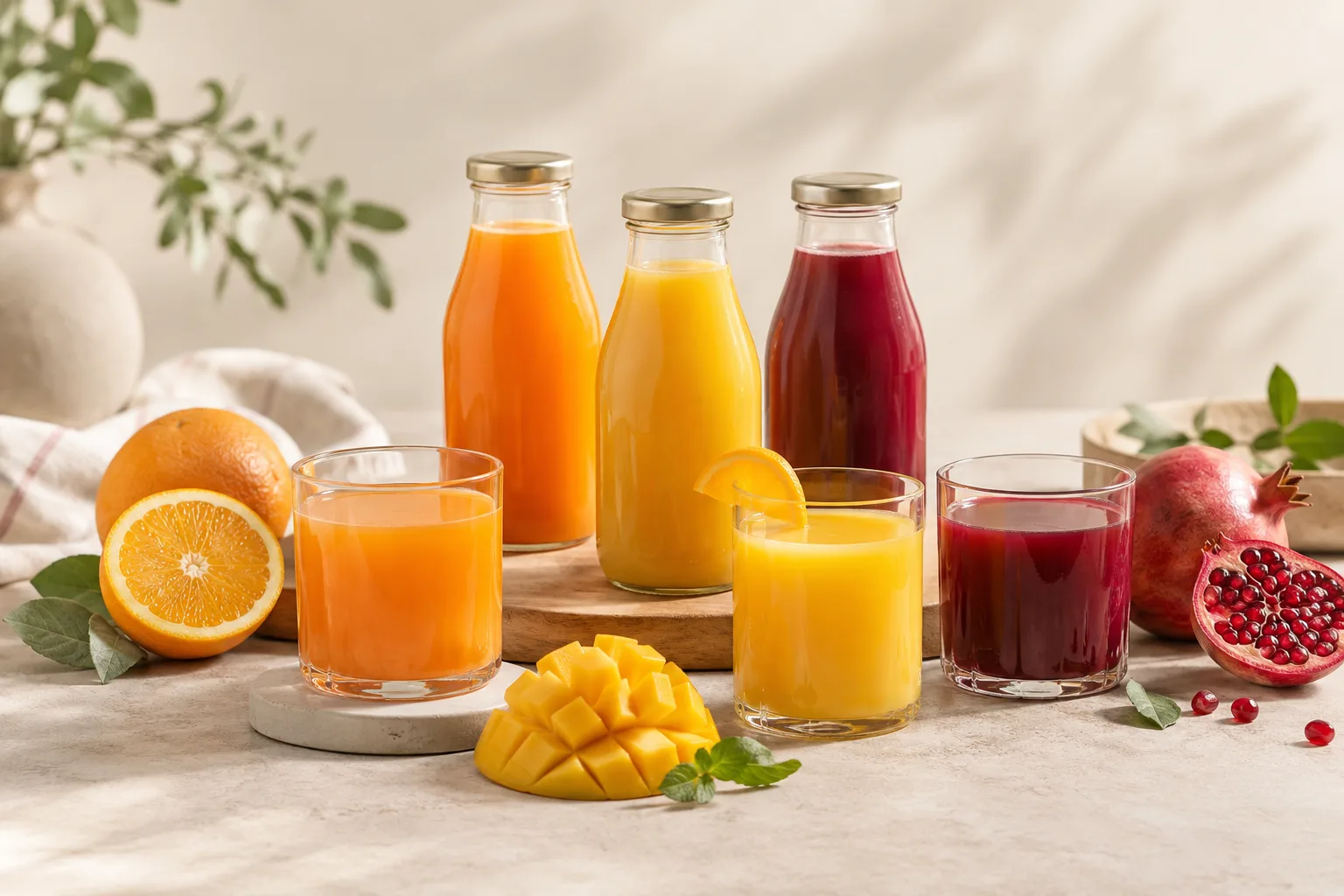
What lead generation means
Lead generation is the combined work of every channel that brings in a new enquiry, whether from search, adverts, referrals or a stall at an exhibition. GullySales runs these channels together and reports the number of enquiries each one produced, not the activity behind it.
Also for juice manufacturers
- CRM for juice manufacturers
- Follow-up systems for juice manufacturers
- SEO for juice manufacturers
- Social media marketing for juice manufacturers
- Content marketing for juice manufacturers
- Buyer personas for juice manufacturers
- WhatsApp marketing for juice manufacturers
- Digital marketing for juice manufacturers
Sales and marketing for juice manufacturers, the overview.
Plan the next part of the work
Last updated 21 Nov 2026.
For juice manufacturers
Where it usually goes wrong, and what we would do.
“A pulp buyer and a carton buyer share nothing”
The purchase head at a kulfi maker wants Brix, colour and a written specification. A kirana dealer wants a margin and a return policy. One enquiry form and one brochure serve neither, so leads have to be sorted by product from the first contact.
“The fruit is bought before the order exists”
Mango arrives in a short window and the pulp then sits in the cold store. Lead generation that starts once the stock is packed runs behind the money, so buyers need to be asked for a price while the trucks are still coming in.
“Traders hold the names you need”
When one trader sets the price and owns the customer, you never learn which hotel or bakery used your pulp. Every direct buyer you identify is a name the trader no longer holds alone, and a name you can call at reorder time.
“A sample without a name attached is wasted pulp”
A litre sent to a kitchen with no contact person gets tasted by a stranger and forgotten. A lead becomes real only when you know who tasted the sample and who decides the purchase.
What we do
What we deliver for juice manufacturers.
The work available for this need. We agree the deliverables and responsibilities for your engagement in writing.
Buyer lists by product
Named purchase heads, chefs and dealers, grouped by the product each one uses: pulp, concentrate, cartons or co-packing.
Result: Each product has its own list of named people to approach.
First-approach scripts by buyer type
A short call script and message for the ice cream maker, the hotel chef and the dealer, each opening with the question that buyer asks first.
Result: A caller holds a different opening line for each buyer type.
Sorted marketplace enquiries
Enquiries from trade portals and apps tagged by product and buyer type, so a pulp request is not answered with a carton price list.
Result: Every enquiry carries a tag for product and buyer type.
A sample log
A record of each sample: who received it, from which lot, and when feedback is due.
Result: Silent kitchens appear on a list for a second call.
An advance-order sheet
A one-page price-for-volume sheet that lets a bulk buyer commit before the fruit arrives.
Result: You can name the buyers who have asked for a price.
How the result is measured
- Relevant enquiries by source
- Duplicate and unsuitable enquiries
- Time to the first response
- Accepted enquiries reaching an agreed next step
Recorded as a baseline before work starts, so every later report has an honest comparison.
What to capture or send
What to record when a pulp, carton or co-packing enquiry first arrives.
- Product wanted and pack form
- Record whether the buyer wants mango pulp in aseptic drums, ready cartons or a private label. Each goes to a different person in your plant.
- Fruit variety and specification
- Note the variety, the brix range and the colour the buyer asks for, so the sample you send is the one they mean.
- Quantity and delivery rhythm
- Ask whether the need is a one-time lot or a standing order across the year, since it decides whether you hold fruit for them.
- Buyer type and who else signs
- Note if the contact is a chef, purchase head, dealer or founder, and who approves the sample. It tells you whom to call after tasting.
- Sample sent, lot and date
- Log the lot number and the courier date against the buyer. Without it, no feedback call can be tied to the batch they tasted.
Who it is for
This is written for these juice manufacturers.
- Mango, guava and tropical fruit pulp makers
- Packaged fruit juice and nectar brands
- Coconut water and sugarcane juice packers
- Aseptic carton and hot-fill bottle packers
- Fruit concentrate and puree suppliers to food makers
- Cold-pressed and fresh juice brands with short shelf life
- Contract juice packers for other brands
- Juice bar and food-service suppliers
Before you decide
When this may not be the right fit.
- Your cold store is full of pulp you have already sold forward, and new enquiries would only be turned away.
- You send samples without recording who received them, so no one could be called for feedback.
- Your price depends on a trader who owns the customer, and a direct buyer would be passed back to the trader.
Before you decide
Agree the work. Know how to judge it.
Lead generation for juice manufacturers: use these checks to prepare, choose the scope, and review what changes.
Bring the right evidence
Define the organisations or buyers you can serve and the reasons they would consider a conversation. Bring examples of accepted and rejected prospects so the selection rule is visible.
Make the scope clear
Agree the research sources, contact approach, qualification rules, and handover. Clarify which meetings count as accepted and what happens to replies that are not ready to buy.
Check the work in use
Review why a prospect was selected and what was learned from the response. Count held, relevant conversations separately from contacts found, messages sent, or meetings booked.
Know when to change course
If the same objection appears repeatedly, adjust the offer or buyer group before increasing outreach. Respect a request to stop contact and keep the exclusion in the record.
These are discussion points, not a fixed package. GullySales confirms the deliverables, responsibilities, fee, and term in writing after reading your brief and speaking with you.
Before we start
What to have ready before the work starts.
The records, access and decisions this work needs from juice manufacturers. Anything missing is noted in the written scope, with who will supply it.
- Two seasons of dispatch and invoice records
- The registers or accounting exports that show who bought what and when. Photographs of ledger pages are acceptable. Without them, the first lists rest on memory and lean toward the buyers a salesperson recalls, not the ones who paid steadily.
- Product sheets with pack sizes and specifications
- A page for each product naming fruit, brix range if you test for it, pack sizes and storage conditions, as you can state them truthfully. Sample approaches are written from these. Where a specification is not tested, we leave it off and say what you can stand behind.
- Your own list of buyers you would not supply
- Tell us which buyers have delayed payment, returned stock without cause or demanded terms you cannot meet. We strike them from the lists. Without this, leads may be gathered for buyers you will later refuse, and the effort is lost.
- A salesperson with time for sample follow-up
- The sample log works only if one person calls back each buyer. Name that person and what else fills their day. If nobody has the time, the plan shrinks to fewer buyers at a time, and we say so at the start.
How it works
How the lead generation work runs
The work itself, in order. How an engagement starts, from your brief to a written scope, is set out on our method page.
- 1
Read the dispatch register by buyer type
We take the dispatch register and invoice file for the last two seasons and sort every buyer into a type: ice cream maker, bakery, caterer, hotel kitchen, dealer, co-packing client, institution. You tell us which type pays on time, which asks for repeated samples and which you would like more of. The sort shows where your pulp and packs have already found a home and where they never reached.
- 2
Name buyers for each product you make
For pulp, concentrate, packed juice and bulk drums we draw up separate lists of named businesses and the person who buys, such as the purchase head at a dairy or the owner of a sweet shop. You strike out buyers who are already served by a friend or whom you cannot supply on the route. The lists are built by product, not by area alone.
- 3
Write the first approach for each buyer type
A dealer needs margin and stock-age, a bakery needs the pulp consistency, a caterer needs a rate per kilo or crate. We draft a short opening call script and a message for each, using the words your salesperson uses. You read them aloud and keep only lines that sound like you.
- 4
Set up the sample log with a follow-up owner
Every sample sent out is entered in a sheet with the buyer, the product, the batch, the date and the person who will ask for feedback. We design the columns with your dispatch clerk. You assign each sample to a named person, so none is sent and forgotten.
- 5
Read the log and the advance-order sheet
We compare samples sent, replies received and orders booked, including advance orders for the next fruit season, with the figures noted when the work began. You and we look at which buyer types answered and which did not. The lists are changed accordingly, and no count of leads is promised.
Where this fits
Three pieces of sales work, in this order.
This work sits inside sales process design, at stage 1, prospecting and lead generation. The audit comes before it, and sales management keeps it running.
Step 1
Sales audit
Find where deals are being lost and what to fix first.
Start here if you cannot say where orders are lost.
Step 2 · you are here
Sales process design
One written way to sell, from first enquiry to repeat order.
Start here if every salesperson sells differently.
Step 3
Sales management
A target, a review routine and someone who owns the number.
Start here if the team has targets and no routine.
FAQ
Questions owners ask before they call.
Not here? More answers, or ask on WhatsApp.
Should a juice maker chase dealers or bulk buyers first?
Where do leads for hotels and caterers come from?
Do you promise a number of leads?
What if our main constraint is the fruit season itself?
Who chooses which buyers are on the list, GullySales or the owner?
Do we need to buy a database of food businesses?
How much does it cost?
How long is the contract?
How soon will we see results?
Who will actually do the work?
More for juice manufacturers
Related work to consider.
Closest to this: leads and follow-up
Also for juice manufacturers
Or start from the overview: sales and marketing for juice manufacturers.
Your next practical step
Tell us what you are trying to grow, and we will read it before we call.
Eight short steps, mostly taps. Skip anything you would rather answer on the call.