Juice manufacturers · Buyer persona
Know whether the buyer is a chef, a dealer or a founder before the first call.
A buyer persona for a juice manufacturer is a written profile of one kind of buyer: what they buy, what they check first, who else signs and what brings them back to reorder. GullySales builds one profile per buyer type from your own orders and sales calls.
Scope, fee, reporting and term are agreed in writing after we have read your brief and spoken to you.
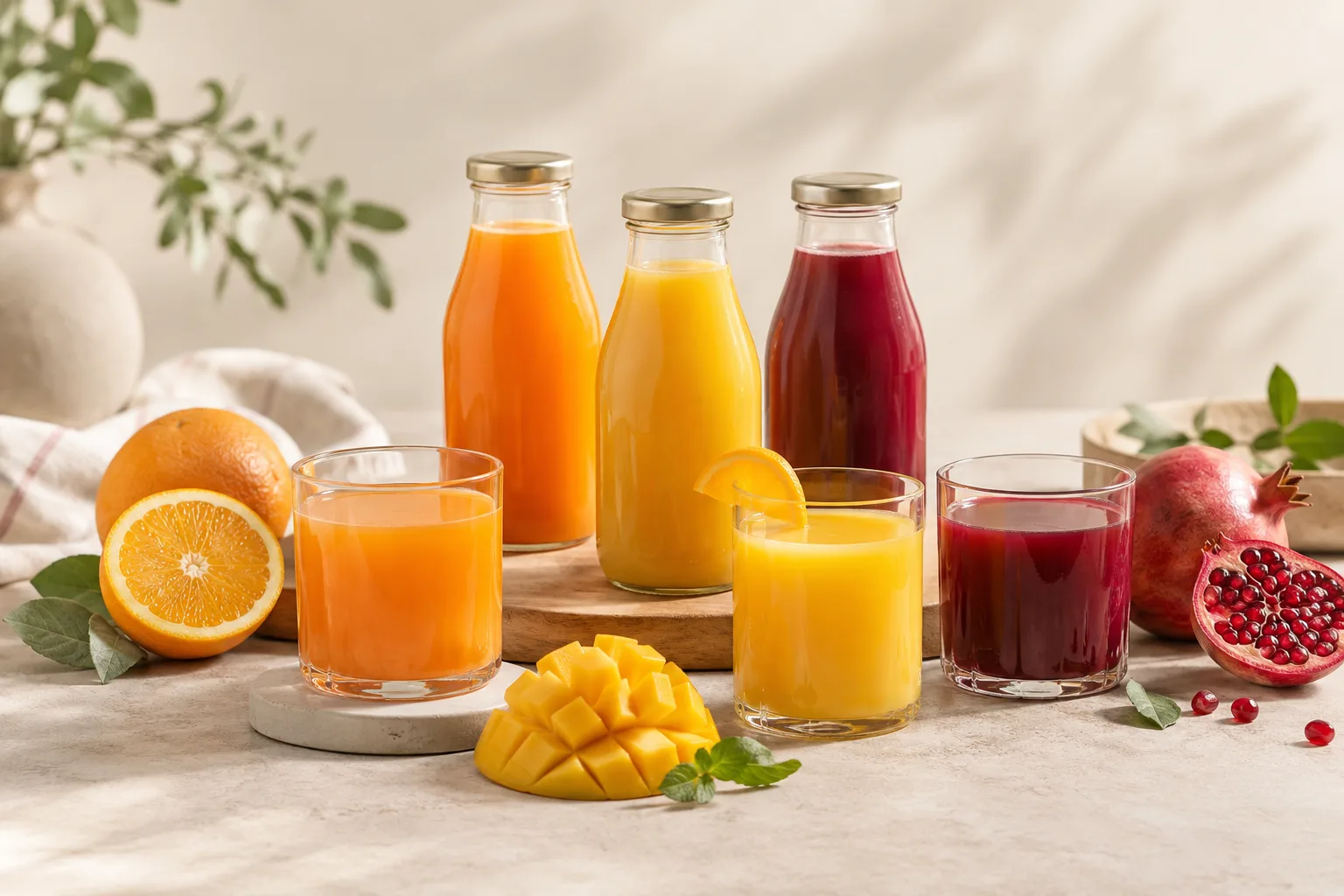
What buyer persona means
A buyer persona is a plain description of the kind of customer who actually buys from you. It includes what they search, what worries them and who else they ask before deciding. GullySales builds this from real enquiries and past sales rather than a generic template, then uses it to write every page and advert.
Also for juice manufacturers
- Digital marketing for juice manufacturers
- Lead generation for juice manufacturers
- SEO for juice manufacturers
- Social media marketing for juice manufacturers
- Content marketing for juice manufacturers
- CRM for juice manufacturers
- Follow-up systems for juice manufacturers
- WhatsApp marketing for juice manufacturers
Sales and marketing for juice manufacturers, the overview.
Last updated 14 Nov 2026.
For juice manufacturers
Where it usually goes wrong, and what we would do.
“The chef checks the taste, the purchase head checks the paper”
A hotel names two people for one pulp purchase. The chef decides on colour, sweetness and consistency, while the purchase head asks for a specification, a price and a delivery plan. A persona names both and what each needs.
“A dealer buys margin and rotation”
The shopkeeper does not ask how the fruit was picked. The questions are the margin, the return policy and how soon a carton sells. The dealer persona is about stock and risk, not about fruit.
“An institutional buyer fears choosing wrong”
A school administrator or hospital stores officer needs documents, a fixed price per carton and a supplier who is on time, because a missed delivery lands on them. The persona lists the papers they ask for.
“The beverage founder wants a plant, not a product”
A start-up with a recipe asks about hot-fill or aseptic capacity, minimum run and lab records. The persona keeps the founder's worries, such as an under-run or a leaked recipe, in front of your sales team.
What we do
What we deliver for juice manufacturers.
The work available for this need. We agree the deliverables and responsibilities for your engagement in writing.
A persona sheet per buyer type
One page each for the kitchen buyer, the dealer, the institution and the co-packing founder.
Result: Your team holds one page per buyer type.
Questions and objections
The questions each buyer asks and the objections raised, written from your own call notes.
Result: A caller sees the likely objection beside the answer.
A decision map
Who tastes, who approves and who pays at each buyer, and the order they come in.
Result: A sample is addressed to the person who decides.
Language notes
The words each buyer uses for the product, such as pulp, puree, concentrate or nectar.
Result: Messages use the word the buyer uses.
A check against real orders
Each profile compared with the buyers you actually sell to, then corrected.
Result: Every profile matches buyers on your order book.
How the result is measured
- Enquiry match to persona
- Conversion rate by persona
- Content aligned to persona
Recorded as a baseline before work starts, so every later report has an honest comparison.
Who is asking
The buyers of pulp, cartons and co-packing, and what each checks first.
- Hotel chef choosing a juice supplier
- Wants the sample, the colour and taste, and a supplier who delivers on the days the kitchen needs it.
- Purchase head of a bakery or ice cream maker
- Wants the specification sheet, pack size, licence copies and a clear price basis before approving a trial lot.
- Dealer stocking cartons
- Wants margin, rotation of old stock and a replacement route for cartons that reach their best date unsold.
- Beverage start-up founder
- Wants a plant they can visit, a minimum lot they can afford and clarity on who does the label approval.
- Institutional buyer for a canteen or hospital
- Wants paperwork in order, a tender-ready quote and a supplier who can renew without re-explaining everything.
Who it is for
This is written for these juice manufacturers.
- Mango, guava and tropical fruit pulp makers
- Packaged fruit juice and nectar brands
- Coconut water and sugarcane juice packers
- Aseptic carton and hot-fill bottle packers
- Fruit concentrate and puree suppliers to food makers
- Cold-pressed and fresh juice brands with short shelf life
- Contract juice packers for other brands
- Juice bar and food-service suppliers
Before you decide
When this may not be the right fit.
- You have no order history to read from, so every persona would be guesswork about people you have not yet sold to.
- You sell to one dealer who takes the whole production, and a persona would describe a single known person.
Before you decide
Agree the work. Know how to judge it.
Buyer personas for juice manufacturers: use these checks to prepare, choose the scope, and review what changes.
Bring the right evidence
Write the decision the research must support, such as entering a market or choosing a buyer group. Separate what you know from sales records from what the team currently assumes.
Make the scope clear
Agree which buyers to speak to, which sources to review, and what access you can provide. Include lost enquiries and people who chose another supplier, where they are willing to take part.
Check the work in use
Look for source dates, sample limitations, and evidence that disagrees with the preferred answer. A recommendation should show how it follows from the findings.
Know when to change course
Do not treat a few positive conversations as proof of demand. Test the proposed offer with an actual buying decision before committing to a wider launch.
These are discussion points, not a fixed package. GullySales confirms the deliverables, responsibilities, fee, and term in writing after reading your brief and speaking with you.
Before we start
What to have ready before the work starts.
The records, access and decisions this work needs from juice manufacturers. Anything missing is noted in the written scope, with who will supply it.
- The order file for two seasons
- Invoices or a dispatch register with buyer names, products and quantities. Without it, the types are guessed and may include buyers who bought once by chance. Totals by buyer matter more than exact dates.
- Names of buyers you can ask for a conversation
- A short list of buyers, including one that left, whom you are willing for us to call. We do not contact anyone without your agreement. If you cannot name any, the sheets rest on your team's view alone. Introductions by you help, since a buyer takes a call from someone you name.
- Time with the salesperson and purchase head
- A few hours each, away from the phone. The persona is drawn from what they know. If they cannot be spared, the work is shallower and says so. We keep the conversations short and send the questions before the meeting.
- Your note on who signs at big accounts
- For your largest buyers, who signs and who only advises. This tells us how long and how many people a decision involves. If you do not know, the decision map shows gaps for you to fill. The names of the people who sample, test and approve are particularly useful.
- A statement of the buyers you want to grow
- Say which buyer type you want more of. The sheets cover all, but this decides where the first effort goes. Without a choice, effort is spread equally and shows little. The choice may be a type you serve poorly today, and the sheets will say why.
How it works
How the buyer persona work runs
The work itself, in order. How an engagement starts, from your brief to a written scope, is set out on our method page.
- 1
Sort last season's orders by buyer type
We take the order file and group buyers into types, such as dairy and ice cream makers, bakeries, hotel and catering kitchens, dealers and beverage start-ups. For each type we note the products bought, the order size and the reorder pattern. You add the buyers you consider the best of each type. We also mark buyers who ordered once and never again, since they teach as much as the loyal ones about what a buyer checks and does not find.
- 2
Interview your salesperson and purchase head
Separate conversations with the people who sell and who buy fruit, about how each buyer type decides. The salesperson tells us what buyers ask; the purchase head tells us what they ask for in return. Where the two differ, we note it and ask a third source. We ask the purchase head about the tests a buyer's quality team asks for, since those requests show what each type worries about before the order.
- 3
Call a few buyers with three questions
With your approval we call a few buyers, including one that stopped ordering, and ask what they checked first, who else had to agree and what made them reorder or leave. You choose who is approached. Their words go into the persona sheets. We note whether each buyer first heard of you from a salesperson, a dealer, a marketplace or a trade visit, because the route sometimes shapes the questions asked.
- 4
Write a sheet for each kind of buyer
Each sheet states what the buyer buys, what they look at first, what worries them and what brings them back. A bakery sheet and a dealer sheet look different. Your salesperson reads each and fixes what sounds wrong. Each sheet also lists the words the buyer uses for the product, such as pulp, puree or crush, so that your pages and calls use the same word.
- 5
Draw the decision map for each sale
For each type we mark who tastes the sample, who checks the specification, who agrees the price and who signs. This shows who your replies should reach. You decide where to change how your team handles a sample. We mark the point at which each person can say no, as a quality head can stop an order that a purchase head wants.
- 6
Check the sheets against real orders
As new orders and enquiries arrive, your salesperson notes which sheet fits and where it does not. We compare these with the sheets and the order file kept at the start, and correct the sheets. Notes on language, for instance words a buyer uses, are added. Sheets are revised after enquiries from buyers who fit no sheet, which may call for a new type.
Where this fits
Three pieces of sales work, in this order.
This work sits inside sales process design, at stage 0, foundation. The audit comes before it, and sales management keeps it running.
Step 1
Sales audit
Find where deals are being lost and what to fix first.
Start here if you cannot say where orders are lost.
Step 2 · you are here
Sales process design
One written way to sell, from first enquiry to repeat order.
Start here if every salesperson sells differently.
Step 3
Sales management
A target, a review routine and someone who owns the number.
Start here if the team has targets and no routine.
FAQ
Questions owners ask before they call.
Not here? More answers, or ask on WhatsApp.
How do you build a persona without market data?
How many personas does a juice maker need?
Who uses the personas?
Does a persona change between the pulp season and the off-season?
How do we build a persona without market data?
Do buyers behave differently in the off-season?
How much does it cost?
How long is the contract?
How soon will we see results?
Who will actually do the work?
More for juice manufacturers
Related work to consider.
Closest to this: strategy and research
Also for juice manufacturers
Or start from the overview: sales and marketing for juice manufacturers.
Your next practical step
Tell us what you are trying to grow, and we will read it before we call.
Eight short steps, mostly taps. Skip anything you would rather answer on the call.