Luggage manufacturers · Content marketing
Write the pages that explain why your trolley bag is built the way it is.
Content marketing for a luggage manufacturer means publishing the explanations a dealer needs to sell and a buyer needs to trust: how a wheel is fitted, why a shell is chosen, what a claim involves. GullySales plans and writes these pieces from your own production and service knowledge.
Scope, fee, reporting and term are agreed in writing after we have read your brief and spoken to you.
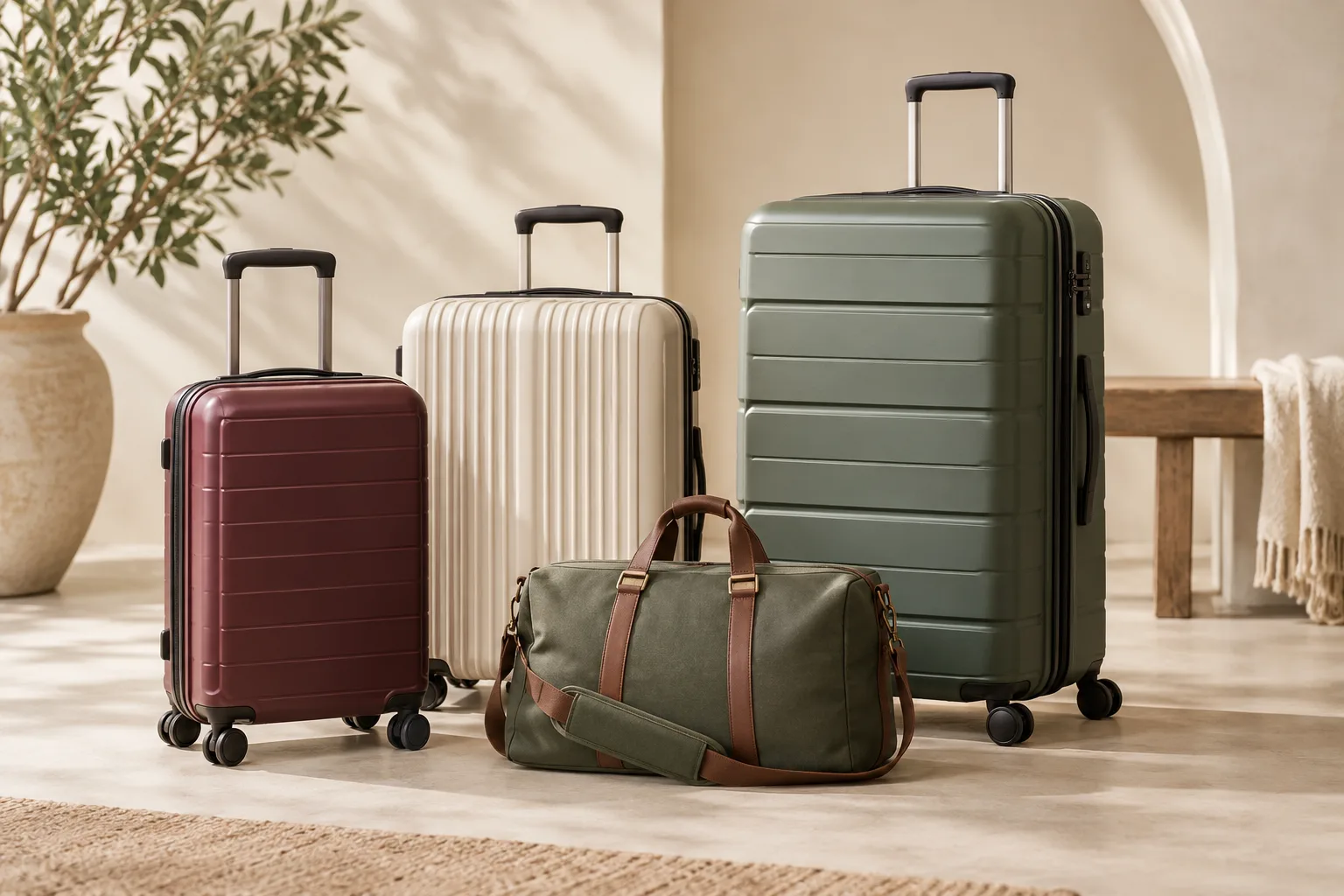
What content marketing means
Content marketing is writing articles, guides and pages that answer the questions buyers search before they are ready to enquire. This makes your business visible and trusted before the first call. GullySales plans this content from the first conversation onward, choosing topics that match real search demand rather than guesses.
Also for luggage manufacturers
- Social media marketing for luggage manufacturers
- Lead generation for luggage manufacturers
- SEO for luggage manufacturers
- Buyer personas for luggage manufacturers
- CRM for luggage manufacturers
- Follow-up systems for luggage manufacturers
- WhatsApp marketing for luggage manufacturers
- Digital marketing for luggage manufacturers
Sales and marketing for luggage manufacturers, the overview.
Last updated 14 Nov 2026.
For luggage manufacturers
Where it usually goes wrong, and what we would do.
“Every maker says lightweight and durable”
The spec sheet uses the same three words as the competitor. A piece that shows how the handle is mounted, what the wheel housing is made of and what the test is gives a dealer a sentence nobody else can say.
“The dealer needs words for the customer”
A shop owner is asked why one trolley costs more than another. Content that explains the difference in plain language, with a counter sheet to match, arms that conversation better than any advertisement does.
“Service stories build more trust than product claims”
How a returned bag is checked, what is replaced and what is not covered shows the factory behaving well after the sale. That is the evidence a dealer recalls when deciding next season's shelf.
What we do
What we deliver for luggage manufacturers.
The work available for this need. We agree the deliverables and responsibilities for your engagement in writing.
Product explainer pieces
Articles and pages on shell, wheels, locks, zips and handles, written from your production team's notes.
Result: A dealer has a page to send when a customer asks why.
Dealer counter sheets
One-page guides per model that a salesman can read aloud or hand over.
Result: Each model has a sheet that states who it suits and who it does not.
Claim and care guides
Plain steps for claims, repairs and care, checked against your warranty terms.
Result: Dealer and customer see the same steps in writing.
Buyer guides for trade and bulk
Content for brands, schools and corporate buyers on specifying a bag, lot sizes and sampling.
Result: A procurement lead can read how an order proceeds before asking.
Editorial calendar
Topics placed against the season and against the questions your salesmen hear.
Result: Each piece has a purpose and a date against it.
How the result is measured
- Pages published
- Organic traffic
- Enquiries from content pages
Recorded as a baseline before work starts, so every later report has an honest comparison.
Posts and pieces to plan
Pages that explain why your trolley bag is built the way it is.
- How to choose a size for a family trip
- A guide a dealer can show a customer: litres, cabin or check-in, number of days. Use your own sizes and real packing photos.
- Why wheels fail and how ours are fitted
- A plain account of wheel types and mounting, with a photograph of your assembly. It answers the broken wheel complaint before it happens.
- Hard shell, soft shell or fabric explained
- A comparison written in words a shop assistant can repeat, with the care each needs.
- What we replace under warranty and how to claim
- A step-by-step page for dealers and travellers, with the form and the repair desk. Say only what you will honour.
- Inside the factory: from sheet to finished trolley
- A photo essay of cutting, stitching, assembly and checks. Needs the factory's permission and no staff faces without consent.
Who it is for
This is written for these luggage manufacturers.
- Hard shell trolley bag manufacturers
- Soft luggage and duffel bag manufacturers
- Travel backpack and rucksack makers
- School and college bag manufacturers
- Cabin and checked luggage makers for private label brands
- Corporate and promotional travel kit manufacturers
- Luggage component suppliers and assemblers
- Travel accessories makers, such as organisers and tags
Before you decide
When this may not be the right fit.
- You have not decided what the warranty covers, so a claims page would promise something undecided.
- The factory cannot be photographed for safety or client reasons.
- No one can write plainly about construction, and copy would repeat the lightweight and durable phrases every rival uses.
Before you decide
Agree the work. Know how to judge it.
Content marketing for luggage manufacturers: use these checks to prepare, choose the scope, and review what changes.
Bring the right evidence
Bring questions from sales calls and examples of objections that delay a decision. Choose a subject expert who can check the substance, and identify evidence that can be published.
Make the scope clear
Agree the reader, buying question, format, and distribution route for each piece. Set the approval process and distinguish new research from rewriting material you already have.
Check the work in use
Ask a colleague to use the draft in a real buyer conversation. It should answer the question, support its claims, and make the next step clear without requiring a sales pitch to explain it.
Know when to change course
If the same unanswered question appears in several articles, improve the strongest page before commissioning another. More words are not a substitute for missing evidence.
These are discussion points, not a fixed package. GullySales confirms the deliverables, responsibilities, fee, and term in writing after reading your brief and speaking with you.
Before we start
What to have ready before the work starts.
The records, access and decisions this work needs from luggage manufacturers. Anything missing is noted in the written scope, with who will supply it.
- The last season's dealer questions in writing
- Ask your salespeople to write down, or dictate, the questions dealers asked them during the last season. A page of notes is enough. This is the raw material for the topic list. Without it we write what a maker thinks is interesting instead of what a dealer needs.
- Test notes your quality team keeps
- Bring whatever records exist of drop tests, load tests, wheel runs and zip pulls, including photographs of the test. They allow us to write a claim you can defend. If no record exists, the pieces describe the build and the care, and leave strength claims out entirely. Photographs of the test rig, with the date, are as useful as the notes themselves.
- The names of component suppliers
- Tell us which suppliers you may name for wheels, locks and zips, and which you may not. Some contracts forbid it. When the permission is missing, we describe the part by what it does and how it is fitted, without a brand name.
- Your warranty and repair rules, as printed
- We need the warranty card, the claim form and the rule on repairs and replacements exactly as the factory applies them. Content on claims is copied from them. A mismatch between a guide and the card you really honour will land on your service desk.
- A reviewer with time to read drafts
- A person on your side must read each draft and mark corrections. A busy product head who cannot do this slows every piece. If nobody has the time, we publish less, not more carelessly, and the editorial calendar is cut to match. We would rather agree a smaller calendar at the start than promise pieces that sit unsigned.
How it works
How the content marketing work runs
The work itself, in order. How an engagement starts, from your brief to a written scope, is set out on our method page.
- 1
List what dealers cannot explain to customers
We sit with your sales team and write down the questions shop owners ask when a customer picks up a bag: why this wheel, what the lock does, whether polycarbonate cracks. The list is sorted by how frequently your team hears each question. It becomes the list of pieces to write first.
- 2
Decide who answers for each claim
For every topic you name the person who knows the fact, such as the product head for shell material or the quality lead for tests. They become the reviewer of that piece. A claim with no named owner is not written, because a vague line about durability helps no dealer. Where two people disagree about a fact, the quality lead settles it and the decision is noted beside the topic so it is not argued again.
- 3
Collect test records and supplier names
Your quality team hands over drop and load test notes, wheel and zip supplier names and the warranty card text. We read them with you to see what may be stated in print. Anything the records do not support is removed from the brief before any writing starts.
- 4
Write the dealer sheets before the long pieces
We draft the one-page counter sheets first, since a dealer uses them the same week. Each explains one feature in the words a customer would follow. Your sales head reads them against what dealers already say at the counter and corrects anything a shop owner would not repeat. A sheet that needs more than one reading to follow is cut down until a shop assistant can use it with a customer waiting.
- 5
Get the factual review signed
Every piece goes to its named reviewer, who marks what is wrong or unprovable. We revise and send it back until the reviewer signs. The owner reads the final text for tone. Pieces without a signature are held back, and none is published without it.
- 6
Read what dealers used and what they asked
After publication we check which sheets dealers asked for again, which pieces drew visits from search and which questions still arrive on calls. Your sales team compares these with the figures noted at the start. The results decide the next topics, and no outcome is promised. Questions that still reach your sales desk after a piece is live tell us where the piece fell short.
Where this fits
Three pieces of sales work, in this order.
This work sits inside sales process design, at stage 0, foundation. The audit comes before it, and sales management keeps it running.
Step 1
Sales audit
Find where deals are being lost and what to fix first.
Start here if you cannot say where orders are lost.
Step 2 · you are here
Sales process design
One written way to sell, from first enquiry to repeat order.
Start here if every salesperson sells differently.
Step 3
Sales management
A target, a review routine and someone who owns the number.
Start here if the team has targets and no routine.
FAQ
Questions owners ask before they call.
Not here? More answers, or ask on WhatsApp.
Who writes the content?
Do we publish test results?
How do we know the content works?
Do we publish test results?
Can dealers reuse the content under their own name?
What if a piece contains something we later change?
How much does it cost?
How long is the contract?
Who will actually do the work?
What do you need from us?
More for luggage manufacturers
Related work to consider.
Closest to this: content and social
Also for luggage manufacturers
Or start from the overview: sales and marketing for luggage manufacturers.
Your next practical step
Tell us what you are trying to grow, and we will read it before we call.
Eight short steps, mostly taps. Skip anything you would rather answer on the call.