Luggage manufacturers · Social media
Use social media to make dealers and families remember your name.
Social media marketing for a luggage manufacturer means showing the product being tested, packed and used, so that dealers see a brand worth stocking and families see a bag worth asking for by name. GullySales plans the posts, the dealer-facing content and the season calendar, and leaves the product claims to you.
Scope, fee, reporting and term are agreed in writing after we have read your brief and spoken to you.
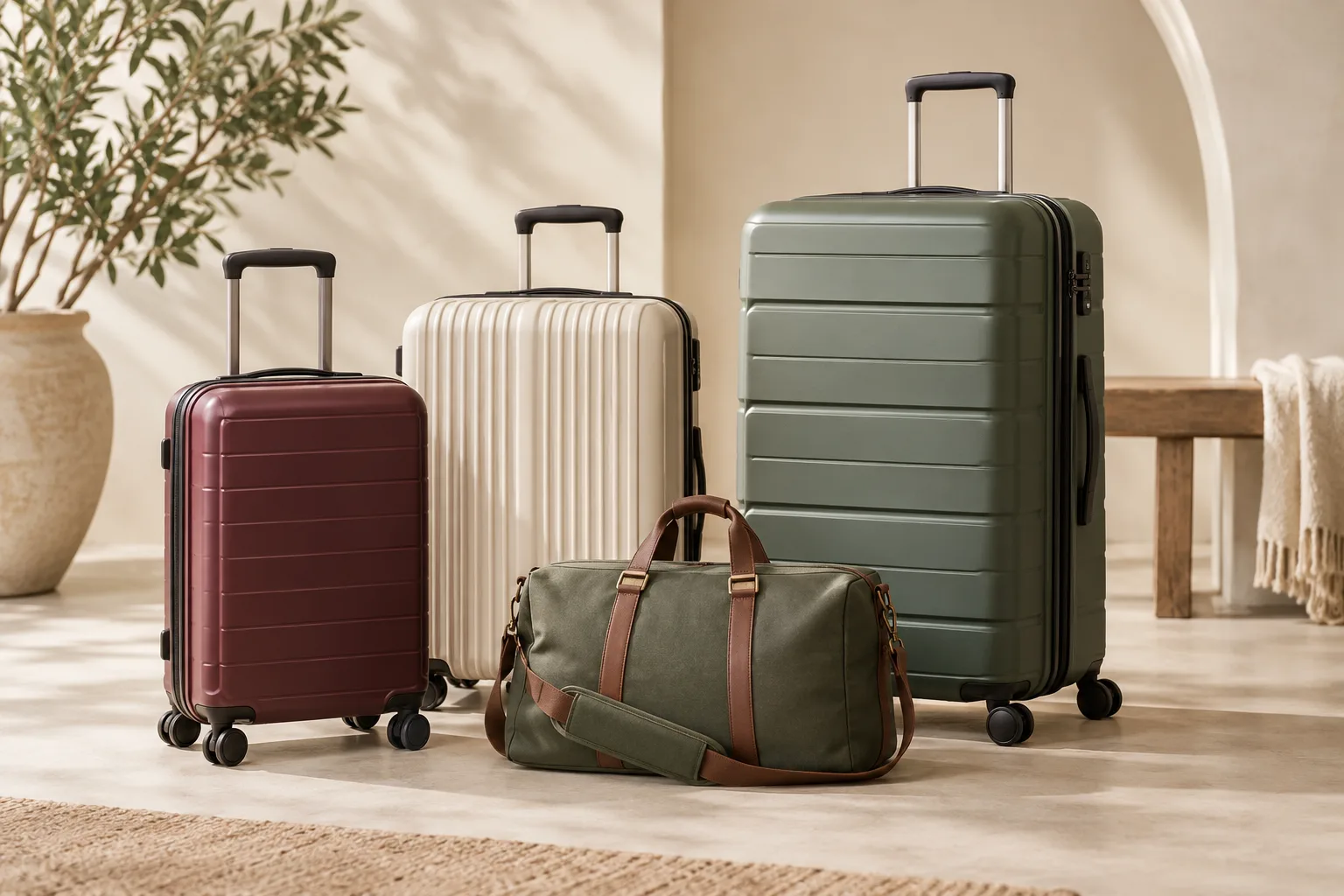
What social media means
Social media is the ongoing posting your business does on platforms such as Instagram, Facebook and LinkedIn to stay visible to customers and prospects between purchases. GullySales plans a posting calendar, writes captions and designs the images so the page looks active and answers what a visitor would ask.
Also for luggage manufacturers
- Content marketing for luggage manufacturers
- Lead generation for luggage manufacturers
- SEO for luggage manufacturers
- Buyer personas for luggage manufacturers
- CRM for luggage manufacturers
- Follow-up systems for luggage manufacturers
- WhatsApp marketing for luggage manufacturers
- Digital marketing for luggage manufacturers
Sales and marketing for luggage manufacturers, the overview.
Last updated 14 Nov 2026.
For luggage manufacturers
Where it usually goes wrong, and what we would do.
“Dealers watch the brands on their shelf”
A shop owner follows the makers whose bags are in the shop. A tested wheel, a zip pulled hard or a factory floor clip tells that dealer the maker is serious. The post is aimed at one buyer, not at the general traveller.
“Wedding and holiday posts need to start before the buying”
A family planning a trousseau looks at matching sets weeks before the purchase, and a dealer fills shelves earlier still. A post that appears in the week of the wedding is late for both.
“A video of the product beats a model photograph”
Luggage is judged by how it rolls, opens and carries. A short clip of the trolley on a station platform or loaded on a belt answers the question a still photograph leaves open.
What we do
What we deliver for luggage manufacturers.
The work available for this need. We agree the deliverables and responsibilities for your engagement in writing.
Dealer-facing content plan
Posts and short videos aimed at shop owners: testing, new models, schemes and dealer stories shared with permission.
Result: A set of posts dealers can forward to their customers.
Season calendar
A dated plan built back from the school holidays, the wedding months and Diwali travel.
Result: Each buying period has posts scheduled ahead of it.
Product demonstration clips
Short videos showing wheels, handles, locks and zips under use, shot at the factory or on location.
Result: A clip exists for every model you want dealers to push.
Matching-set wedding content
Posts for Instagram showing coordinated sets, with the dealer list to point families to.
Result: A family who sees a set can find the nearest shop that stocks it.
Platform and reading routine
A choice of Instagram, Facebook, YouTube and LinkedIn by audience, with a reading of what each produced.
Result: The owner knows which platform reached dealers and which reached families.
How the result is measured
- Posts published
- Engagement rate
- Enquiries from social profiles
Recorded as a baseline before work starts, so every later report has an honest comparison.
Posts and pieces to plan
Posts that make a dealer and a family remember your name.
- A wheel and handle test on camera
- A short video of the trolley being pushed over rough floor and the handle extended repeatedly. Use only tests you actually ran.
- Packing a trolley for a family trip
- A real family scene with roles, such as parents and a child, packing three days of clothes. Shows capacity better than a model photograph.
- Meet the repair desk
- Photographs of the person who handles claims and what they can replace. It tells dealers that a broken wheel in June has an answer.
- New model for the holiday season
- A launch post for dealers first, with colours, sizes and the price band, posted before the buying months.
- Dealer shop photo
- A photo of a stockist's display with their permission. Other dealers see that you notice who sells your bags.
Who it is for
This is written for these luggage manufacturers.
- Hard shell trolley bag manufacturers
- Soft luggage and duffel bag manufacturers
- Travel backpack and rucksack makers
- School and college bag manufacturers
- Cabin and checked luggage makers for private label brands
- Corporate and promotional travel kit manufacturers
- Luggage component suppliers and assemblers
- Travel accessories makers, such as organisers and tags
Before you decide
When this may not be the right fit.
- You have no sample bags to film, so posts would use catalogue pictures that tell dealers nothing.
- Dealers cannot yet get your stock in their town, and a viewer who wants a bag would find none.
- Nobody monitors comments, so a complaint would sit in public.
Before you decide
Agree the work. Know how to judge it.
Social media marketing for luggage manufacturers: use these checks to prepare, choose the scope, and review what changes.
Bring the right evidence
Review the posts that produced useful conversations, not only the ones with the most views. Gather buyer questions and decide which team member can contribute credible material.
Make the scope clear
Choose the audience and channel before setting a posting volume. Agree who supplies material, approves posts, and handles messages, including complaints or questions the agency cannot answer.
Check the work in use
Follow a post through to the profile, website, and response. A useful report explains the quality of conversations and enquiries, alongside reach and engagement.
Know when to change course
If publishing takes time away from unanswered buyer messages, fix the response routine first. Do not expand to another channel without a clear reason for being there.
These are discussion points, not a fixed package. GullySales confirms the deliverables, responsibilities, fee, and term in writing after reading your brief and speaking with you.
Before we start
What to have ready before the work starts.
The records, access and decisions this work needs from luggage manufacturers. Anything missing is noted in the written scope, with who will supply it.
- Admin rights to every existing page
- We need you to add us as editors to the Instagram, Facebook and YouTube pages, or to share a business manager. The pages should be in the company's name, not a staff member's phone. Without that, we cannot post or read the figures, and an employee who leaves can take the account along.
- Video clips of the product tests
- Any footage of drop tests, wheel runs or load checks that your quality team has already recorded is valuable. Rough clips on a phone are acceptable. When none exists, we film a visit to the floor, and the first month of posts will rely on photographs.
- Dealers who agree to be tagged
- Before we tag a dealer, you should know which of them are happy to be shown. Ask your sales head to mark the list. Tagging a dealer who prefers privacy, or who is in conflict with a nearby stockist, can cost you the relationship the post was meant to build. Dealers with an open claim should be left untagged until it is settled.
- Dates of the seasons you plan stock for
- Give us the dates by which your dealers must order for the summer, school and wedding seasons. We plan the posts backwards from them. If the dates are not known, the calendar is guesswork and posts will arrive after dealers have already filled their shelves.
- One person to approve posts
- Name the person who can approve a post the same day, with a backup. Product claims and dealer mentions need a decision from someone who knows the facts. When nobody is named, drafts wait and the calendar slips behind the season it was built for.
How it works
How the social media work runs
The work itself, in order. How an engagement starts, from your brief to a written scope, is set out on our method page.
- 1
Check which dealers already follow your pages
We go through the accounts that follow you and match them with your dealer and distributor list. You tell us which dealers are active on Instagram, Facebook or YouTube and which only use WhatsApp. This tells us where dealers actually look, before any plan is drawn up for them. We also note which dealers tag your products without being asked, since those are friendly voices worth thanking.
- 2
Agree who holds the logins and the brand folder
Your marketing person gives us access to the pages, or adds us as editors. We collect logos, the colour codes in your brand sheet and the folder of existing photographs. You decide who approves each post, because a post that mentions warranty needs the product head to read it.
- 3
Film the product being handled on your floor
A short visit to the factory or godown lets us film the wheel test, the zip pull, the packing of a bag and the stack ready for dispatch. Your production lead tells us which tests may be shown. Footage that exposes a supplier or a unreleased model stays unused.
- 4
Set the calendar around holiday and wedding buying
We lay out the year against the dates dealers place stock: before the summer holidays, before school reopens, before the wedding season. You confirm which ranges lead each period. Posts for a season are planned to appear before the dealer orders, not after the shelves are full. We also check each caption for dealer names spelt correctly.
- 5
Draft the posts and approve them one by one
We write captions and cut the clips, then send each to your product head or owner. Anything that makes a claim about strength or weight is checked against your test record. Approved posts are scheduled by us, and the ones not approved are dropped, not edited into something you did not see.
- 6
Look at dealer replies against orders placed
We note which dealers comment, message or ask for a catalogue after a post and your sales team records whether they then place a trial lot or a reorder. Set against the figures from before the work, this shows which kinds of post to repeat. Nothing is promised about how any post will perform.
Where this fits
Three pieces of sales work, in this order.
This work sits inside sales process design, at stage 0, foundation. The audit comes before it, and sales management keeps it running.
Step 1
Sales audit
Find where deals are being lost and what to fix first.
Start here if you cannot say where orders are lost.
Step 2 · you are here
Sales process design
One written way to sell, from first enquiry to repeat order.
Start here if every salesperson sells differently.
Step 3
Sales management
A target, a review routine and someone who owns the number.
Start here if the team has targets and no routine.
FAQ
Questions owners ask before they call.
Not here? More answers, or ask on WhatsApp.
Which platform matters for a luggage manufacturer?
Should we tag dealers in our posts?
Do we need a model for every post?
Should we tag dealers in our posts?
Do we have to post all the time?
Can you run the page if our staff already post?
How much does it cost?
How long is the contract?
How soon will we see results?
Who will actually do the work?
More for luggage manufacturers
Related work to consider.
Closest to this: content and social
Also for luggage manufacturers
Or start from the overview: sales and marketing for luggage manufacturers.
Your next practical step
Tell us what you are trying to grow, and we will read it before we call.
Eight short steps, mostly taps. Skip anything you would rather answer on the call.