Office furniture manufacturers · Lead generation
Find the floors that need furnishing before the requirement sheet is sent.
Lead generation for an office furniture manufacturer means finding the companies, contractors and departments that will buy seating and desking soon, and reaching them before a shortlist is made. GullySales works on the sources that produce requirement sheets and on recording where each one came from.
Scope, fee, reporting and term are agreed in writing after we have read your brief and spoken to you.
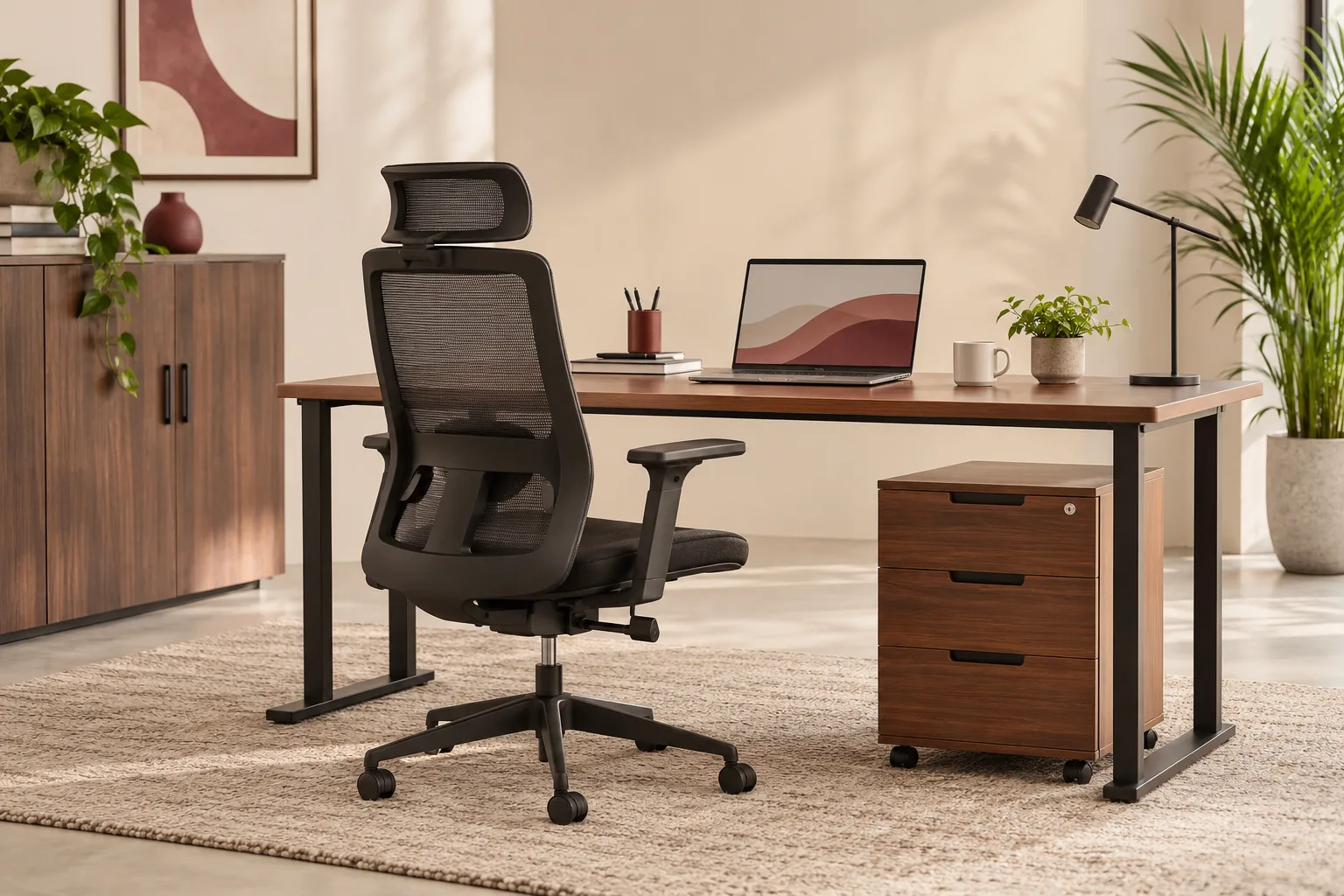
What lead generation means
Lead generation is the combined work of every channel that brings in a new enquiry, whether from search, adverts, referrals or a stall at an exhibition. GullySales runs these channels together and reports the number of enquiries each one produced, not the activity behind it.
Also for office furniture manufacturers
- CRM for office furniture manufacturers
- Follow-up systems for office furniture manufacturers
- SEO for office furniture manufacturers
- Social media marketing for office furniture manufacturers
- Content marketing for office furniture manufacturers
- Buyer persona for office furniture manufacturers
- WhatsApp marketing for office furniture manufacturers
- Digital marketing for office furniture manufacturers
Sales and marketing for office furniture manufacturers, the overview.
Plan the next part of the work
Last updated 21 Nov 2026.
For office furniture manufacturers
Where it usually goes wrong, and what we would do.
“The best lead is a lease that has just been signed”
A company that has taken a new floor needs workstations before move-in. News of expansion, a relocation to a new park or a fresh co-working centre is a lead earlier than any enquiry form, and the manufacturer who calls first gets onto the list.
“Contractors bring more floors than direct buyers”
An interior contractor writes bills of quantities for several clients in a year. One good relationship produces repeat floors, yet a factory that chases only the end client treats the contractor as a middleman who asks for a lower price.
“A requirement sheet with no source teaches nothing”
When the enquiry book records only the client name, nobody learns whether the floor came from a search, a contractor, a tender or a past buyer. Without the source, the next round of effort is guesswork.
“Past buyers are the cheapest floor to find”
A company that bought workstations for one floor may lease the next. A hotel, college or hospital that bought chairs will replace them one day. A call to an old buyer costs less than any advertisement.
What we do
What we deliver for office furniture manufacturers.
The work available for this need. We agree the deliverables and responsibilities for your engagement in writing.
A list of expanding companies by park
Companies taking space, relocating or opening offices in the parks you can deliver to, with the facilities or administration head named where the company has published it.
Result: Your team holds a call list built from real expansion news, not a bought directory.
A contractor and consultant register
Interior contractors, designers and project management consultants working in your region, with the floors they have handled and who writes their quantities.
Result: You know which contractors to meet before their next bill of quantities.
A source field on every requirement sheet
A required entry for how the enquiry arrived: search, contractor, tender, past buyer, referral or walk-in.
Result: The enquiry book shows which sources bring floors that convert.
A past-buyer recall list
Every corporate and institutional buyer you have supplied, with the seat count, the finish and the likely next need.
Result: A call list of old buyers with the next floor or replacement named against each.
Quote-request pages by product
Pages for workstations, ergonomic chairs, meeting tables and storage, each ending in a form that asks for seats, layout and move-in date.
Result: A visitor reaches a form that already asks what your estimator needs.
How the result is measured
- Relevant enquiries by source
- Duplicate and unsuitable enquiries
- Time to the first response
- Accepted enquiries reaching an agreed next step
Recorded as a baseline before work starts, so every later report has an honest comparison.
What to capture or send
What a furniture requirement sheet must record before a quotation is priced.
- Seat count and floor plan
- Taken at the first call. Without the plan, the number of workstations and the pillars and cabins in the way are guesses, and the price will change.
- Move-in date
- Asked before pricing. The date decides whether the order goes into current production or a later run, and whether the buyer can wait for a sample.
- Finish and laminate choice
- Recorded with a reference to the colour card. A buyer who has not chosen is still comparing, and the quotation should say which finishes it covers.
- Who specifies and who pays
- Noted at once. The designer or contractor may choose the layout while the purchase team signs, and each needs a different version of the quotation.
- Source of the requirement
- Filled by whoever answers. Shows whether a floor came through a contractor, a tender notice, a past buyer or a search, so you know where to look for the next one.
- Delivery and installation access
- Asked before the quotation. Lift size, loading hours and stair access change the crew and the cost of installing a floor.
Who it is for
This is written for these office furniture manufacturers.
- Workstation and modular desking manufacturers for IT parks and corporates
- Executive and ergonomic chair makers
- Filing, lockers and office storage manufacturers
- Conference and meeting table specialists
- Co-working and flexible office furniture suppliers
- Government and public-sector furniture suppliers bidding through tenders
- Contract furniture units working through fit-out contractors
- Reception, lounge and collaboration furniture makers
Before you decide
When this may not be the right fit.
- Your factory cannot take a new floor before the current orders ship, so a fresh requirement sheet would only be answered late.
- No one has decided who prices a contractor's floor, so enquiries from that route would wait on the owner.
Before you decide
Agree the work. Know how to judge it.
Lead generation for office furniture manufacturers: use these checks to prepare, choose the scope, and review what changes.
Bring the right evidence
Define the organisations or buyers you can serve and the reasons they would consider a conversation. Bring examples of accepted and rejected prospects so the selection rule is visible.
Make the scope clear
Agree the research sources, contact approach, qualification rules, and handover. Clarify which meetings count as accepted and what happens to replies that are not ready to buy.
Check the work in use
Review why a prospect was selected and what was learned from the response. Count held, relevant conversations separately from contacts found, messages sent, or meetings booked.
Know when to change course
If the same objection appears repeatedly, adjust the offer or buyer group before increasing outreach. Respect a request to stop contact and keep the exclusion in the record.
These are discussion points, not a fixed package. GullySales confirms the deliverables, responsibilities, fee, and term in writing after reading your brief and speaking with you.
Before we start
What to have ready before the work starts.
The records, access and decisions this work needs from office furniture manufacturers. Anything missing is noted in the written scope, with who will supply it.
- The order book with the source of each job
- Where each floor came from, even from memory, tells us which buyers repay effort. A sheet with the client, the year and the route is enough. Where it is missing, we begin with contractors and past buyers and mark the rest unknown.
- Production limits written plainly
- The largest floor, the finishes you can match, the product lines you will make and those you buy in. The production head should confirm them. Without limits, leads arrive for work you decline, and the team loses time on quotations that go nowhere.
- A list of past buyers with a contact each
- Corporates that bought from you before are the cheapest floors to find, since they know your delivery. Give us names, years and the person who bought. If the list is thin, we recover names from invoices.
- A person who owns the requirement sheet
- One salesperson should log every enquiry with its source and its stage. Without a named owner, sheets arrive by phone, email and chat, and the source field stays empty.
How it works
How the lead generation work runs
The work itself, in order. How an engagement starts, from your brief to a written scope, is set out on our method page.
- 1
Open the order book for the last jobs won
We start with the order book and the quotation file, tracing how each of the last floors reached you: a facilities head, a contractor, a consultant, a tender notice, a repeat buyer. You tell us which jobs were profitable and which were a struggle. This shows which kind of buyer is worth looking for and which only fills the diary.
- 2
Write down what the factory can take on
With the production head we list the workstation, chair and storage ranges you can build, the largest floor you can deliver at once and the finishes you can hold across hundreds of units. A lead that needs something outside this list is cheaper to refuse early. The limits go into every form and script. A larger job may need a second shift, and we note that too.
- 3
Make the list of expanding companies by park
From your contacts and our own search, we list companies taking new floors in the business parks and commercial districts you can serve, with the facilities or admin head where known. You strike out firms you will not approach. The list is a working sheet that the sales team updates.
- 4
Register contractors and consultants separately
Fit-out contractors, interior designers and project management consultants bring several floors a year. We build a register of them with the jobs each handles and the person who selects furniture vendors. You decide who in your team owns each relationship and what information you will share with them.
- 5
Add a source field and test it
Every requirement sheet that reaches you gets a field for where it came from: a contractor, a park visit, a past buyer, the website. We run one real enquiry through the path from first message to quotation to check the field is filled. Quote-request pages by product follow once the sheet works.
Where this fits
Three pieces of sales work, in this order.
This work sits inside sales process design, at stage 1, prospecting and lead generation. The audit comes before it, and sales management keeps it running.
Step 1
Sales audit
Find where deals are being lost and what to fix first.
Start here if you cannot say where orders are lost.
Step 2 · you are here
Sales process design
One written way to sell, from first enquiry to repeat order.
Start here if every salesperson sells differently.
Step 3
Sales management
A target, a review routine and someone who owns the number.
Start here if the team has targets and no routine.
FAQ
Questions owners ask before they call.
Not here? More answers, or ask on WhatsApp.
Should we chase contractors or end clients first?
How do we know an enquiry deserves a quotation?
Is buying a list of company contacts worth it?
What if a floor needs a size we do not make?
Where do we find companies that have just signed a lease?
How do we know a requirement deserves a quotation?
How much does it cost?
How soon will we see results?
Who will actually do the work?
What do you need from us?
More for office furniture manufacturers
Related work to consider.
Closest to this: leads and follow-up
Also for office furniture manufacturers
- SEO for office furniture manufacturers
- Social media marketing for office furniture manufacturers
- Content marketing for office furniture manufacturers
- Buyer persona for office furniture manufacturers
- WhatsApp marketing for office furniture manufacturers
- Digital marketing for office furniture manufacturers
Or start from the overview: sales and marketing for office furniture manufacturers.
Your next practical step
Tell us what you are trying to grow, and we will read it before we call.
Eight short steps, mostly taps. Skip anything you would rather answer on the call.