Office furniture manufacturers · Digital marketing
Put the website, search and outreach to work on the floors you want to win.
Digital marketing for an office furniture manufacturer is the set of channels that reach corporate buyers, contractors and government departments: search, the website, professional networks, email and paid promotion. GullySales works on choosing the channels that bring requirement sheets and tracking what each one brings.
Scope, fee, reporting and term are agreed in writing after we have read your brief and spoken to you.
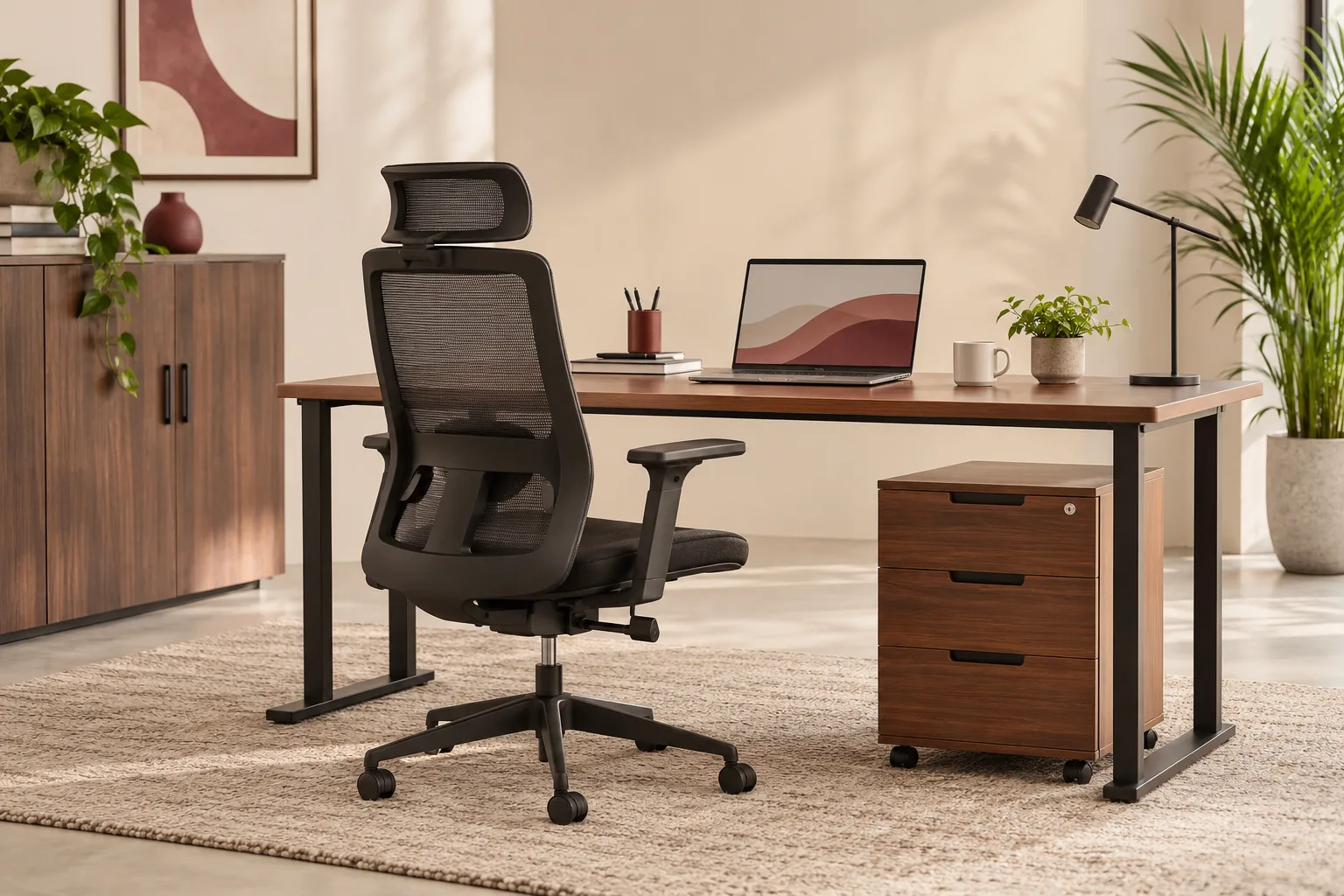
What digital marketing means
Digital marketing is the combined work of search, social media, advertising and website channels running together rather than as separate projects with separate people. GullySales runs these as one connected system so a change in one channel, such as a new offer, is reflected everywhere at once.
Also for office furniture manufacturers
- Buyer persona for office furniture manufacturers
- Lead generation for office furniture manufacturers
- SEO for office furniture manufacturers
- Social media marketing for office furniture manufacturers
- Content marketing for office furniture manufacturers
- CRM for office furniture manufacturers
- Follow-up systems for office furniture manufacturers
- WhatsApp marketing for office furniture manufacturers
Sales and marketing for office furniture manufacturers, the overview.
Last updated 14 Nov 2026.
For office furniture manufacturers
Where it usually goes wrong, and what we would do.
“Reach is narrow, so precision matters”
The buyers of office furniture are a small number of job titles at a limited set of companies and contractors. Wide advertising wastes money. A plan that names the parks, the titles and the contractors you want gives each channel a clear job.
“Search captures buyers who are ready”
A person searching for workstations for a new office has a floor to furnish. Search is where intent is highest, so product pages and quote-request forms must be in order before any money goes into advertising.
“Professional networks reach those who are not yet searching”
A facilities head who has not started looking can still be reached by a manufacturer they have seen on a professional network. Regular, relevant posts keep your name known before the lease is signed.
“Spending on an untracked channel is guesswork”
If the enquiry book does not record how each requirement sheet arrived, spending on any channel cannot be judged. Every form, call and message needs a source entry from the first day.
What we do
What we deliver for office furniture manufacturers.
The work available for this need. We agree the deliverables and responsibilities for your engagement in writing.
A channel plan for your buyers
A short plan naming which channels reach corporate buyers, contractors and government departments, and which to leave alone for now.
Result: You know where effort goes and which channels are on hold.
Search campaigns for ready buyers
Advertising for product and use searches such as workstations for IT offices or conference tables, with pages built to receive the visitor.
Result: Each campaign leads to a page with a requirement form.
Email outreach to contractors and past buyers
Short, relevant emails to contractors and old buyers about new products, sample boards and floors completed, sent only to people you know.
Result: Past buyers and contractors hear from you with something useful.
Enquiry source tracking
A required source on every form, call and message, with a simple summary of which channels brought requirement sheets and quotations.
Result: You can name the channel behind each order.
A review of spend against orders
A comparison of what each channel cost with the quotations and orders it brought, read together with you.
Result: You decide where the next rupee goes using your own figures.
How the result is measured
- Enquiries across channels
- Cost per enquiry overall
- Channel mix by contribution
Recorded as a baseline before work starts, so every later report has an honest comparison.
Searches your buyers type
The routes a buyer takes to an office furniture maker, and the page each lands on.
- search for workstation manufacturer for IT floor
- Lands on a product-and-use page with installed floors and a requirement form. The form must ask for seat count, date and plan.
- a facilities head seeing a floor post on LinkedIn
- The buyer then searches your name. The website should show the same floor, the product range and a clear route to ask for a quotation.
- a contractor's recommendation to a client
- The client asks for your catalogue and references. A tidy contact page and a reference sheet make the recommendation easy to act on.
- a tender notice from a department
- Needs a registered supplier pack. The site should link to your registrations, specifications and past supply, so the officer can check.
- an outreach email to a purchase manager
- Follows with a short product sheet. The reader decides on that sheet, so it must be clear on a phone.
- a past buyer planning the next floor
- Lands on a returning-client note or a call. Keep the record current so the sales team can open with the last job.
Who it is for
This is written for these office furniture manufacturers.
- Workstation and modular desking manufacturers for IT parks and corporates
- Executive and ergonomic chair makers
- Filing, lockers and office storage manufacturers
- Conference and meeting table specialists
- Co-working and flexible office furniture suppliers
- Government and public-sector furniture suppliers bidding through tenders
- Contract furniture units working through fit-out contractors
- Reception, lounge and collaboration furniture makers
Before you decide
When this may not be the right fit.
- Your enquiry route has no one to answer, so more reach would produce requirement sheets that sit unread.
- You have not chosen which products you want to sell, so a plan would spread effort over the whole catalogue.
Before you decide
Agree the work. Know how to judge it.
Digital marketing for office furniture manufacturers: use these checks to prepare, choose the scope, and review what changes.
Bring the right evidence
Bring a recent won order and an enquiry that went nowhere. Trace how each buyer found you, what they asked, and who handled the next step. A channel list alone will not explain the difference.
Make the scope clear
Choose one offer and one buyer group first. Agree which part needs attention: being found, getting a useful enquiry, or turning an enquiry into an order. Separate recommendations from the work required to carry them out.
Check the work in use
A useful plan names the first change, its owner, the evidence behind it, and the number that will show whether it worked. Ask what has deliberately been left out and why.
Know when to change course
If your team cannot answer the enquiries it already receives, improve that handover before buying more traffic. If the offer itself is unclear, test it with buyers before adding channels.
These are discussion points, not a fixed package. GullySales confirms the deliverables, responsibilities, fee, and term in writing after reading your brief and speaking with you.
Before we start
What to have ready before the work starts.
The records, access and decisions this work needs from office furniture manufacturers. Anything missing is noted in the written scope, with who will supply it.
- The order book for a full year
- It shows where buyers came from and which products sold. Names may be hidden. Without it, route choices are assumptions. If the sources were never recorded, the invoice book with the first contact noted from memory will do.
- A list of floors you want more of
- Say which sectors and sizes you prefer. Without it, campaigns bring work you would decline. Add the sizes of floor you want, since a plan for a hundred seats differs from one for ten.
- Logins for the site, ad account and profiles
- We need to see what exists. Owner access is best. Accounts held by an agency must be moved to you first.
- A spend ceiling, even a small one
- State what you would consider spending, if anything. If none, we use search pages and outreach only. A figure per quarter, not a promise, is enough for us to judge whether paid search deserves a trial.
- A salesperson to take the enquiries
- Name who replies and fills the sheet. Without a named person, routes bring enquiries nobody records.
How it works
How the digital marketing work runs
The work itself, in order. How an engagement starts, from your brief to a written scope, is set out on our method page.
- 1
Find where the last floors were first heard of
We go through the order book and the requirement sheets to see how each buyer first reached you: a contractor, a search, a park visit, a past order, a tender. You add what you know. The result is a ranking of routes by orders won, not by effort spent. Where a buyer cannot say how they found you, we mark it unknown and start recording it from now.
- 2
Name the floors and buyers worth chasing
With the owner and the sales head we choose the kinds of floor to pursue: IT offices, bank branches, co-working spaces, government departments. Each has different buyers and different channels. You decide the order, and everything else follows from it. We check each kind of floor against what the factory can build in volume, so the plan does not outrun production.
- 3
Set up search for buyers who are ready
We build search campaigns and pages for the products and uses where a buyer types a specific need, such as workstations for an IT office. Ads send the buyer to a product page with a requirement form. You approve the wording and the spend ceiling. We add negative words so that students, home users and secondhand sellers do not trigger the ads.
- 4
Write outreach to contractors and past buyers
We draft short emails and messages to fit-out contractors, consultants and companies that have bought from you, each with a floor you have furnished and a way to ask. You review the list. Messages go from a named person in your team, not a mailing tool. Each message names one floor and one reason it relates to the contractor's own clients.
- 5
Tie every route to the requirement sheet
Each requirement sheet carries its source. After the first set arrives, we compare sources with the earlier record and with orders won. You decide which routes to extend and which to stop. We promise no number of enquiries. The sheet shows the value and the number of units, so a few large floors are not hidden behind a crowd of small enquiries.
- 6
Compare spend with orders
At the review we set the cost of each route against the value of orders that followed, in your terms of floors and units rather than clicks. Decisions on where to spend next are made from this sheet with the owner. If a route brought only small buyers, we decide with you whether that fits the factory.
Where this fits
Three pieces of sales work, in this order.
This work sits inside sales process design, at stage 0, foundation. The audit comes before it, and sales management keeps it running.
Step 1
Sales audit
Find where deals are being lost and what to fix first.
Start here if you cannot say where orders are lost.
Step 2 · you are here
Sales process design
One written way to sell, from first enquiry to repeat order.
Start here if every salesperson sells differently.
Step 3
Sales management
A target, a review routine and someone who owns the number.
Start here if the team has targets and no routine.
FAQ
Questions owners ask before they call.
Not here? More answers, or ask on WhatsApp.
What should a small manufacturer do first?
How much should we spend on advertising?
Can digital marketing win government tenders?
Can a factory with one product line run a plan?
Should we tell contractors about our digital plans?
How do we avoid wasting spend on the wrong click?
How soon will we see results?
Who will actually do the work?
What do you need from us?
What if we are not happy with the work?
More for office furniture manufacturers
Related work to consider.
Closest to this: strategy and research
Also for office furniture manufacturers
Or start from the overview: sales and marketing for office furniture manufacturers.
Your next practical step
Tell us what you are trying to grow, and we will read it before we call.
Eight short steps, mostly taps. Skip anything you would rather answer on the call.