Rubber seal manufacturers · Follow up systems
Follow up the sample, the quote and the trial order before the buyer picks someone else.
A follow-up system for a seal maker is a set of reminders and message templates that keeps samples, quotes and dealer trials moving. GullySales builds the steps, the wording and the log so a promised call is never left to memory.
Scope, fee, reporting and term are agreed in writing after we have read your brief and spoken to you.
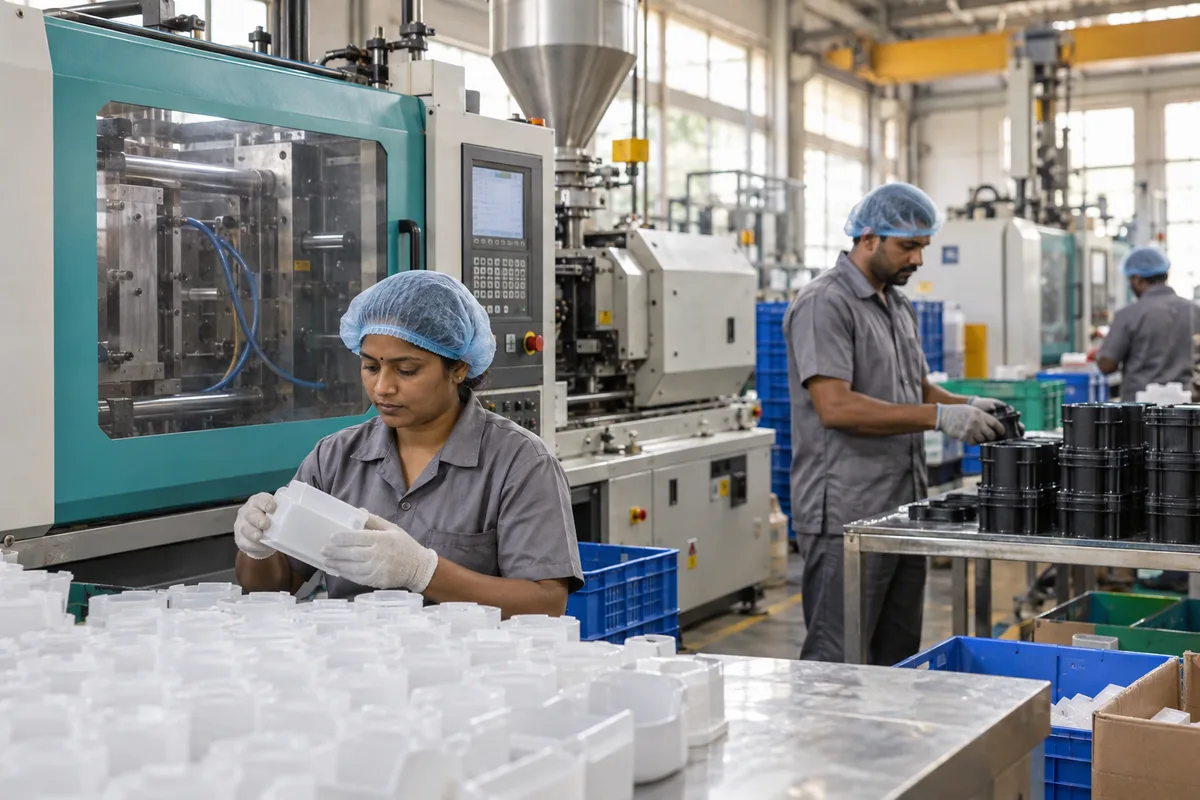
What follow up systems means
A follow-up system is the set routine for calling, messaging or emailing an enquiry more than once, since most buyers do not decide on the first conversation. GullySales sets the number and timing of follow-ups so an undecided buyer keeps hearing from you until they decide either way.
Also for rubber seal manufacturers
- Lead generation for rubber seal manufacturers
- CRM for rubber seal manufacturers
- SEO for rubber seal manufacturers
- Social media marketing for rubber seal manufacturers
- Content marketing for rubber seal manufacturers
- Buyer personas for rubber seal manufacturers
- WhatsApp marketing for rubber seal manufacturers
- Digital marketing for rubber seal manufacturers
Sales and marketing for rubber seal manufacturers, the overview.
Last updated 14 Nov 2026.
For rubber seal manufacturers
Where it usually goes wrong, and what we would do.
“A sample goes out and nothing happens”
A sample set reaches a design engineer, the courier is confirmed, and then silence. Without a planned call to ask about test results, the sample sits on a desk while a competitor's arrives.
“A quote ends the conversation by default”
The salesperson sends a price and waits. The purchase manager compares three quotes and picks on a gap that a call could have clarified. A planned follow-up asks what the comparison looks like.
“A dealer trial order is a test, not a result”
A dealer takes a first lot of seals and sells a few. If nobody checks which sizes moved and which stayed, the second order does not come, and the dealer drifts back to the old brand.
“Reorders slip when the buyer is not reminded”
A repeat buyer has a seal that wears on a cycle. If you know when the last lot was supplied, a call before stock runs out beats waiting for the buyer to call or to switch.
What we do
What we deliver for rubber seal manufacturers.
The work available for this need. We agree the deliverables and responsibilities for your engagement in writing.
A follow-up plan by stage
Written steps for sample sent, quote sent, trial order delivered and repeat due, each with an owner and a message.
Result: Every open item has a next action and a name.
Message templates
Short, polite reply drafts for calls, emails and WhatsApp, edited by your sales team to sound like them.
Result: A salesperson sends a consistent message in less effort.
Reminders in your record
Due dates and tasks set against each sample, quote and dealer account in your CRM or a simple sheet.
Result: Your team opens a list of what is due today.
Dealer stock check routine
A planned visit or call to review which sizes moved, what to restock and which display items need replacing.
Result: Dealer orders follow what actually sold.
A lost-deal note
A short entry capturing why a quote or sample did not convert, whether price, lead time on special tooling or a competing approval.
Result: Your records show patterns instead of single stories.
How the result is measured
- Follow-up completion rate
- Average number of follow-ups before close
- Enquiries closed after repeat follow-up
Recorded as a baseline before work starts, so every later report has an honest comparison.
What to capture or send
Log these moments, because a seal order can be lost at any of them.
- Sample dispatched to an OEM
- Record the part, the courier receipt and the test the buyer plans. Ask for the trial result and the date the trial ends.
- Quote sent to a dealer
- Note the sizes and the price per piece. The follow-up asks about the stock of one named size, not whether the quote arrived.
- First trial order delivered
- Log the delivery and ask the dealer how the pieces sold or fitted. A trial is a test, and the answer decides the next order.
- Seal returned with a complaint
- Record the batch, the fault and who checked it. Send the buyer the cause in writing before offering a replacement.
- Reorder gap
- Note the date of the last order for each size. A dealer who has not reordered a fast size gets a message about that size.
Who it is for
This is written for these rubber seal manufacturers.
- Oil seal manufacturers supplying automotive and agricultural equipment
- O-ring and moulded seal makers for hydraulic and pneumatic equipment
- Extruded rubber seal and weatherstrip makers for vehicles and doors
- Makers of lift door, cold room and refrigerator gaskets in profile
- Hydraulic seal and wiper makers for cylinder manufacturers
- Seal kit assemblers for pumps, compressors and construction machinery
- Silicone and FKM seal specialists for heat and chemical duty
- Aftermarket seal brands selling through dealers and distributors
Before you decide
When this may not be the right fit.
- You send samples without recording who got them, which leaves nothing for a follow-up to refer to
- No one at your end can reply to the buyer's trial result, and the answer would arrive to a silent desk
Before you decide
Agree the work. Know how to judge it.
Follow-up systems for rubber seal manufacturers: use these checks to prepare, choose the scope, and review what changes.
Bring the right evidence
Trace recent enquiries from arrival to the last recorded action. Include a won enquiry, an unsuitable one, and one that went quiet, with personal details removed for the initial discussion.
Make the scope clear
Agree who accepts each enquiry, what makes it qualified, and how ownership changes. Include a rule for missed replies and a clear reason for closing an enquiry.
Check the work in use
Pick an enquiry at random and ask the team to find its owner, latest conversation, and next action. Check that the record agrees with what actually happened.
Know when to change course
If no one has capacity to respond, assign that responsibility before buying more leads. Automation can support the owner, but it cannot replace an unresolved handover.
These are discussion points, not a fixed package. GullySales confirms the deliverables, responsibilities, fee, and term in writing after reading your brief and speaking with you.
Before we start
What to have ready before the work starts.
The records, access and decisions this work needs from rubber seal manufacturers. Anything missing is noted in the written scope, with who will supply it.
- The quotation and sample registers
- Hand over the register of quotes sent and samples dispatched, with dates and outcomes where known. We use them to see where deals go quiet. If the registers are incomplete we start with the last stretch that is complete and say so, since a baseline built on partial records misstates what follow-up does today.
- A decision on when to stop chasing
- Tell us how many attempts a quote deserves and when you accept a silence. The rule is yours, not ours. If undecided, we propose one, but your sales head must agree it, otherwise reminders either nag buyers or let live deals lapse.
- Samples of messages you already send
- Share a few real WhatsApp messages, emails or call notes used to chase buyers. We match our templates to your voice. Without them we write neutral wording, and your people rewrite it, so the templates go unused.
- A salesperson who will test the reminders
- Name one person who will use the reminders for a stretch of live quotes and report what is wrong. We need that real use. If the tool is tested only by us, we miss what annoys the person who has to act on it each morning.
- Your policy on a failed trial seal
- Write down what you do when a dealer reports a seal that failed: who inspects, what is replaced, who calls. The follow-up routine then includes it. When no policy exists, a failure is handled differently by each salesperson and the dealer sees an unreliable maker.
How it works
How the follow up systems work runs
The work itself, in order. How an engagement starts, from your brief to a written scope, is set out on our method page.
- 1
Open the quote and sample registers
We start with the records you already have: the quotation register, the sample dispatch book and the dealer order sheets. Together with your sales head we mark the quotes and samples that went quiet and note what happened next, if anything. You tell us which of these were worth chasing. This gives a baseline of what follow-up is currently achieving.
- 2
Decide when a quote or sample is finished
We agree what closes each type of lead: an order, a clear refusal, a drawing change or silence you accept as a no. You tell us how long your people wait before treating a buyer as cold. Without a closing rule, every quote stays open, and the chasing list grows until nobody reads it.
- 3
Write the messages for each stage
For each stage, such as after a quote, after a sample, after a dealer trial and ahead of a reorder, we draft a short message in your voice, suited to a call, a mail or a chat. Any line that is not in your voice, you change. We add the question each message asks, so a reply moves the sale and does not just acknowledge it.
- 4
Put the reminders into your record
We set the tasks in your CRM or sheet so each stage creates a reminder for a named person. We test with a handful of live quotes. You see what the salesperson sees on a normal morning and tell us whether it is workable. If a reminder is ignored, we reduce rather than add.
- 5
Agree the dealer stock and trial check
For dealers on trial orders, we design a short check to see what they have sold, what remains and whether any seal came back. Your salesperson makes the call and logs the answer. You decide what happens when a trial seal fails, and we write that into the routine so a failure is handled and not avoided.
- 6
Review lost deals and revise the routine
After the reminders have been running, we read the lost-deal notes with your sales head and compare quotes won, samples converted and reorders recorded with the baseline. Then we cut any message that draws no reply and add a step where deals went cold. We report the figures as found and make no claim about the next quarter.
Where this fits
Three pieces of sales work, in this order.
This work sits inside sales process design, at stage 2, qualification. The audit comes before it, and sales management keeps it running.
Step 1
Sales audit
Find where deals are being lost and what to fix first.
Start here if you cannot say where orders are lost.
Step 2 · you are here
Sales process design
One written way to sell, from first enquiry to repeat order.
Start here if every salesperson sells differently.
Step 3
Sales management
A target, a review routine and someone who owns the number.
Start here if the team has targets and no routine.
FAQ
Questions owners ask before they call.
Not here? More answers, or ask on WhatsApp.
How often should we follow up?
Will follow-up annoy buyers?
Can this run on WhatsApp?
What do we do when a trial seal fails?
Will follow-up annoy dealers who are already busy?
Can the reminders run without a CRM?
How much does it cost?
How long is the contract?
How soon will we see results?
Who will actually do the work?
More for rubber seal manufacturers
Related work to consider.
Closest to this: leads and follow-up
Also for rubber seal manufacturers
Or start from the overview: sales and marketing for rubber seal manufacturers.
Your next practical step
Tell us what you are trying to grow, and we will read it before we call.
Eight short steps, mostly taps. Skip anything you would rather answer on the call.