Rubber seal manufacturers · Buyer persona
Know the four people who decide whether your seal is chosen, stocked or reordered.
A buyer persona for a seal maker describes the design engineer, the purchase manager, the dealer and the mechanic as they actually decide. GullySales builds each from your own enquiries, invoices and sales team notes, then sets the messages for each.
Scope, fee, reporting and term are agreed in writing after we have read your brief and spoken to you.
What buyer persona means
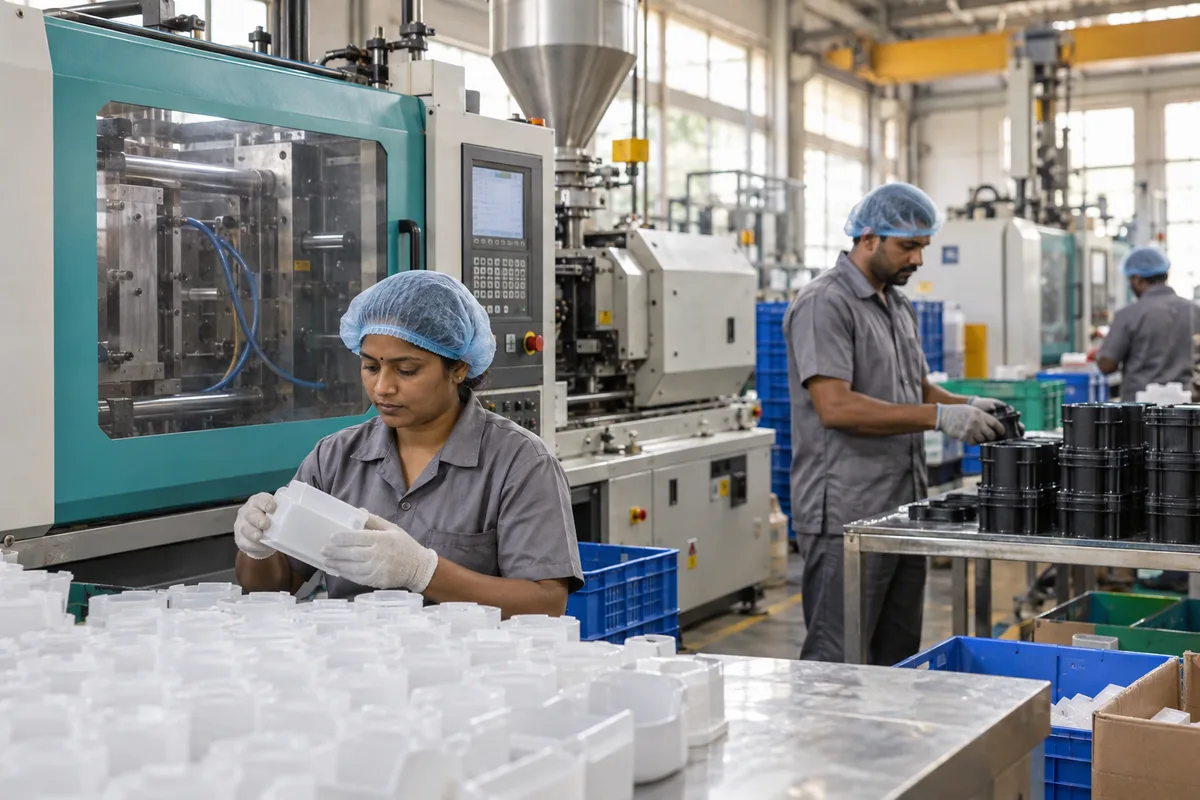
A buyer persona is a plain description of the kind of customer who actually buys from you. It includes what they search, what worries them and who else they ask before deciding. GullySales builds this from real enquiries and past sales rather than a generic template, then uses it to write every page and advert.
Also for rubber seal manufacturers
- Digital marketing for rubber seal manufacturers
- Lead generation for rubber seal manufacturers
- SEO for rubber seal manufacturers
- Social media marketing for rubber seal manufacturers
- Content marketing for rubber seal manufacturers
- CRM for rubber seal manufacturers
- Follow-up systems for rubber seal manufacturers
- WhatsApp marketing for rubber seal manufacturers
Sales and marketing for rubber seal manufacturers, the overview.
Last updated 14 Nov 2026.
For rubber seal manufacturers
Where it usually goes wrong, and what we would do.
“The design engineer chooses on proof”
The engineer needs compound data, tolerance, test reports and a sign that the maker can repeat the part. A low price is irrelevant until the part is already named in the bill of materials.
“The purchase manager checks the engineer's choice”
Once a seal is specified, the buyer looks at payment terms, delivery reliability and a second source. The buyer wants to know why the named maker is trusted before changing anything.
“The dealer wants a seal that does not come back”
A dealer picks the brand that fits first time, is stocked in the right sizes and does not return across the counter. Margin matters, but a failed part costs the dealer a customer.
“The mechanic asks by brand and by hand”
A mechanic holds a worn seal and asks for a brand by name. The mechanic cares about fit and whether the box looks genuine, and will pass a good or bad word along at the garage.
What we do
What we deliver for rubber seal manufacturers.
The work available for this need. We agree the deliverables and responsibilities for your engagement in writing.
Four buyer profiles
A written profile for the engineer, purchase manager, dealer and mechanic covering what each looks for, what worries them and which words they use.
Result: Your team shares one picture of who is being sold to.
A message map
The points that matter to each profile set out in order, with the proof you can show for each.
Result: Each conversation starts with what that buyer cares about.
Mapping from your invoices
Your last year of orders sorted by buyer type, size family and repeat pattern to show which profile brings the revenue.
Result: You see which buyer your records favour.
A question bank
The questions each profile asks, drawn from your sales team and enquiry log, with the answer you give.
Result: New staff can reply the way your best salesperson does.
Sales team briefing
A short working session with your sales and engineering staff to check the profiles against what they hear in the field.
Result: The profiles reflect the field, not a guess from outside.
How the result is measured
- Enquiry match to persona
- Conversion rate by persona
- Content aligned to persona
Recorded as a baseline before work starts, so every later report has an honest comparison.
Who is asking
Write down who buys a seal and what each person wants to see first.
- Design engineer at an equipment maker
- Wants the compound, the pressure and temperature rating and a groove drawing before nominating the seal. Check the data sheet gives each.
- Purchase manager at the same maker
- Checks the engineer's choice against price and a second source. Needs a quote showing the part number and the minimum order.
- Dealer at a hydraulic parts counter
- Wants seals that do not come back and stock to order in small lots. Needs a clear return process and a catalogue with sizes.
- Mechanic fitting a pump repair
- Asks for the seal by size or by the old part in hand. Needs a quick way to match it and a trusted brand on the pack.
- Maintenance head at a plant
- Buys seal kits for planned shutdowns and wants them matched to the machine model. Needs the kit contents listed before ordering.
Who it is for
This is written for these rubber seal manufacturers.
- Oil seal manufacturers supplying automotive and agricultural equipment
- O-ring and moulded seal makers for hydraulic and pneumatic equipment
- Extruded rubber seal and weatherstrip makers for vehicles and doors
- Makers of lift door, cold room and refrigerator gaskets in profile
- Hydraulic seal and wiper makers for cylinder manufacturers
- Seal kit assemblers for pumps, compressors and construction machinery
- Silicone and FKM seal specialists for heat and chemical duty
- Aftermarket seal brands selling through dealers and distributors
Before you decide
When this may not be the right fit.
- You have not yet spoken to a single dealer or engineer, and a persona needs at least those conversations behind it
- Your pricing for the same size varies by buyer with no rule, which has to be settled before a persona can describe what each pays
Before you decide
Agree the work. Know how to judge it.
Buyer personas for rubber seal manufacturers: use these checks to prepare, choose the scope, and review what changes.
Bring the right evidence
Write the decision the research must support, such as entering a market or choosing a buyer group. Separate what you know from sales records from what the team currently assumes.
Make the scope clear
Agree which buyers to speak to, which sources to review, and what access you can provide. Include lost enquiries and people who chose another supplier, where they are willing to take part.
Check the work in use
Look for source dates, sample limitations, and evidence that disagrees with the preferred answer. A recommendation should show how it follows from the findings.
Know when to change course
Do not treat a few positive conversations as proof of demand. Test the proposed offer with an actual buying decision before committing to a wider launch.
These are discussion points, not a fixed package. GullySales confirms the deliverables, responsibilities, fee, and term in writing after reading your brief and speaking with you.
Before we start
What to have ready before the work starts.
The records, access and decisions this work needs from rubber seal manufacturers. Anything missing is noted in the written scope, with who will supply it.
- A spread of invoices by customer type
- Pull invoices across OEM accounts, dealers and walk-in customers, covering different part families. Names can be hidden but part numbers and quantities must show. If you give only the large accounts, the personas will describe your biggest buyers and miss the mechanic and the small dealer who reorder constantly.
- The sales team in a room
- Everyone who sells or quotes should give us time, including the person who answers counter calls. Their account of how buyers behave is the main source. If only the owner speaks for the sales team, the profile reflects what the owner thinks happens, which differs from what buyers say on the phone.
- Three or four customers willing to talk
- Choose customers across buyer types and ask if they would speak to us briefly. A short call is enough. Without any such conversation, the profiles rest on your records alone, and we mark that plainly so you know which parts are inferred from orders and which come from the buyer.
- A record of lost or stopped accounts
- List customers who bought and then stopped, with the reason if known. What a buyer moved away from tells us what they value. If nothing is recorded, the persona leans on what satisfied buyers say, and we may miss the worry that actually turns a dealer to another brand.
- Your decision on the buyers you want more of
- Tell us which buyer you want to win next: OEM design engineers, aftermarket dealers, or both. The persona work gives that buyer more depth. Without a decision we spread the effort evenly, and the messages that follow are less pointed than they could be.
How it works
How the buyer persona work runs
The work itself, in order. How an engagement starts, from your brief to a written scope, is set out on our method page.
- 1
Decide which buyers to describe first
We start with a conversation about who actually places the orders. Using your invoices and the sales team's memory, we list the design engineers, purchase managers, dealers and mechanics you deal with. You choose how many to describe. Four is the common set for a seal maker, but a small firm may need only two, and we do not add personas for completeness.
- 2
Pull a sample of invoices and enquiries
We ask for a spread of invoices and enquiry records across different customer types and part families. We read them for what each buyer ordered, how frequently they reordered, which sizes repeated and who signed. You tell us which customers are typical and which are exceptions. The sample gives us facts to draw on rather than guesses about the buyer.
- 3
Talk to the salespeople who know them
We hold a conversation with each person who sells, one by one. We ask how a design engineer asks, what the purchase manager checks, what a dealer worries about and what a mechanic says at the counter. Their words are written down as spoken. We compare answers between salespeople and note where they disagree, because those gaps matter.
- 4
Interview a few buyers, if you allow it
If you introduce a few customers, we ask short questions: how they chose a seal, what made them stop buying elsewhere, what they check first on delivery. You decide which customers to approach and sit in if you wish. When no introductions are possible, we rely on the invoices and the salespeople and mark the profiles as built without buyer interviews.
- 5
Write the profiles and check them with sales
We draft each persona from the evidence: role, what they decide, what they need to see, what makes them doubt. Then the salespeople read them and mark whatever sounds wrong. We correct and send a second version. The profile stays only if your own team recognises the buyer in it.
- 6
Turn profiles into messages and questions
From the approved profiles we build the message map and the question bank: what to say to each buyer first and which questions to ask on the first call. We brief your sales team. Later we compare enquiries with the profiles to see which buyer type is arriving, and revise any profile the enquiries contradict.
Where this fits
Three pieces of sales work, in this order.
This work sits inside sales process design, at stage 0, foundation. The audit comes before it, and sales management keeps it running.
Step 1
Sales audit
Find where deals are being lost and what to fix first.
Start here if you cannot say where orders are lost.
Step 2 · you are here
Sales process design
One written way to sell, from first enquiry to repeat order.
Start here if every salesperson sells differently.
Step 3
Sales management
A target, a review routine and someone who owns the number.
Start here if the team has targets and no routine.
FAQ
Questions owners ask before they call.
Not here? More answers, or ask on WhatsApp.
How many personas do we need?
Where does the information come from?
Will personas change our pricing?
Should the dealer persona differ by town?
Will the personas include real customer names?
Once the personas exist, where do they get used?
How long is the contract?
How soon will we see results?
Who will actually do the work?
What do you need from us?
More for rubber seal manufacturers
Related work to consider.
Closest to this: strategy and research
Also for rubber seal manufacturers
Or start from the overview: sales and marketing for rubber seal manufacturers.
Your next practical step
Tell us what you are trying to grow, and we will read it before we call.
Eight short steps, mostly taps. Skip anything you would rather answer on the call.