Aquarium fish businesses · Social media
Show the fish the way a keeper wants to see it: alive and in water.
Social media marketing for a fish business means showing live stock, tank set-ups and care in the places hobbyists spend their evenings, mainly Instagram, YouTube and WhatsApp. GullySales works on a posting routine, the sequence of who hears first, and the replies that follow.
Scope, fee, reporting and term are agreed in writing after we have read your brief and spoken to you.
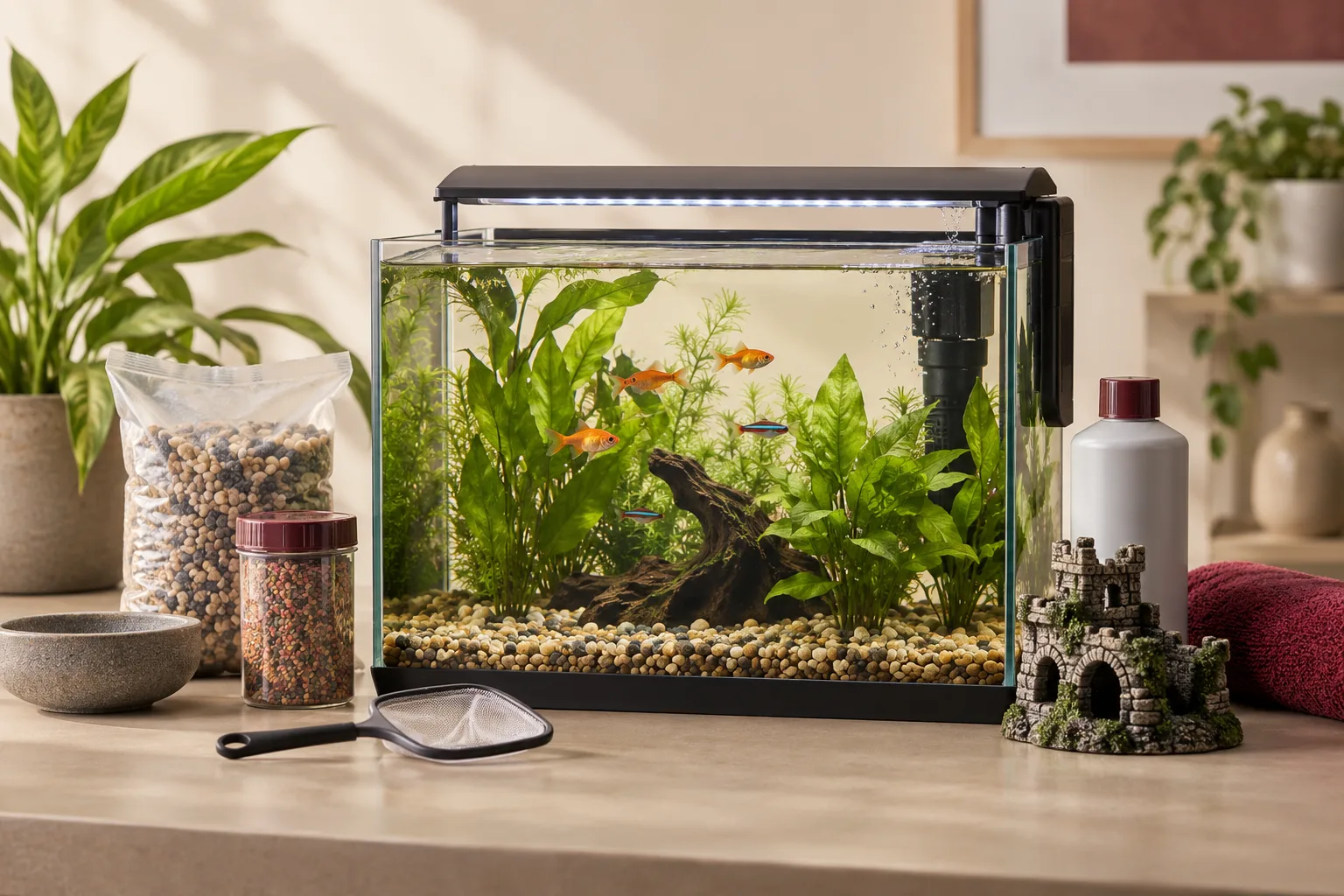
What social media means
Social media is the ongoing posting your business does on platforms such as Instagram, Facebook and LinkedIn to stay visible to customers and prospects between purchases. GullySales plans a posting calendar, writes captions and designs the images so the page looks active and answers what a visitor would ask.
Also for aquarium fish businesses
- Content marketing for aquarium fish businesses
- Lead generation for aquarium fish businesses
- SEO for aquarium fish businesses
- Local SEO for aquarium fish shops
- Buyer personas for aquarium fish businesses
- CRM for aquarium fish businesses
- Follow-up systems for aquarium fish businesses
- WhatsApp marketing for aquarium fish businesses
Sales and marketing for aquarium fish businesses, the overview.
Last updated 18 Oct 2026.
For aquarium fish businesses
Where it usually goes wrong, and what we would do.
“A still photograph undersells a live fish”
Colour, movement and size show on video and nowhere else. A short clip of the exact fish in a tank answers the question a keeper is silently asking: is this the fish I will receive?
“A status vanishes before regulars see it”
News of a good batch posted once on a status reaches whoever opened the phone at that moment. The keeper who would have bought it learns the next day, when it has gone.
“Comments are not a sales desk”
Price please under a post invites a public reply, a lost thread and a missed follow-up. The conversation belongs in a message where a name, a number and a fish can be recorded.
“Hobbyist groups are partly a showcase and partly a test”
Buyers compare sellers in groups. A seller who answers a care question helpfully, without pushing, becomes the name that gets suggested when someone asks where to buy.
What we do
What we deliver for aquarium fish businesses.
Every deliverable, what it covers for you, and the result it is there to produce. Nothing here is an extra.
A new-arrival posting routine
A fixed order for each batch: film, post, message the interested buyers, record who responded.
Result: Each batch has a recorded sequence of who was told when.
Reel and clip ideas from the counter
A list of topics drawn from the questions customers ask in the shop, such as stocking, feeding and set-up.
Result: A written list of clip topics from real questions.
An enquiry capture habit
A way to move a comment or message into a note with the person's name, number and the fish asked for.
Result: Each Instagram enquiry has a record behind it.
Community group participation guide
Plain guidance on how to answer in hobbyist groups without spamming, and which groups to join. Check each group's own rules.
Result: A short list of groups with the way you take part.
Stock and price post templates
Simple layouts for showing a fish, the size, the price and how to reserve it.
Result: New posts follow a layout your team can repeat.
How the result is measured
- Posts published
- Engagement rate
- Enquiries from social profiles
Recorded as a baseline before work starts, so every later report has an honest comparison.
Posts and pieces to plan
Plan posts around what a keeper wants to see in the water.
- A new shipment unpacked
- A short clip of fish arriving and being acclimatised, with the species named and the number available, so regulars can message before the best go.
- A pair in breeding colour
- A close video of the fish in the tank, with the strain and age stated. A collector needs to see the fish moving to trust the listing.
- A finished planted tank
- A before and after of a customer's tank, posted only with the owner's consent, and a note on the tank size and the plants used.
- A question from the counter
- A reel answering one thing a beginner keeps asking, such as why the water turned cloudy, ending with what you stock to fix it.
- A sold-out notice
- A plain post saying a batch has gone and when to ask about the next, which keeps buyers watching your page and not a rival's.
Who it is for
This is written for these aquarium fish businesses.
- Neighbourhood aquarium shops
- Fish breeders for guppies, mollies, cichlids and discus
- Wholesalers who supply shops
- Aquascaping studios and planted tank specialists
- Tank installation and maintenance services for homes and offices
- Marine and reef tank specialists
- Koi and pond fish dealers
- Dealers of aquarium plants, live food and accessories
Not for
It is not the right fit if.
- You have no one to photograph fish in good light, and blurred tank footage makes live stock look unwell
- Your fish sell through a wholesale relationship alone, so posts to the public would reach people you cannot serve
- You post new stock but cannot answer the comments the same day, so the replies would sit unanswered beside your own post
How it works
How the social media work runs
The work itself, in order. How an engagement starts, from your brief to a written scope, is set out on our method page.
- 1
Confirm audience, platforms and access
We note which platforms your buyers use and check that the pages sit under your own business accounts, with you as owner and us as added roles.
- 2
Review the current presence
We read the existing pages, the posts that drew replies and the gaps in posting.
- 3
Build the calendar
Themes, formats and dates are set out for your approval, with space for offers and news.
- 4
Create, approve and publish
Posts are made, approved by you and scheduled. Replies to the public are handled in your voice.
- 5
Record enquiries and adjust
Enquiries are logged against the post or platform where they began, and the mix changes to follow what brings them.
Where this fits
Three pieces of sales work, in this order.
This work sits inside sales process design, at stage 0, foundation. The audit comes before it, and sales management keeps it running.
Step 1
Sales audit
Find where deals are being lost and what to fix first.
Start here if you cannot say where orders are lost.
Step 2 · you are here
Sales process design
One written way to sell, from first enquiry to repeat order.
Start here if every salesperson sells differently.
Step 3
Sales management
A target, a review routine and someone who owns the number.
Start here if the team has targets and no routine.
FAQ
Questions owners ask before they call.
Not here? More answers, or ask on WhatsApp.
Which platform should I concentrate on?
Do I need to show prices on posts?
Can I sell protected species through posts?
How do I keep a live fish looking true on camera?
How long is the contract?
How soon will we see results?
Who will actually do the work?
What do you need from us?
What if we are not happy with the work?
More for aquarium fish businesses
Everything else we would do for you.
Closest to this: content and social
Also for aquarium fish businesses
Or start from the overview: sales and marketing for aquarium fish businesses.
Your next practical step
Tell us what you are trying to grow, and we will read it before we call.
Eight short steps, mostly taps. Skip anything you would rather answer on the call.