Crop protection product companies · Lead generation
Find the dealers and growers who will stock and spray your products.
Lead generation for a crop protection company means finding input shops, distributors, consultants and large growers who are not yet buying from you. GullySales works on a prospect list by district and crop, and on a way to record who responds.
Scope, fee, reporting and term are agreed in writing after we have read your brief and spoken to you.
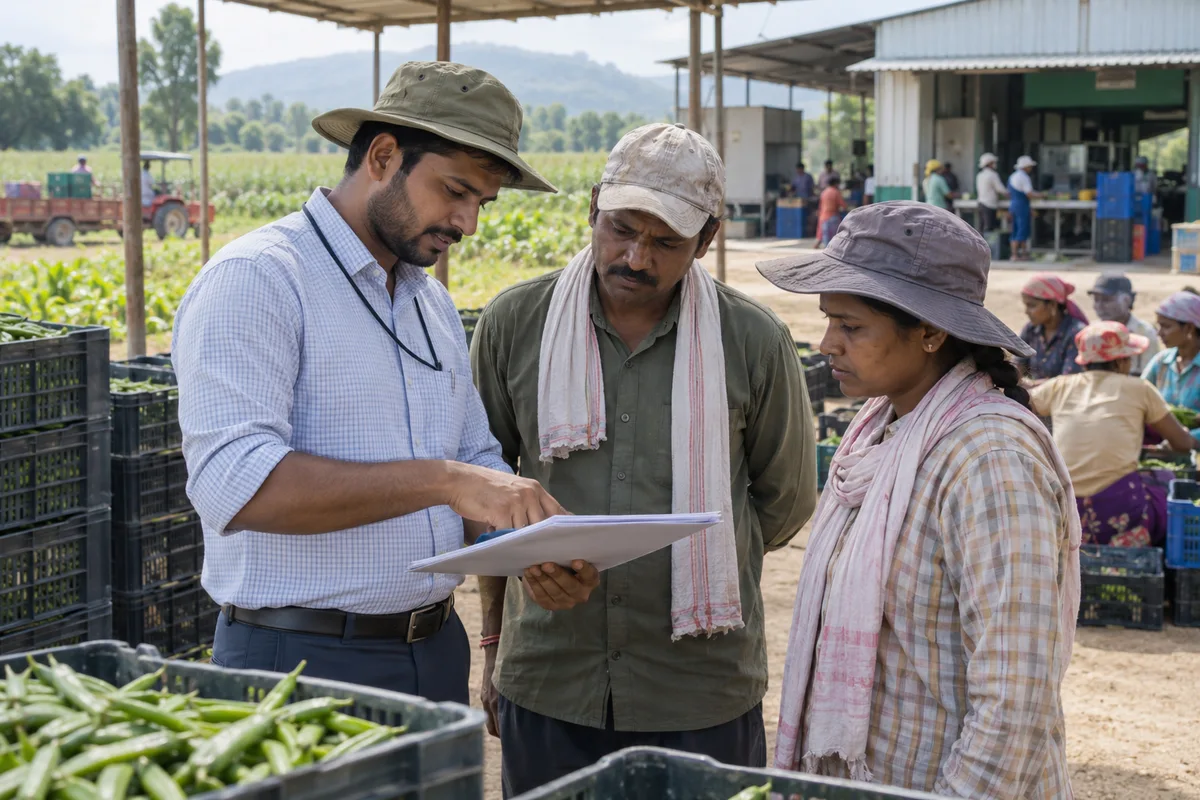
What lead generation means
Lead generation is the combined work of every channel that brings in a new enquiry, whether from search, adverts, referrals or a stall at an exhibition. GullySales runs these channels together and reports the number of enquiries each one produced, not the activity behind it.
Also for crop protection product companies
- CRM for crop protection companies
- Follow-up systems for crop protection companies
- SEO for crop protection companies
- Social media marketing for crop protection companies
- Content marketing for crop protection companies
- Buyer personas for crop protection companies
- WhatsApp marketing for crop protection companies
- Digital marketing for crop protection companies
Sales and marketing for crop protection product companies, the overview.
Last updated 18 Oct 2026.
For crop protection product companies
Where it usually goes wrong, and what we would do.
“The lead that matters is a shop, not a farmer”
A farmer asks the counter what to spray, so one new dealer carries the brand to every farmer who walks in. A lead list that counts farmer enquiries and ignores the dealers who answer them measures the wrong end of the chain.
“Enquiries arrive in the pest window and go cold after it”
A grower who phones about whitefly in August has moved on by the time a callback comes in October. The enquiry is worth most while the problem is on the leaf, so the response has to be ready before the window opens.
“A distributor lead needs a credit and territory check first”
A distributor who asks for stock may already hold a rival brand in the same district or carry unpaid dues elsewhere. Capturing territory, brands held and credit history at the first contact saves the sales team a wasted visit.
“Plantation and large-grower leads come through consultants”
A big cotton or grape grower rarely answers a cold message. The crop consultant who advises the estate is the contact who opens that door, and that person needs the trial summary before the season starts.
What we do
What we deliver for crop protection product companies.
Every deliverable, what it covers for you, and the result it is there to produce. Nothing here is an extra.
Prospect list by district and crop
A register of input shops, distributors, consultants and large growers for each district, filtered by the crops you have registered products for.
Result: A list the field team can open and see which shops in a district are not yet on your books.
A single enquiry form for dealers
A short form asking shop name, district, brands stocked and crops served, built for a phone screen.
Result: Every new dealer enquiry lands with the facts a representative needs before the first call.
Crop and problem landing pages
Pages that answer a named pest or disease on a named crop and invite a dealer or grower to ask for the nearest stockist.
Result: Each enquiry arrives tagged with the crop and problem that prompted it.
A lead source record
A column on every lead showing whether it came from a field day, a dealer referral, a search or a message.
Result: You can read which source produced dealers who went on to place an order.
Pre-window readiness check
A short list agreed with the sales head before each pest window: who answers, how the callback list is cleared and which stock is available.
Result: The team knows who owns each enquiry before the first one arrives.
How the result is measured
- Enquiries generated
- Cost per enquiry
- Enquiries by source
Recorded as a baseline before work starts, so every later report has an honest comparison.
What to capture or send
A dealer enquiry for a crop protection brand carries a few facts worth recording.
- District and crops sold into
- Written by the representative who takes the enquiry. Shows whether the shop serves the crops and pests the company's range is registered for.
- Licence status of the shop
- Recorded from the document the dealer shows. A shop without a valid pesticide licence cannot stock the range, so this is checked before anything else.
- Brands the dealer carries now
- A dealer already stocking a competing molecule for the same pest needs a reason to switch, and the representative needs to know which one.
- Credit terms asked
- Noted at the first call. Decides whether the lead goes to a distributor or to the finance team for a check before the territory is discussed.
- Season window the dealer is preparing for
- A dealer planning for a pest window needs stock ahead of it. The date tells the company when the conversation must close.
Who it is for
This is written for these crop protection product companies.
- Insecticide, fungicide and herbicide formulation companies
- Bio-pesticide and bio-stimulant companies
- Plant growth regulator and micronutrient suppliers
- Generic agrochemical companies selling through distributors
- Companies with their own brands and a regional dealer network
- Companies supplying large growers, plantations and estates
- Companies serving horticulture and vegetable growers
- Exporters and importers of technical and formulations
Not for
It is not the right fit if.
- Your product registration for the crop in the region is incomplete, so a lead would be generated for a product you may not sell there.
- The field team cannot visit new districts this season, so extra dealer leads would sit unanswered.
How it works
How the lead generation work runs
The work itself, in order. How an engagement starts, from your brief to a written scope, is set out on our method page.
- 1
Understand your capacity
We ask how many enquiries your team can answer well, who answers after hours, and what a good enquiry looks like. Without this, the system fills a funnel nobody is watching.
- 2
Audit current sources
We read your call log, WhatsApp chats, enquiry sheet and platform dashboards. The baseline is recorded: enquiries by source, reply time, conversion and cost per order.
- 3
Strategise the channel mix
Search and maps are chosen for people ready to buy, ads for people who are not yet looking, and content and referrals for trust.
- 4
Implement capture and follow-up
Pages, forms, tags, the lead record and the first-reply message are built and tested end to end. We submit test enquiries ourselves before any media money is spent.
- 5
Measure and optimise
Enquiries are traced to source and judged by what became orders, not by volume alone. Channels that fill the sheet with poor enquiries are cut back. How often you are reported to is agreed in writing.
Where this fits
Three pieces of sales work, in this order.
This work sits inside sales process design, at stage 1, prospecting and lead generation. The audit comes before it, and sales management keeps it running.
Step 1
Sales audit
Find where deals are being lost and what to fix first.
Start here if you cannot say where orders are lost.
Step 2 · you are here
Sales process design
One written way to sell, from first enquiry to repeat order.
Start here if every salesperson sells differently.
Step 3
Sales management
A target, a review routine and someone who owns the number.
Start here if the team has targets and no routine.
FAQ
Questions owners ask before they call.
Not here? More answers, or ask on WhatsApp.
Should we chase farmers or dealers for leads?
Can we advertise a product by name?
What if a dealer enquiry comes from outside our registered territory?
How does a company decide which crops to build lead pages for?
How much does it cost?
How long is the contract?
How soon will we see results?
Who will actually do the work?
What do you need from us?
What if we are not happy with the work?
More for crop protection product companies
Everything else we would do for you.
Closest to this: leads and follow-up
Also for crop protection product companies
Or start from the overview: sales and marketing for crop protection product companies.
Your next practical step
Tell us what you are trying to grow, and we will read it before we call.
Eight short steps, mostly taps. Skip anything you would rather answer on the call.