Farm consulting companies · Lead generation
Bring in landowners who arrive with a real farming decision to make.
Lead generation for a farm consulting company means reaching people who hold land and have a decision pending, then getting their enquiry to you with the plot, the water and the question stated. GullySales works on the enquiry form, the pages and the sources that send those landowners, and on reading which source sends paid visits.
Scope, fee, reporting and term are agreed in writing after we have read your brief and spoken to you.
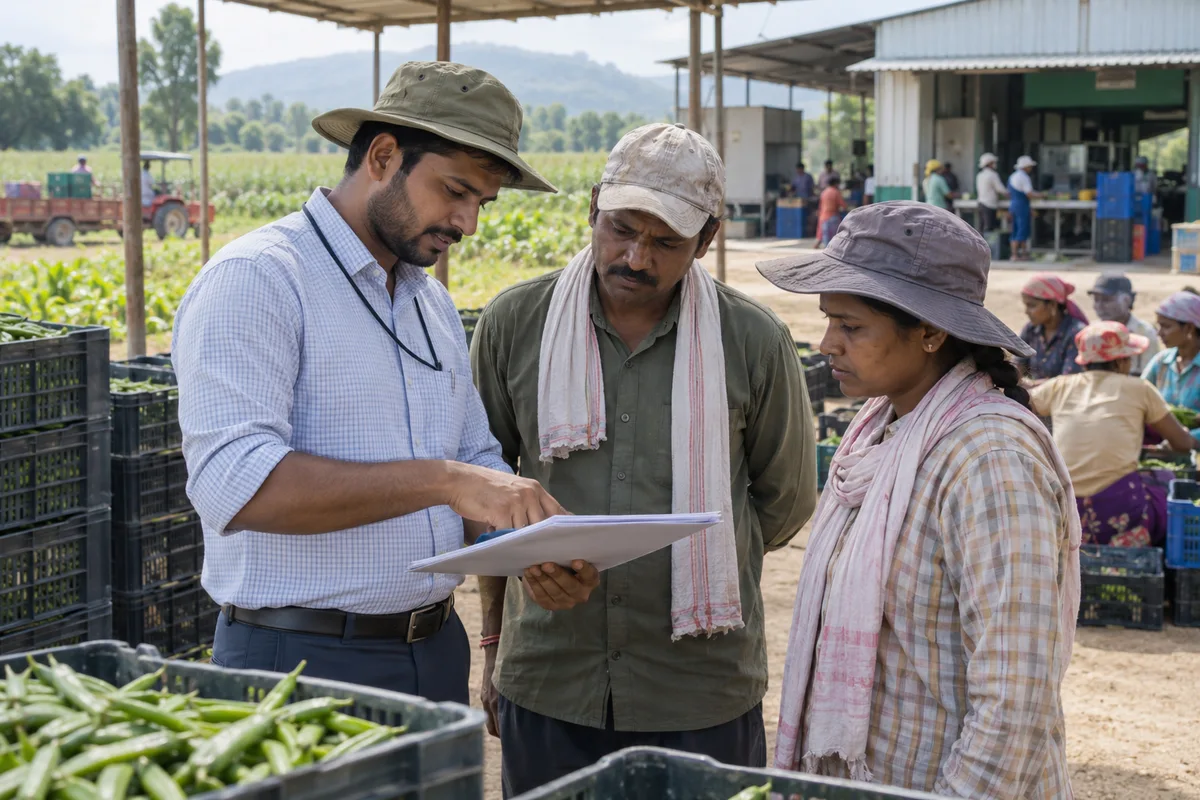
What lead generation means
Lead generation is the combined work of every channel that brings in a new enquiry, whether from search, adverts, referrals or a stall at an exhibition. GullySales runs these channels together and reports the number of enquiries each one produced, not the activity behind it.
Also for farm consulting companies
- CRM for farm consulting companies
- Follow-up systems for farm consulting companies
- SEO for farm consulting companies
- Local SEO for farm consulting companies
- Social media marketing for farm consulting companies
- Content marketing for farm consulting companies
- Buyer personas for farm consulting companies
- WhatsApp marketing for farm consulting companies
Sales and marketing for farm consulting companies, the overview.
Last updated 18 Oct 2026.
For farm consulting companies
Where it usually goes wrong, and what we would do.
“The enquiry that names no land”
A caller asks which crop pays and gives no village, acreage or water source. The consultant answers in general terms and the caller is gone. A form that asks for taluk, acreage, water source and the decision due turns a vague call into a visit worth pricing.
“Land buyers decide before they hire”
A buyer of agricultural land near a city starts asking about crops while the sale is still open. A consultant found only after possession meets the owner after the first mistakes. Reaching buyers at purchase is a different route from reaching a farmer whose crop has failed.
“Referral work cannot be scheduled”
Two old clients speak well of you and the phone rings when they happen to mention it. A quiet quarter then has no cause and no remedy. Sources you can switch on, such as search pages and dealer introductions, give the pipeline a lever.
“Institutions look for evidence, not posts”
A bank officer, an FPO or a CSR team wants a profile, past project reports and a reference they can ring. A reel does not answer that. A short institutional page with named engagements, shared with the client's permission, does.
What we do
What we deliver for farm consulting companies.
Every deliverable, what it covers for you, and the result it is there to produce. Nothing here is an extra.
A land and decision enquiry form
One form that asks for location, acreage, water source, current crop or plan, and the decision due, in plain language.
Result: Every new enquiry arrives with enough detail to decide whether to offer a paid visit.
Separate routes for each buyer
One route for land buyers, one for farmers with a problem and one for institutions, each with its own page and its own first step.
Result: Each source is tagged, so you see which kind of buyer is writing to you.
A source log kept in your own sheet
Each enquiry is recorded with where it came from and what became of it, in a spreadsheet or your CRM.
Result: You can read, from your own records, which source sent paid visits.
A dealer and bank introduction note
A one-page note for input dealers, nurseries and agri loan officers describing the work you take and the papers you ask for.
Result: The note can be handed over at a counter and read in a minute.
A rule for enquiries you decline
A short reply for requests outside your work, such as pesticide prescriptions or livestock treatment, pointing the person to the right adviser.
Result: Declined enquiries get a courteous answer and your time stays with fit work.
How the result is measured
- Enquiries generated
- Cost per enquiry
- Enquiries by source
Recorded as a baseline before work starts, so every later report has an honest comparison.
What to capture or send
What to record when a landowner asks for farm advice, and what the first reply should carry.
- Land location and survey details
- Village, taluk and survey number if the owner has it. It tells you whether the plot is in reach and whether a visit is worth planning.
- Decision on the table
- Buying the land, planting, repairing a failing crop or applying for a loan. Each needs a different adviser and a different first answer.
- Water source and soil facts the owner knows
- Borewell, canal or rain only, and any soil report held. It lets you ask for the right papers before the visit.
- Who is paying and who is deciding
- The owner may be abroad or in a city, with a manager on the land. Record both names and the person to send the quote to.
- Whether a bank or scheme is involved
- A tick if the enquiry is for a project report or loan. It sends the case to the person who handles papers and checks what the institution asks for.
- How the person found you
- A dealer, a bank officer, a former client or a page. It shows which introductions bring paid work and which bring only calls.
Who it is for
This is written for these farm consulting companies.
- Crop and agronomy advisers working with commercial growers
- Consultants for weekend farms and farmhouse plantations
- Horticulture and orchard planning consultants
- Organic and natural farming transition advisers
- Agri project report and bank loan consultants
- Farm management firms who run a farm for an absent owner
- Water, soil and irrigation planning consultants
- Agribusiness advisers for processing units and FPOs
Not for
It is not the right fit if.
- You cannot visit a farm without cancelling client work, so more enquiries would only produce plots you cannot attend.
- You have not decided which enquiries to decline, and unpaid advice by phone would grow along with the leads.
- You hope leads from a portal will bring serious landowners. Without a screen for land and decision, they bring calls you cannot answer.
How it works
How the lead generation work runs
The work itself, in order. How an engagement starts, from your brief to a written scope, is set out on our method page.
- 1
Understand your capacity
We ask how many enquiries your team can answer well, who answers after hours, and what a good enquiry looks like. Without this, the system fills a funnel nobody is watching.
- 2
Audit current sources
We read your call log, WhatsApp chats, enquiry sheet and platform dashboards. The baseline is recorded: enquiries by source, reply time, conversion and cost per order.
- 3
Strategise the channel mix
Search and maps are chosen for people ready to buy, ads for people who are not yet looking, and content and referrals for trust.
- 4
Implement capture and follow-up
Pages, forms, tags, the lead record and the first-reply message are built and tested end to end. We submit test enquiries ourselves before any media money is spent.
- 5
Measure and optimise
Enquiries are traced to source and judged by what became orders, not by volume alone. Channels that fill the sheet with poor enquiries are cut back. How often you are reported to is agreed in writing.
Where this fits
Three pieces of sales work, in this order.
This work sits inside sales process design, at stage 1, prospecting and lead generation. The audit comes before it, and sales management keeps it running.
Step 1
Sales audit
Find where deals are being lost and what to fix first.
Start here if you cannot say where orders are lost.
Step 2 · you are here
Sales process design
One written way to sell, from first enquiry to repeat order.
Start here if every salesperson sells differently.
Step 3
Sales management
A target, a review routine and someone who owns the number.
Start here if the team has targets and no routine.
FAQ
Questions owners ask before they call.
Not here? More answers, or ask on WhatsApp.
Where do farm consulting leads come from?
Should we buy leads from a portal?
Can you promise a number of enquiries?
Why ask about land before the first call?
How much does it cost?
How long is the contract?
How soon will we see results?
Who will actually do the work?
What do you need from us?
What if we are not happy with the work?
More for farm consulting companies
Everything else we would do for you.
Closest to this: leads and follow-up
Also for farm consulting companies
Or start from the overview: sales and marketing for farm consulting companies.
Your next practical step
Tell us what you are trying to grow, and we will read it before we call.
Eight short steps, mostly taps. Skip anything you would rather answer on the call.